











How to choose a suitable dust collector for your own industry?
Feb 27,2026
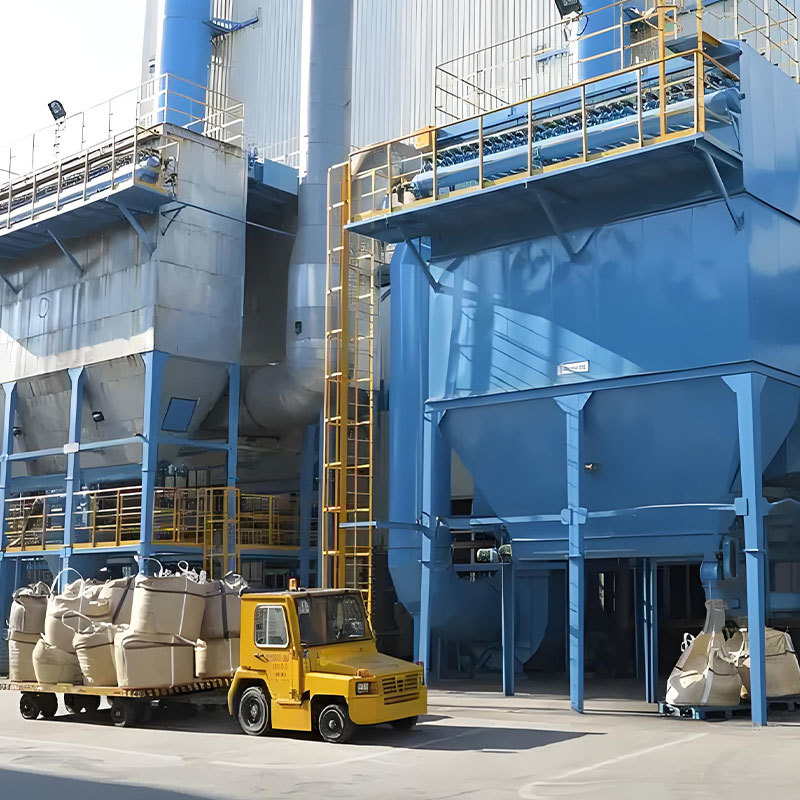
The selection of industrial dust collectors directly determines the dust control effect, operating costs, and environmental compliance ability. The working conditions and dust characteristics of different industries vary significantly, and blind selection can easily lead to insufficient dust removal efficiency, high energy consumption, or frequent equipment failures. For overseas enterprises, choosing the right dust collector not only meets local environmental standards, but also reduces long-term operation and maintenance costs.
1、 Core prerequisite for selection: Clarify one's own working conditions and requirements
The core of selection is "adaptation", and three key prerequisites need to be clarified first to avoid directional deviation:
1. Clarify the characteristics of dust, including dust concentration, particle size, viscosity, corrosiveness, temperature, etc., which are the core basis for selection. For example, anti clogging equipment should be given priority for high viscosity dust, and high-temperature resistant materials should be selected for high-temperature dust.
2. Clarify processing requirements: Based on the production scale, determine the required processing air volume and dust removal efficiency, while taking into account local environmental emission standards to avoid penalties for insufficient compliance.
3. Clarify the operating scenario: Consider installation space, energy consumption budget, and operation and maintenance capabilities. For example, small and medium-sized workshops are suitable for compact equipment, while overseas remote factories should prioritize models that are easy to operate and purchase vulnerable parts.
2、 Mainstream dust collector types and industry adaptation scenarios
Sort out the core advantages and adaptation industries of 6 mainstream dust collectors, accurately match requirements, and avoid selection errors:
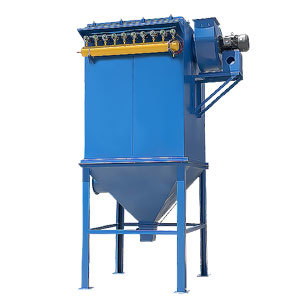
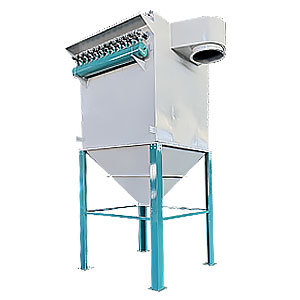
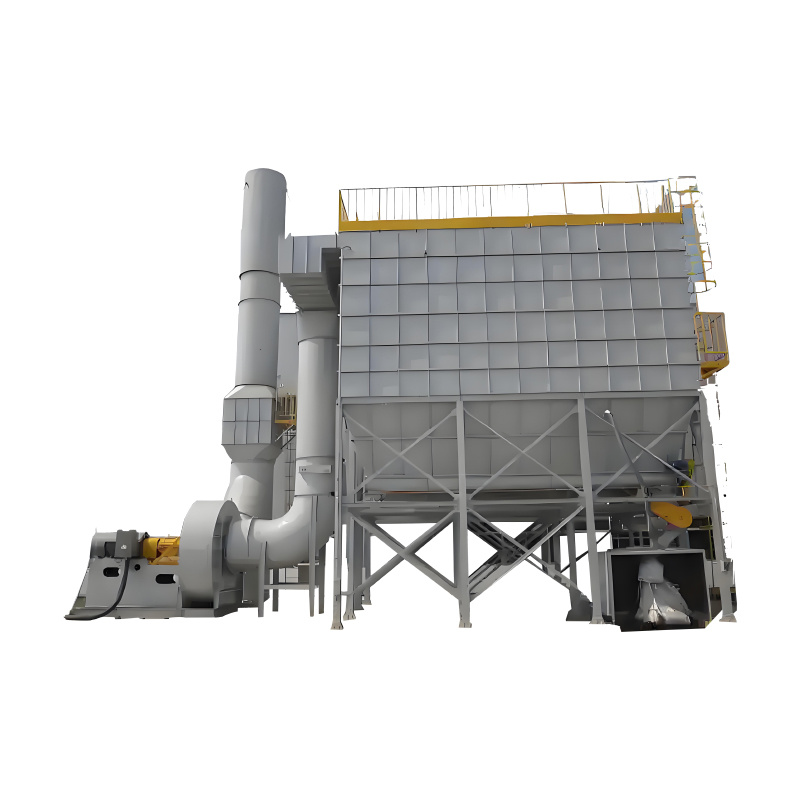
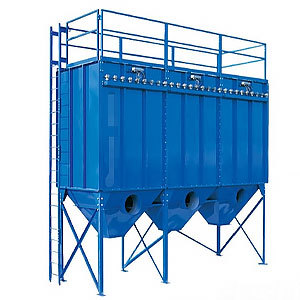
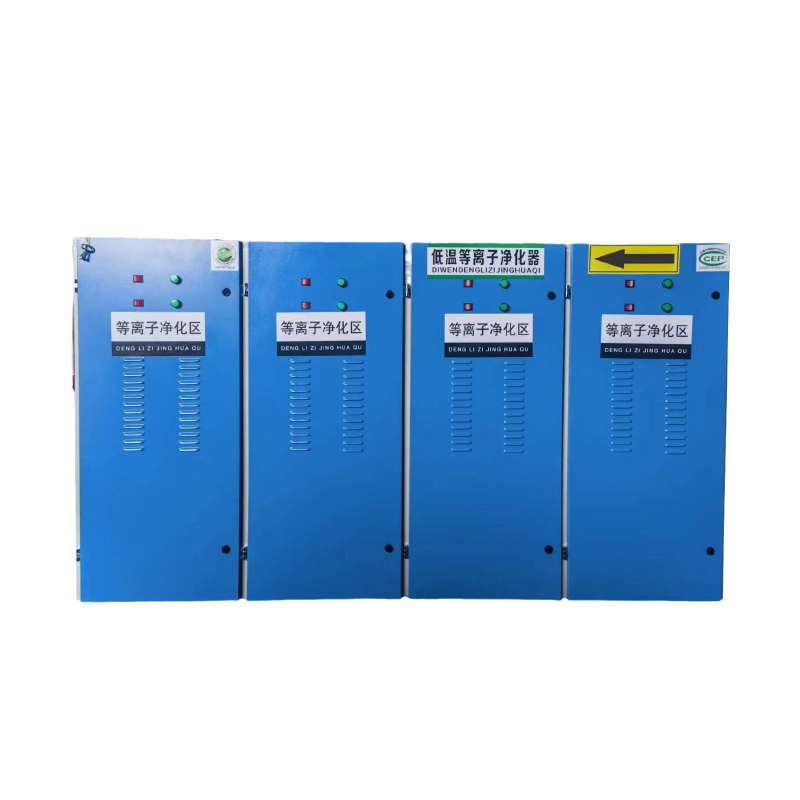
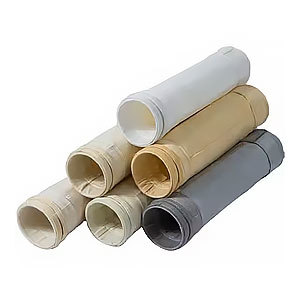
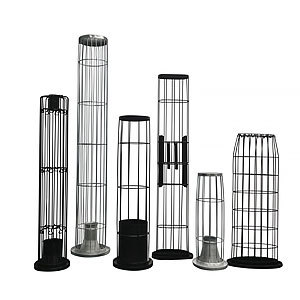
1. Bag/Bag Dust Collector: High dust removal efficiency (over 99%), suitable for medium and fine particle dust, wide temperature resistance range (from room temperature to 200 ℃), suitable for industries such as mining, metallurgy, cement, woodworking, etc. Attention should be paid to the high viscosity dust that can easily clog the filter bag, and it is necessary to optimize the design with dust cleaning.
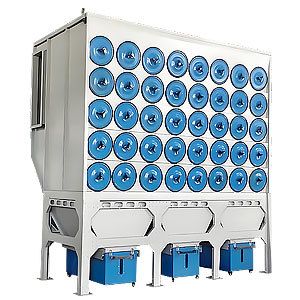
2. Filter cartridge dust collector: compact structure, small footprint, good dust cleaning effect, suitable for fine particles and low concentration dust, suitable for industries such as electronics, food, and automotive manufacturing that require high workshop cleanliness, but not suitable for high viscosity and high concentration dust.
3. Plastic fired board dust collector: waterproof, oil resistant, anti clogging, suitable for high humidity and high viscosity dust, with a long maintenance cycle, suitable for industries such as chemical, food processing, and mechanical processing. The initial investment is slightly higher than that of bag dust collectors.
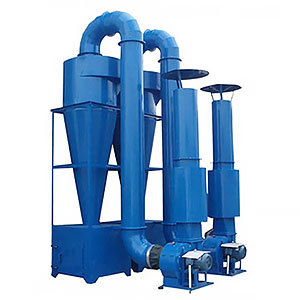
4. Cyclone dust collector: With a simple structure, low energy consumption, and convenient operation and maintenance, it is suitable for processing large particles (particle size>10 μ m) and high concentration dust. It is mostly used as a pre-treatment equipment and is suitable for industries such as mining, grain processing, and building materials.
5. Electrostatic precipitator: capable of handling high air volume and low resistance, suitable for high temperature and high concentration flue gas dust, and suitable for large-scale industrial scenarios such as power plants, metallurgy, and chemical industries. Attention should be paid to the loss of equipment caused by corrosive dust.
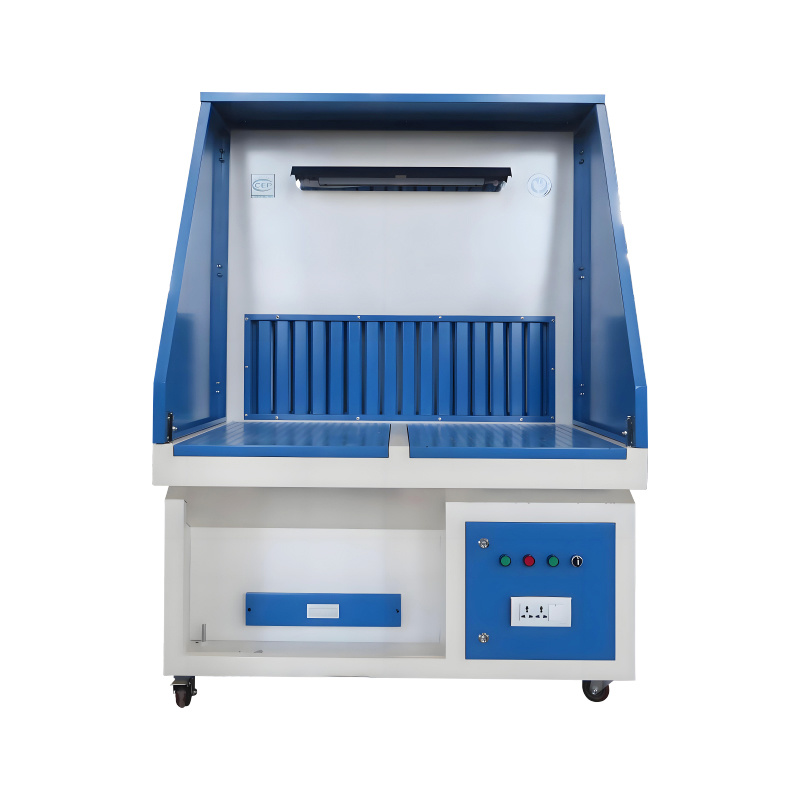
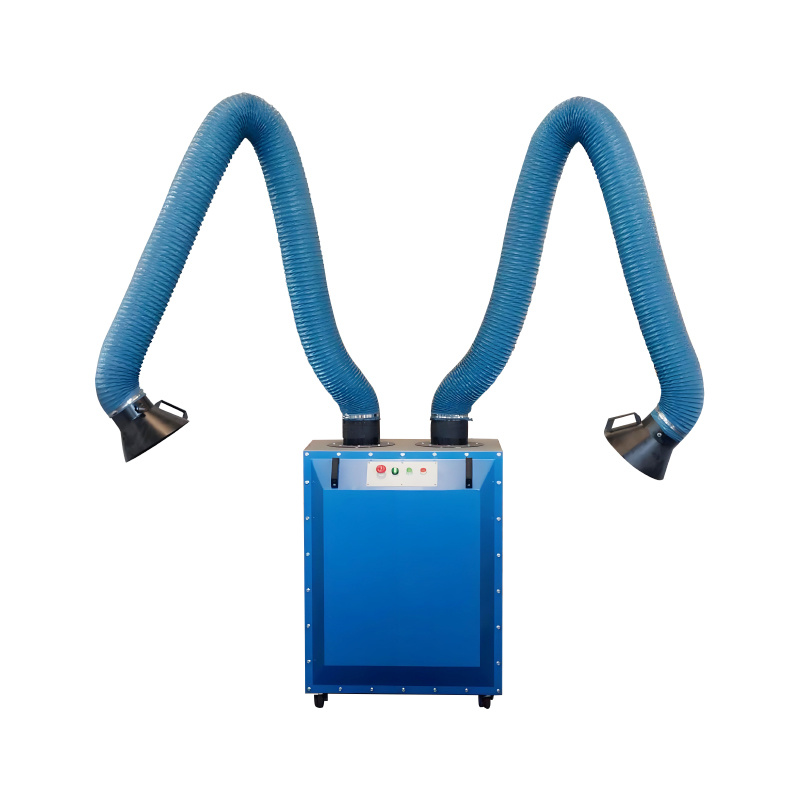
6. Local dust removal equipment (such as grinding dust removal workbench): Strong targeting, low energy consumption, suitable for local dust sources in the workshop (such as grinding, welding), suitable for industries such as mechanical processing, automotive maintenance, and hardware processing.
3、 Key considerations for selection
Based on the needs of overseas enterprises, add 4 practical precautions to avoid selection risks:
1. Prioritize compliance with environmental standards: Due to significant differences in environmental requirements across different regions overseas, it is necessary to confirm local dust emission limits in advance and select equipment that meets dust removal efficiency standards and can operate stably to avoid later rectification.
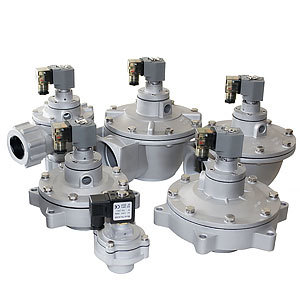
2. Balance cost and operation: Avoid blindly pursuing "high performance", choose equipment with the best cost-effectiveness based on budget, and consider the convenience of purchasing vulnerable parts (such as filter bags, pulse valves, etc.) to reduce overseas operation and maintenance costs.
3. Details of adaptation conditions: Avoid using equipment that is prone to condensation in high humidity scenarios, use anti-corrosion materials for corrosive dust, and prioritize compact models (such as filter cartridges and dust collectors) in workshops with limited space.
4. Consider system compatibility: The dust collector needs to be matched with front-end production equipment and back-end discharge pipelines to avoid operational failures caused by mismatched air volume and interface.
There is no "best option" for dust collector selection, only the "most suitable option". Overseas enterprises need to base themselves on the dust characteristics, treatment needs, and operational scenarios of their own industries, and combine environmental standards and operational capabilities to accurately match equipment types. Reasonable selection can not only achieve efficient dust control, but also reduce energy consumption and operation costs, providing guarantees for green production of enterprises.
Hot Tags:


Contact Us
Tel:
WeChat:
WhatsApp:
E-mail:
Address:
338 National Road South, Longfengdian Village, Botou City, Hebei Province, China
JiuznTomine is expertly delivering technically complicated projects in markets & provides custom solutions for their customized need.


CONTACT INFO
Tel: +86 18531710311
WeChat: +86-18531710311
338 National Road South, Longfengdian Village, Botou City, Hebei Province, China