











Reasons and prevention of long-term operational efficiency degradation of electrostatic precipitators
Feb 06,2026

Electrostatic precipitators are widely used in industrial dust control scenarios such as overseas power, metallurgy, and chemical industries due to their advantages of large air volume, low energy consumption, and adaptability to high-temperature flue gas. Its long-term stable operation is directly related to environmental emission standards and production efficiency, but in actual operation and maintenance, efficiency degradation is a common problem. This article provides a concise analysis of the core causes of attenuation, offers practical preventive measures, and focuses on technical implementation throughout the process, providing practical reference for foreign trade practitioners and on-site operation and maintenance personnel.
1、 The core reason for the long-term decline in operational efficiency
The efficiency degradation of electrostatic precipitators is not caused by a single factor, but is mainly related to the electrode plates and wires, insulation system, airflow distribution, power supply system, and operating conditions fluctuations. The core reasons are as follows:
(1) Dust accumulation and corrosion aging of polar plates and wires
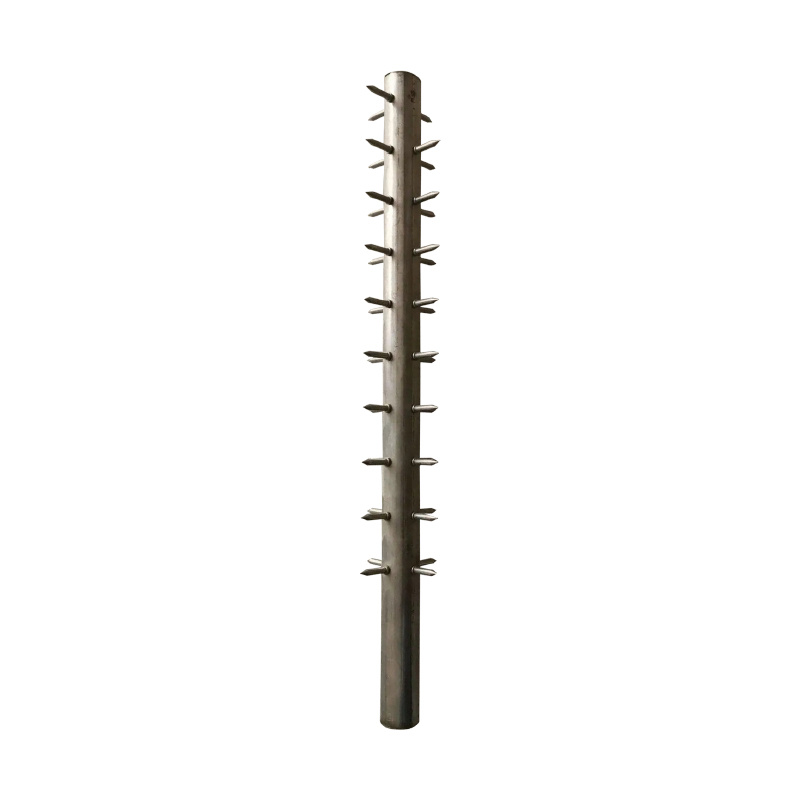
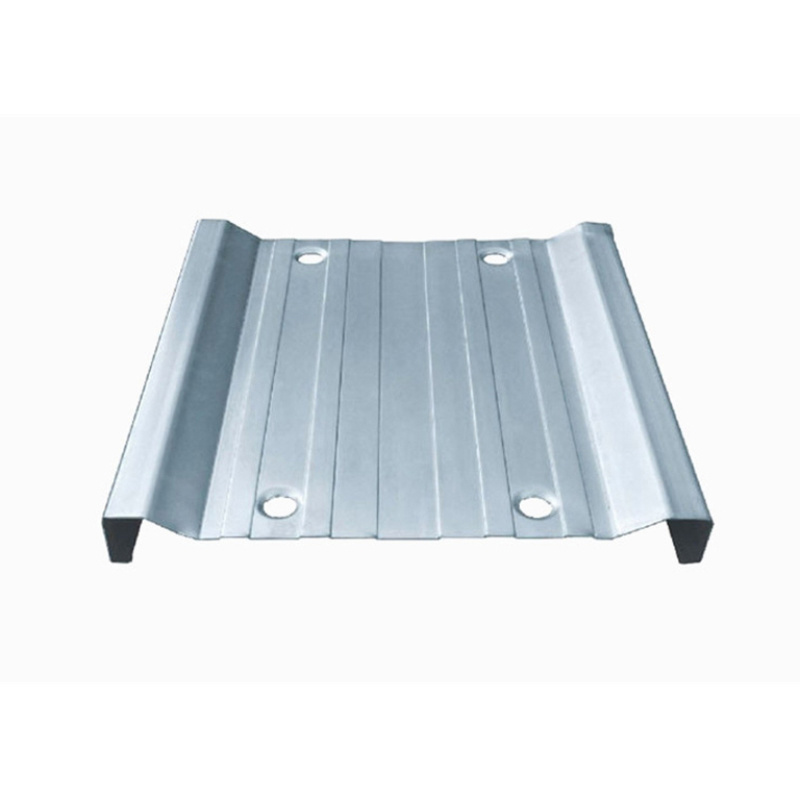
Polar plates and wires are the core components of electrostatic precipitators. During long-term operation, dust tends to agglomerate on the surface, forming a "dust accumulation layer", resulting in a decrease in electric field strength and charging efficiency, and dust cannot be effectively captured; At the same time, high temperature and corrosive flue gas can cause corrosion, deformation, and even wear of the sharp tips of the electrode plates, disrupting the uniformity of discharge and directly exacerbating efficiency degradation.
(2) Performance degradation of insulation system
Insulated components (insulators, insulation sleeves, etc.) are exposed to high temperature, high humidity, and dust environments for a long time, and their surfaces are prone to dust and oil stains, leading to a decrease in insulation resistance, leakage, and creepage phenomena, which in turn affect the stability of high-voltage power supply; If the insulation components age or are damaged, it will directly lead to the inability to establish an electric field normally, resulting in a significant decrease in efficiency.
(3) Uneven distribution of airflow
During long-term operation, dust accumulation and blockage of the airflow distribution plate, as well as deformation of the guide plate, can lead to uneven distribution of flue gas in the electric field. In some areas, the flow velocity is too fast, and the dust residence time is insufficient, making it difficult to fully charge and capture; Some areas form eddies, causing dust to fly up again, further reducing dust removal efficiency.
(4) Abnormal High Voltage Power Supply System
After long-term operation of high-voltage power supply systems (rectifiers, controllers, etc.), component aging and poor contact can lead to unstable output voltage and current, making it impossible to maintain optimal electric field strength; If the control parameters are not adjusted according to the operating conditions, "overvoltage breakdown" or "undervoltage ineffective charging" may occur, directly affecting the dust removal effect.
(5) Fluctuations in working conditions and changes in dust characteristics
In overseas industrial production, fluctuations in flue gas temperature, humidity, dust concentration, and particle size may exceed the design adaptation range of the dust collector; If the viscosity of dust increases and the specific resistance is abnormal, it will accelerate the accumulation of dust on the electrode plate and lead to the occurrence of back corona phenomenon, further exacerbating the efficiency degradation.
2、 Preventive measures for efficiency decline
The core of prevention is "regular maintenance, precise adaptation, and timely adjustment". Based on the actual overseas operation and maintenance, 5 key preventive measures are provided, which are simple and easy to implement:
(1) Standardize the maintenance of polar plates and wires
Regularly clean the accumulated dust on the electrode plates and wires, set the vibration frequency and intensity according to the characteristics of the dust, and avoid dust accumulation and agglomeration; Regularly inspect the corrosion and deformation of the electrode plates and wires, promptly replace worn burrs and severely corroded plates, and ensure uniform discharge and easy peeling of accumulated dust.
(2) Strengthen insulation system maintenance
Regularly clean the dust and oil stains on the surface of insulation components to maintain cleanliness and dryness; Regularly check the insulation resistance and promptly deal with any leakage or creepage phenomena found; Replace aged or damaged insulators and insulation sleeves to avoid insulation failure.
(3) Optimize airflow distribution
Regularly clean the dust accumulation on the airflow distribution plate and guide plate, and correct the deformed guide structure; Regularly monitor the airflow distribution within the electric field, adjust the aperture ratio of the airflow distribution plate based on the test results, and ensure that the flue gas flows uniformly through the electric field.
(4) Conduct a thorough inspection of the high-voltage power supply system
Regularly inspect high-voltage rectifiers, controllers, and other components to identify poor contact and aging issues, and promptly maintain and replace them; Dynamically adjust power supply parameters (voltage, current) according to changes in flue gas conditions, maintain optimal electric field strength, and avoid overvoltage or undervoltage operation.
(5) Adapt to fluctuations in working conditions and predict in advance
Real time monitoring of flue gas temperature, humidity, dust concentration and particle size changes, and adjustment of operating parameters in advance; Optimize the pretreatment process for corrosive and highly viscous dust to avoid efficiency degradation caused by abnormal dust characteristics; Regularly inspect equipment hazards, establish operation and maintenance records, and achieve early prediction and timely handling.
The long-term operational efficiency degradation of electrostatic precipitators is mainly caused by aging of core components, decreased system performance, and insufficient adaptation to working conditions. By standardizing regular maintenance, strengthening the maintenance of key components, and dynamically adapting to fluctuations in working conditions, efficiency degradation can be effectively delayed, ensuring long-term stable operation of equipment and meeting overseas industrial environmental emission requirements. During the operation and maintenance process, special attention should be paid to the status of the pole plates, insulation systems, and power supply systems, which can significantly reduce the probability of attenuation and improve the economic efficiency of equipment operation.
Hot Tags:


Contact Us
Tel:
WeChat:
WhatsApp:
E-mail:
Address:
338 National Road South, Longfengdian Village, Botou City, Hebei Province, China
JiuznTomine is expertly delivering technically complicated projects in markets & provides custom solutions for their customized need.


CONTACT INFO
Tel: +86 18531710311
WeChat: +86-18531710311
338 National Road South, Longfengdian Village, Botou City, Hebei Province, China