











Factors affecting the dust removal efficiency of filter cartridge dust collectors and improvement strategies
Jan 31,2026

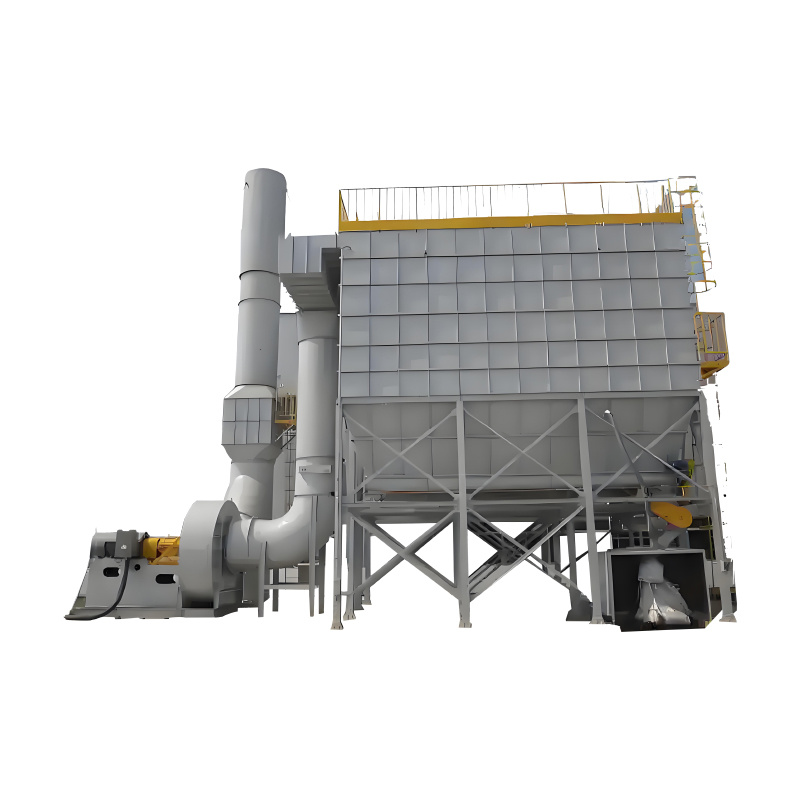
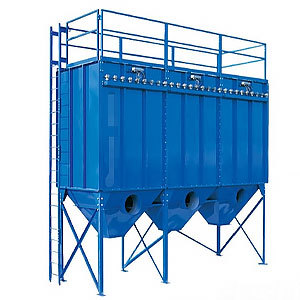
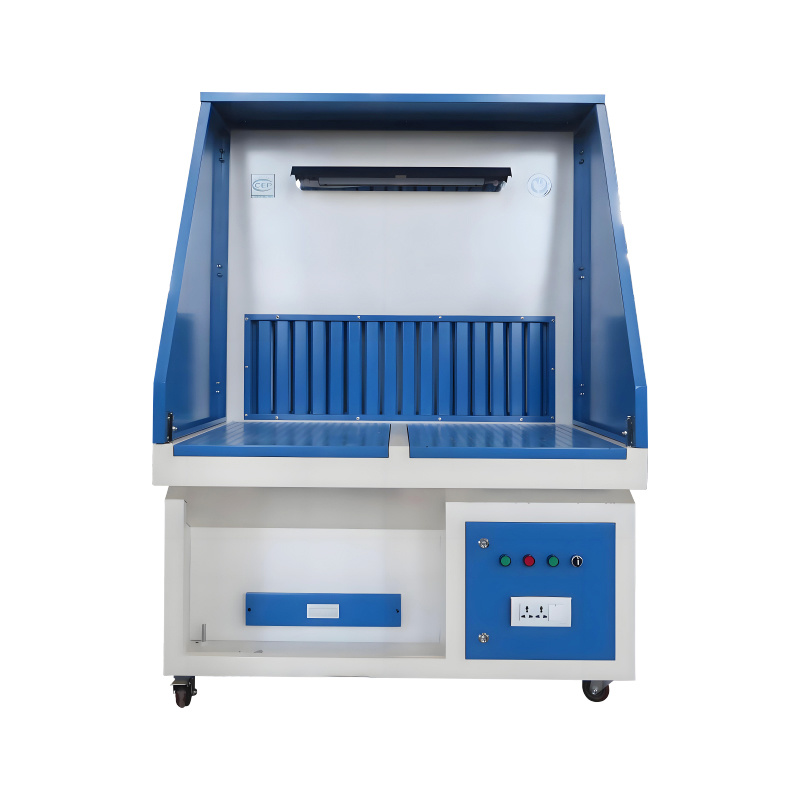
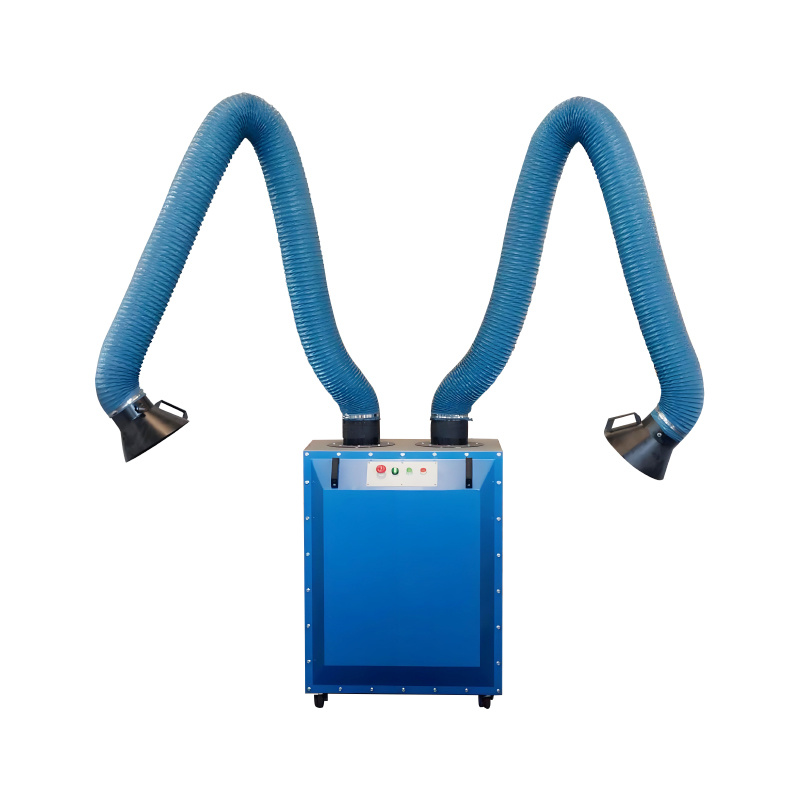
The filter cartridge dust collector, with its compact structure, high filtration accuracy, and small footprint, is widely used in various industrial dust control scenarios such as welding, polishing, mechanical processing, chemical, pharmaceutical, etc. The dust removal efficiency directly determines whether the dust emissions meet the standards, the quality of the workshop working environment, and the stability of equipment operation, which are influenced by various factors such as filter cartridge performance, equipment structure, operating conditions, and maintenance operations.
1、 The core factors affecting the dust removal efficiency of filter cartridge dust collectors
The dust removal process of a filter cartridge dust collector is essentially the process in which dust particles are intercepted and separated through the filter medium of the filter cartridge. Any link that affects this process will directly lead to fluctuations in dust removal efficiency. Based on practical experience, the core influencing factors can be divided into four categories, each of which clearly corresponds to the specific manifestations of efficiency fluctuations.
(1) Performance factors of the filter cartridge itself (the core influencing factor)
As the filtering core, the performance of the filter cartridge directly determines the upper limit of dust removal efficiency. The common influencing points are as follows:
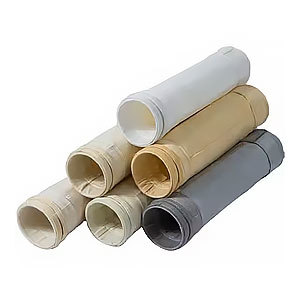
1. Filter material material and filtration accuracy: The retention ability of filter cartridges made of different materials varies significantly. For example, coated polyester filter cartridges can effectively retain submicron dust, while ordinary non-woven filter cartridges have poor retention effect on fine dust; Excessive porosity of filter materials can lead to dust penetration, while low porosity can easily cause blockage, both of which can reduce dust removal efficiency.
2. Filter cartridge specifications and installation compatibility: The diameter, length, and number of folds of the filter cartridge need to be accurately matched with the size of the dust collector chamber. If the filter cartridge is too short, has too few folds, and has insufficient filtering area, it will cause the airflow velocity to be too fast, and the dust will be discharged before it can be intercepted; If the filter cartridge is installed askew and not tightly sealed, there will be "short circuit air leakage", and unfiltered dusty airflow will be directly bypassed and discharged, resulting in a significant decrease in efficiency.
3. Aging and damage degree of filter cartridge: After long-term use, the filter material will experience wear, aging, coating peeling, and other problems, resulting in larger pores; If there are holes or open lines in the filter cartridge, the dusty airflow will directly penetrate the damaged area, and the dust removal efficiency will suddenly drop, even unable to meet environmental emission requirements.
(2) Design factors of equipment structure
The overall structural design of the filter cartridge dust collector affects the distribution of dusty airflow, dust removal efficiency, and indirectly affects the dust removal efficiency
1. Rationality of airflow distribution: Unreasonable design of the dust collector inlet and lack of internal guide devices can lead to uneven distribution of dusty airflow. Some filter cartridges are subjected to high wind speeds, resulting in increased dust penetration rate, while others are blocked due to too low wind speeds and rapid dust accumulation, leading to a decrease in overall efficiency; Meanwhile, turbulent airflow can also lead to uneven ash distribution on the surface of the filter cartridge, affecting the filtration efficiency.
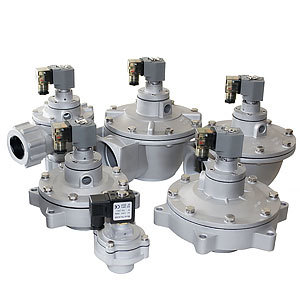
2. Dust cleaning system design: The blowing pressure, blowing cycle, and nozzle position of the dust cleaning system directly affect the dust cleaning effect. If the blowing pressure is insufficient and the blowing cycle is too long, the dust on the surface of the filter cartridge cannot be completely removed, forming a "sticky bag", increasing the filtering resistance, accelerating the airflow velocity, and decreasing the dust removal efficiency; If the blowing pressure is too high and the blowing cycle is too short, it will damage the surface filter membrane of the filter cartridge, causing damage to the filter material and wasting energy.
3. Sealing performance of the chamber: Poor sealing of parts such as the dust collector chamber, maintenance door, air inlet and outlet, and filter cartridge installation interface can lead to the infiltration of cold and clean air from the outside, or leakage of dusty airflow. This not only reduces dust removal efficiency but also affects the internal pressure balance of the equipment, exacerbating filter cartridge wear.
(3) On site operating factors
The dust characteristics and operating parameters of industrial sites are important external factors that affect dust removal efficiency and are easily overlooked
1. Dust characteristics: The particle size distribution, viscosity, humidity, and temperature of dust directly affect the filtration effect. The difficulty of intercepting fine dust (particle size ≤ 5 μ m) is high, and it is easy to penetrate the filter material; Viscous dust is easily adsorbed on the surface of the filter cartridge, making it difficult to remove and causing blockage of the filter cartridge; High humidity dust can cause the filter material to become damp and agglomerate, resulting in clogged filter pores and a sudden drop in efficiency; High temperature dust can accelerate the aging and damage of filter materials, shorten their service life, and affect their retention performance.
2. Processing air volume and wind speed: The processing air volume of the dust collector needs to match the on-site dust production. If the processing air volume is too large and the filtering air speed of the filter cartridge is too high, the dust particles will be discharged before they can be intercepted by the filter material, resulting in a decrease in dust removal efficiency; If the air volume is too low, it will not be able to discharge the dusty airflow in a timely manner, resulting in the accumulation of dust in the workshop, and at the same time, the speed of dust accumulation in the filter cartridge will increase, which is prone to blockage.
3. Imported dust concentration: If the imported dust concentration is too high and exceeds the carrying capacity of the filter cartridge, the filter cartridge will quickly accumulate dust and block, increase filtration resistance, accelerate airflow velocity, increase dust penetration rate, and significantly decrease dust removal efficiency; Long term high concentration operation will also exacerbate filter cartridge wear and shorten replacement cycles.
(4) Daily operation and maintenance factors
The standardization of daily operation and maintenance directly determines whether the filter cartridge dust collector can maintain stable dust removal efficiency for a long time. Many efficiency decline problems are caused by improper operation and maintenance:
1. Maintenance and replacement of filter cartridges: Failure to regularly check the condition of the filter cartridges, and failure to replace them in a timely manner after aging or damage; Improper operation during the replacement of the filter cartridge resulted in skewed installation and inadequate sealing; Failure to select suitable filter cartridges according to operating conditions and blindly changing filter material materials will affect dust removal efficiency.
2. Adjustment of dust cleaning parameters: Failure to adjust the dust cleaning pressure and blowing cycle according to changes in on-site working conditions resulted in poor dust cleaning effect or damage to the filter cartridge, thereby affecting dust removal efficiency.
3. Equipment cleaning and inspection: Failure to regularly clean the dust accumulation in the dust collector chamber and ash hopper can block the airflow channel and affect the distribution of airflow; Failure to regularly inspect the sealing parts, failure to replace aging or damaged seals in a timely manner, resulting in air leakage; Failure to regularly check the operation status of the fan, and failure to adjust the fan air volume and pressure in a timely manner after abnormalities, will all reduce the dust removal efficiency.
2、 Strategy for Improving Dust Removal Efficiency of Filter Cartridge Dust Collector (Targeted and Operational)
Based on the above influencing factors, targeted improvement strategies should be formulated, taking into account practicality and economy, without the need for large-scale equipment renovation. The focus should be on the four core aspects of "selecting the right filter cartridge, optimizing structure, adapting to working conditions, and standardizing operation and maintenance" to ensure that the strategy can be implemented and effective.
(1) Optimize the selection and installation of filter cartridges to strengthen the filtration core
1. Precise selection of filter cartridges: Based on the on-site dust characteristics (particle size, viscosity, humidity, temperature) and imported dust concentration, select the appropriate filter cartridge material and specifications. For fine dust and high demand scenarios, membrane filter cartridges are preferred to enhance the ability to retain fine dust; Choose waterproof and oil proof coated filter cartridges for high humidity and viscous dust to reduce filter cartridge blockage; Choose high-temperature resistant filter cartridges for high temperature conditions to avoid aging and damage of filter materials; At the same time, according to the size of the dust collector chamber, select filter cartridges that match the diameter, length, and number of folds to ensure sufficient filtration area.
2. Standardized installation operation: Before installing the filter cartridge, clean the dust and debris on the installation interface and flower plate surface of the filter cartridge, and check whether the sealing surface is flat; During installation, ensure that the filter cartridge is inserted vertically into the installation hole and tightly adheres to the sealing surface of the flower plate. Tighten the pressure ring bolt evenly to avoid tilting or loosening of the filter cartridge; After installation, check the installation quality of the filter cartridges one by one to eliminate the risk of air leakage.
3. Regular replacement of filter cartridges: Establish a filter cartridge replacement ledger, regularly check the status of filter cartridges based on their service life and operating conditions, and replace them in a timely manner if they are found to be aged, damaged, or clogged and cannot be cleaned; The replaced old filter cartridge should be disposed of according to industrial waste standards to avoid dust leakage.
(2) Optimize equipment structure design to enhance operational rationality
1. Optimize airflow distribution: If the airflow distribution of the equipment is uneven, a guide plate can be added at the inlet of the dust collector to reasonably divide the internal airflow channels of the chamber, ensuring that the dusty airflow flows evenly through each filter cartridge and avoiding local wind speeds that are too high or too low; At the same time, clean the obstacles inside the cavity to ensure smooth airflow and reduce airflow turbulence.
2. Debugging the parameters of the dust cleaning system: Based on the on-site working conditions, determine the optimal dust cleaning parameters through practical debugging. In general, the blowing pressure is controlled at 0.3-0.5MPa, and the blowing cycle is controlled at 30-60s. Adjust the position of the blowing nozzle to ensure that the blowing airflow is accurately aligned with the top of the filter cartridge, thereby improving the cleaning effect; Regularly inspect the spray pipe and spray nozzle, clean blocked spray nozzles, replace damaged spray pipes, and ensure the normal operation of the dust cleaning system.
3. Strengthen sealing performance: Regularly inspect the sealing parts such as the dust collector chamber, maintenance door, air inlet and outlet, and filter cartridge installation interface, and replace aging or damaged sealing gaskets and rings; After the maintenance door is closed, ensure that the locking device is secure and prevent air leakage; If the cavity is damaged or deformed, it should be repaired in a timely manner to avoid leakage of dusty airflow.
(3) Adapt to on-site working conditions and reduce the impact of external factors
1. Pre treatment of dust conditions: For high humidity, high viscosity, and high concentration dust, a pre-treatment device is added at the inlet of the dust collector. Dehydration devices can be installed to reduce the humidity of high humidity dust; High viscosity dust can be treated with pre-treatment spray devices to reduce dust viscosity; For high concentration dust, a cyclone dust collector can be added as a pre-treatment to first intercept coarse particle dust, reduce the concentration of imported dust, and alleviate the load on the filter cartridge.
2. Matching processing air volume and wind speed: Adjust the dust collector processing air volume based on the on-site dust production and workshop volume to ensure that the processing air volume matches the dust production; Control the filtering air speed of the filter cartridge. Generally, the filtering air speed is controlled between 0.6-1.2m/min. In fine dust scenarios, the air speed can be appropriately reduced to improve the interception effect; Regularly check the operation status of the fan, adjust the fan speed, and ensure stable air volume and pressure.
3. Control operating condition parameters: Avoid the dust collector operating under conditions that exceed the temperature and humidity tolerance of the filter cartridge. If there are significant fluctuations in dust temperature and humidity on site, temperature control and dehumidification devices can be added; Regularly monitor the concentration of imported dust. If the concentration is too high, adjust the operating parameters of on-site dust generating equipment in a timely manner to reduce the amount of dust generated, or add pre-treatment devices.
(4) Standardize daily operation and maintenance to ensure long-term stable efficiency
1. Establish a regular inspection mechanism: conduct daily inspections of the operation status of the dust collector, monitor the inlet and outlet pressure difference, air volume, air pressure, and the operation of the dust cleaning system, and record operating parameters; Check the surface ash condition of the filter cartridge, whether there is air leakage in the sealing part, and the accumulation of ash in the ash hopper every week, and clean up the ash accumulation in the ash hopper in a timely manner; Check the status of the filter cartridge, injection system components, and fan operation every month, and promptly address any issues found.
2. Optimize the adjustment of cleaning parameters: Based on the operating parameters recorded in the inspection, adjust the cleaning pressure and blowing cycle in a timely manner to ensure the cleaning effect; If the dust characteristics change, adjust the cleaning parameters synchronously to avoid insufficient or excessive cleaning.
3. Strengthen equipment cleaning and maintenance: Regularly clean the dust collector chamber, flower plate, spray pipe, and spray nozzle surface of accumulated dust and debris to avoid dust blocking the airflow channel; Regularly clean the fan impeller, check the lubrication condition of the fan, and ensure stable operation of the fan; Regularly inspect seals, replace aging or damaged seals in a timely manner, and eliminate potential air leakage hazards.
3、 Troubleshooting and emergency response for common efficiency decline issues
During on-site operation, if it is found that the dust removal efficiency of the filter cartridge dust collector has decreased (such as an increase in workshop dust, excessive dust concentration at the discharge outlet, or abnormal pressure difference at the inlet and outlet), the following process can be followed to quickly investigate and handle the problem in a timely manner to avoid the problem from escalating:
1. Investigation 1: Sudden increase in dust concentration at the emission outlet accompanied by abnormal air leakage - priority should be given to checking whether the filter cartridge is damaged, whether the installation is loose, and whether the sealing part is leaking air; Solution: Replace the damaged filter cartridge, tighten the pressure ring bolts of the filter cartridge again, replace the aging seals, and repair the sealing parts.
2. Investigation 2: The pressure difference between the inlet and outlet continues to rise, the air volume decreases, and the dust removal efficiency decreases - priority should be given to checking whether the filter cartridge is blocked and whether the dust cleaning system is normal; Solution: Adjust the cleaning parameters and clean the surface area of the filter cartridge. If the filter cartridge is severely clogged and cannot be cleaned, replace it in a timely manner.
3. Investigation 3: Unstable dust removal efficiency, fluctuating at high and low times - prioritize checking whether the airflow distribution is uneven, whether the processing air volume matches, and whether the dust working conditions fluctuate; Solution: Adjust the air volume of the fan, optimize the airflow distribution, install a dust pretreatment device, and stabilize the on-site operating parameters.
4. Investigation 4: After long-term operation, the efficiency slowly decreases - prioritize checking whether the filter cartridge is aging and whether the dust cleaning effect has deteriorated; Solution: Replace the aging filter cartridge, adjust the parameters of the dust cleaning system, and strengthen equipment cleaning and maintenance.
The improvement of dust removal efficiency of filter cartridge dust collectors is not the optimization of a single link, but the comprehensive control of the four core links of "filter cartridge performance, equipment structure, working conditions, and daily operation and maintenance". In practice, there is no need to pursue complex renovation plans. The key is to accurately match the filter cartridge with the working conditions, optimize equipment operating parameters, and standardize daily operation and maintenance operations, which can effectively solve the problem of decreased dust removal efficiency, ensure the long-term stable filtration effect of the equipment, and meet the requirements of industrial dust treatment and environmental emissions. At the same time, it is necessary to flexibly adjust the improvement strategy based on the actual working conditions on site, regularly summarize the operating experience, and promptly identify potential problems in order to maximize the advantages of the filter cartridge dust collector, extend the service life of the equipment, and reduce operation and maintenance costs.
Hot Tags:

Contact Us
Tel:
WeChat:
WhatsApp:
E-mail:
Address:
338 National Road South, Longfengdian Village, Botou City, Hebei Province, China
JiuznTomine is expertly delivering technically complicated projects in markets & provides custom solutions for their customized need.


CONTACT INFO
Tel: +86 18531710311
WeChat: +86-18531710311
338 National Road South, Longfengdian Village, Botou City, Hebei Province, China