











Energy consumption optimization and efficiency balance techniques for electrostatic precipitators
Jan 30,2026

Electrostatic precipitators are widely used in industrial fields such as power plants, steel, metallurgy, and chemical industry due to their advantages of large processing capacity, high dust removal efficiency, and wide adaptability to working conditions. However, the energy consumption during its operation is relatively high, mainly concentrated in the high-voltage power supply system, fan operation, and auxiliary equipment operation. How to scientifically optimize energy consumption and achieve dynamic balance between efficiency and energy consumption while ensuring dust removal efficiency meets standards and environmental protection requirements is the core requirement in industrial operation and maintenance.
1、 Pre investigation of energy consumption and efficiency balance (basic premise)
Before optimization, a comprehensive investigation should be completed to identify the core causes of high energy consumption and the current shortcomings in dust removal efficiency, in order to avoid blind optimization leading to efficiency decline or energy waste, and lay the foundation for subsequent optimization work.
(1) Key points of energy consumption investigation
1. High voltage power supply system: Detect the load rate and no-load loss of the high-voltage rectifier transformer, check whether the supply voltage and current are within a reasonable range, whether there are overvoltage and overcurrent phenomena, and determine whether the rectifier device has abnormal energy consumption loss.
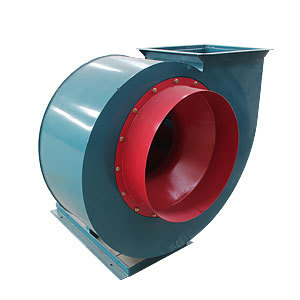
2. Fan system: Check the operating speed, air pressure, and air volume of the fan, investigate the dust accumulation and wear of the fan impeller, detect the load rate of the fan motor and the operating status of the frequency converter, and determine whether there is energy waste caused by the "big horse pulling small car" of the fan.
3. Auxiliary system: Check the operating frequency and duration of the dust cleaning system (vibration, spraying), the operating status of the electrode heating device, and determine whether there is an increase in energy consumption caused by excessive operation of the auxiliary equipment.
4. Equipment sealing: Check the sealing condition of the dust collector housing, inlet and outlet flues, and maintenance doors, and investigate the air leakage rate. Excessive air leakage can cause an increase in fan load, energy consumption, and dust removal efficiency.
(2) Key points of efficiency investigation
1. Dust removal efficiency detection: Based on the on-site working conditions, detect the dust concentration at the inlet and outlet of the dust collector, confirm whether the current efficiency meets local environmental standards and production needs, and identify the key factors causing efficiency decline.
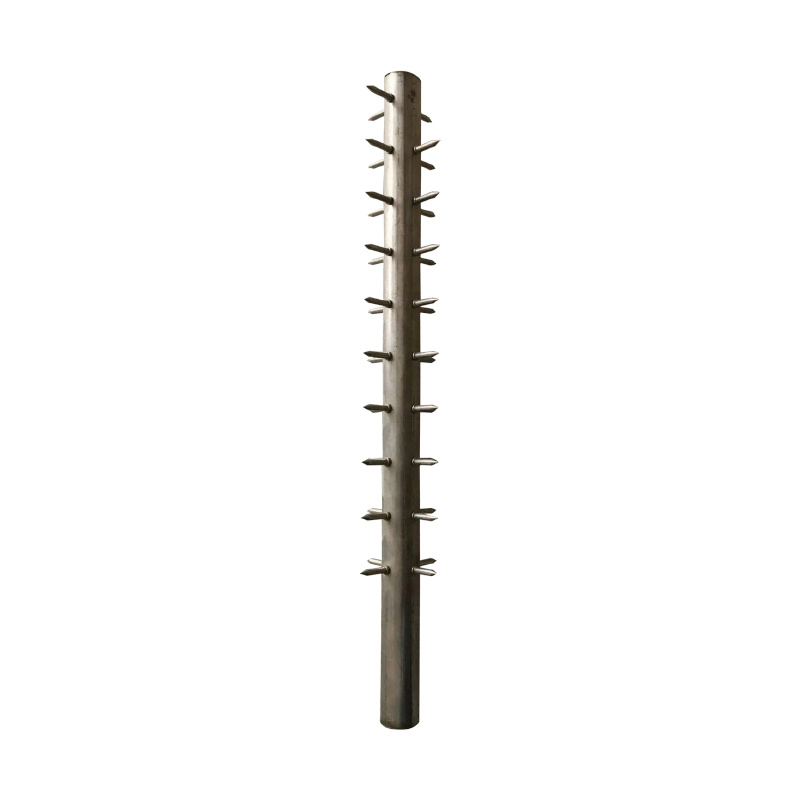
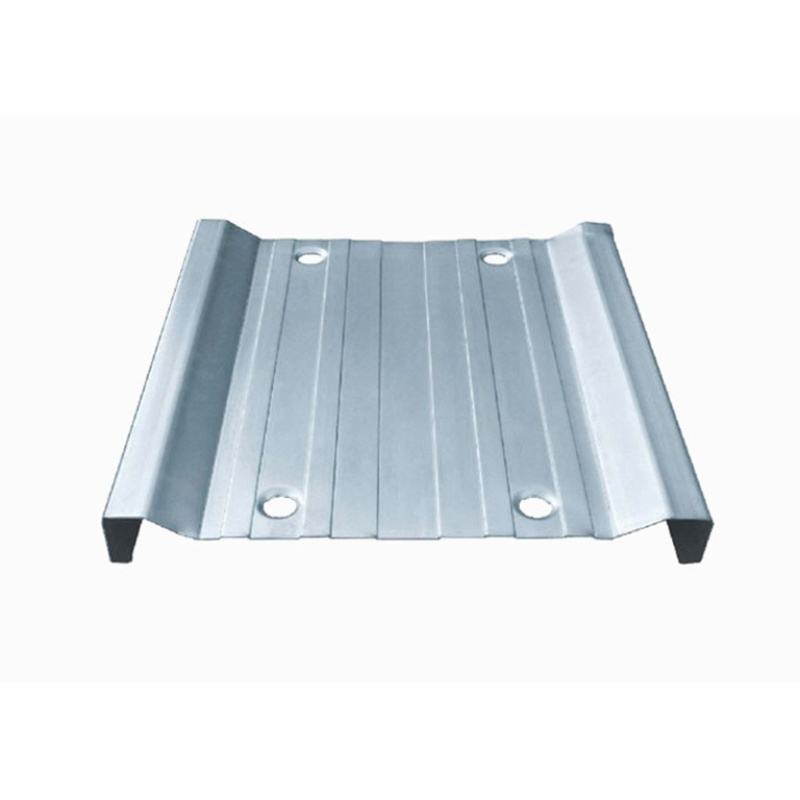
2. Electrode status: Check the integrity of the cathode burrs, whether there is wear, breakage, or deformation, investigate the dust accumulation and flatness of the anode plate, and determine whether there is corrosion or condensation causing efficiency decline in the electrode.
3. Smoke parameters: Detect the temperature, humidity, and specific resistance of the smoke entering the dust collector, and check whether the smoke parameters deviate from the equipment design range, which may lead to efficiency fluctuations or increased energy consumption.
2、 Practical tips for optimizing core energy consumption (under the premise of no efficiency loss)
The core of energy optimization is "precise consumption reduction and elimination of waste", focusing on the three core energy consumption modules of high-voltage power supply, fan, and dust cleaning, dynamically adjusting according to working conditions, without affecting dust removal efficiency and stable equipment operation.
(1) Energy consumption optimization of high-voltage power supply system (core consumption reduction module)
1. Dynamic parameter adjustment: Based on changes in smoke dust concentration and specific resistance, dynamically adjust the voltage and current parameters of the high-voltage power supply to avoid long-term operation at rated high voltage. When the dust concentration is low and the specific resistance is moderate, reducing the power supply voltage appropriately can reduce the energy consumption of the transformer and avoid energy waste caused by excessive corona discharge; When the dust concentration is high and the specific resistance is high, moderately increase the voltage to ensure dust removal efficiency and avoid secondary energy loss caused by efficiency decline.
2. Optimization of rectifier device: If the equipment is equipped with an old-fashioned rectifier device, it can be replaced with an efficient and energy-saving high-voltage rectifier. Its no-load loss and load loss are lower than traditional rectifiers, which can reduce the energy consumption of the power supply system by 10% -20%; Regularly clean and maintain the rectification device, check for poor contact and aging of components, and avoid abnormal energy consumption caused by equipment failure.
3. Partition power supply control: For large electrostatic precipitators, a partition power supply mode is adopted, and power supply parameters are adjusted according to the differences in dust concentration in each partition. For areas with lower dust concentration, the power supply load is appropriately reduced to achieve "on-demand power supply" and reduce overall energy consumption.
(2) Energy consumption optimization of fan system (secondary consumption reduction module)
1. Frequency conversion transformation and parameter adjustment: Perform frequency conversion transformation on the fan motor, dynamically adjust the fan speed according to changes in the inlet and outlet air pressure and flue gas treatment capacity of the dust collector, and avoid the fan running at rated speed for a long time. When the amount of smoke decreases and the air pressure decreases, reducing the fan speed can significantly reduce the energy consumption of the fan; At the same time, optimize the layout of the inlet and outlet pipelines of the fan, clean up the accumulated dust in the pipelines, reduce wind resistance, and further reduce the load on the fan.
2. Fan maintenance optimization: Regularly clean the dust and debris inside the fan impeller and casing to avoid dynamic balance imbalance caused by uneven dust accumulation on the impeller, reduce fan operating resistance and energy consumption; Check the wear of the fan bearings and seals, add lubricating grease in a timely manner, replace damaged parts, ensure smooth operation of the fan, and reduce mechanical losses.
(3) Auxiliary system energy consumption optimization (detailed consumption reduction module)
1. Optimization of cleaning system: dynamically adjust the cleaning cycle and cleaning intensity according to the electrode dust accumulation situation to avoid excessive or insufficient cleaning. Priority should be given to using pulse cleaning instead of traditional vibration cleaning. Pulse cleaning has lower energy consumption and more accurate cleaning effect. The spraying time and interval can be automatically adjusted according to the thickness of the accumulated dust.
2. Heating device control: For electrode heating devices under low-temperature conditions, an intelligent temperature control mode is adopted. When the flue gas temperature is higher than the dew point temperature, the heating device will be automatically turned off; When the temperature is below the dew point temperature, turn it on moderately to avoid long-term continuous operation of the heating device and reduce electricity consumption; At the same time, strengthen the insulation design of dust collectors, reduce heat loss, and lower the load on heating devices.
3、 Balance method between dust removal efficiency and energy consumption (core key)
The premise of energy consumption optimization is to ensure that the dust removal efficiency meets the standard and avoid "reducing efficiency for the sake of consumption reduction". It is necessary to achieve the best balance between the two through dynamic regulation and working condition adaptation, taking into account environmental compliance and energy conservation and consumption reduction.
(1) Dynamically adjust parameters according to working conditions
1. Response to fluctuations in flue gas parameters: When the concentration of flue gas dust suddenly increases, moderately increase the high-voltage power supply voltage, shorten the cleaning cycle, and ensure that the dust removal efficiency does not decrease; When the dust concentration drops, timely reduce the voltage, extend the cleaning cycle, and reduce energy consumption; When the specific resistance of flue gas is high, the specific resistance of dust can be reduced by means of spray humidification, adding conditioner, etc., to avoid the increase of energy consumption due to the rise of voltage, while ensuring efficiency.
2. Production load adaptation: Adjust the operating parameters of the electrostatic precipitator based on the operating load of the production equipment. When the production load is high and the flue gas treatment capacity is large, maintain normal power supply parameters and fan speed to ensure efficiency; When the production load is low and the amount of flue gas decreases, reduce the power supply load, adjust the fan speed, reduce energy consumption, and ensure that the dust concentration at the outlet meets the standard.
(2) Optimize the adaptability of equipment structure
1. Electrode structure optimization: Replace aged and damaged barbed wires and anode plates to ensure the corona discharge effect of the barbed wires, improve the electric field strength, and ensure dust removal efficiency while reducing the power supply voltage; Reasonably adjust the electrode spacing to avoid insufficient electric field strength and efficiency due to excessive spacing, or corona blockage and increased energy consumption due to insufficient spacing.
2. Optimization of airflow distribution: Check the airflow distribution plate inside the dust collector, clean up accumulated dust and debris, ensure uniform airflow distribution, avoid rapid airflow causing dust escape (decreased efficiency), or slow airflow causing excessive dust accumulation (increased energy consumption). Through airflow optimization, achieve a balance between efficiency and energy consumption.
(3) Establish an energy consumption and efficiency monitoring mechanism
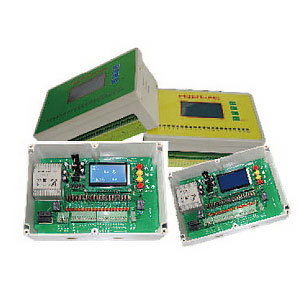
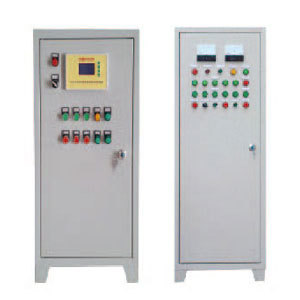
Install intelligent monitoring equipment to monitor the energy consumption of the high-voltage power supply system, fans, and auxiliary equipment in real time. At the same time, monitor the dust concentration and flue gas parameters at the inlet and outlet of the dust collector, and establish a correlation ledger between energy consumption and efficiency. Through data analysis, find the optimal balance point between energy consumption and efficiency, determine the optimal operating parameters under different working conditions, form a standardized operation and maintenance process, and avoid blind adjustments.
4、 Practical precautions (safety and stability prerequisites)
1. Priority of safe operation: all optimization operations shall be carried out after the equipment is shut down and powered off. It is strictly prohibited to adjust high-voltage power supply parameters and disassemble electrode parts during equipment operation; Wear protective equipment such as insulated gloves and safety helmets during homework to avoid safety accidents such as high-voltage electric shock and mechanical injury.
2. Avoid excessive optimization: Energy consumption optimization should be carried out gradually, and the power supply voltage, fan speed, or dust cleaning cycle should not be significantly reduced at once. It should be adjusted gradually, and the dust removal efficiency should be monitored in real time to ensure that the export dust concentration meets local environmental standards and avoid exceeding environmental standards due to excessive optimization.
3. Equipment specification adaptation: All optimization measures should be combined with the model and design parameters of the electrostatic precipitator to avoid blind modification and prevent unstable operation of the equipment after modification, which may increase energy consumption or reduce efficiency.
4. Regular maintenance guarantee: After optimizing energy consumption, it is necessary to strengthen daily inspections and regular maintenance of equipment, timely clean up electrode dust accumulation, investigate component aging problems, ensure long-term stability of optimization effects, and avoid energy consumption rebound and efficiency decline due to improper maintenance.
5. Compliance verification: During the optimization process, it is necessary to pay full attention to local environmental standards to ensure that the dust removal efficiency always meets the standards, and not violate environmental regulations due to energy conservation and consumption reduction, in order to avoid the risk of environmental penalties.
5、 Common optimization misconceptions and troubleshooting methods
Misconception 1: Simply reducing the power supply voltage can lead to a significant decrease in dust removal efficiency. Troubleshooting: Real time monitoring of import and export dust concentration. If the efficiency decreases by more than 5%, the power supply voltage needs to be moderately increased and adjusted to the balance point between efficiency and energy consumption; At the same time, check the status of electrode dust accumulation and burrs to avoid efficiency decline caused by equipment failure.
Misconception 2: Excessive extension of the cleaning cycle can lead to excessive electrode dust accumulation, increased wind resistance, and an increase in energy consumption. Troubleshooting: Check the wind pressure and current of the fan. If the wind pressure and current increase, it indicates excessive electrode dust accumulation. It is necessary to shorten the cleaning cycle, clean the dust accumulation, and reduce the fan load.
Misconception 3: The fan frequency conversion speed is too low, which leads to poor exhaust of smoke, accumulation of dust, decreased efficiency, and rebound in energy consumption. Troubleshooting: Check the pressure difference between the inlet and outlet of the dust collector. If the pressure difference exceeds the design value, increase the fan speed to ensure smooth flue gas circulation, and adjust the power supply parameters to ensure efficiency.
Misconception 4: Neglecting equipment sealing can lead to increased energy consumption and decreased efficiency due to air leakage. Troubleshooting: Check the air leakage rate of the dust collector. If the air leakage rate exceeds 3%, repair the sealing surface, replace the sealing gasket, reduce air leakage, lower the fan load, and improve dust removal efficiency.
The core of energy optimization and efficiency balance for electrostatic precipitators is "precise adaptation, dynamic regulation, and detailed control". It not only requires scientific optimization of high-voltage power supply, fans, and auxiliary systems to reduce unnecessary energy waste, but also ensures that dust removal efficiency meets standards through working condition adaptation and equipment maintenance, achieving the dual goals of environmental compliance and energy conservation and consumption reduction. In the practical process, it is necessary to flexibly adjust and optimize measures based on equipment specifications, local environmental standards overseas, and specific industrial conditions, establish a sound monitoring and maintenance mechanism, avoid falling into optimization misconceptions, ensure long-term stable operation of equipment, and minimize operating costs, providing efficient, energy-saving, and compliant dust removal solutions for industrial production.
Hot Tags:


Contact Us
Tel:
WeChat:
WhatsApp:
E-mail:
Address:
338 National Road South, Longfengdian Village, Botou City, Hebei Province, China
JiuznTomine is expertly delivering technically complicated projects in markets & provides custom solutions for their customized need.


CONTACT INFO
Tel: +86 18531710311
WeChat: +86-18531710311
338 National Road South, Longfengdian Village, Botou City, Hebei Province, China