











Selection of filter cartridge dust collector: Guide to selecting filter materials and precision
Jan 21,2026

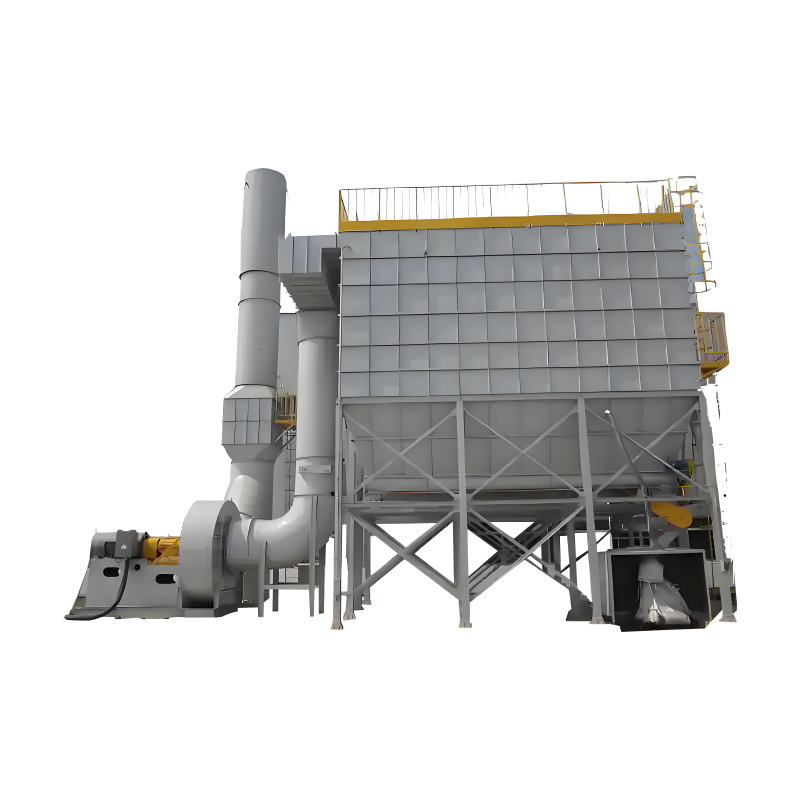
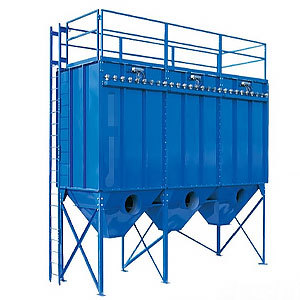
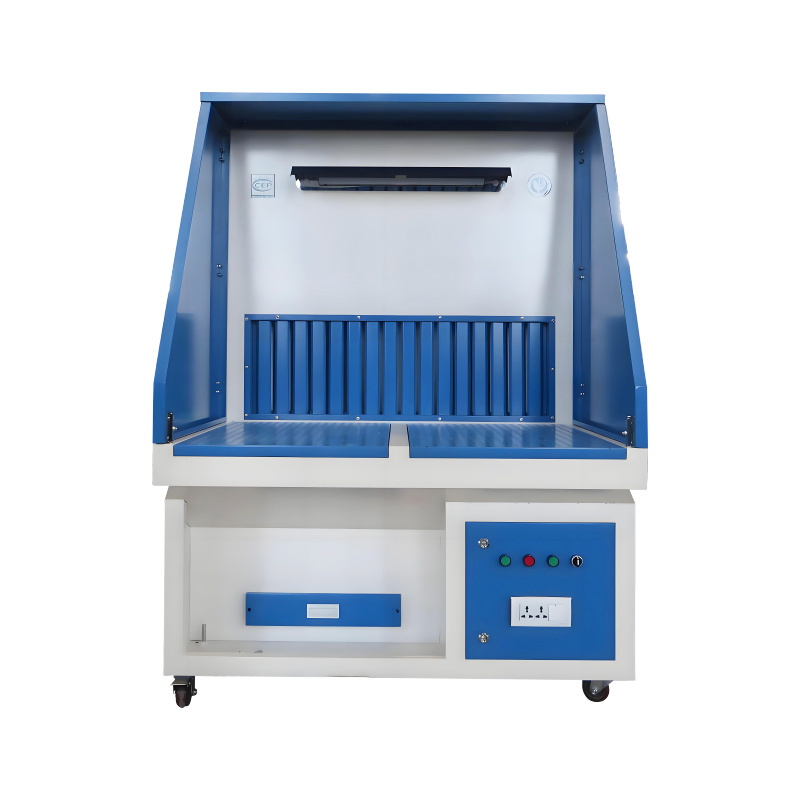
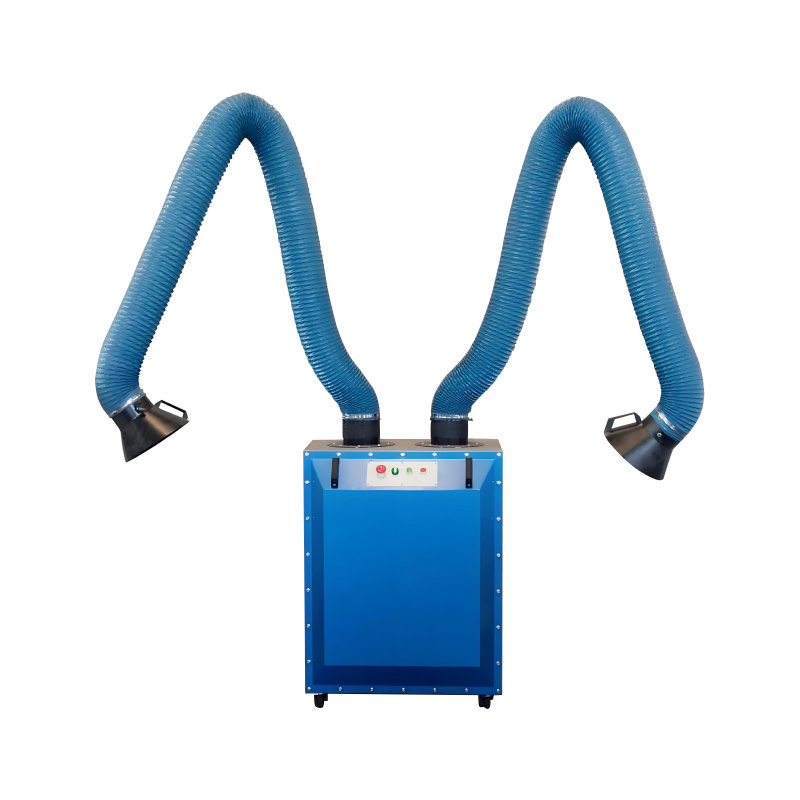
The filter cartridge dust collector is widely used in industrial scenarios such as welding, mechanical processing, chemical engineering, and pharmaceuticals due to its compact structure, high filtration efficiency, and convenient operation and maintenance. The scientificity of selection directly determines equipment adaptability, operating costs, and dust removal efficiency, among which filter material material and filtration accuracy are the core decision-making factors.
1、 Selection of filter material: Adapting to working conditions is the core principle
As the core filtering component of the filter cartridge dust collector, the material of the filter directly affects its temperature resistance, corrosion resistance, filtration efficiency, and service life. Targeted selection should be made based on key parameters such as temperature, dust corrosiveness, humidity, etc. in the working conditions. Common filter materials and adaptation scenarios are as follows:
(1) Polyester (PE) filter material
Polyester filter material is the most widely used basic filter material in industry, with good wear resistance, flexibility, and chemical stability. Its temperature resistance range is -20 ℃ to 130 ℃, and it can withstand weak acids, weak bases, and general organic solvents. The adaptation scenarios include normal temperature drying conditions, such as non corrosive dust generated by wood processing, grain processing, and mechanical polishing. Its advantages lie in high cost-effectiveness, easy dust cleaning, and suitability for cost sensitive and simple working conditions scenarios; The limitation is that it is not resistant to high temperatures and strongly corrosive media, and is prone to softening and deformation under high temperature conditions, which affects the filtration effect.
(2) Polypropylene (PP) filter material
Polypropylene filter material has excellent chemical corrosion resistance, can withstand strong acids, strong alkalis, and most organic solvents, with a temperature range of -20 ° C to 90 ° C, and outstanding hydrophobic properties, making it difficult to absorb water and condense. Adaptation scenarios include humid environments and corrosive dust conditions, such as acid and alkali dust treatment in the chemical industry, dust collection in electroplating workshops, and dust control in food processing with high moisture content. It should be noted that polypropylene filter material has weak high temperature resistance and is prone to thermal shrinkage above 90 ℃. Its wear resistance is slightly inferior to polyester and is not suitable for high abrasion dust scenarios.
(3) Polytetrafluoroethylene (PTFE) filter material
PTFE filter material belongs to high-end filter materials, with ultimate chemical stability, able to withstand strong acids, strong alkalis, strong oxidants, and various organic solvents, with a temperature range of -20 ℃ to 260 ℃. At the same time, it has non stick, hydrophobic, and oil repellent properties, and is not easy to stick or block bags. The adaptation scenarios include high temperature, strong corrosion, and viscous dust conditions, such as asphalt mixing, chemical reaction kettle dust, and welding fume (oil containing) treatment. Its limitations include high cost, poor flexibility, and the need to avoid folding and damage during installation. It is suitable for complex working conditions that require extremely high filtration stability and lifespan.
(4) Glass Fiber filter material
Fiberglass filter material has excellent high temperature resistance, with a temperature range of 260 ℃ to 300 ℃. It has good tensile strength and dimensional stability, strong chemical stability, and can withstand most acidic media. The adaptation scenarios include high-temperature dry dust conditions, such as metallurgy, casting, and high-temperature dust treatment at the tail of boilers. It should be noted that fiberglass filter materials have poor flexibility and are prone to brittle cracking. When cleaning dust, it is necessary to control the force to avoid damage to the filter material, and they are not resistant to strong alkalis and fluorides, making them unsuitable for alkaline dust scenarios.
(5) Composite filter material
To adapt to complex working conditions, composite filter materials such as polyester film and fiberglass film can be used. Coating treatment can improve the surface filtration performance of filter materials, reduce dust infiltration, achieve easy dust cleaning effect, while retaining the temperature and corrosion resistance characteristics of the substrate. Adaptation scenarios include high concentration, fine particle, and viscous dust conditions, such as pharmaceutical powders, electronic component dust, welding fumes, etc., balancing filtration efficiency and service life.
2、 Filtering accuracy selection: balancing efficiency and operating costs
The filtration accuracy refers to the ability of the filter material to intercept specific particle size dust, usually in micrometers (μ m). The selection of accuracy should take into account dust emission requirements, dust characteristics, and equipment operating resistance, to avoid blindly pursuing high accuracy and resulting in increased operating costs.
(1) Precision grading and adaptation scenarios
The filtration accuracy of the filter cartridge dust collector is generally divided into three levels, and different accuracies correspond to different application requirements:
1. Coarse efficiency filtration (10 μ m-20 μ m): mainly used for dust pretreatment or in scenarios with low emission requirements, such as mining and building materials industries for coarse particle dust control. It can intercept large particle dust, protect subsequent equipment or reduce energy consumption. Its advantages lie in low resistance, large dust holding capacity, long service life, and suitability for high concentration coarse particle dust working conditions.
2. Medium efficiency filtration (1 μ m-10 μ m): Suitable for most general industrial scenarios, such as mechanical processing, wood polishing, grain processing, etc., it can effectively intercept fine particulate dust and meet conventional environmental emission requirements (usually below 10mg/m ³). It is the mainstream choice that balances filtering effectiveness and operating costs, with the widest range of applications.
3. Efficient filtration (0.1 μ m-1 μ m): Suitable for scenarios with strict emission requirements and extremely fine dust particle size, such as pharmaceuticals, electronics, fine chemicals, food processing and other industries, it can achieve ultra-low emissions (usually below 5mg/m ³). High quality filter materials are required, but this can lead to increased equipment resistance, increased dust cleaning frequency, relatively short filter material lifespan, and higher operating costs.
(2) Core considerations for precision selection
1. Dust emission standards: Local environmental regulations and industry standards must be strictly followed. For example, in some regions of Europe and America, industrial dust emissions are required to be below 5mg/m ³, and high-efficiency filtration accuracy must be selected; If the emission requirement for conventional industrial scenarios is 10mg/m ³ -20mg/m ³, medium efficiency filtration can meet it.
2. Dust characteristics: Fine particulate dust (particle size<5 μ m) easily penetrates the filter material and requires high precision selection; Adhesive dust needs to be matched with film filter materials to avoid bag blockage caused by high precision; It is recommended to pre treat high concentration dust before selecting medium or high-efficiency filter materials to extend their lifespan.
3. Operating resistance and energy consumption: The higher the filtration accuracy, the smaller the aperture of the filter material, the greater the airflow resistance, the higher the energy consumption of the fan, and the higher the frequency of dust cleaning, which can easily exacerbate the wear of the filter material. On the premise of meeting emission requirements, the most cost-effective accuracy level should be selected to avoid excessive design.
3、 Additional considerations for selection
1. Comprehensive evaluation of working conditions: In addition to filter materials and accuracy, comprehensive selection should be based on parameters such as dust concentration, humidity, temperature, and corrosiveness. For high temperature and high humidity conditions, PTFE or fiberglass filter materials should be preferred, and equipment insulation should be done well to avoid condensation and bag sticking; For high wear dust conditions, choose polyester filter materials with strong wear resistance and reduce the filtration accuracy appropriately to extend the service life.
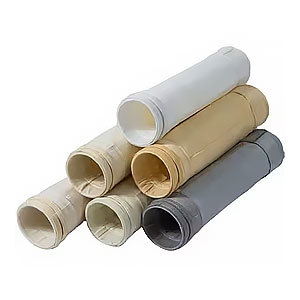
2. Structural adaptation of filter cartridge: The material and accuracy of the filter cartridge need to match the structure of the filter cartridge. For example, if a foldable filter cartridge is suitable for medium to high efficiency filtration, it is necessary to use filter materials with good toughness and resistance to damage; Cylindrical filter cartridges are suitable for coarse to medium efficiency filtration, and polyester filter materials with large dust holding capacity can be selected.
3. Maintenance convenience: Different filter materials have different maintenance requirements. For example, polypropylene filter materials cannot be cleaned at high temperatures, while PTFE filter materials can be chemically cleaned and regenerated. When selecting, it is necessary to consider the on-site maintenance conditions and choose filter material types that are easy to maintain and have easily accessible accessories.
4. Life expectancy and cost control: The lifespan of filter materials directly affects operating costs. It is necessary to estimate the replacement cycle of filter materials based on operating conditions, compare the unit price, lifespan, and energy consumption of different filter materials, and calculate the comprehensive cost, rather than just focusing on the purchase price of filter materials.
The selection of filter material and filtration accuracy for filter cartridge dust collectors is centered on achieving a balance between adapting to working conditions, meeting emission standards, and optimizing costs. We need to abandon the misconceptions of "higher accuracy, better" and "more expensive materials, better", and choose filter material types and accuracy levels based on temperature, corrosiveness, dust characteristics, and environmental requirements. Scientific selection not only ensures dust removal efficiency and stable operation of equipment, but also effectively reduces operation and maintenance costs, providing reliable support for environmental protection standards in industrial production.
Hot Tags:


Contact Us
Tel:
WeChat:
WhatsApp:
E-mail:
Address:
338 National Road South, Longfengdian Village, Botou City, Hebei Province, China
JiuznTomine is expertly delivering technically complicated projects in markets & provides custom solutions for their customized need.


CONTACT INFO
Tel: +86 18531710311
WeChat: +86-18531710311
338 National Road South, Longfengdian Village, Botou City, Hebei Province, China