












Analysis of the Performance Advantages of Bag Dust Collector in Industrial Dust Control
Jan 19,2026

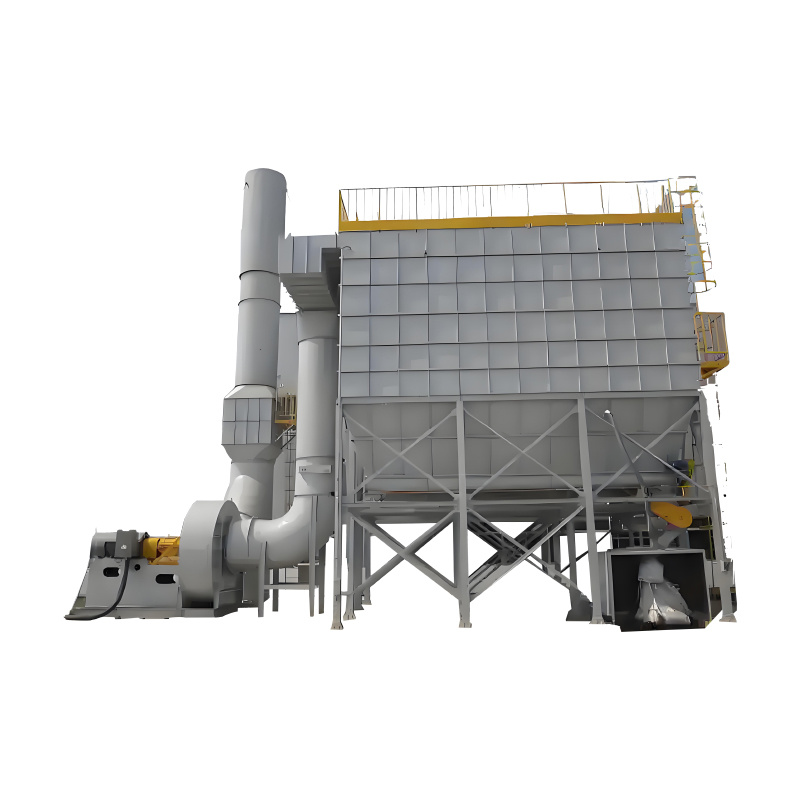
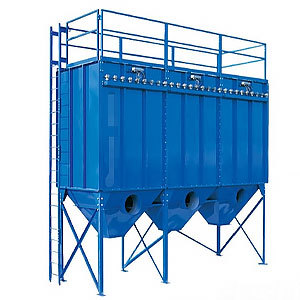
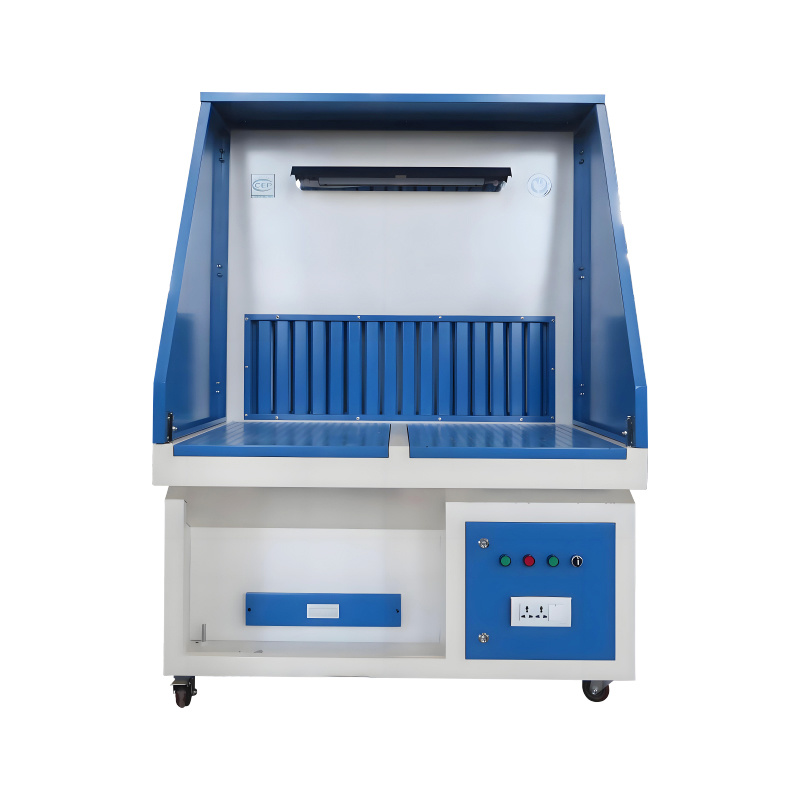
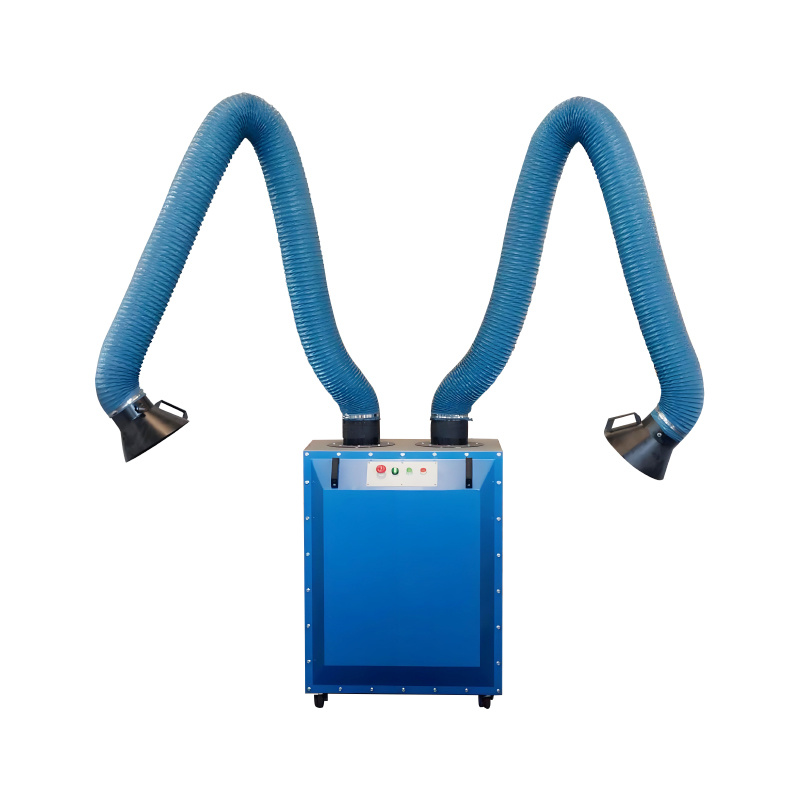
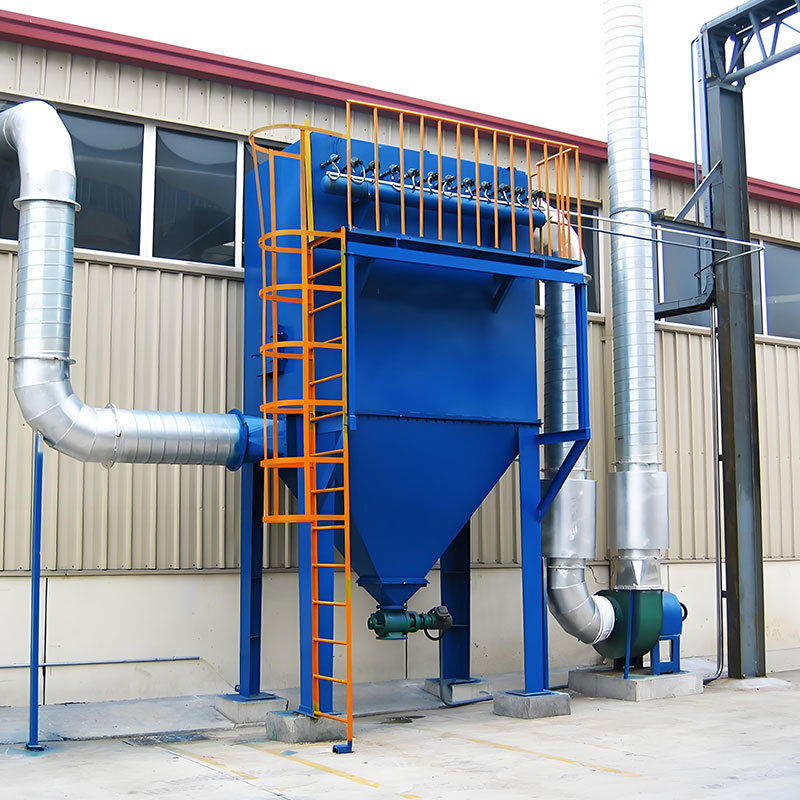
In the industrial production process, dust pollution control is a key link to ensure production safety, comply with environmental standards, and maintain the health of workers. As an efficient dry dust removal equipment, bag filter has been widely used in dust control scenarios in various industries due to its stable filtration performance and wide adaptability to working conditions. Compared to other types of dust removal equipment, bag filters have demonstrated many core performance advantages in industrial dust control. Starting from technical principles and combined with practical application scenarios, the following will analyze them one by one.
1、 Excellent filtration efficiency, suitable for fine particulate matter treatment
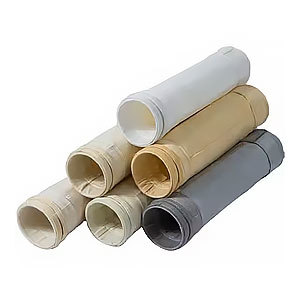
The bag filter uses the filter bag as the core filtering element, relying on the dust layer formed on the surface of the filter material to intercept, screen, and filter particulate matter. Its filtration efficiency is not significantly affected by factors such as dust specific resistance and concentration, and the removal rate of fine particulate matter (PM2.5) can reach over 99% stably. It can effectively control dust emission concentration and meet strict industrial environmental standards. Whether it is coarse dust generated in the metallurgical and cement industries, or fine dust in the chemical and electronic industries, bag filters can achieve efficient capture and avoid the impact of dust diffusion on the environment and production equipment. This efficient filtering performance gives it an irreplaceable advantage in industries with high emission requirements.
2、 Wide adaptability to working conditions and strong tolerance
In industrial production scenarios, there are significant differences in dust properties, temperature, humidity, and corrosiveness. Bag filters can adapt to various complex working conditions through flexible selection of filter material materials. For high-temperature dust scenarios, high temperature resistant filter materials such as Flumes and fiberglass can be selected, with a temperature tolerance of up to 120 ℃ -280 ℃, meeting the needs of high-temperature dust control in metallurgy, boiler flue gas, and other industries; For dust containing acidic, alkaline, and corrosive components, using corrosion-resistant filter media can effectively extend the service life of equipment; Under humid conditions, optimizing the cleaning system and filter material coating treatment can reduce the occurrence of bag sticking. In addition, the bag filter has strong adaptability to the inlet dust concentration. Even if the inlet dust concentration reaches tens of grams per cubic meter, it can still maintain stable operation without the need for additional pre-treatment equipment.
3、 High operational stability and convenient operation and maintenance
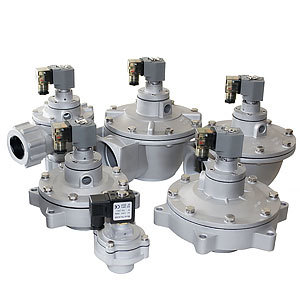
The structure of the bag filter is relatively simple, and the core component, the filter bag, is easy to replace and maintain. The failure rate during daily operation is relatively low. When the equipment is running, the dust layer attached to the surface of the filter bag can be regularly removed by pulse blowing, mechanical vibration and other cleaning methods, maintaining the breathability of the filter bag and ensuring that the equipment operates stably within a reasonable pressure difference range for a long time, avoiding air volume attenuation caused by dust accumulation. Compared to electrostatic precipitators, which are susceptible to changes in dust specific resistance and have higher costs for plastic fired plate dust collectors, bag filters have a simpler maintenance process, controllable maintenance costs, and operators can complete daily inspections, filter bag replacements, and other tasks with simple training. They are suitable for continuous operation in large-scale industrial production scenarios.
4、 The value of dust recycling is highlighted, combining environmental protection and economic benefits
In some industrial production, dust itself has certain recycling value, such as metal dust in the metallurgical industry and raw material dust in the food industry. The bag filter adopts a dry filtration method, which collects dust with high purity and no secondary water pollution, making it easy to recycle and reuse resources in the future. This characteristic not only reduces the emission of dust pollutants, but also reduces raw material consumption for enterprises and improves production efficiency. At the same time, the dry operation mode does not require additional configuration of wastewater treatment systems, which saves equipment investment and avoids secondary pollution problems in the wastewater treatment process, in line with the development trend of industrial green production.
5、 Flexible air volume adjustment to adapt to fluctuations in production capacity
In the industrial production process, fluctuations in production capacity often lead to changes in dust emissions. Bag filters can achieve flexible adjustment of air volume by adjusting fan frequency, optimizing spray parameters, and other methods to meet the dust control needs under different working conditions. For workshops with unstable production capacity, bag filters can maintain stable filtration efficiency within a large air volume range, avoiding a decrease in dust removal efficiency or energy waste caused by mismatched air volumes. In addition, the bag filter can be modularized according to the production scale, which facilitates equipment expansion and renovation during later capacity expansion, without the need for overall equipment replacement, reducing the long-term investment cost of the enterprise.
6、 No secondary pollution, strong environmental compliance
Compared to wet dust removal equipment such as spray towers, bag filters operate dry throughout the entire process without generating wastewater or waste residue, avoiding secondary pollution problems from the source. At the same time, there is no noise pollution during the operation of the equipment. Through reasonable fan selection and sound insulation design, the operating noise can be further reduced, which meets the environmental protection and occupational health requirements of industrial plants. In the context of increasingly stringent global environmental standards, bag filters can help companies easily cope with emission regulations in different regions, enhance their environmental compliance capabilities, and avoid the risk of production stagnation caused by environmental non-compliance.
In summary, bag filters have become one of the preferred equipment for industrial dust control due to their core performance advantages such as high filtration efficiency, wide adaptability to working conditions, stable operation, and strong environmental friendliness. In practical applications, selecting filter media and cleaning methods reasonably based on dust properties and operating parameters can further leverage their performance advantages and provide support for enterprises to build an efficient, environmentally friendly, and economical dust control system.
Hot Tags:
Contact Us
Tel:
WeChat:
WhatsApp:
E-mail:
Address:
338 National Road South, Longfengdian Village, Botou City, Hebei Province, China
JiuznTomine is expertly delivering technically complicated projects in markets & provides custom solutions for their customized need.


CONTACT INFO
Tel: +86 18531710311
WeChat: +86-18531710311
338 National Road South, Longfengdian Village, Botou City, Hebei Province, China