











Common faults of electrostatic precipitators: reasons and solutions for the decrease in dust removal efficiency
Dec 30,2025

Electrostatic precipitators are widely used in heavy industries such as power, metallurgy, and building materials due to their advantages of high efficiency, low resistance, and suitability for high air volume and high temperature flue gas treatment. The core working principle is to charge the dust in the dusty airflow through a high-voltage electric field, and the charged dust is adsorbed onto the electrode plate and electrode line under the action of the electric field force, thereby achieving gas-solid separation. However, in the long-term operation process, due to factors such as operating conditions fluctuations, equipment aging, and improper operation, it is easy to experience a decrease in dust removal efficiency, manifested as an increase in dust concentration at the emission outlet and cloudy flue gas, which not only affects environmental standards but may also exacerbate equipment wear and tear.
1、 Core fault type one: excessive or uneven accumulation of dust on the pole plate/pole line
Fault phenomenon: The dust concentration at the emission outlet has significantly increased, and the pressure difference between the inlet and outlet of the dust collector has slightly increased. Thick dust accumulation can be seen on the surface of the electrode plate and electrode wire, and dust agglomeration has appeared in some areas.
Core reason:
1. Vibration device malfunction: The vibration hammer is worn and detached, the electromagnetic vibration coil is burned out, and the vibration force is insufficient, resulting in dust unable to effectively peel off the electrode plate/wire;
2. Improper vibration parameters: The vibration frequency is too low, the interval time is too long, or the vibration sequence is unreasonable, resulting in dust accumulation speed exceeding the cleaning speed;
3. Abnormal smoke humidity: The smoke humidity is too high, and the adhesion of dust is enhanced, making it difficult to be shaken off; The humidity is too low, and the dust has poor charging performance, which makes it easy to adsorb on the electrode plate/electrode line and form dust accumulation.
Troubleshooting and handling methods:
1. Maintenance of vibration device: Open the maintenance door to visually inspect the vibration hammer, connecting rod, bearings and other components, replace worn or detached vibration hammers, and repair loose connection parts; Use a multimeter to check the on/off status of the electromagnetic vibrator coil, replace the burnt coil, and adjust the vibration force to the appropriate range;
2. Optimize the vibration parameters: shorten the vibration interval and increase the vibration frequency according to the characteristics of dust and dust accumulation; Adjust the vibration sequence to ensure that all electric field plates/wires can be effectively cleaned of dust;
3. Adjust the humidity of the flue gas: If the humidity of the flue gas is too high, install a dehydration device or heating device before the dust collector to reduce the moisture content of the flue gas; If the humidity is too low, spray water appropriately to increase humidity and improve dust adhesion and charging performance.
2、 Core fault type 2: Deformation of pole plate/pole line or abnormal pole spacing
Fault phenomenon: Sudden drop in dust removal efficiency, frequent arcing and tripping of high-voltage electric field, severe fluctuation of ammeter pointer, obvious bending, deformation or displacement of electrode plates and wires.
Core reason:
1. Excessive vibration force: Long term excessive vibration can cause fatigue deformation of the electrode plate/wire and detachment of solder joints;
2. Large fluctuations in flue gas temperature: High temperature flue gas causes uneven thermal expansion of electrode plates/wires, or structural components shrink and deform in low-temperature environments;
3. Mechanical collision or corrosion: Improper operation during maintenance can cause deformation of electrode plates/wires due to collision, or corrosive gases and dust in the flue gas can cause structural components to deform after a decrease in strength;
4. Insufficient installation accuracy: During initial installation, the parallelism and perpendicularity deviation of the pole plate/pole line are too large, and deformation gradually intensifies during operation.
Troubleshooting and handling methods:
1. Correction or replacement of deformed parts: After stopping the machine, use professional tools to correct the slightly bent polar plates/wires, ensuring that the flatness deviation of the polar plates is ≤ 5mm/m and the verticality deviation of the wires is ≤ 10mm. If the deformation is severe, cannot be corrected, or the welding points fall off, the polar plates/wires need to be replaced directly;
2. Adjust the vibration force: reduce the electric field vibration acceleration caused by excessive vibration to avoid fatigue damage to structural components;
3. Control flue gas temperature: Install temperature monitoring devices at the inlet and outlet of the dust collector to ensure that the flue gas temperature is stable within the equipment design range (usually 120-350 ℃), avoiding overheating or sudden cooling and heating;
4. Strengthen anti-corrosion treatment: For areas with severe corrosion, repair or replace them with high temperature resistant and corrosion-resistant materials, and optimize flue gas pretreatment to reduce the content of corrosive media.
3、 Core Fault Type Three: Abnormal High Voltage Power Supply System
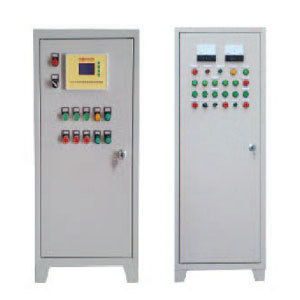
Fault phenomenon: The dust removal efficiency has significantly decreased, the high-voltage control cabinet displays low voltage, low current or no current, the electric field cannot establish effective high voltage, and some areas have "corona blockage" phenomenon.
Core reason:
1. High voltage power supply failure: rectifier transformer breakdown, insulator contamination or damage, resulting in high voltage leakage;
2. Damage to control cabinet components: Malfunctions in thyristors, fuses, relays, and other components can cause power interruption or voltage regulation failure;
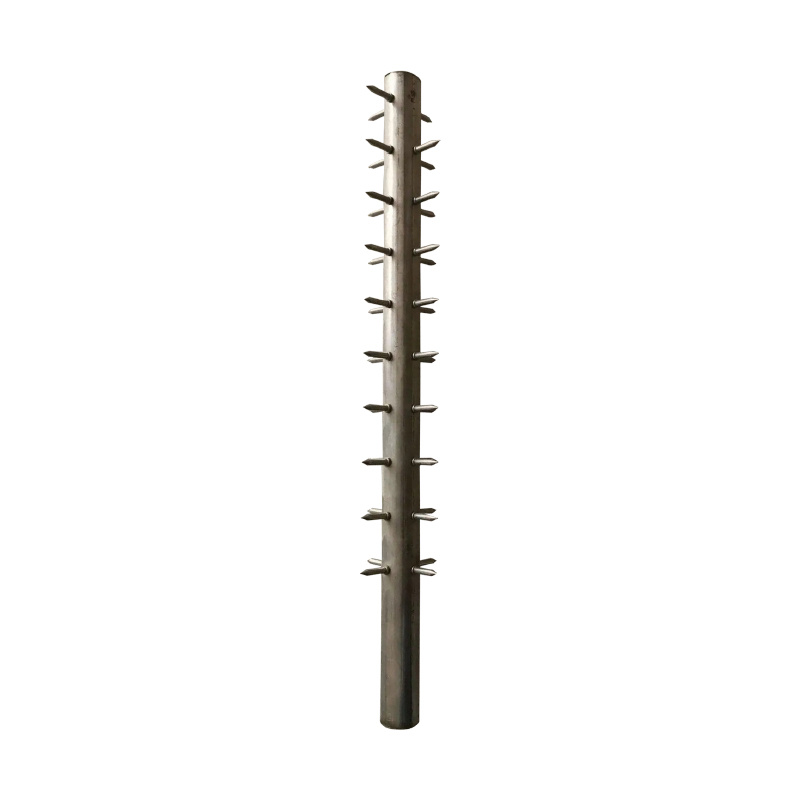
3. Damage or dust accumulation of corona wire: The corona wire is broken or enlarged (due to dust adhesion leading to an increase in wire diameter), resulting in weakened corona discharge;
4. Excessive concentration of smoke dust: exceeding the electric field processing capacity, resulting in corona blockage and inability to effectively charge dust.
Troubleshooting and handling methods:
1. Maintenance of high-voltage power supply equipment: Check the insulation performance of rectifier transformers and replace transformers that have broken down; Clean the dust and oil stains on the surface of insulators, replace damaged insulators, and ensure good insulation;
2. Replace faulty components in the control cabinet: Use a multimeter to test the thyristor, fuses, and other components one by one, replace damaged parts, and recalibrate voltage and current regulation parameters;
3. Dealing with corona wire issues: Replace broken corona wires, clean the surface of the corona wires of loose dust, and replace them in bulk if they are severely worn;
4. Reduce the concentration of flue gas dust: Install a pre dust removal device before the dust collector to reduce the initial dust concentration entering the electric field; Adjust process parameters and control the dust content of flue gas within the equipment design range.
4、 Core fault type four: uneven airflow distribution or air leakage
Fault phenomenon: The dust removal efficiency is unstable, with severe dust accumulation in some areas and almost no dust accumulation in some areas. The dust concentration at the emission outlet fluctuates greatly, and the pressure difference between the inlet and outlet of the dust collector is abnormally low.
Core reason:
1. Damage to the airflow distribution plate: The holes in the distribution plate are blocked, deformed, or detached, causing the airflow to not spread evenly throughout the entire electric field;
2. Missing or misplaced guide plate: The guide plate inside the intake duct is damaged, causing the dusty airflow to deviate to one side and causing local electric field overload;
3. Equipment air leakage: The sealing of the shell welds, maintenance doors, pipeline flanges, and other parts is not tight, and external cold air infiltrates, causing turbulence in the airflow and reducing the flue gas temperature and dust charging performance.
Troubleshooting and handling methods:
1. Repair the airflow distribution device: clean the dust blockage in the holes of the distribution plate, correct or replace the deformed or fallen distribution plate; Repair or supplement missing deflectors to ensure even distribution of airflow to each electric field area;
2. To address air leakage issues: Conduct a comprehensive inspection of the sealing parts such as the dust collector housing, maintenance doors, and flanges, replace aging sealing gaskets, tighten loose bolts, and perform repair welding on cracked welds; If necessary, apply sealant to the air leakage area to ensure that the air leakage rate is ≤ 5%;
3. Detecting airflow distribution: Verify the uniformity of airflow distribution within the electric field through smoke testing or velocity measurement. If there is still a deviation, further adjust the position of the distribution plate and guide plate.
5、 Core Fault Type 5: Sudden Change in Dust Characteristics
Fault phenomenon: Sudden decrease in dust removal efficiency in a short period of time, no obvious damage to equipment structure, no abnormalities in high-voltage electric field parameters, and significant changes in dust particle size and adhesion at the discharge outlet.
Core reason:
1. Raw material or process adjustment: The replacement of production raw materials leads to changes in the specific resistance, particle size, and adhesion of dust;
2. Changes in smoke composition: Oil substances and corrosive gases are mixed into the smoke, resulting in a decrease in dust charging performance and pollution of electrode plates/wires.
Troubleshooting and handling methods:
1. Monitoring dust and smoke characteristics: detecting dust specific resistance (ideal range of 104-1011 Ω· cm), particle size distribution, and analyzing changes in smoke composition;
2. Optimize electric field parameters: For high specific resistance dust, the power supply voltage can be increased, pulse power supply mode can be adopted, or SO3, NH3 and other conditioning agents can be added to the flue gas to reduce the dust specific resistance; Adjust the vibration parameters for fine particulate dust to enhance the cleaning effect;
3. Adjust the process or pre-treatment: If the adjustment of raw materials results in dust characteristics exceeding the equipment processing range, coordinate with the production department to optimize the raw material ratio; Or add a pre-treatment device before the dust collector to improve the characteristics of dust and flue gas.
6、 Daily preventive measures: reduce the risk of decreased dust removal efficiency
1. Regular inspection and monitoring: Record high-voltage power supply parameters, inlet and outlet pressure difference, flue gas temperature and dust content daily, and promptly investigate any abnormalities found;
2. Standardized vibration maintenance: Check the operation status of the vibration device weekly, clean the dust accumulation of the vibration components monthly, and calibrate the vibration parameters quarterly;
3. Maintain insulation cleanliness: Regularly clean the dust and oil stains on the surface of insulators and sleeves to avoid high-voltage leakage;
4. Control the stability of working conditions: try to maintain the stability of production processes and raw materials, and avoid drastic fluctuations in flue gas temperature, dust content, and composition;
5. Regular comprehensive maintenance: Conduct a comprehensive inspection of the electrode plates/wires, airflow distribution devices, and power supply system every year, replace aging and damaged components, and calibrate equipment installation accuracy.
7、 Precautions for safe operation
1. Before shutting down for maintenance, the high-voltage power supply must be cut off, the intake valve must be closed, and a warning sign reading "Do not close" must be hung. The operation can only be carried out after the electric field is completely discharged;
2. When entering the dust collector for inspection, it is necessary to wear protective equipment such as safety helmets, dust masks, and insulated gloves to ensure that there is a dedicated person to supervise;
3. When dealing with high-voltage equipment failures, it is necessary to strictly follow the high-voltage electrical operation specifications to avoid electric shock accidents;
4. When adding smoke conditioner, it is necessary to take measures to prevent poisoning and explosion, ensuring that the storage and addition of the agent meet safety requirements.
In summary, the decrease in dust removal efficiency of electrostatic precipitators is mostly related to factors such as the polarity of the electrode plates, high-voltage power supply system, airflow distribution, and dust characteristics. Operations personnel can quickly solve problems through the approach of "observing phenomena, locating fault types, investigating core causes, and accurately handling". Daily standardized maintenance and condition monitoring can fundamentally reduce the occurrence rate of failures, ensure the long-term stable and efficient operation of electrostatic precipitators, and guarantee environmental compliance and production safety.
Hot Tags:


Contact Us
Tel:
WeChat:
WhatsApp:
E-mail:
Address:
338 National Road South, Longfengdian Village, Botou City, Hebei Province, China
JiuznTomine is expertly delivering technically complicated projects in markets & provides custom solutions for their customized need.


CONTACT INFO
Tel: +86 18531710311
WeChat: +86-18531710311
338 National Road South, Longfengdian Village, Botou City, Hebei Province, China