


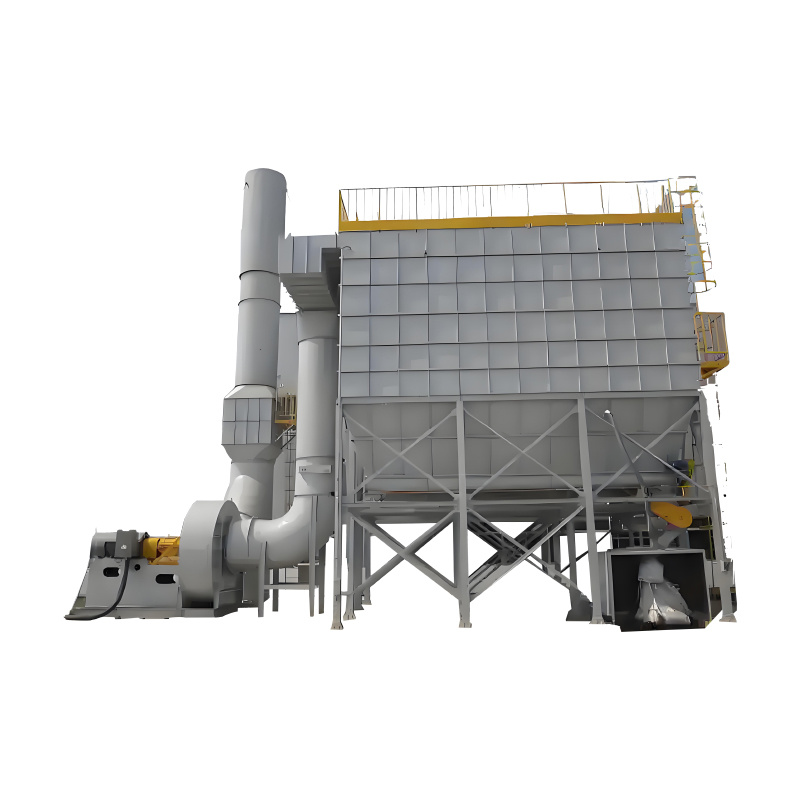
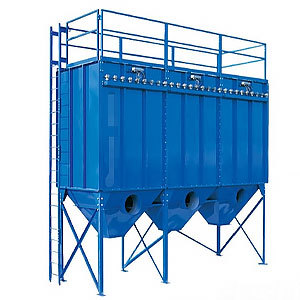
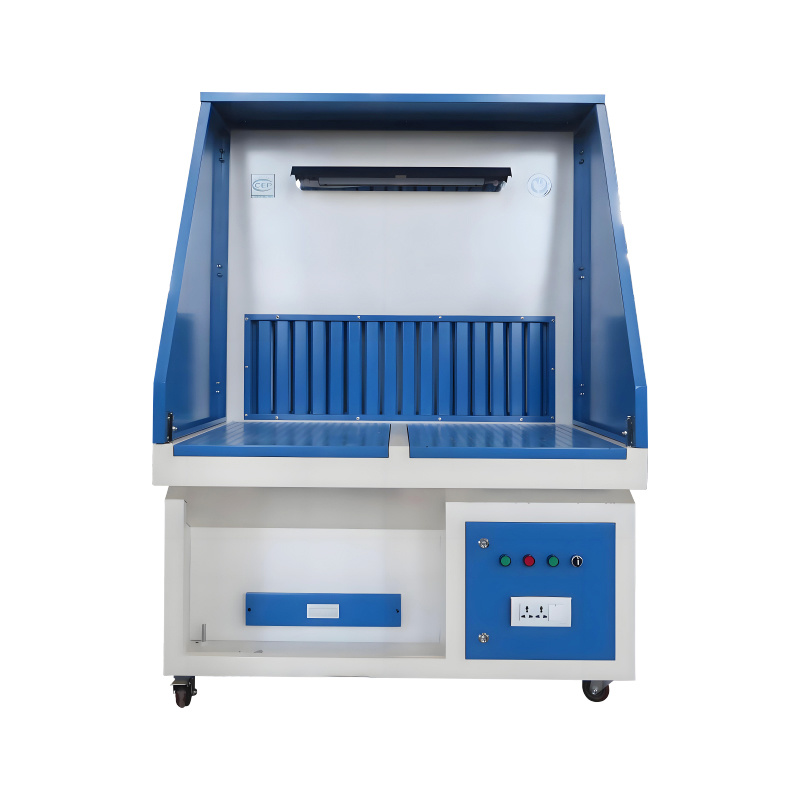
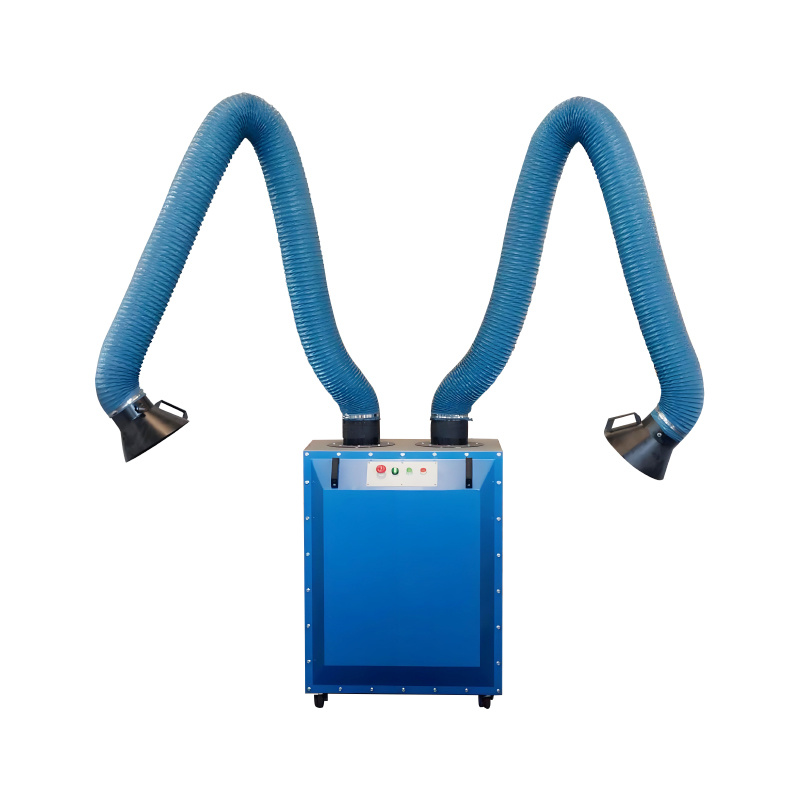










Common problems with bag filter: Solution to poor dust cleaning effect
Dec 18,2025

In overseas industrial dust treatment scenarios, bag filters have become the mainstream choice due to their stable filtration efficiency, but poor dust cleaning effect is one of the most common problems that occur during their operation. This issue not only leads to increased equipment resistance and energy consumption, but may also cause filter bag blockage due to dust accumulation, ultimately affecting production continuity and environmental emission standards. This article will combine the common differences in operating conditions in foreign trade applications to sort out the core causes of poor dust cleaning effects and feasible solutions.
1、 Core incentive: Comprehensive investigation direction from filter material to system
The cleaning effect of bag filter depends on the precise matching of filter material performance, cleaning system parameters, installation accuracy, and dust characteristics. In the context of foreign trade, some enterprises are more prone to problems due to neglecting the adaptability of target market conditions and equipment. The investigation should follow the principle of "from inside to outside, from local to system", focusing on the core components first, and then extending to the overall operating parameters.
2、 Targeted Solutions: Practical Solutions for Six Common Problems
1. Filter material selection and working condition mismatch: solving the problem of adhesion from the source
The primary reason for poor dust removal efficiency is often the mismatch between the filter material material, structure, and dust characteristics. For example, in rubber processing workshops in Southeast Asia, high viscosity dust easily adheres to the surface of ordinary polyester filter materials, forming "paste bags"; When European chemical companies deal with high-temperature sulfur-containing dust, using non temperature resistant filter media can cause the filter media to harden and lose elasticity, making it difficult to remove the dust.
Solution: Adjust the selection of filter media based on dust viscosity, temperature, and corrosiveness - for sticky dust, prioritize using PTFE coated filter media with smooth surfaces to reduce adhesion; Replace with fiberglass filter material or high-temperature resistant needle punched felt under high temperature conditions; Dust containing acidic and alkaline components needs to confirm the chemical resistance index of the filter material, such as using anti-static filter material to avoid dust adsorption. At the same time, it should be noted that the higher the mesh size of the filter material, the better. An excessively high mesh size will increase resistance. It is recommended to choose an appropriate specification based on the dust particle size detection report.
2. Imbalance of ash cleaning system parameters: precise adjustment to improve stripping efficiency
In foreign trade equipment, pulse jet cleaning system is widely used due to its strong adaptability, and improper parameter settings are the high-frequency cause of poor cleaning effect. Common problems include insufficient blowing pressure, short pulse width, unreasonable cleaning cycle, and some companies even use domestic standard parameters without adjusting for differences in dust concentration in overseas workshops.
Solution: Establish a "parameter working condition" matching table - for mining and building material scenarios with high dust concentration, increase the blowing pressure from 0.2-0.3MPa to 0.3-0.4MPa, extend the pulse width to 0.15-0.2 seconds, and shorten the cleaning cycle to 30-60 seconds; In electronic and food workshops with low dust concentration, the pressure can be reduced to 0.15-0.25MPa to avoid excessive cleaning and damage to the filter material. For mechanical vibration type dust cleaning equipment, it is necessary to check the vibration frequency and amplitude. If the vibration force is insufficient, the weight of the eccentric wheel can be adjusted or the motor power can be replaced to ensure that the vibration force is evenly transmitted to the filter bag.
3. Filter bag installation and aging issues: optimizing details to reduce dust residue
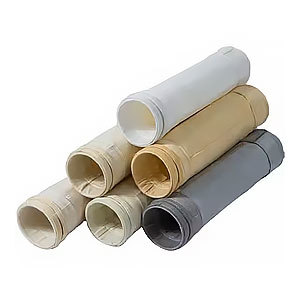
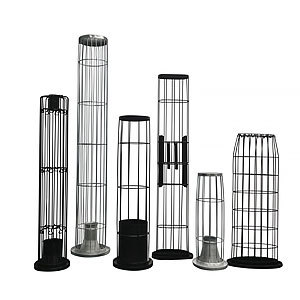
Improper installation of filter bags or aging and damage after long-term use can lead to local dust removal failure. If the overseas installation team lacks experience, it is easy to encounter problems such as poor sealing between the filter bag and the flower board, wrinkles in the filter bag, and deformation of the skeleton. The aging of the filter bag is manifested as surface hardening and decreased breathability, especially under high temperature and high humidity conditions.
Solution: During the installation phase, it is necessary to check the size of the filter bag and the flower board to ensure that the filter bag mouth is tightly attached to the flower board, and use a special sealing gasket to avoid air leakage; The filter bag should be hung vertically to avoid friction with the skeleton or equipment inner wall. In daily inspections, if permanent dust layer, local damage or air permeability lower than 30% of the initial value is found on the surface of the filter bag, it should be replaced in a timely manner. It is recommended to establish a ledger for the use of filter bags and set replacement cycles based on differences in operating conditions. For example, under high temperature conditions, the lifespan of filter bags is usually shortened to 1-2 years, and it is necessary to stock up in advance.
4. Insufficient sealing of equipment: blocking the path of secondary dust adhesion
If the sealing of the shell welds, maintenance doors, pipeline interfaces, and other parts of the negative pressure operated bag filter is not tight, it will suck in external air, causing a decrease in the surface temperature of the filter bag. High humidity dust is prone to condensation and agglomeration, which in turn affects the dust cleaning effect. In overseas regions with large temperature differences, this problem is more prominent.
Solution: Regularly inspect the sealing parts, replace aging sealing strips and asbestos ropes; If there is air leakage at the weld seam, it needs to be re welded and treated with anti-corrosion measures. To address the issue of temperature difference, an insulation layer can be installed on the outside of the dust collector housing, using insulation materials such as rock wool or polyurethane, to ensure that the surface temperature of the filter bag is always 5-10 ℃ higher than the dew point temperature and avoid condensation.
5. Insufficient adaptation of dust characteristics: special treatment for special working conditions
The special dust in some overseas industries is difficult to cope with using conventional cleaning methods. If the dust characteristics are not systematically optimized, problems such as incomplete dust cleaning and clogged filter bags may occur.
Solution: For viscous dust, PTFE anti sticking coating can be sprayed on the surface of the filter material, and a combination of "pulse spraying+acoustic cleaning" can be used to improve the dust stripping efficiency; For high-temperature molten dust, a pre cooling device should be installed at the inlet of the dust collector to reduce the flue gas temperature to the tolerance range of the filter material. At the same time, an anti-wear lining plate should be installed to protect the filter bag from direct impact of molten particles on the filter material.
3、 Prevention oriented: Key Points for Daily Operations and Maintenance
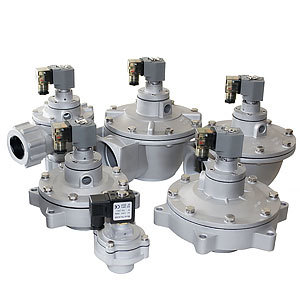
The stability of the dust cleaning effect depends on normalized operation and maintenance. Overseas enterprises can establish a mechanism of "daily inspection+weekly spot check+monthly maintenance": recording equipment resistance, dust cleaning pressure and other parameters daily, and promptly investigating abnormal fluctuations; Check the integrity of the filter bag and the working status of the dust cleaning valve every week; Conduct comprehensive maintenance on the dust cleaning system and sealing parts every month, and replace vulnerable components. In addition, it is recommended to retain device operation data for quick problem identification during cross-border technical support.
The cleaning effect of bag filter is essentially a matter of compatibility between equipment and operating conditions. Overseas users need to combine the dust characteristics of their own industry and the environmental conditions of the target market, and control the entire process from selection, installation, parameter setting, daily operation and maintenance, in order to ensure the long-term stable operation of equipment, meet environmental emission requirements, and improve production efficiency.
Hot Tags:


Contact Us
Tel:
WeChat:
WhatsApp:
E-mail:
Address:
338 National Road South, Longfengdian Village, Botou City, Hebei Province, China
JiuznTomine is expertly delivering technically complicated projects in markets & provides custom solutions for their customized need.


CONTACT INFO
Tel: +86 18531710311
WeChat: +86-18531710311
338 National Road South, Longfengdian Village, Botou City, Hebei Province, China