


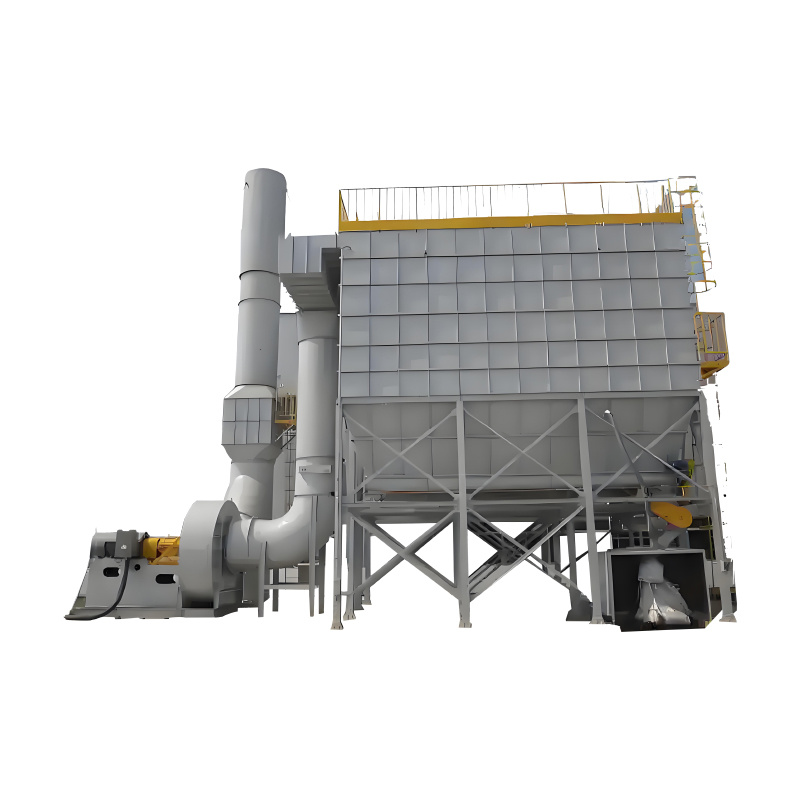
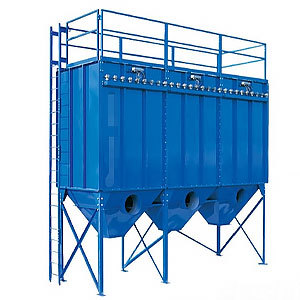
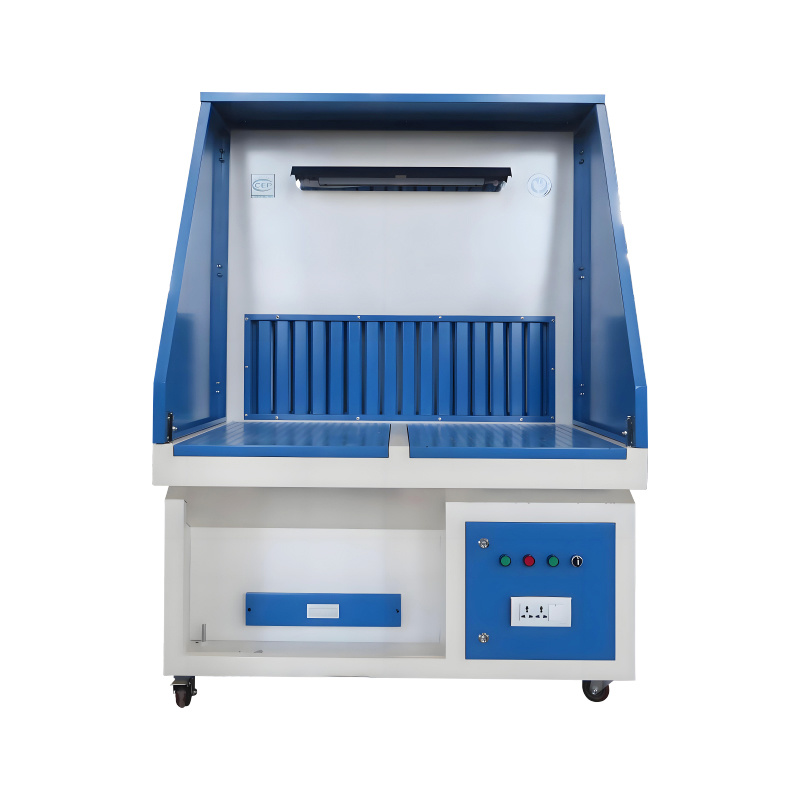
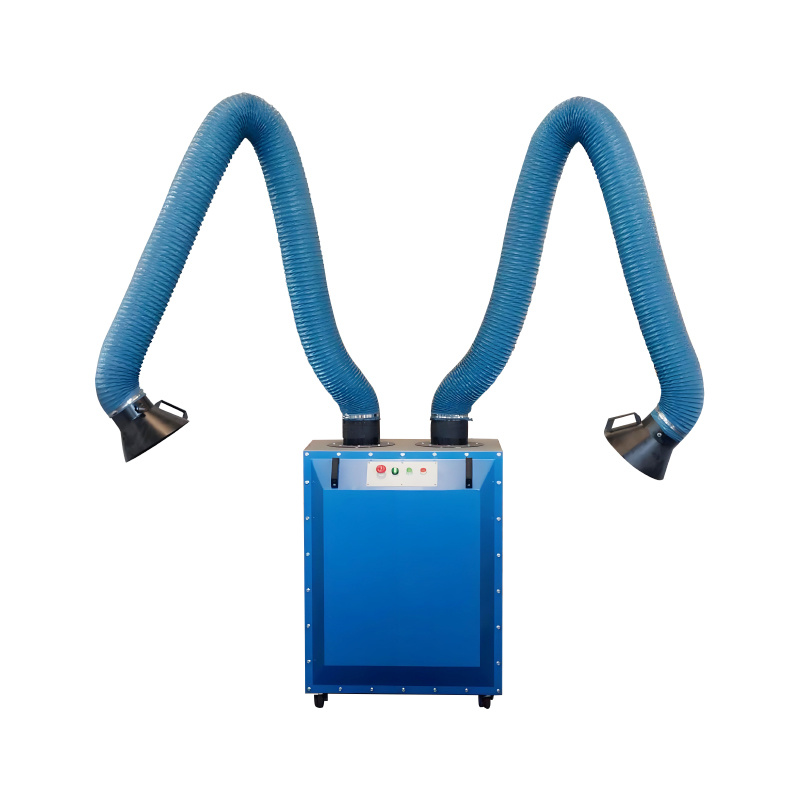









Choosing a plastic fired board dust collector: These overlooked details determine the practicality and lifespan of the equipment
Dec 06,2025
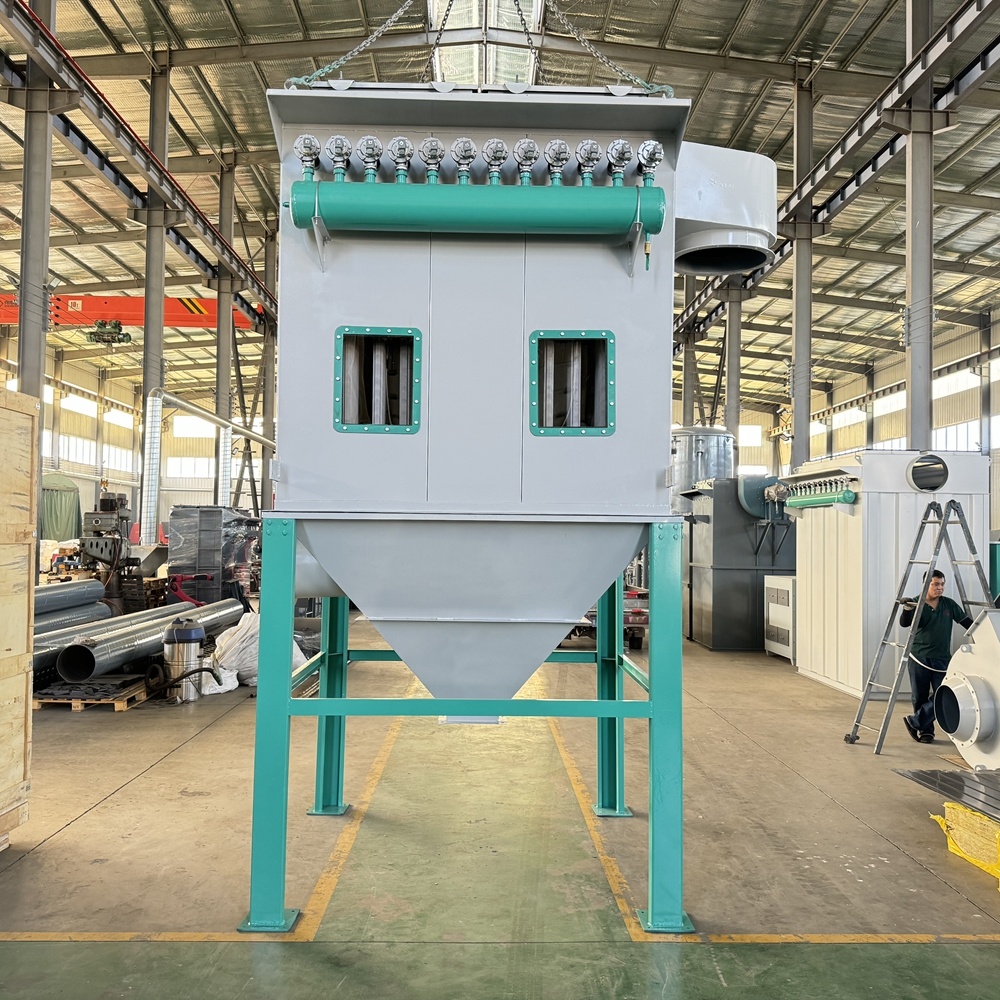
The plastic fired plate dust collector has become the preferred dust removal equipment for industries such as food processing, chemical engineering, and metallurgy due to its advantages of wear resistance, adhesion resistance, and thorough dust removal. It is particularly suitable for high humidity and high viscosity dust conditions overseas. However, most buyers tend to only focus on surface parameters such as "processing air volume" and "dust removal efficiency" when selecting models, while ignoring details closely related to actual working conditions and long-term operation and maintenance. These details not only lead to equipment being "unsuitable for the environment", but also may cause later operational failures, compliance risks, and cost overruns.
1、 Anchor the working conditions first: adaptation details more important than the "parameter table"
The material characteristics and structural design of plastic fired board need to be accurately matched with specific working conditions. The selection of parameters that are divorced from the actual characteristics of smoke and dust is only a "paper talk", and the following three types of details are most easily overlooked:
1. Dust characteristics: Don't just focus on concentration, but also pay attention to "stickiness, decay, and temperature"
The viscosity, corrosiveness, and temperature of dust directly determine the material life and operational stability of plastic fired panels, which are core indicators far beyond "dust concentration":
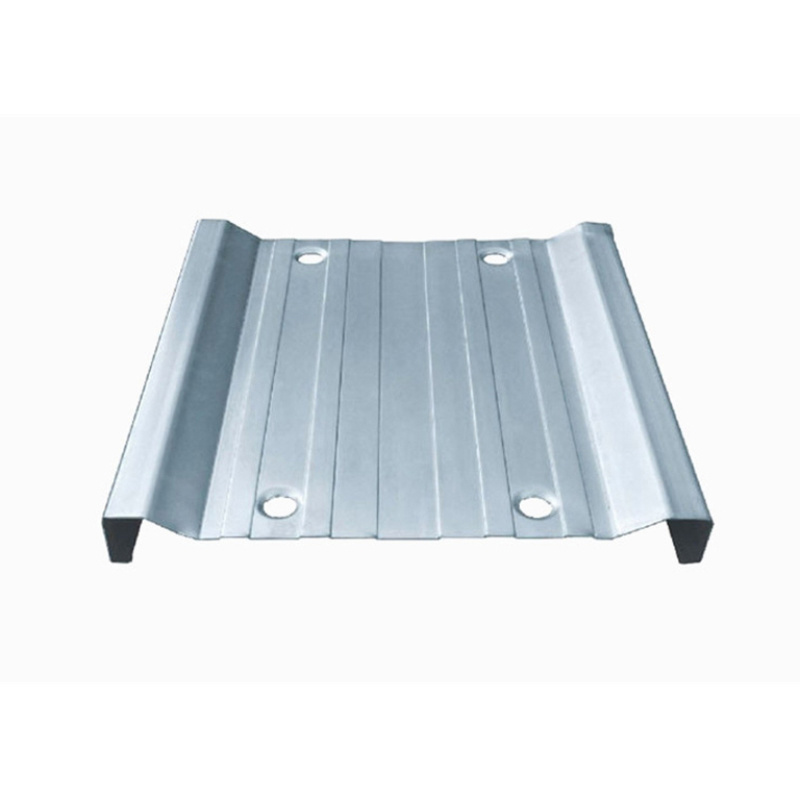
1. Sticky dust (such as food starch and chemical resins): If the stickiness of the dust is ignored and ordinary flat plastic fired boards are used, it is easy to encounter the problem of "dust adhesion cannot fall off", resulting in a sudden increase in pressure difference. It is important to confirm whether the plastic fired board has a "corrugated structure+hydrophobic coating" - corrugated design can increase airflow disturbance, hydrophobic PTFE coating can reduce dust adhesion, and the cleaning pressure needs to be matched.
2. Corrosive dust (such as metallurgical acid mist and chemical salt dust): When purchasing, it is easy to only focus on the material of the plastic fired board, but neglect the anti-corrosion treatment of the equipment shell and accessories. It is required to specify the use of corrosion-resistant substrates for the plastic fired board, while the shell is made of 316L stainless steel and the flange gasket is made of fluororubber.
3. High temperature dust (such as casting flue gas and kiln exhaust gas): Plastic fired plates have a clear upper limit for temperature resistance, but purchasers often overlook the risk of "instantaneous overheating". It is required to inform the manufacturer of the instantaneous temperature of the flue gas and equip it with an "over temperature alarm+cold air valve linkage" system. At the same time, the edge of the plastic burning plate should be sealed with high-temperature resistant silicone to avoid high-temperature aging and cracking.
2. Smoke working conditions: "invisible effects" of humidity and oxygen content
Many overseas factories face high humidity or fluctuating oxygen levels in flue gas environments, which can be overlooked but may lead to safety accidents and equipment failures
1. High humidity flue gas (relative humidity>85%): Without targeted design, it is easy to cause condensation and dust agglomeration on the plastic fired board. It is necessary to confirm whether the equipment is equipped with a "shell insulation layer+internal heat tracing device", with an insulation layer thickness of not less than 50mm and a heat tracing temperature controlled at 10 ℃ above the dew point of the flue gas; At the same time, the ash hopper needs to be designed with a "tilt angle ≥ 70 °+vibration anti bridging device" to avoid the accumulation and blockage of wet dust.
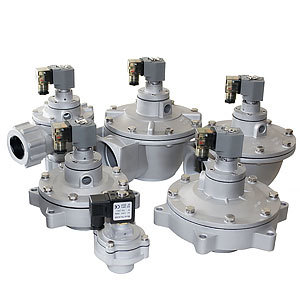
2. High oxygen flue gas (oxygen content>18%): such as chemical oxidation reaction tail gas, if ordinary plastic burning plates and ash cleaning systems are used, combustion may be caused by static electricity or sparks. We need to add anti-static agents to the plastic fired board, use a "spark free pulse valve" for the ash cleaning system, and install explosion-proof pressure relief valves on the equipment casing.
3. Installation scenario: "Adaptation blind spot" between space and environment
The installation space and climate conditions of overseas factories vary greatly, and these "non-technical parameters" often determine whether the equipment can land smoothly:
1. Installation in narrow spaces: If the height of the workshop is limited, it is necessary to avoid using a "vertical structure" and instead choose a "horizontal drawer style" plastic fired plate dust collector - the drawer style design can be pulled from the side to replace the plastic fired plate without reserving top maintenance space.
2. Outdoor extreme climate: In extremely cold regions such as Northern Europe and Canada, it is necessary to confirm that the equipment casing adopts a "double-layer insulation structure" and the electrical control box is equipped with a heater; In rainy areas of Southeast Asia, it is necessary to install a "rain shelter+water channel" on the top of the equipment to prevent rainwater from infiltrating and affecting the dust cleaning system.
2、 Performance verification: Don't be misled by the "nominal value", focus on testing and design details
The nominal values provided by the manufacturer, such as "dust removal efficiency 99.9%" and "resistance ≤ 800Pa", need to be verified through specific design and testing basis. The following details are the "touchstone" of performance:
1. Core parameters of plastic fired board: not only "pore size", but also "porosity and strength"
The filtration performance of plastic fired plates is determined by multiple parameters, and focusing solely on "pore size" can easily lead to misunderstandings:
1. Porosity: The porosity of high-quality plastic fired plates should be between 45% and 55%. If it is too low, it will cause high resistance, and if it is too high, the filtration accuracy will decrease. When purchasing, the manufacturer can be requested to provide a "bubble method porosity detection report" to avoid using "apparent density" instead of actual porosity.
2. Bending strength: Especially for corrugated plastic fired plates, they need to withstand dust cleaning vibration and airflow impact. The bending strength should be ≥ 15MPa, otherwise it is prone to fracture and damage.
3. Coating adhesion: Hydrophobic or anti-static coatings need to be firm, and the manufacturer can be requested to provide a "scratch test report" to avoid coating detachment during operation and dust adhesion.
2. Dust cleaning system: Don't just focus on the "number of pulse valves", but also on the "rationality of design"
The dust cleaning effect directly affects the operating resistance of the equipment, and many buyers only focus on the number of pulse valves, ignoring key design details:
1. Spray pipe layout: The distance between the spray pipe and the plastic fired board should be precisely controlled at 150-200mm, and the nozzle should be facing the center of the plastic fired board, with a deviation of no more than ± 5mm - the manufacturer can be requested to provide a "three-dimensional layout diagram" to avoid incomplete cleaning of some plastic fired boards due to improper layout.
2. Pulse control parameters: The cleaning cycle is not a fixed value, and high-quality equipment should be equipped with a "pressure difference feedback pulse controller" that can automatically adjust the cleaning interval according to the actual pressure difference, which is more energy-efficient and protects the filter material than "timed cleaning".
3. Compressed air adaptation: It is necessary to confirm whether the dust cleaning system matches the existing compressed air pressure in the factory. If the pressure is insufficient, the manufacturer needs to provide an "air booster pump" to avoid dust cleaning failure due to insufficient pressure.
3. Testing criteria: Do not believe in "verbal promises", provide a "compliance report"
Overseas environmental supervision is strict, and equipment performance must comply with local standards. When purchasing, targeted testing reports are required:
1. Dust removal efficiency: The European Union needs to provide a test report that complies with the EN 13284-1 standard, while the United States needs to comply with the EPA Method 5 standard. The report should clearly indicate key data such as "test dust type, inlet concentration, outlet concentration", rather than a vague "99.9%".
2. Energy consumption indicators: The European CE certification should include data on "specific energy consumption of fans" to avoid excessive electricity bills during equipment operation.
3. Material certification: The food industry needs to provide the "FDA Food Contact Certification" for plastic fired board materials, and the chemical industry needs to provide the "RoHS Environmental Certification" to ensure compliance with industry specific requirements.
3、 Landing guarantee: overlooked details of "after-sales and supporting"
The long-term cost of using a plastic fired plate dust collector largely depends on after-sales and supporting services, which are often overlooked by buyers
1. Spare parts supply: clarify "cycle and universality"
1. Supply cycle: Overseas procurement should avoid the interruption of spare parts supply. It is necessary to confirm the overseas inventory of core spare parts with the manufacturer to ensure that the delivery cycle is ≤ 7 days in case of emergency replacement.
2. Universality: Try to choose "standardized spare parts" as much as possible, such as using internationally recognized models for pulse valves, to avoid relying on the original manufacturer for procurement in the later stage, which may lead to high prices.
2. Installation and training: adapted to "overseas scenarios"
1. Installation guidance: The manufacturer is required to provide a "multilingual installation manual" and provide remote video guidance services; If on-site guidance is required, it is necessary to clarify the "party responsible for the engineer's overseas travel expenses".
2. Operation and maintenance training: Manufacturers are required to provide "operation and maintenance personnel training", which includes "daily inspection points, common fault troubleshooting, and plastic fired board replacement methods", and issue training certificates of qualification.
3. Warranty terms: Clearly define "responsibility and scope"
To avoid vague terms of "one-year warranty", it is necessary to clarify the following details:
1. Warranty scope: Plastic fired boards are consumables, and the warranty period is usually 6-12 months, while structural components such as shells, fans, and pulse valves should have a warranty period of ≥ 2 years.
2. Responsibility definition: Clearly define the standards for "natural loss" and "man-made damage". If the plastic fired board cracks due to material problems, it is the manufacturer's responsibility. If the motor burns out due to improper operation, it needs to be negotiated separately.
4、 Summary of Purchasing: 3 Steps to Avoid Detail Traps
1. Precise sorting of working conditions: Pre organize "dust characteristics+smoke parameters+installation scenarios" to form detailed working condition descriptions, avoiding manufacturers recommending "standard models".
2. Focus on verifying core details: For the three core areas of plastic fired board, ash cleaning system, and inspection report, manufacturers are required to provide specific data and supporting documents, rather than verbal promises.
3. Lock in landing guarantee: Before signing the contract, clarify the "spare parts supply cycle, installation training services, warranty scope and responsibilities" to avoid disputes in the later stage.
The core logic of choosing a plastic fired plate dust collector is to "adapt the equipment to the working conditions, rather than adapting the working conditions to the equipment". The overlooked details - from dust stickiness to spare parts cycle, from dust cleaning layout to compliance certification - are precisely the key to determining whether the equipment can operate stably for a long time and avoid cost risks. Only by accurately controlling these details can we select practical equipment that truly meets the needs of overseas factories.
Hot Tags:


Contact Us
Tel:
WeChat:
WhatsApp:
E-mail:
Address:
338 National Road South, Longfengdian Village, Botou City, Hebei Province, China
JiuznTomine is expertly delivering technically complicated projects in markets & provides custom solutions for their customized need.


CONTACT INFO
Tel: +86 18531710311
WeChat: +86-18531710311
338 National Road South, Longfengdian Village, Botou City, Hebei Province, China