












Comprehensive guide for operation and maintenance of electrostatic precipitators: the core guarantee for stable operation
Dec 06,2025

Electrostatic precipitators are widely used in overseas industrial scenarios such as power, metallurgy, and chemical industry due to their advantages of efficient dust collection, low resistance, and adaptability to large flue gas volumes. Its operational stability is directly related to environmental emission compliance and production continuity. Most overseas countries have strict requirements for industrial smoke and dust emission concentration. Once the dust removal efficiency decreases due to operational negligence, enterprises will face high fines.
1、 The principle of foresight: the core logic of operation and maintenance comes from the working mechanism
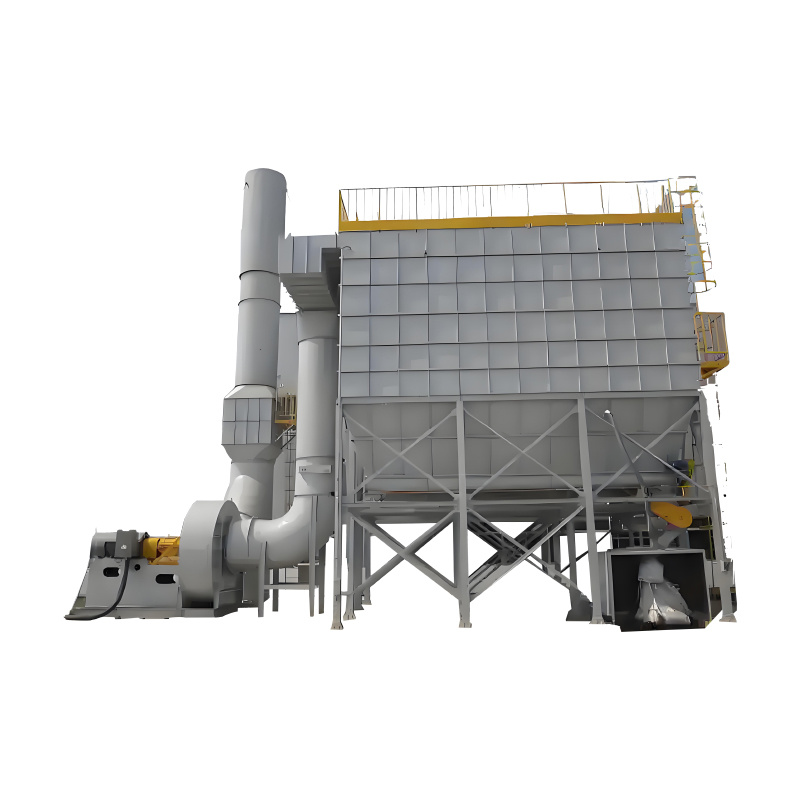
The electrostatic precipitator achieves dust removal through four stages: corona discharge ionization of flue gas, dust charging, capture of charged dust by the dust collection electrode, and vibration cleaning. The core relies on "electric field stability" and "timely cleaning". The essence of operation and maintenance is to avoid the three major problems of "electric field damage", "dust adhesion", and "component loss" through targeted measures - this is also the root cause of faults under special working conditions such as low temperature in winter, high humidity in summer, and high dust. Before carrying out maintenance, it is necessary to clarify the core components of the equipment: corona electrode, dust collector, vibration system, insulation system, and high-voltage power supply device. Subsequent maintenance will revolve around these components.
2、 Daily operation and maintenance: high-frequency inspections to capture early abnormal signals
Daily inspections are the key to avoiding minor fault upgrades. It is recommended to establish a "record every 2 hours+daily summary" mechanism, focusing on three types of signals: "parameter fluctuations", "component abnormal noise", and "appearance abnormalities". The specific content is subdivided by scenario as follows:
1. Operating parameters: Real time monitoring of core indicators
The parameters of the high-voltage power supply system directly reflect the state of the electric field and are of utmost importance in inspection. It is necessary to accurately record and compare the baseline values:
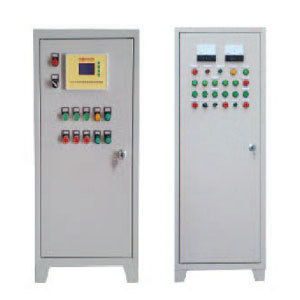
1. Secondary voltage and current: During normal operation, the voltage should be stable at 60-75kV, and the current fluctuation should not exceed 50mA. If the voltage drops sharply or the current surges, it may be a short circuit between the corona electrode and the dust collector electrode; If the voltage is too high and the current is zero, it is mostly due to insulation system failure. If any abnormalities are found, the load should be immediately reduced to avoid damage to the high-voltage cabinet.
2. Smoke parameters: The smoke temperature should be controlled within the design range of the equipment through the inlet thermometer and pressure sensor monitoring. The pressure difference between the inlet and outlet should be stable at 200-500Pa, and a sudden increase in pressure difference indicates that the ash cleaning is not timely or the ash filter plate is clogged.
3. Dust cleaning system parameters: The current of the vibration motor should be balanced. If the current of one motor suddenly increases, it may be due to the vibration hammer getting stuck; The compressed air pressure for pulse dust cleaning should be maintained at 0.5-0.7 MPa, as insufficient pressure can lead to incomplete dust cleaning.
2. Component Status: Key Points for Visual Inspection
Visual inspection without disassembly, focusing on consumable and high-risk components, with particular attention to sealing and connection areas:
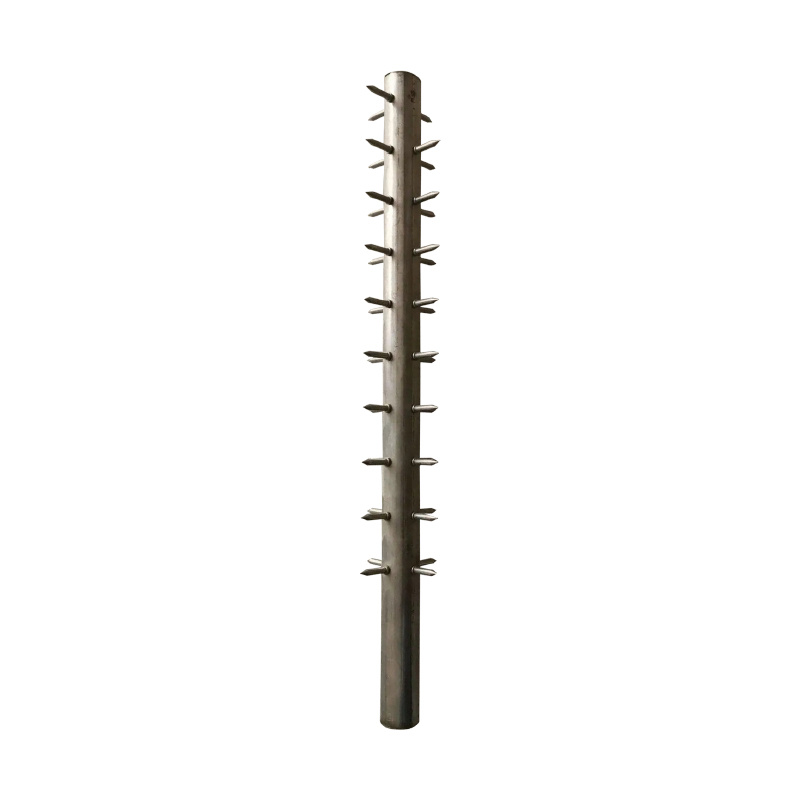
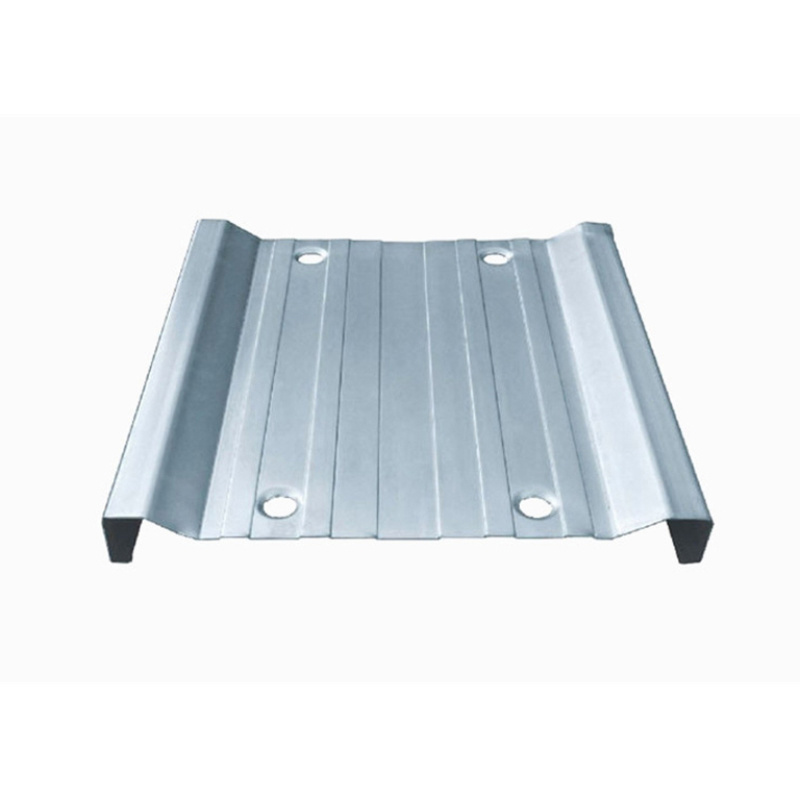
1. Electrode system: Observing through the inspection hole, the corona electrode should be vertical without bending, and there should be no obvious dust accumulation on the surface of the dust collector electrode. If the phenomenon of "corona sealing" is found in the local area of the dust collection electrode, it is necessary to arrange for dust cleaning and electrode spacing calibration in advance.
2. Insulation system: The surface of the insulator should be clean and free of oil stains and condensation, and the porcelain bushing should be intact and free of cracks. In low temperature and high humidity environments during winter, it is necessary to check whether the electric heating device is functioning properly.
3. Sealing and shell: The shell welds and maintenance door gaskets are undamaged to avoid air leakage. Outdoor installed equipment needs to check the anti-corrosion layer of the shell. If there is rust or bulging, it is necessary to apply weather resistant coating in a timely manner.
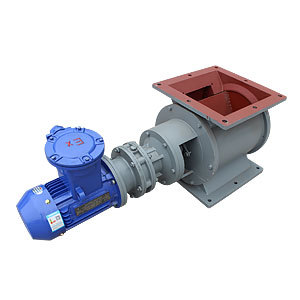
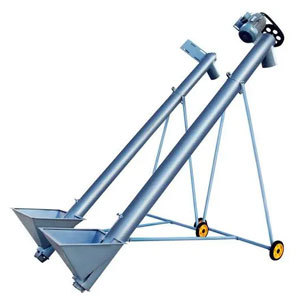
4. Ash discharge system: The ash discharge valve operates smoothly without any abnormal noise, and the ash hopper level gauge displays normally. If dust adhesion is found on the inner wall of the ash hopper, it is necessary to activate the vibration device or manually assist in cleaning the ash to prevent the formation of a "bridge".
3、 Periodic maintenance: Disassemble by level to extend the lifespan of core components
According to the component wear cycle, maintenance is divided into three levels: "weekly basic maintenance - quarterly in-depth inspection - annual comprehensive overhaul" to avoid excessive maintenance or maintenance deficiencies. Before all maintenance operations, ensure that the equipment is powered off and the high-voltage cabinet is grounded to ensure personnel safety.
1. Weekly basic maintenance: Focus easy to clean, easy to adjust components
1. Maintenance of dust cleaning system: Clean the dust accumulation on the pulse valve core and nozzle, and check the elasticity of the diaphragm; Lubricate the bearings of the vibration motor to ensure strong impact of the vibration hammer.
2. Cleaning of insulation components: Use dry compressed air to blow away dust on the surface of the insulator. If there is oil stains, use alcohol to wipe them off; Check the wiring terminals of the electric heating tube to ensure that they are securely fastened without any looseness.
3. Ash discharge system inspection: Clean the foreign objects inside the ash discharge valve and check the gap between the impeller and the shell.
2. Quarterly in-depth inspection: Disassemble key components and identify hidden problems
1. Electrode system calibration: Measure the distance between the corona electrode and the dust collector electrode. If the electrode wire is bent or the dust collector electrode is deformed, special tools need to be used for calibration; Check the fixing bolts of the pole line. If they are loose or corroded, replace them with stainless steel bolts and apply anti loosening glue.
2. Maintenance of high-voltage power supply system: Open the high-voltage cabinet, clean the dust on the surface of transformers and reactors, and check the insulation oil level; Test the grounding resistance of lightning arresters and grounding devices.
3. Sealing system repair: Replace the aging maintenance door gasket, repair the small cracks in the shell weld seam by applying anti-corrosion coating after welding repair; Check the expansion joint and replace it promptly if there is aging or cracking to avoid deformation of the shell caused by thermal expansion and contraction.
4. Control system debugging: calibrate temperature, pressure, material level and other sensors; Test the interlocking function of the PLC control system to ensure proper logic.
3. Annual comprehensive maintenance: systematic evaluation, replacement of damaged components
1. Replacement of electrode components: Check the wear of the corona electrode wire. If the tip is passivated or the diameter is reduced by 1/3, the entire set needs to be replaced; If the dust collector has large areas of corrosion and perforation, it needs to be replaced locally and treated with anti-corrosion measures.
2. Insulation system update: Replace aging insulators and porcelain sleeves, check the insulation layer of the insulator chamber, and if there is any damage, re wrap it.
3. Motor and valve overhaul: Disassemble and maintain the vibration motor and ash discharge valve motor, replace worn bearings and carbon brushes; It is recommended to replace the pulse valve diaphragm in bulk to ensure consistency in dust cleaning.
4. System performance testing: After the maintenance is completed, conduct no-load boost testing and load testing, and invite third-party testing agencies to conduct emission concentration testing to ensure compliance with local environmental standards.
4、 Special condition maintenance: targeted solutions to regional challenges
Overseas factories face special working conditions such as high humidity, high sulfur, and extreme cold, which require targeted measures to be added to basic maintenance to avoid equipment failure in advance
1. High humidity and high sulfur working conditions (such as chemical and hydrometallurgy): High sulfur content in flue gas can easily cause corrosion of the dust collector electrode, and the electrode inspection cycle needs to be shortened. The dust collector electrode can be sprayed with an acid resistant coating; Install a flue gas preheating device to ensure that the flue gas temperature is above 20 ℃ above the dew point, and to prevent condensation from forming acidic liquids that can corrode the equipment.
2. Extreme cold conditions (such as Northern Europe and Canada): Outdoor equipment shells need to be equipped with double-layer insulation layers, and the electric heating device in the insulator room should be changed to operate 24 hours a day; The ash discharge system needs to be equipped with a heat tracing device to prevent dust from freezing inside the ash hopper; Install a small heater inside the high-voltage cabinet to avoid capacitor and contactor failure caused by low temperature.
3. High dust concentration conditions (such as cement and mines): it is necessary to increase the frequency of dust cleaning and extend the vibration time; Install anti bridging devices at the bottom of the ash hopper to prevent dust accumulation; Regularly clean the thick dust accumulation on the electrode surface to prevent the occurrence of "back corona" phenomenon.
5、 Core Tips for Foreign Trade Scenarios: Compliance and Spare Parts Management
1. Environmental compliance records: Most overseas countries require the maintenance records of electrostatic precipitators to be kept, and electronic archives must be established with a retention period of not less than 3 years for environmental protection departments to conduct spot checks.
2. Compatibility of spare parts: When purchasing replacement parts, it is necessary to ensure compliance with local standards, especially for high-voltage components, to avoid affecting equipment use due to compliance issues; Suggest storing core spare parts in overseas warehouses to shorten the time for fault repair.
3. Professional service docking: If there is a complex malfunction of the equipment, it is necessary to promptly contact a technical team with local service qualifications to avoid self disassembly that may cause equipment damage or safety accidents.
The core of the operation and maintenance of electrostatic precipitators lies in "prevention first, precise measures" - capturing abnormal signals through daily inspections, conducting targeted maintenance on core components on a periodic basis, and optimizing maintenance plans based on regional working conditions. This can ensure the long-term stable operation of the equipment and compliance with emissions regulations, providing solid support for the production continuity of overseas factories.
Hot Tags:


Contact Us
Tel:
WeChat:
WhatsApp:
E-mail:
Address:
338 National Road South, Longfengdian Village, Botou City, Hebei Province, China
JiuznTomine is expertly delivering technically complicated projects in markets & provides custom solutions for their customized need.


CONTACT INFO
Tel: +86 18531710311
WeChat: +86-18531710311
338 National Road South, Longfengdian Village, Botou City, Hebei Province, China