


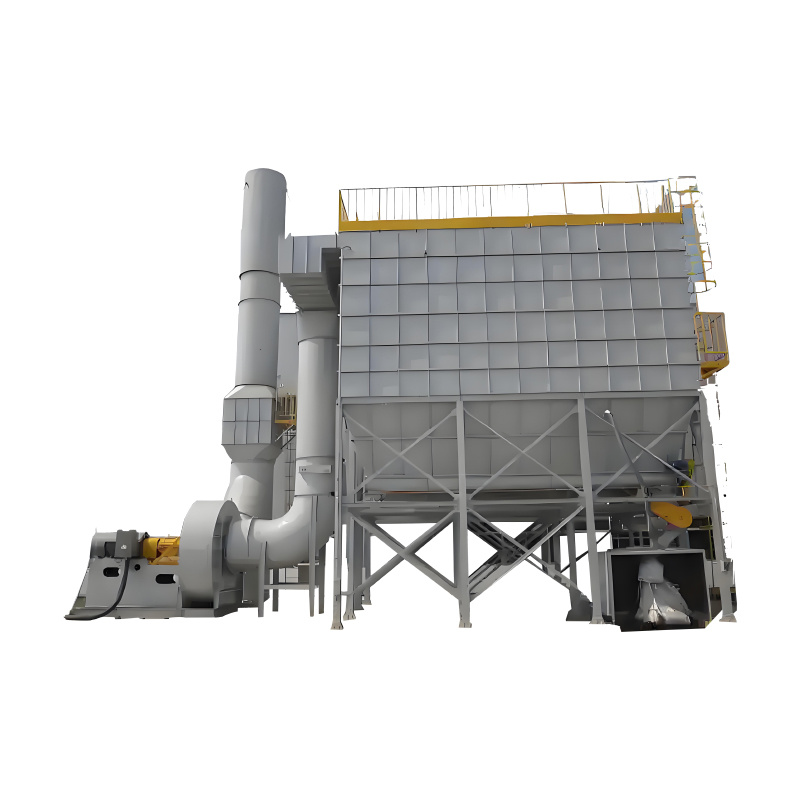
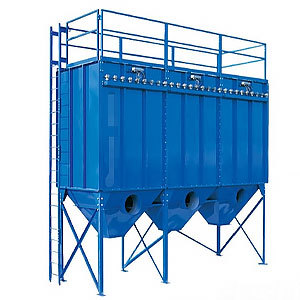
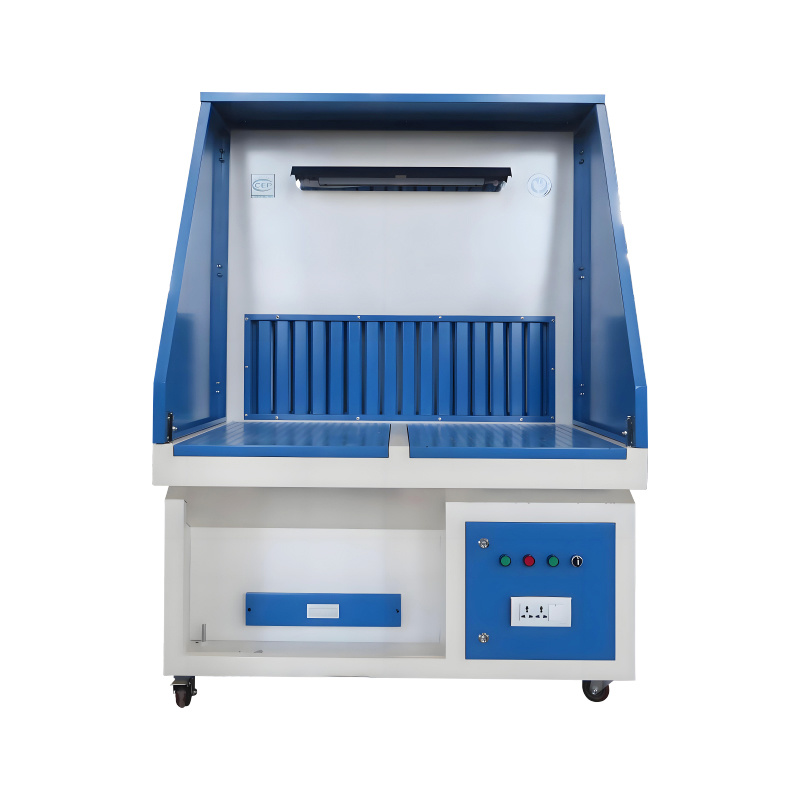
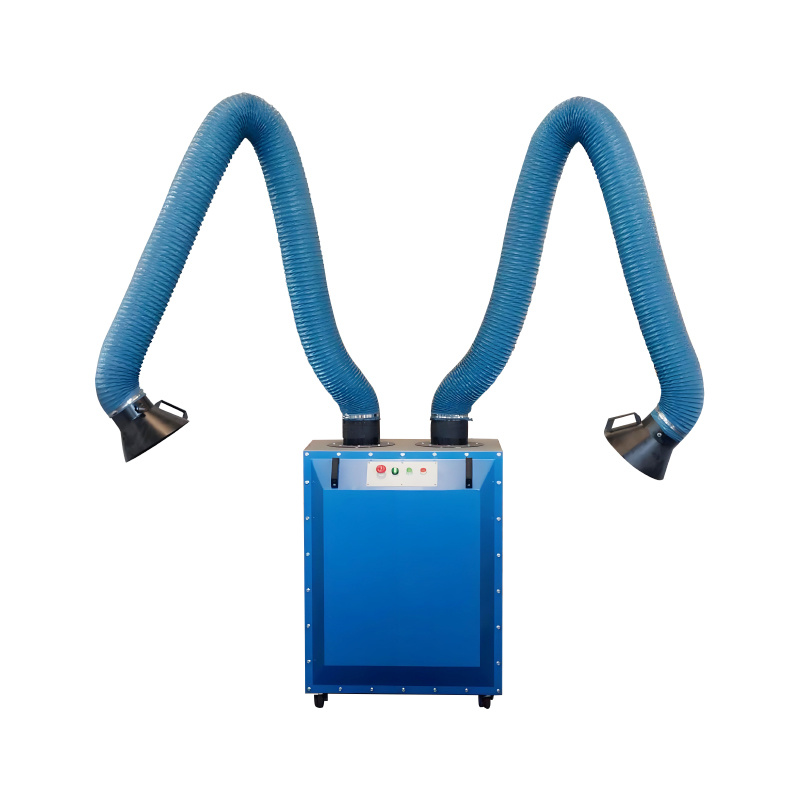









Bag dust collector vs filter cartridge dust collector: comparison of dust removal environment adaptability
Dec 05,2025

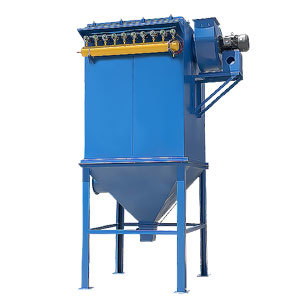
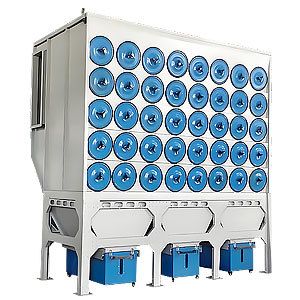
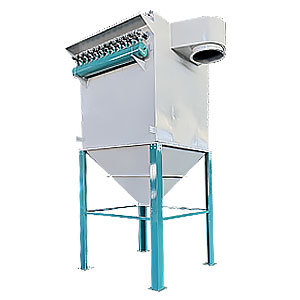
Both bag filter and filter cartridge dust collector are mainstream equipment for industrial dust removal, and their cores filter dust through filter materials. However, due to differences in filter material morphology and structural design, their adaptability in different dust removal environments presents significant differences. The core of selection is not "the quality of the equipment itself", but "the compatibility with the dust removal environment" - compatible equipment can reduce operation and maintenance costs by more than 30%, otherwise problems such as frequent damage to filter materials and excessive emissions may occur.
1、 Core environmental dimension one: Dust characteristics - particle size, concentration, and viscosity
The physical characteristics of dust directly determine the filtration load and difficulty of cleaning the filter material, which is the primary consideration for the adaptation of two types of equipment.
1. Dust particle size: fine powder filter cartridge, coarse powder should be in a cloth bag
The filtration accuracy and surface area of the filter material are closely related: the filter cartridge adopts a folding structure, and the surface area of the filter material per unit volume is 3-5 times that of the same specification cloth bag. It is often matched with membrane filter media, and the capture rate of sub micron fine powder of 0.1-5 μ m can reach more than 99.9%, especially suitable for fine powder environments such as electronic cigarette welding, pharmaceutical powder, laser cutting metal powder, etc.
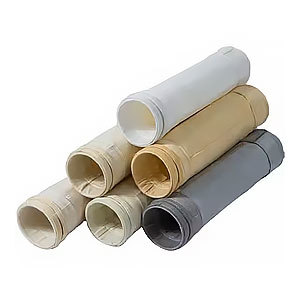
The filter material of the bag filter is a cylindrical unfolded structure, with smoother filtering channels and stable interception efficiency for coarse particles above 10 μ m, and is not easily damaged by coarse powder wear. If the cloth bag is used in a fine powder environment, it is prone to problems such as "dust penetrating through the gaps of the filter material" or "incomplete dust cleaning leading to a surge in resistance"; On the contrary, when the filter cartridge is used in a coarse powder environment, the folds and gaps are easily blocked by coarse powder, and the frequency of dust cleaning needs to be increased by more than twice. The lifespan of the filter material is shortened to one-third of that of the bag.
2. Dust concentration: High concentration priority bag, low concentration suitable filter cartridge
High concentration dust will quickly form a thick dust layer, which requires higher requirements for equipment's dust cleaning ability and filter material dust capacity. The dust holding capacity of the filter material in a bag filter is usually 800-1200g/m ², which is 3-4 times that of the filter cartridge. This can reduce the frequency of dust cleaning and avoid filter material wear caused by excessive cleaning.
In low concentration dust environments, the advantages of filter cartridge dust collectors are more obvious: due to the thin dust layer, low cleaning pressure, and filter material lifespan of up to 1-2 years; If a cloth bag is used at this time, the relatively small surface area of the filter material will result in high system resistance and an increase of 15% -20% in fan energy consumption.
3. Dust viscosity: Low viscosity universal, high viscosity carefully selected filter cartridge
Sticky dust easily adheres to the surface of the filter material to form a "hard shell", making it difficult to clean the dust. The filter material of bag filter is mostly needle punched felt material, with a relatively rough surface. Although viscous dust is easy to adhere, it can be peeled off by the vibration of the filter bag during pulse spraying; The wrinkled structure of the filter cartridge can easily lead to the accumulation of viscous dust in the gaps, forming a "dead ash zone". Even high-frequency dust cleaning is difficult to remove, and the filter cartridge usually needs to be replaced after 3-6 months.
If a high viscosity environment requires the use of a filter cartridge, it needs to be combined with a "hydrophobic membrane filter material+high-frequency pulse dust cleaning" combination, and manual assistance is required to blow the surface of the filter cartridge every month, resulting in a significant increase in operation and maintenance costs.
2、 Core Environmental Dimension 2: Operating Conditions - Temperature, Humidity, and Corrosivity
The temperature, humidity, and corrosive media in industrial scenarios directly affect the stability of filter materials and the service life of equipment structures, and the tolerance boundaries of the two types of equipment are significantly different.
1. Temperature: High temperature priority is given to cloth bags, while medium and low temperature filter cartridges are preferred
The filter material selection range of bag filter is wider, and the adaptability to high temperature scenarios is stronger: PPS material bag can withstand temperatures up to 190 ℃, PTFE material can withstand temperatures up to 260 ℃, suitable for high temperature environments such as boiler flue gas in power plants and converter flue gas in steel plants. The thermal expansion and contraction performance of its flexible filter bag is more stable, and it is less prone to filter material cracking under temperature fluctuations of ± 50 ℃.
The filter material of the filter cartridge dust collector is mostly paper or composite filter material, with a lower upper limit of temperature resistance: the conventional filter cartridge has a temperature resistance of ≤ 80 ℃, and the high temperature resistant version can only withstand 120 ℃, and the rigid filter cartridge is prone to cracking when the temperature suddenly changes. If used in high-temperature environments, additional cooling devices need to be installed to reduce the flue gas temperature to the tolerance range of the filter cartridge, increasing equipment investment and energy consumption.
2. Humidity: In high humidity environments, the cloth bag needs to prevent condensation, and the filter cartridge needs to be hydrophobic
In high humidity environments, dust is prone to absorb moisture and adhere to filter materials. Both types of equipment require targeted protection, but the emphasis is different:
Bag filter: hydrophobic membrane filter bags should be selected, and heating devices should be installed in the ash hopper to prevent condensation on the surface of the filter bags and the formation of "mud cakes"; If ordinary polyester bags are used, it is easy to cause filter bag adhesion and dust removal failure, and replacement is required within 3 months.
Filter cartridge dust collector: The core is to prevent water accumulation in the folds, and a dehumidification module needs to be installed at the equipment inlet. The filter cartridge uses a "hydrophobic+anti-static" composite filter material, while shortening the cleaning interval to avoid wet dust freezing or solidifying in the folds.
3. Corrosivity: Strong corrosive environments require the selection of anti-corrosion materials, with differences in details
In highly corrosive environments such as chemical and electroplating, both types of equipment require anti-corrosion treatment for their filter materials and shells, but the selection of filter materials is slightly different: PTFE coated filter materials can be used for cloth bags, and 316L stainless steel can be used for shells; The filter cartridge should be made of anti-corrosion resin material to prevent the paper filter cartridge from being corroded and damaged.
Attention should be paid: In highly corrosive environments, the wrinkled seams of the filter cartridge are weak points in corrosion prevention and are prone to air leakage due to corrosion. Regular (quarterly) inspections of the seam sealing are necessary; The seams of the cloth bag are made using heat sealing technology, which provides more stable sealing and a 20% -30% longer anti-corrosion life than the filter cartridge.
3、 Core Environmental Dimension Three: Space and Compliance Requirements - Site Restrictions and Environmental Standards
Overseas factories often face problems such as narrow space and strict environmental standards, resulting in a differentiation in the adaptability of the two types of equipment.
1. Space limitations: Small workshops prioritize filter cartridges, while cloth bags are preferred for high flow scenarios
The filter cartridge dust collector has a larger surface area of the filter material and a more compact structure. Under the same processing air volume, it occupies only one-third to one-half of the area of a bag dust collector, making it particularly suitable for narrow space scenarios such as electronics factories and small food factories. For example, for equipment with an air volume of 10000 m ³/h, the filter cartridge dust collector occupies an area of about 2 square meters, while the bag filter dust collector requires 5-6 square meters.
In high flow scenarios, bag filters have more advantages: they can achieve air volume superposition through multiple unit combinations, and during maintenance, a single unit can be shut down without affecting the overall system operation; If the filter cartridge dust collector needs to meet high flow rates, it is necessary to densely arrange a large number of filter cartridges, which not only increases the equipment height, but also requires overall shutdown when replacing the filter cartridges, affecting production continuity.
2. Environmental compliance: fine powder discharge filter cartridge, can be coordinated in high demand scenarios
The environmental standards in Europe, America and other regions are strict, and the emission control of filter cartridge dust collectors in fine powder scenarios is more stable, without the need for additional processing units to meet the standards; When bag filters are used in fine powder scenarios, they need to be paired with high-efficiency film filter bags and high-frequency dust cleaning systems to meet the same standards.
In the hygiene requirements of special scenarios, the advantages of filter cartridge dust collectors are more obvious: rigid filter cartridges are easy to clean, can achieve online disinfection, and there is no risk of fiber shedding caused by filter bag shaking, which meets the FDA 21 CFR § 177.2600 standard; The flexible filter bag of the bag filter is prone to accumulating dirt and grime in the gaps, making cleaning difficult and requiring regular offline disinfection.
4、 Comprehensive selection decision: priority reference for environmental adaptation
To simplify the selection process for overseas customers and based on the above environmental dimensions, we have organized the priority adaptation scenarios for two types of equipment:
1. Fine powder (0.1-5 μ m), low concentration, small space: The filter cartridge dust collector is preferred due to its high fine powder capture rate, compact structure, and small footprint, which can adapt to fine powder processing scenarios with limited space.
2. Coarse powder (>10 μ m), high concentration, and high flow rate: Bag filters are preferred due to their large dust capacity, low cleaning pressure, and ability to meet high flow processing requirements through multi unit combinations, resulting in stronger operational stability.
3. High temperature (>120 ℃) and large fluctuation temperature difference: Bag filter is preferred, with the key advantage of a wide range of temperature resistant filter materials and good thermal stability of flexible filter bags, which can adapt to working conditions with large temperature fluctuations.
4. High humidity and small workshops in Southeast Asia: Priority is given to hydrophobic filter cartridge dust collectors, which not only have the advantage of small footprint, but also can adapt to high humidity environments through hydrophobic filter materials to meet the needs of small workshops.
5. High viscosity dust and strong corrosion (chemical industry): It is recommended to prioritize bag filters equipped with PTFE filter bags, as their filter bags have good sealing, long anti-corrosion life, and more thorough dust removal, which can cope with the dual challenges of high viscosity and strong corrosion.
6. Food/pharmaceutical hygiene level and low emission requirements: Priority is given to recommending filter cartridge dust collectors. The core reason is that their rigid filter cartridges are easy to clean and disinfect, with no risk of fiber shedding, stable emission control, and meet hygiene level standards.
5、 Summary: Adaptability is the core decision-making basis
There is no absolute "superiority or inferiority" between bag dust collectors and filter cartridge dust collectors, only a "difference in adaptation": filter cartridge dust collectors are known for their "fine powder capture and compact structure", and are suitable for small and medium flow, high demand scenarios such as electronics and food; Bag filter, with its advantages of high concentration tolerance and wide adaptability to high temperatures, occupies the heavy working market in metallurgy, mining, chemical industry and other industries.
For overseas industrial customers, when selecting, it is necessary to first clarify the core indicators of their own dust removal environment, such as dust particle size and concentration, operating temperature and humidity, space size, and environmental standards, and then correspond to the adaptation boundaries of the two types of equipment, rather than blindly following the "mainstream" or "low price". When necessary, a "collaborative solution" can be adopted to achieve a balance between environmental adaptation and cost control.
Hot Tags:


Contact Us
Tel:
WeChat:
WhatsApp:
E-mail:
Address:
338 National Road South, Longfengdian Village, Botou City, Hebei Province, China
JiuznTomine is expertly delivering technically complicated projects in markets & provides custom solutions for their customized need.


CONTACT INFO
Tel: +86 18531710311
WeChat: +86-18531710311
338 National Road South, Longfengdian Village, Botou City, Hebei Province, China