












Anti corrosion treatment of chemical electrostatic precipitators: a technical path to extend equipment life
Dec 05,2025

In the chemical production scenario, electrostatic precipitators need to handle flue gas containing corrosive media such as SO ₂, Cl ⁻, acid alkali mist, etc. If anti-corrosion measures are not in place, electrode plates, shells, and insulation components are prone to rust and perforation, and the equipment life will be shortened from the conventional 8-10 years to 3-5 years, while causing faults such as electric field short circuits and sudden drops in dust removal efficiency. This article focuses on the corrosion causes and targeted anti-corrosion treatment solutions of chemical electrostatic precipitators, providing technical references for overseas chemical enterprises to extend equipment life, and does not involve any marketing statements throughout the process.
1、 Corrosion Causes of Electrostatic Dust Collectors in Chemical Industry Scenarios
The corrosive medium of chemical flue gas can corrode electrostatic precipitators through various pathways, and there are significant differences in the corrosion principles and risk points of different components
1. Electrochemical corrosion in acidic media
The SO ₂ and HCl in chemical flue gas will form sulfuric acid and hydrochloric acid droplets when exposed to water vapor, which will adhere to the surface of metal components of equipment and damage the metal oxide film, leading to electrochemical corrosion. Carbon steel components such as electrode plates and shells are prone to pitting corrosion and uniform rusting, while the corrosion rate at the weld seam is 2-3 times faster than that of ordinary parts due to stress concentration.
2. High temperature synergistic corrosion
The flue gas temperature of some chemical processes can reach 200-300 ℃. High temperature will accelerate the reaction rate between corrosive media and metals, while reducing the adhesion of anti-corrosion coatings, leading to premature aging and peeling of coatings, and losing their protective effect.
3. Corrosion failure of insulation components
If components such as insulated porcelain bottles and quartz sleeves come into contact with acid and alkali mist, the surface glaze layer will dissolve and the insulation performance will decrease, leading to electric field leakage, unstable voltage, and in severe cases, equipment shutdown.
4. The combined effect of dust abrasion and corrosion
Solid dust particles are often carried in chemical flue gas, which can cause continuous wear on the inner walls and electrodes of equipment under the action of airflow, damaging the protective layer on the metal surface and providing a channel for corrosive media to enter, forming a vicious cycle of "wear+corrosion".
2、 Targeted anti-corrosion treatment plan for core components
Differentiated anti-corrosion technologies should be adopted to address the corrosion risks of different components in chemical electrostatic precipitators, taking into account both protective effects and equipment operating characteristics
1. Corrosion prevention of electrode system: balancing conductivity and corrosion resistance
Material upgrade of electrode plates/wires: Replace traditional carbon steel electrode plates with 316L stainless steel or titanium alloy materials. 316L stainless steel can withstand acidic and alkaline environments with pH values of 2-12, while titanium alloy is suitable for harsh working conditions with high chloride ions and strong oxidation, which can extend the corrosion life of electrodes to more than 8 years; Polarized wires can be treated with "carbon steel substrate+titanium plating" to ensure discharge performance and enhance corrosion resistance.
Surface coating protection: Spray conductive anti-corrosion coating on the surface of the electrode plate, with a coating thickness controlled at 50-80 μ m, and meet the requirement of "conductivity ≥ 10 ⁻ S/m" to avoid affecting the electric field strength due to coating insulation, while isolating the corrosive medium from contact with the metal substrate.
2. Anti corrosion of shell and flue: Building an overall protective barrier
Inner lining anti-corrosion process: The shell and inner wall of the flue are treated with "fiberglass lining" or "rubber lining". The fiberglass lining can withstand temperatures up to 180 ℃ and is suitable for medium and low temperature corrosive flue gas; Rubber lining has excellent wear and impact resistance, suitable for corrosive smoke containing dust. The construction of the lining should ensure that there are no gaps at the joints to prevent medium leakage.
Composite coating protection: For areas that cannot be lined, a three-layer coating system of "sandblasting rust removal+epoxy primer+fluorocarbon topcoat" is used. The sandblasting rust removal grade needs to reach Sa2.5, the primer thickness is 80 μ m, the topcoat thickness is 120 μ m, and the fluorocarbon topcoat can withstand high temperatures below 200 ℃, and is resistant to acid, alkali, and UV aging. The protection life can reach 5-6 years.
3. Anti corrosion of insulation components: prevent adhesion of media and damage to glaze layer
Sealing and anti fog design: Install a sealing air device on the outside of the insulated porcelain bottle, introduce dry and clean air to form an air curtain, and isolate the contact between acid and alkali mist in the flue gas and the porcelain bottle; At the same time, install a dehumidifier in the insulation room to control the relative humidity of the environment below 60% and prevent condensation on the surface of the porcelain bottle.
Surface protection treatment: For insulation components such as quartz sleeves, apply a corrosion-resistant silicon coating on the surface to enhance their resistance to acid and alkali corrosion. At the same time, regularly clean the surface dust to avoid local corrosion caused by dust adsorption of corrosive media.
4. Anti corrosion of ash hopper and ash discharge system: Dealing with wet ash corrosion
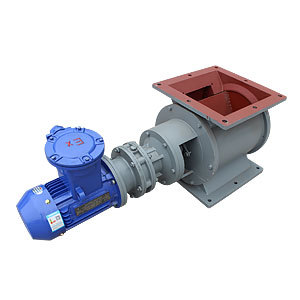
Material selection: The ash hopper is made of 304 stainless steel to avoid the corrosion of high humidity corrosive ash materials; For components such as ash discharge valves that are prone to wear, a composite structure of "stainless steel+ceramic patches" is used. The ceramic patches can resist dust wear, while the stainless steel substrate is corrosion-resistant.
Anti sticking and anti-corrosion of inner wall: Spray polytetrafluoroethylene coating on the inner wall of the ash hopper with a thickness of 50 μ m, which not only prevents wet ash from bonding and bridging, but also isolates the corrosive medium from contacting the metal inner wall, and reduces the difficulty of cleaning.
3、 Key control points for anti-corrosion construction and operation and maintenance
The anti-corrosion effect of chemical electrostatic precipitators not only depends on the technical solution, but also requires strict control of construction quality and later operation and maintenance to avoid anti-corrosion failure caused by improper operation:
1. Base treatment before construction
Before anti-corrosion construction of metal components, the surface rust, oil stains, and oxide scales need to be thoroughly removed. When sandblasting is used for rust removal, the sand particle size should be controlled at 0.5-1.0mm, and the compressed air pressure should be 0.6-0.8MPa to ensure that the surface roughness of the substrate reaches Ra30-50 μ m, providing sufficient adhesion for the coating or lining.
2. Quality control during the construction process
Coating construction should be carried out under the conditions of ambient temperature of 5-35 ℃ and relative humidity ≤ 80%, to avoid coating sagging and pinholes caused by low temperature and high humidity; When applying multi-layer coatings, it is necessary to ensure that the previous layer is completely cured before applying the next layer, and the interval between layers should be executed according to the technical requirements of the coating.
The lining construction needs to ensure a tight fit between the lining and the substrate. Vacuum detection method should be used to check for hollow drum defects, and the proportion of hollow drum area should be controlled below 0.5%. The joints should be overlapped with a width of ≥ 50mm.
3. Anti corrosion maintenance during the operation and maintenance phase
Regular testing: Conduct integrity testing on equipment coatings/linings every quarter, using electric spark detectors and ultrasonic thickness gauges. If coating pinholes or lining damage are found, they should be repaired in a timely manner; Check the corrosion degree of the electrode every six months. If the corrosion thickness of the electrode plate exceeds 20% of the original thickness, the component needs to be replaced.
Media monitoring: Real time monitoring of the concentration of corrosive media in flue gas. When the concentration exceeds the design threshold, adjust the working conditions or strengthen anti-corrosion measures in a timely manner, such as temporarily increasing the sealing air pressure, shortening the cleaning cycle, and reducing dust adhesion.
Shutdown protection: When the equipment is shut down for a long time, it is necessary to dry the inside, block the inlet and outlet of the flue gas, and prevent corrosive gases and water vapor from entering from the outside; Apply temporary rust inhibitor to the surface of the electrode and housing, and clean them thoroughly before starting up.
4、 Regional anti-corrosion adaptation for foreign trade scenarios
According to the characteristics of chemical working conditions in different regions overseas, targeted adjustments need to be made to the anti-corrosion plan:
1. High humidity and high temperature areas in Southeast Asia
The air humidity and temperature in this area are high, which can accelerate coating aging and metal corrosion. Therefore, it is necessary to use moisture resistant anti-corrosion coatings, strengthen the ventilation and dehumidification system of the equipment, and install condensation water collection devices in the insulation room to avoid water vapor accumulation.
2. Regions with high environmental standards in Europe and America
Choose anti-corrosion materials that comply with environmental regulations such as REACH and RoHS, and avoid using coatings containing heavy metals; At the same time, third-party testing reports are required for anti-corrosion construction to demonstrate the environmental friendliness and protective performance of the coating/lining, meeting local audit requirements.
3. High salt spray areas in the Middle East
Coastal chemical enterprises need to additionally consider salt spray corrosion. The outer surface of the equipment should be coated with high salt spray resistant fluorocarbon coating, and the equipment flanges, bolts, and other connecting parts should be hot-dip galvanized and passivated to prevent pitting corrosion caused by salt spray.
The anti-corrosion treatment of chemical electrostatic precipitators is a systematic project that requires the development of differentiated plans based on the characteristics of the medium, component functions, and regional working conditions. At the same time, strict construction control and operation and maintenance are necessary to fundamentally extend the service life of the equipment, ensure the long-term stable operation of the dust removal system, and provide support for the environmental compliance and production continuity of chemical enterprises.
Hot Tags:


Contact Us
Tel:
WeChat:
WhatsApp:
E-mail:
Address:
338 National Road South, Longfengdian Village, Botou City, Hebei Province, China
JiuznTomine is expertly delivering technically complicated projects in markets & provides custom solutions for their customized need.


CONTACT INFO
Tel: +86 18531710311
WeChat: +86-18531710311
338 National Road South, Longfengdian Village, Botou City, Hebei Province, China