


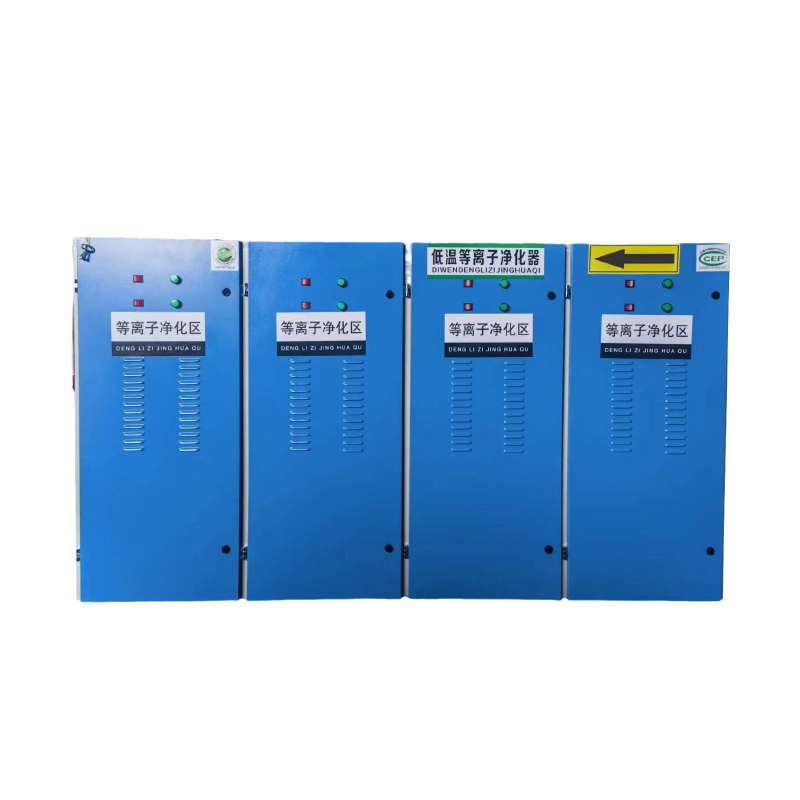









One stop dust removal solution: full process guarantee from selection to operation and maintenance
Nov 26,2025

In overseas industrial production, dust removal systems often face the triple dilemma of "blind selection, disconnected installation, and chaotic operation and maintenance": a Southeast Asian food factory used ordinary filter bags to treat high humidity dust, and all filter bags were clogged within 3 months; A steel plant in the Middle East neglected high-temperature adaptation, and the shell of the dust collector deformed after six months of operation. The core of these problems lies in the lack of a one-stop solution covering "requirement diagnosis system design implementation long-term operation and maintenance". The true one-stop service is not simply the assembly of equipment, but through full chain collaboration, the dust removal system is deeply compatible with production conditions, regional environment, and environmental standards, achieving the goal of "one-time investment, long-term stability".
1、 Preliminary diagnosis: the "basic engineering" for precise positioning of requirements
The success or failure of a dust removal plan begins with a comprehensive understanding of the working conditions and requirements. Skipping diagnosis and directly selecting models is like shooting arrows without a target, which will inevitably lead to system mismatch. The preliminary diagnosis of the one-stop solution needs to focus on three core dimensions:
1. Working condition portrait: Understand the dust and production characteristics
On site investigation is the core of diagnosis, and detailed working condition data reports need to be formed to avoid the deviation of "remote estimation":
Core parameters of dust: Through equipment such as laser particle size analyzer and hygrometer, precise measurement of dust particle size (such as electronic factory welding smoke, which is mostly 0.1-1 μ m sub micron dust), humidity (humidity in Southeast Asian workshops often exceeds 85%), corrosiveness (acidic and alkaline dust with pH values of 2-12 in the chemical industry), and temperature (power plant boiler flue gas can reach 180-220 ℃) is carried out. These data directly determine the type of dust collector and filter material selection.
Production operation rules: Record production shifts (continuous or intermittent), air volume fluctuations (such as a 30% instantaneous increase in air volume during the sanding process in a furniture factory), material recycling requirements (food factory dust must meet FDA standards for recycling, and chemical toxic dust must be treated harmlessly), to ensure that the plan is suitable for the production rhythm.
Site constraints: Measure workshop space dimensions (such as modular filter cartridge dust collectors for small electronic factories to save space), load-bearing capacity (large electric bag composite dust collectors need to evaluate the foundation in advance), pipeline routing (to avoid pressure loss caused by too many bends), and provide a basis for system layout.
2. Compliance benchmarking: Anchoring regional environmental standards
The environmental requirements vary greatly in different regions overseas, and the plan needs to be adapted to local standards in advance to avoid compliance risks:
The European and American markets need to meet EPA emission standards (such as particulate matter emissions ≤ 10mg/m ³), and some states require the installation of online monitoring systems (CEMS) and real-time data upload;
Although some countries in the Middle East have relatively relaxed environmental standards, equipment wear resistance needs to be taken into account in high dust environments to avoid frequent maintenance;
Some Southeast Asian countries have requirements for the synergistic treatment of VOCs and dust, and the plan needs to consider the purification needs of multiple pollutants.
3. Cost estimation: Balancing initial investment and long-term returns
In the diagnostic phase, a full lifecycle cost analysis should be provided, rather than just focusing on equipment procurement prices: a low-cost cyclone dust collector was selected for a certain African mine, which saved 20% of initial investment. However, due to rapid wear and tear, the annual replacement cost is three times that of high-quality equipment. A reasonable cost estimation should include all expenses such as equipment procurement, installation and construction, filter material replacement, energy consumption, and manual operation and maintenance, providing the enterprise with the most cost-effective solution.
2、 Accurate selection: the "core link" of matching requirements
Based on preliminary diagnostic data, select targeted dust collector types, core components, and auxiliary systems to achieve triple matching of "working conditions equipment standards".
1. Type adaptation of dust collector: seat according to the scene
There are clear boundaries between the applicable scenarios of different dust collectors, and blind selection can lead to low efficiency or cost waste:
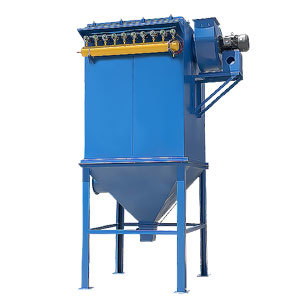
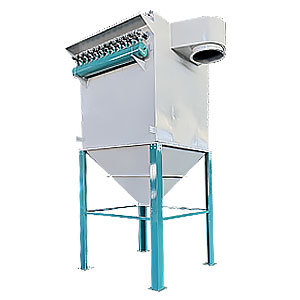
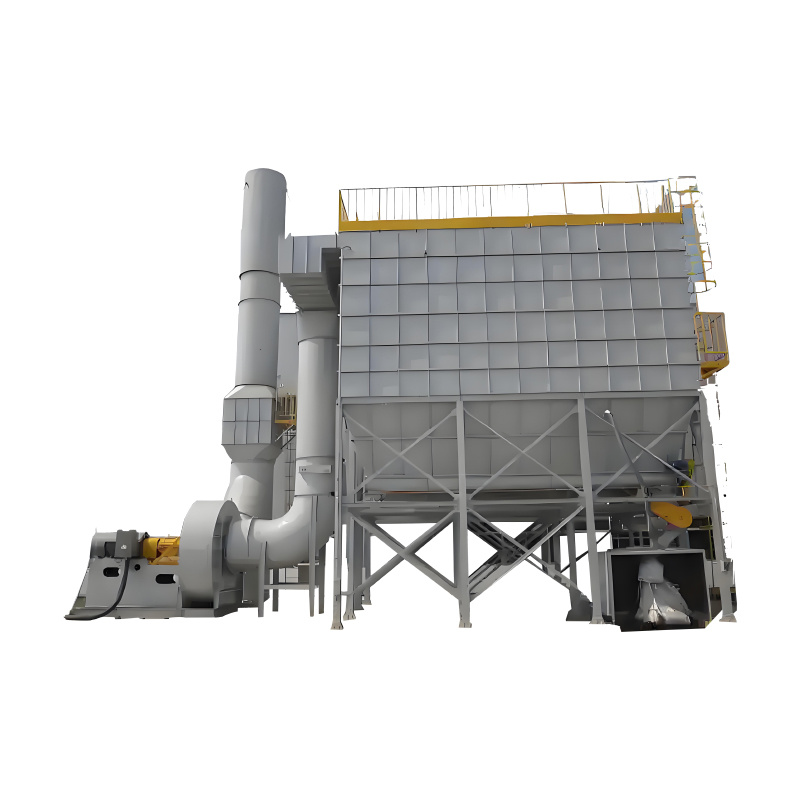
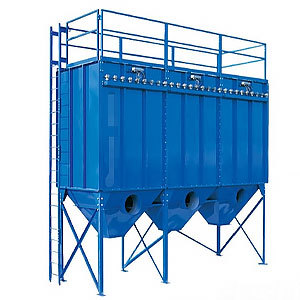
Bag filter: The core advantage is high filtration accuracy (≤ 5mg/m ³) and the ability to adapt to various types of dust; Its adaptation scenario is focused on the treatment of fine powder or adhesive dust in medium and low temperature (≤ 260 ℃) environments, and is typically applied in places such as food factories, furniture factories, and chemical workshops.
Electrostatic precipitator: with the prominent advantages of large air volume and low resistance, especially suitable for high-temperature flue gas treatment; Suitable for high temperature and high air volume industrial flue gas scenarios of 200-400 ℃, widely used in sintering processes of power plants and steel plants.
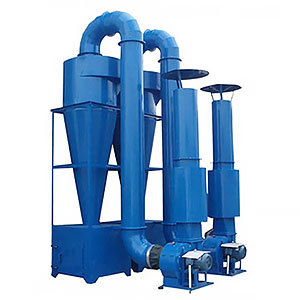
Cyclone dust collector: simple structure, low cost, mainly used for coarse powder pretreatment; Suitable for processing coarse particle dust with a particle size of ≥ 10 μ m, or as a pre dust removal equipment for other dust collectors, commonly used in raw material crushing processes in mines and feed factories.
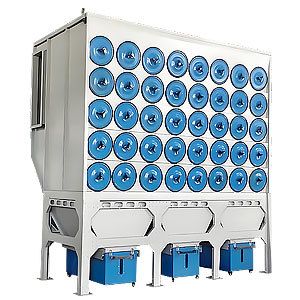
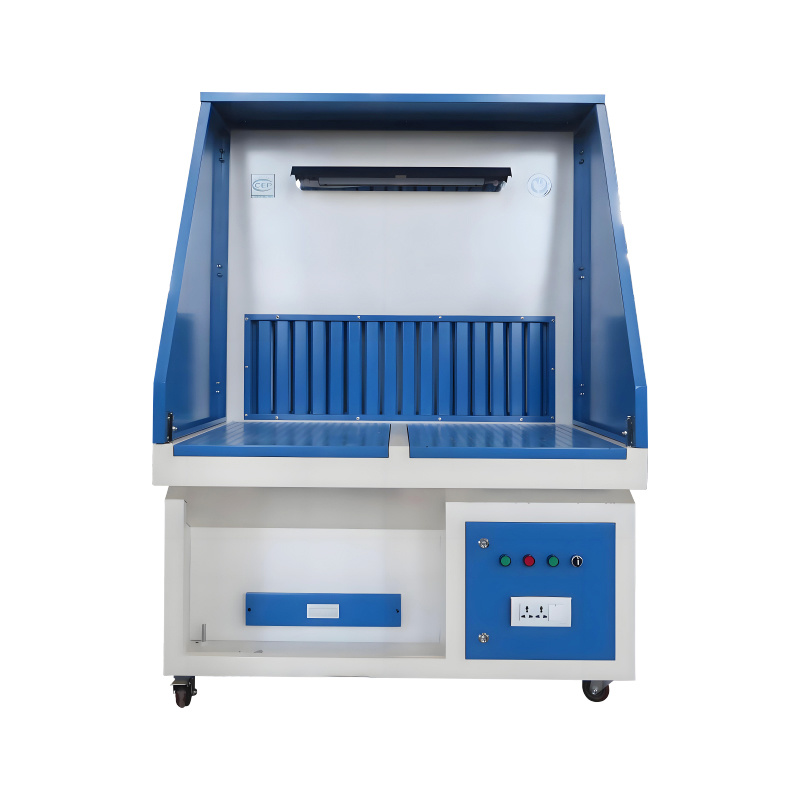
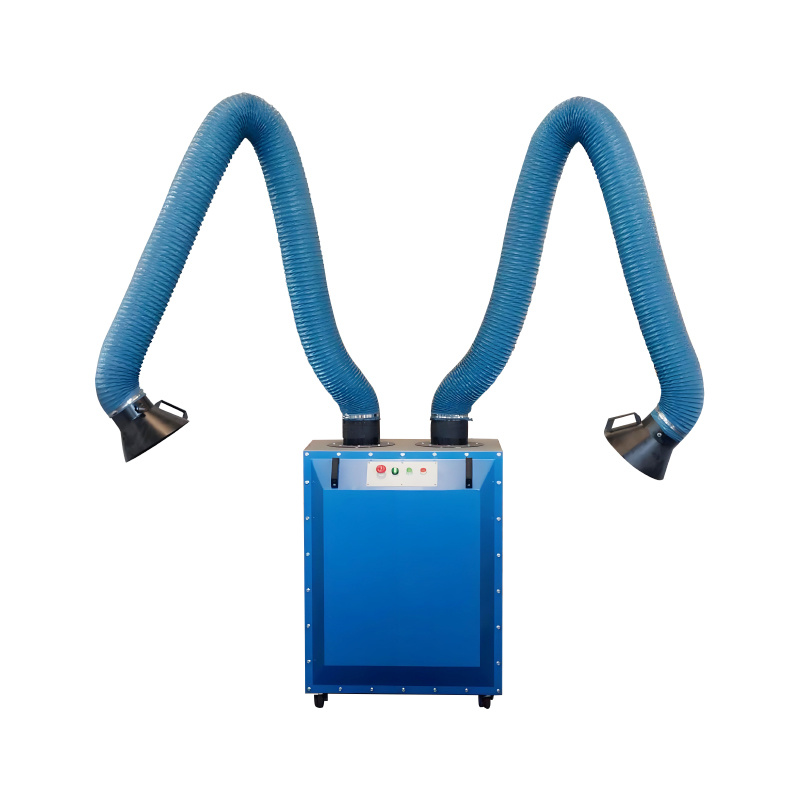
Filter cartridge dust collector: compact in size and effective in cleaning dust, designed specifically for small workshops; Suitable for small production units with air volume ≤ 10000m ³/h, such as laser cutting stations in electronic factories, laboratories, and other dust removal needs.
Plastic fired board dust collector: It has significant characteristics of high humidity resistance and anti adhesion, and can cope with damp dust problems; Suitable for high humidity environments with a humidity of ≥ 60%, such as Southeast Asian paper workshops and seafood processing plants.
2. Customization of core components: details determine system lifespan
The selection of components should be deeply adapted to the main equipment and working conditions to avoid the misconception of "heavy host and light accessories":
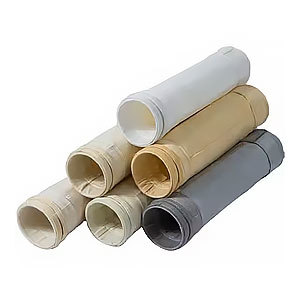
Filter materials and filter bags: PPS material is selected for high temperature conditions (160-260 ℃), PTFE coated filter bags are selected for corrosion conditions, and FDA certified filter materials are required for food factories; The seam of the filter bag should be made of heat-resistant and anti-corrosion thread to avoid damage at the interface.
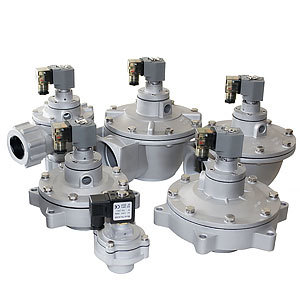
Dust cleaning system: Low pressure pulse dust cleaning (0.3-0.4MPa) is used for high bonding dust to avoid excessive impact; The high air volume system adopts compartment cleaning to ensure that the cleaning process does not affect the overall filtration effect. Select industrial grade products with a lifespan of up to 1 million cycles for pulse valves to reduce replacement frequency.
Auxiliary components: Install heating devices on the ash hopper in high humidity areas (control temperature 5-10 ℃ above dew point), insulate the equipment shell in high temperature areas in the Middle East, and equip online monitoring devices that comply with CE certification in the European and American markets.
3. System integration design: avoid "isolated" devices
The one-stop solution needs to consider the collaboration between the dust removal system and production equipment. For example, in scenarios such as cigarette factories where material recovery is required, an integrated pipeline of "dust removal separation recovery" should be designed to avoid secondary dust pollution; In automated factories, the operation data of dust collectors is integrated into the MES system to achieve coordinated monitoring of production and environmental protection.
3、 Scientific Implementation: "Closed loop Control" from Installation to Debugging
No matter how precise the equipment selection is, if installation and debugging errors are made, it can still lead to system failure. In the implementation stage of the one-stop solution, it is necessary to strengthen the dual guarantee of "standardized construction+refined debugging".
1. Standardized installation: strict control of construction details
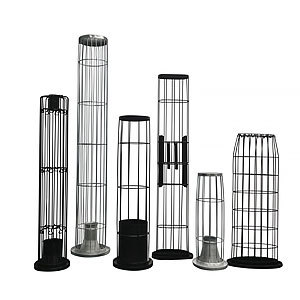
Foundation and fixation: The foundation of a large dust collector needs to undergo load-bearing testing to avoid vibration and displacement during operation; Before installing the filter bag, it is necessary to check the burrs on the skeleton and polish it smooth with sandpaper to prevent scratching the inner wall of the filter bag.
Sealing and leakage prevention: High and low temperature resistant silicone gaskets are used at the flower board, maintenance door, and flange interface. After installation, soap water is applied to detect air leakage; The pipeline connection adopts welding or clamp sealing to reduce air loss.
Safety protection: Explosion proof working conditions (such as chemical workshops) require the use of anti-static filter bags and grounding treatment. Maintenance platforms should be equipped with guardrails that comply with local industrial safety standards (such as European and American OSHA standards).
2. Fine tuning: simulate working conditions to verify performance
Debugging is not simply a startup trial run, but rather ensuring that the system meets standards through multidimensional testing:
Performance testing: Verify whether the air volume and filtration efficiency meet the design requirements through anemometers and dust concentration detectors. For example, in the European and American markets, it is necessary to ensure that the emission concentration is ≤ 10mg/m ³.
Dust cleaning optimization: Based on the measured pressure difference data, adjust the pulse interval (5-8 minutes/time for high concentration dust, 15-20 minutes/time for low concentration dust) and spray width (0.1-0.2 seconds) to avoid excessive or incomplete dust cleaning.
Emergency testing: Simulate scenarios such as filter bag damage and fan failure, check whether the alarm system and backup equipment are starting normally, and ensure that unexpected situations do not affect production and compliance.
3. Personnel training: Teaching people the "long-term guarantee" of fishing
Customized training is provided to address the differences in technical personnel among overseas factories: training on data monitoring and system optimization skills for high automation factories in Europe and America; Provide simplified operation and maintenance manuals (with multilingual illustrations) for remote areas in Africa, with a focus on training daily inspections and methods for replacing vulnerable parts.
4、 Full cycle operation and maintenance: extended lifespan "system management"
The stable operation of the dust removal system relies on long-term scientific operation and maintenance management. The one-stop solution requires the establishment of a "frequency grading+risk warning" operation and maintenance system to eliminate faults in their early stages.
1. Hierarchical operation and maintenance: Focus on key nodes
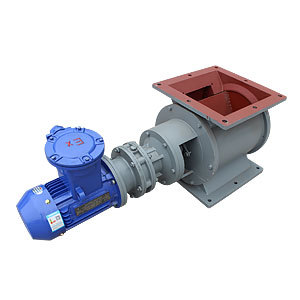
Daily inspection: Monitor the inlet and outlet pressure difference (normal 800-1500Pa), emission concentration, ash hopper material level, confirm that the ash discharge valve is operating normally, record core data to form a ledger.
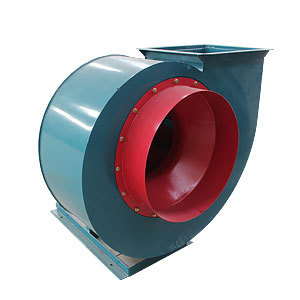
Weekly maintenance: Check the working sound of the pulse valve (no "hissing" air leakage sound), compressed air pressure (0.4-0.6MPa), and add suitable lubricating oil to the fan bearings and ash discharge valve gears.
Monthly in-depth inspection: sampling inspection of the surface of the filter bag for damage and adhesion, inspection of the flower plate sealing gasket and guide plate, cleaning of dust accumulation in the fan and pipeline. The Xinjiang Cigarette Factory has implemented targeted local maintenance by opening inspection doors, significantly reducing filter bag wear and tear.
Quarterly optimization: Adjust operation and maintenance parameters based on seasonal changes in dust concentration, perform anti-corrosion and rust prevention treatment on equipment shells and skeletons, test the sealing of filter bags, and repair minor leaks.
2. Risk warning: Avoiding faults in advance
Using digital tools to improve operation and maintenance efficiency: equipping high automation factories with remote monitoring systems to transmit real-time data on pressure differentials, emissions, etc., to achieve remote fault diagnosis; Design a "pressure difference abnormal alarm processing" flowchart for ordinary factories, allowing operators to quickly locate problems (such as sudden pressure drops, which are mostly caused by clogged filter bags, and sudden drops, which may be caused by damaged filter bags).
3. Spare parts guarantee: solving the problem of overseas procurement
To address the issue of long transportation cycles for overseas accessories, reserve vulnerable parts (filter bags, pulse valve membranes, seals) for 3-6 months in advance, and provide guidance on accessory identification and replacement to avoid long-term downtime due to missing parts.
5、 Regional adaptation: "customized optimization" of foreign trade scenarios
Due to the environmental differences in different regions overseas, targeted adjustments need to be made to the plan to ensure that the system is "adapted to the local soil and water".
1. High humidity areas in Southeast Asia: anti bonding and anti-corrosion
Core measures: Use hydrophobic membrane filter bags or plastic fired plate dust collectors; Install heating devices and mixers on the ash hopper to prevent dust from clumping and bridging; The equipment casing is made of 304 stainless steel material to reduce corrosion in humid environments.
2. High temperature and high dust areas in the Middle East: anti-aging and anti-wear measures
Core measures: Select high-temperature resistant PPS filter bags and insulation shells; Install a cyclone pre dust collector at the entrance to reduce the dust load on the filter bag; Upgrade the fan cooling system to avoid motor failures caused by high temperatures.
3. Europe and America Compliance Zone: Data Traceability
Core measures: Equip with online monitoring devices that comply with EPA/CE certification and store data for at least 1 year; Establish electronic operation and maintenance records, record information such as filter bag replacement and testing reports, and connect with the environmental audit platform.
4. Remote areas in Africa: simplification and durability
Core measures: Choose a pulse cleaning system with a simple structure to reduce complex components; The equipment adopts thickened steel plates and sand prevention design; Provide localized language operation and maintenance videos and a list of vulnerable parts.
6、 The core value of one-stop solutions: from "passive response" to "active protection"
Compared to the traditional model of "selection procurement installation operation and maintenance" where each link is disconnected, the one-stop dust removal solution achieves three major value upgrades through full chain collaboration: first, cost optimization. Through precise selection and scientific operation and maintenance, the system's entire lifecycle cost is reduced by 30% -40%; The second is compliance assurance, adapting to local environmental standards in advance to avoid fines and production stoppage risks; The third is to improve efficiency, reduce downtime caused by equipment failures, and ensure continuous and stable production.
For overseas factories, dust removal systems are not only environmentally friendly equipment, but also an important component of production assurance. The core of a one-stop solution is to provide professional full process services, allowing enterprises to focus on core production without having to distract themselves from dust removal issues - this is where its true value lies.
Hot Tags:


Contact Us
Tel:
WeChat:
WhatsApp:
E-mail:
Address:
338 National Road South, Longfengdian Village, Botou City, Hebei Province, China
JiuznTomine is expertly delivering technically complicated projects in markets & provides custom solutions for their customized need.


CONTACT INFO
Tel: +86 18531710311
WeChat: +86-18531710311
338 National Road South, Longfengdian Village, Botou City, Hebei Province, China