


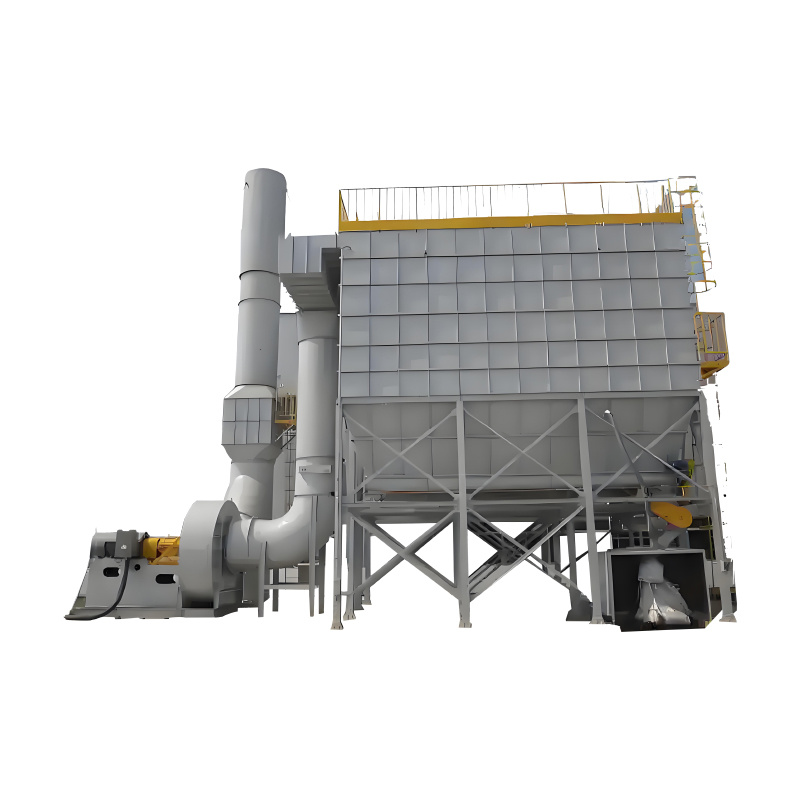
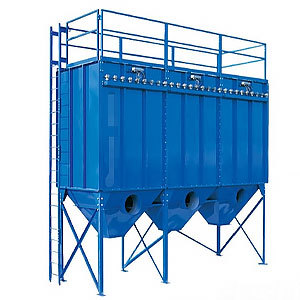
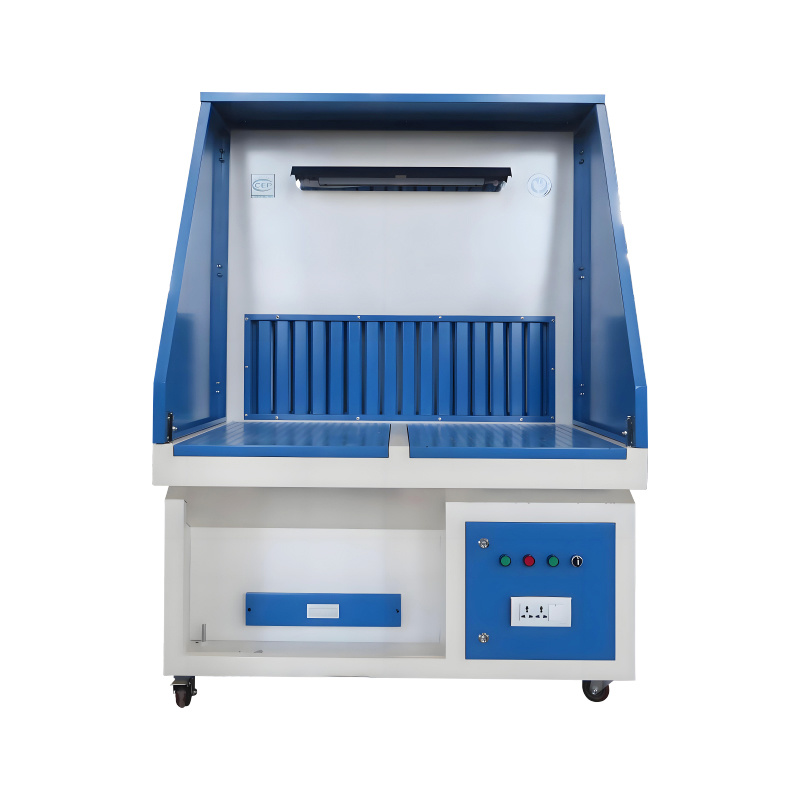
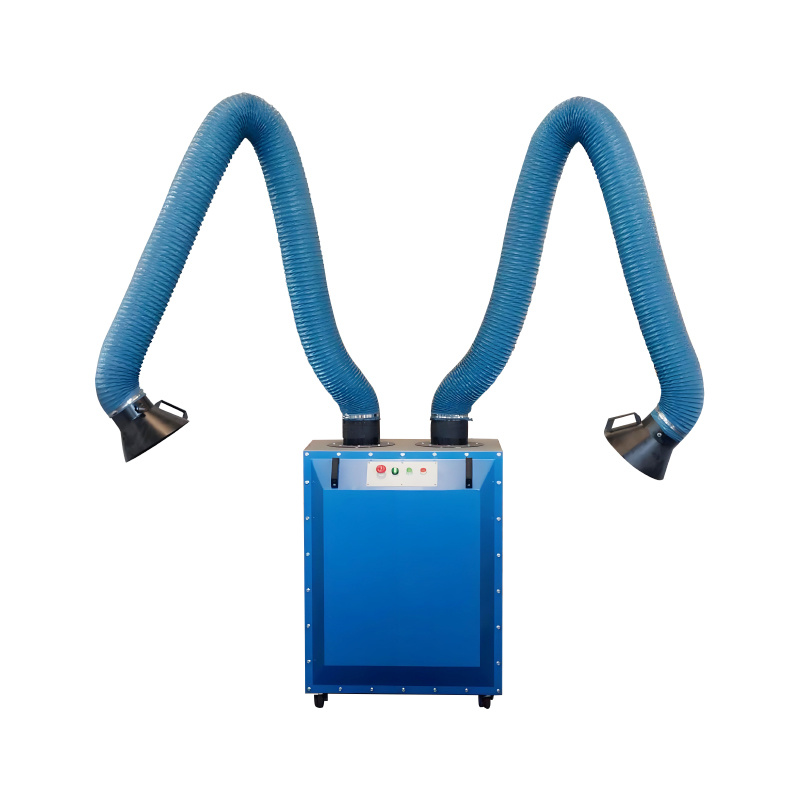










The core of bag filter operation and maintenance: practical methods to extend the life of filter bags
Nov 26,2025

In overseas industrial dust removal systems, the filter bag serves as the core filtering component of the bag filter, and its lifespan directly determines the equipment maintenance cost and emission compliance. A bag filter with a processing capacity of 100000 m ³/h, if the lifespan of the filter bag is shortened from 2 years to 8 months, the cost of replacing the filter bag alone will increase by 2 times, and frequent shutdowns may result in production losses of tens of thousands of dollars per hour. The key to extending the lifespan of filter bags lies in avoiding hidden problems in selection and operation, establishing a scientific full cycle management system, rather than simply relying on the material properties of the filter bags themselves.
1、 Avoiding pitfalls first: 4 root causes of short lifespan of filter bags
80% of premature damage, blockage, or aging of filter bags are due to selection errors and lack of basic operation and maintenance in the early stage. Before starting the operation and maintenance work, it is necessary to first investigate and solve the following root problems:
1. Filter bag selection: Mismatching that deviates from working conditions is the primary killer
The dust characteristics (temperature, humidity, corrosiveness, particle size) under different working conditions directly determine the service life of the filter bag, and selection deviation can lead to the failure of the filter bag in the short term:
Temperature mismatch: If polyester filter bags with a temperature resistance of 120 ℃ are used for power plant boiler flue gas (180-220 ℃), it will cause the filter bags to soften and shrink; Choosing expensive and high-temperature resistant filter bags for processing dust in room temperature food is a waste of resources. Correct approach: PPS material is preferred for high temperature (160-260 ℃) conditions, PTFE for ultra-high temperature (260-300 ℃) conditions, and polyester film coating for normal temperature conditions.
Media mismatch: Corrosive dust containing acid and alkali in the chemical industry may cause fiber breakage of the filter material if ordinary filter bags are used; If industrial grade filter bags are used for food factory dust, it may cause product contamination. Correct approach: Choose PTFE coated filter bags for corrosive conditions, and food factories must use FDA certified food grade filter bags.
Mismatch of dust characteristics: High humidity adhesive dust (such as feed factories) using smooth surface ordinary filter bags is prone to dust agglomeration and blockage; Using filter bags with poor air permeability for submicron fine powders (such as electronic factory welding fumes) can cause a sudden increase in pressure difference. Correct approach: Choose hydrophobic membrane filter bags for high humidity adhesive dust, and needle punched felt filter bags with high air permeability for fine powder.
2. Installation oversight: Minor errors causing long-term wear and tear
Minor flaws during the installation of filter bags will gradually enlarge during operation, leading to local wear and damage
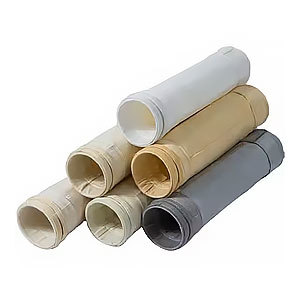
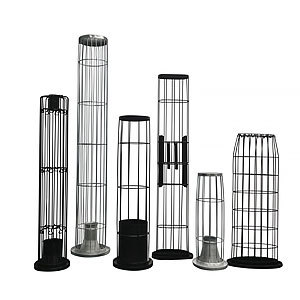
The filter bag is not tightly attached to the skeleton, and during operation, the filter bag shakes and rubs against the skeleton, resulting in "strip wear";
The skeleton has burrs or welding splashes, which directly scratch the inner wall of the filter bag and cause needle hole like damage in the short term;
The sealing between the filter bag mouth and the flower board is not tight, resulting in air leakage and causing local dust to wash the edge of the filter bag, forming a "circular wear".
Solution: Check the skeleton before installation, use sandpaper to polish any burrs, and ensure a smooth surface; After inserting the filter bag into the frame, gently pull to confirm that there are no wrinkles; After installation, apply soapy water to the flower board and check for air leakage by blowing air.
3. Accessory adaptation: Poor quality accessories accelerate the failure of filter bags
The performance of accessories such as pulse valves and cleaning pipes directly affects the stress and cleaning effect of filter bags
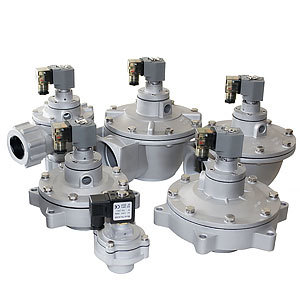
The aging of the pulse valve diaphragm leads to air leakage, resulting in uneven cleaning pressure, incomplete cleaning of some filter bags, and excessive impact on some filter bags;
The nozzle of the spray pipe is offset, and the high-pressure airflow directly flushes the local part of the filter bag, forming "point like damage";
The ash discharge valve is blocked, and the dust accumulation in the ash hopper is too high. The dust is blown back to the bottom of the filter bag, causing the lower part of the filter bag to be blocked.
2、 Daily operation and maintenance: Implement core measures according to "frequency grading"
Scientific operation and maintenance is not blindly increasing workload, but rather grading according to "daily weekly monthly quarterly", focusing on key nodes, and extending the lifespan of filter bags by more than 50%.
1. Daily check: 3 basic parameter locking exceptions
Spending 10 minutes monitoring core parameters daily can detect 80% of potential issues in advance
Differential pressure monitoring: Record the pressure difference between the inlet and outlet of the equipment, with a normal range of 800-1500Pa. If the pressure difference suddenly rises (exceeding 1800Pa), it may be due to filter bag blockage; If the pressure difference drops sharply (below 600Pa), it is necessary to investigate whether the filter bag is damaged or leaking air.
Emission monitoring: Observe the emission concentration through an online monitoring device. If it exceeds the standard (such as the European and American standard exceeding 10mg/m ³), immediately stop the machine and check the filter bag to avoid environmental fines.
Ash hopper status: Confirm that the ash discharge valve is operating normally without any abnormal noise, and the ash level gauge is displaying normally (not exceeding 1/3 of the ash hopper volume) to prevent dust accumulation and blowback.
2. Weekly Focus: Dust Cleaning System and Lubrication Maintenance
The dust cleaning system is a key factor affecting the lifespan of filter bags, and weekly inspections should be focused on:
Dust cleaning parameter calibration: Check the compressed air pressure to ensure it is stable at 0.4-0.6MPa. If the pressure is too high, it can easily impact the filter bag, and if it is too low, the dust cleaning will not be thorough; Adjust the pulse interval to 5-8 minutes/time when the dust concentration is high, and 15-20 minutes/time when the concentration is low.
Pulse valve inspection: Listen to the working sound of the pulse valve. If there is a "hissing" air leakage sound, disassemble and inspect the diaphragm. If there are cracks, replace it immediately (the service life of industrial diaphragm is about 1 million times of spraying).
Component lubrication: Add suitable lubricating oil to the fan bearings and ash discharge valve gears. Choose extreme pressure gear oil that can withstand temperatures above 200 ℃ for high temperature conditions to avoid vibration caused by dry grinding of components and indirect damage to the filter bag.
3. Monthly depth: Inspection of filter bag and structural integrity
Shutdown for 1-2 hours per month for in-depth inspection:
Sampling inspection of filter bags: Randomly select filter bags from different areas and observe whether there are signs of damage, adhesion, or aging on the surface. Touch the surface of the filter bag with your hand. If you feel hardened or have hard shell like dust, replace it in advance.
Structural sealing inspection: Check the sealing gaskets at the flower board, maintenance door, and flange. If aging or deformation occurs, immediately replace them with high and low temperature resistant silicone gaskets to prevent local wear of the filter bag caused by air leakage.
Airflow distribution inspection: Open the equipment maintenance door and observe whether the dust adhesion on the surface of the filter bag is uniform. If the dust accumulation on the local filter bag is severe, it may be due to the detachment of the guide plate, and it needs to be re fixed or equipped with a uniform flow net.
4. Quarterly Advancement: Systematic Optimization and Testing
Perform systematic maintenance once every quarter to improve overall operational stability:
Filter bag performance testing: dye testing or portable dust analyzer is used to test the sealing of the filter bag, locate small leaks, and repair them.
Optimization of dust cleaning system: Adjust the pulse blowing width (usually 0.1-0.2 seconds) and the cleaning timing of each compartment according to the quarterly changes in dust concentration to avoid excessive dust cleaning.
Anti corrosion and anti rust treatment: Inspect the equipment shell and skeleton, and apply anti rust paint or organic silicon coating under high humidity and corrosive conditions to prevent skeleton corrosion from contaminating the filter bag.
3、 Special working condition adaptation: regional adjustment in foreign trade scenarios
The differences in working conditions in different regions overseas will accelerate the loss of filter bags, and targeted adjustments to operation and maintenance strategies are needed:
1. High humidity areas in Southeast Asia: Anti bonding is the core
High humidity environments can easily cause dust to adhere to filter bags, leading to blockages. Solution: Install a heating device in the ash hopper to control the temperature 5-10 ℃ above the dew point; Select hydrophobic membrane filter bags and blow the surface of the filter bags in reverse with low-pressure compressed air (0.3MPa) every week; Perform a "deep cleaning" of the filter bags once a month, and remove some of the filter bags and rinse them with high-pressure water (only applicable to water-resistant filter materials).
2. High temperature and high dust areas in the Middle East: anti-aging and wear prevention
High temperature can easily cause aging of filter bag materials, while high dust can accelerate wear and tear. Solution: Choose high-temperature resistant PPS or PTFE filter bags, install pre dust collectors at the equipment inlet to reduce the concentration of dust entering the filter bags; Clean the cooling fins of the fan every week to avoid the motor overheating and disrupting the dust cleaning system; Check the temperature tolerance of the filter bag every month, and replace it immediately if the film falls off.
3. Compliance Zone in Europe and America: Data Traceability and Compliance
Environmental audits in Europe and America are strict, and operation and maintenance records must be traceable. Solution: Establish a filter bag operation and maintenance file, record the replacement date, material, and testing data of the filter bag, and interface with the factory MES system; Use CE certified filter bags and accessories, maintain and save test reports for auditing by EPA or EU environmental agencies.
4. Remote areas in Africa: simplifying operations and spare parts reserves
In some regions of Africa, there is a shortage of technical personnel and long transportation cycles for accessories. Solution: Choose a pulse cleaning system with a simple structure to reduce complex components; Reserve vulnerable parts such as filter bags and pulse valve membranes for 3-6 months; Develop a simplified operation manual with multilingual illustrations to reduce operational difficulty.
4、 Common Misconception: Avoid the minefield of "the more you maintain, the more damaged the bag"
Misconception 1: Frequent dust cleaning can prevent blockage → Consequences: Excessive dust cleaning can damage the initial layer of dust on the surface of the filter bag, leading to a decrease in filtration efficiency and accelerating filter bag wear. Correct approach: Use pressure difference as the core basis, rather than fixed time cleaning.
Misconception 2: Using low-priced filter bags to reduce costs → Consequences: Low price filter bags are made of poor materials and have a lifespan only one-third of high-quality filter bags. Frequent replacement can actually increase the total cost. The correct approach is to select compliant filter bags according to the working conditions and calculate the "life cost" rather than the "single cost".
Misconception 3: Only replace a single damaged filter bag → Consequences: If the cause of the damage is not investigated (such as burrs on the skeleton or offset of the spray pipe), the new filter bag will quickly break. Correct approach: When replacing damaged filter bags, check the relevant accessories simultaneously to eliminate the root cause of the problem.
The core of extending the lifespan of bag filter bags in bag filters lies in "precise selection+scientific operation and maintenance+regional adaptation". For overseas factories, this not only reduces the cost of filter bag replacement and downtime losses, but also ensures emission compliance and avoids environmental risks. The operation and maintenance work does not need to pursue "comprehensiveness", but focuses on the key nodes of the filter bag life cycle, achieving the longest service life with the minimum workload. This is the core value of bag filter operation and maintenance.
Hot Tags:
PREVIOUS:


Contact Us
Tel:
WeChat:
WhatsApp:
E-mail:
Address:
338 National Road South, Longfengdian Village, Botou City, Hebei Province, China
JiuznTomine is expertly delivering technically complicated projects in markets & provides custom solutions for their customized need.


CONTACT INFO
Tel: +86 18531710311
WeChat: +86-18531710311
338 National Road South, Longfengdian Village, Botou City, Hebei Province, China