











Filter cartridges and bag filters: a comparison guide for selection in various industries
Nov 25,2025

In the field of industrial dust removal, filter cartridges and bag filters are the two most widely used types of equipment. The core difference between the two lies in the filtering method and structural design, and there is no absolute superiority or inferiority. The key to selection lies in matching the characteristics of industry working conditions.
1、 Core difference: filtering principle and structural characteristics
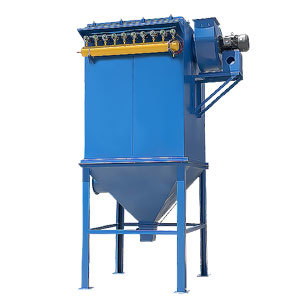
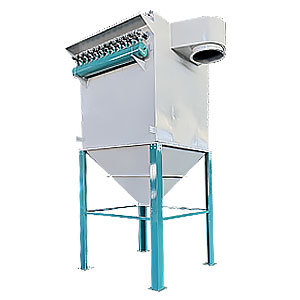
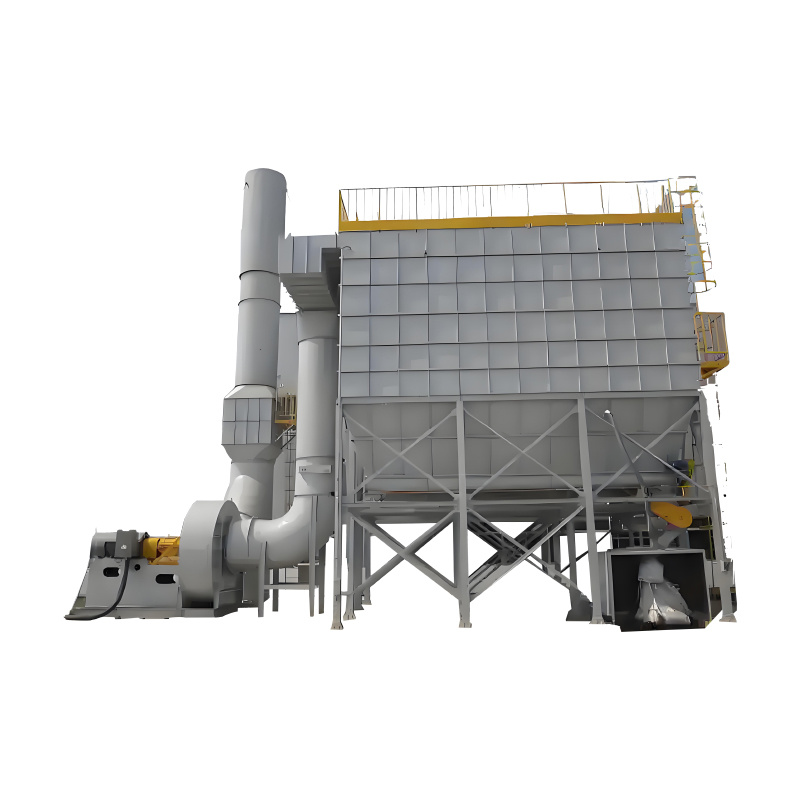
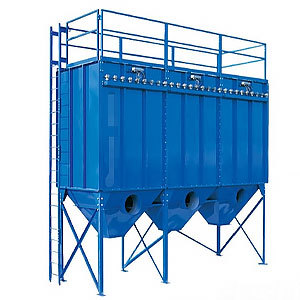
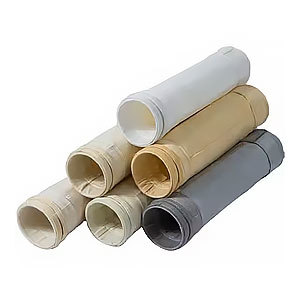
Bag filter uses cylindrical or flat bag shaped fiber filter material as the core, relying on the deep fiber gaps and dust layer formed on the surface of the filter material to achieve filtration, which belongs to deep filtration technology. The filter material has no fixed wrinkles, and the filtration area is proportional to the volume of the equipment.
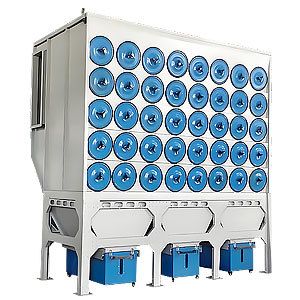
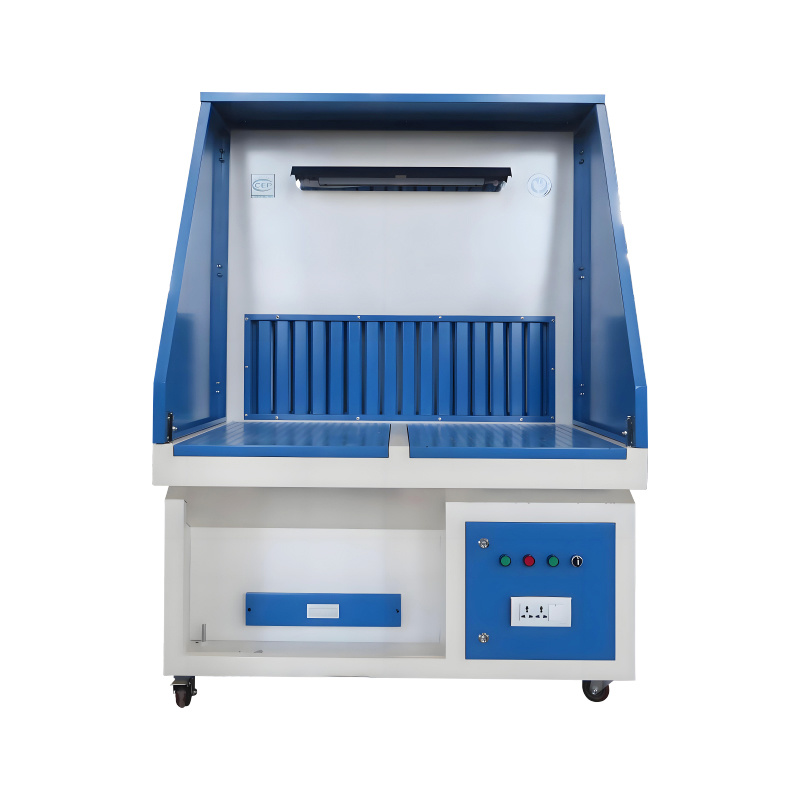
The filter cartridge dust collector adopts a foldable filter cartridge, and the filter material is mostly polyester or membrane material. It directly captures particulate matter through a smooth surface filter membrane, which belongs to surface filtration technology. The pleated design allows for a filtration area of 2-3 times that of a bag filter under the same volume, with lower system resistance, typically only 500-1000Pa, while bag filters often have resistance between 1500-2000Pa.
2、 Key selection dimensions: considerations from operating conditions to costs
1. Dust characteristics: the core that determines filtration efficiency
The film coating technology of the filter cartridge dust collector has better capture efficiency for fine dust above 0.5 microns, and the emission concentration is easier to meet ultra-low standards. It is suitable for light and fine dust scenarios such as electronic welding cigarettes, pharmaceutical powder, and food processing dust. If this type of dust is treated with cloth bags, it requires a thicker dust layer to ensure efficiency, which can easily lead to a surge in resistance.
The deep filtration characteristics of bag filter make it more adaptable to high concentration and coarse particle dust in industries such as cement and metallurgy. Its filter material has a larger dust holding capacity and can withstand higher dust loads, making it less prone to efficiency degradation due to instantaneous concentration fluctuations. However, under oil containing and high humidity conditions, the bag is prone to clogging and failure, and although the filter cartridge has slightly better adhesion resistance, it still needs to be equipped with dehumidification or oil removal devices.
2. Operating conditions: adaptation boundary between temperature and space
In terms of temperature adaptability, bag filters have more advantages. When using special material filter materials (such as PPS and Flumes), they can withstand high temperature flue gas up to 260 ℃, fully adapting to the high-temperature conditions at the kiln tail of steel and cement plants. The temperature resistance of the filter cartridge dust collector is mostly between 60-120 ℃, which can only meet the normal temperature scenarios such as mechanical processing and woodworking. The filter material is prone to softening and deformation in high temperature environments.
In terms of space utilization, the filter cartridge dust collector has significant advantages. Under the same processing air volume, its equipment volume is reduced by 30% -50% compared to bag filters, making it particularly suitable for small workshops in Southeast Asia and compact factories in Europe and America with limited space. Bag filter is more suitable for open factory areas such as mining and metallurgy due to the need for hanging filter bags and higher equipment height.
3. Maintenance and Cost: Economic Balance for Long term Operation
The filter cartridge dust collector adopts a modular design, with a single filter cartridge replacement taking only a few minutes, short downtime for maintenance, and low labor costs. It is suitable for high labor cost European and American regions or welding workshops that require frequent maintenance. But the unit price of the filter cartridge is relatively high, and the total cost of long-term replacement is not low.
The unit price of bag filter bags in bag dust collectors is cheap, but when replacing them, the frame needs to be disassembled and replaced bag by bag, which is cumbersome to operate, has high labor costs, and has long downtime. However, under high dust concentration conditions, the lifespan of the bag can reach 2-3 years, while the filter cartridge needs to be replaced every 1-1.5 years. The overall lifespan cost varies.
3、 Practical selection guide for various industries
1. Prioritize industries with filter cartridges and dust collectors
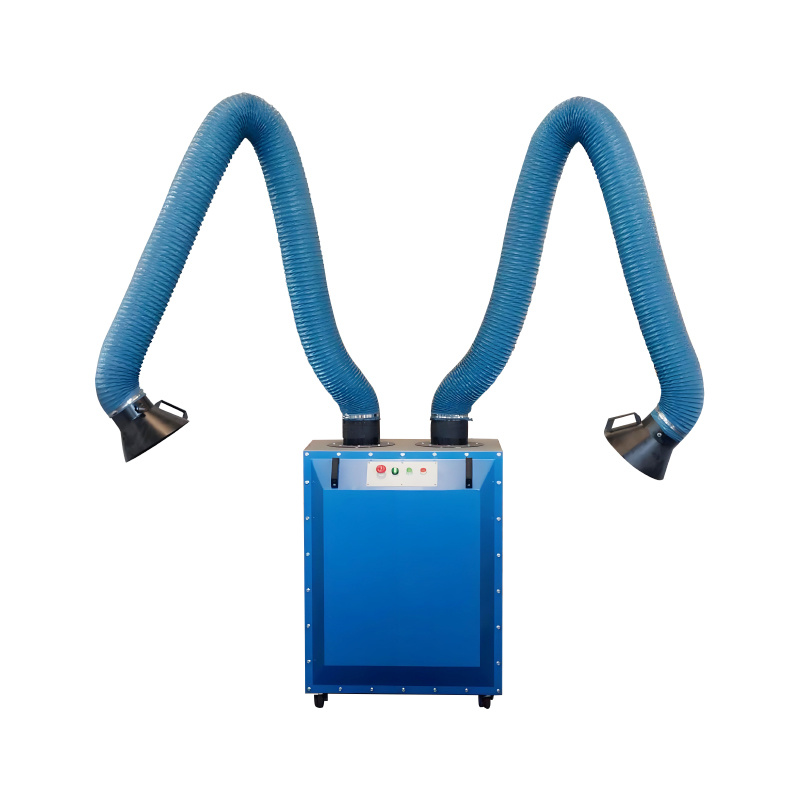
Electronics and automotive manufacturing: Welding smoke particles are fine and low in concentration, and the high-efficiency filtration and small volume characteristics of the filter cartridge are fully compatible, which can be directly installed near the production line.
Pharmaceuticals and food: High requirements for emission purity, no risk of dust falling off from the membrane filter cartridge, and easy to clean, in compliance with FDA or GMP certification requirements.
Furniture and Woodworking: Wood dust is lightweight and dry, and the filter cartridge is thoroughly cleaned. The modular design facilitates flexible layout in the workshop and reduces space occupation.
2. Prioritize industries that use bag filters for dust removal
Metallurgy and Steel: High temperature flue gas (150-260 ℃), high concentration iron oxide dust, and high-temperature resistant cloth bags can be directly adapted without the need for additional cooling devices.
Cement and building materials: Cement powder has a high concentration, is easy to absorb moisture, and the bag has a large dust holding capacity and better resistance to compaction (compared to ordinary filter cartridges), making it stable to operate.
Mining and Coal: The raw coal is crushed and the dust particles are coarse, with a large output. The bag filter has a large processing air volume, and the cost of replacing the filter bag during maintenance is low, which is more in line with the industry's budget requirements.
3. Industries that require comprehensive evaluation
Chemical industry: If it is room temperature, low concentration corrosive dust, PTFE coated filter cartridges can be used; If it is a high temperature and high concentration working condition, priority should be given to using Flumes material cloth bags.
Feed processing: Dust contains oil and is easy to stick, so it is necessary to compare the use of oil resistant filter cartridges and anti stick cloth bags, while also supporting a complete dust cleaning and dehumidification system.
4、 Selection Summary: Three Step Locking Adaptation Solution
The first step is to clarify the core operating conditions: record the particle size, concentration, temperature, humidity, and corrosiveness of dust, and define the boundaries of equipment temperature resistance and filtration accuracy; Step 2: Evaluate the site and cost: Determine the equipment volume requirements based on the factory space, and calculate long-term maintenance costs in conjunction with labor costs; The third step is to match industry cases: refer to the selection experience of similar enterprises, and prioritize selecting equipment types that have been verified by operating conditions.
The selection of filter cartridges and bag filters is essentially based on matching production needs with equipment characteristics. Whether pursuing ultra-low emissions or adapting to harsh working conditions, precise docking is the key to achieving a balance between dust removal efficiency and economy.
Hot Tags:


Contact Us
Tel:
WeChat:
WhatsApp:
E-mail:
Address:
338 National Road South, Longfengdian Village, Botou City, Hebei Province, China
JiuznTomine is expertly delivering technically complicated projects in markets & provides custom solutions for their customized need.


CONTACT INFO
Tel: +86 18531710311
WeChat: +86-18531710311
338 National Road South, Longfengdian Village, Botou City, Hebei Province, China