


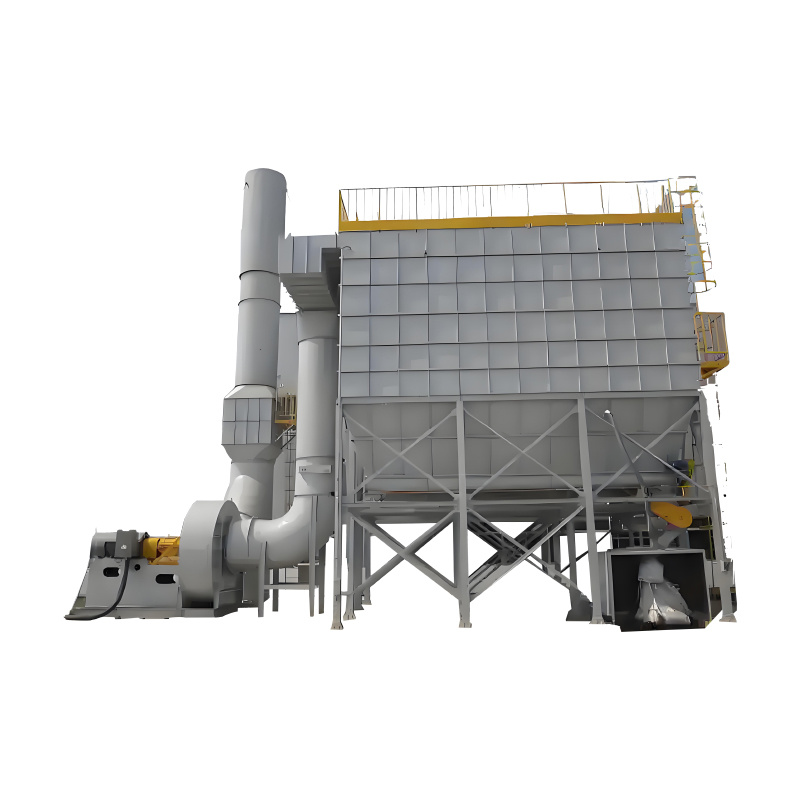
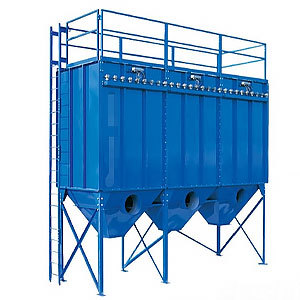
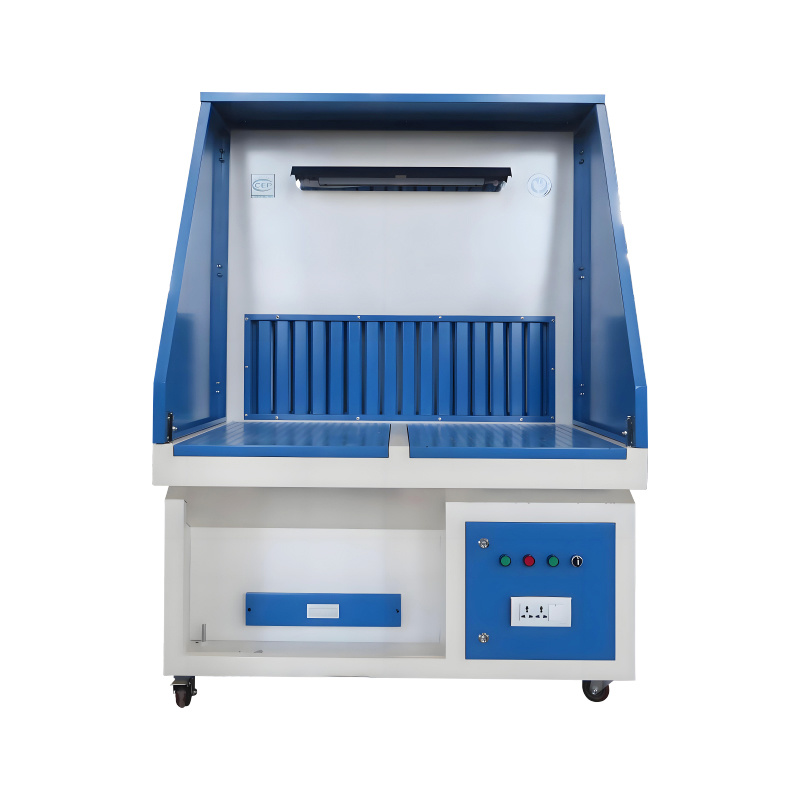
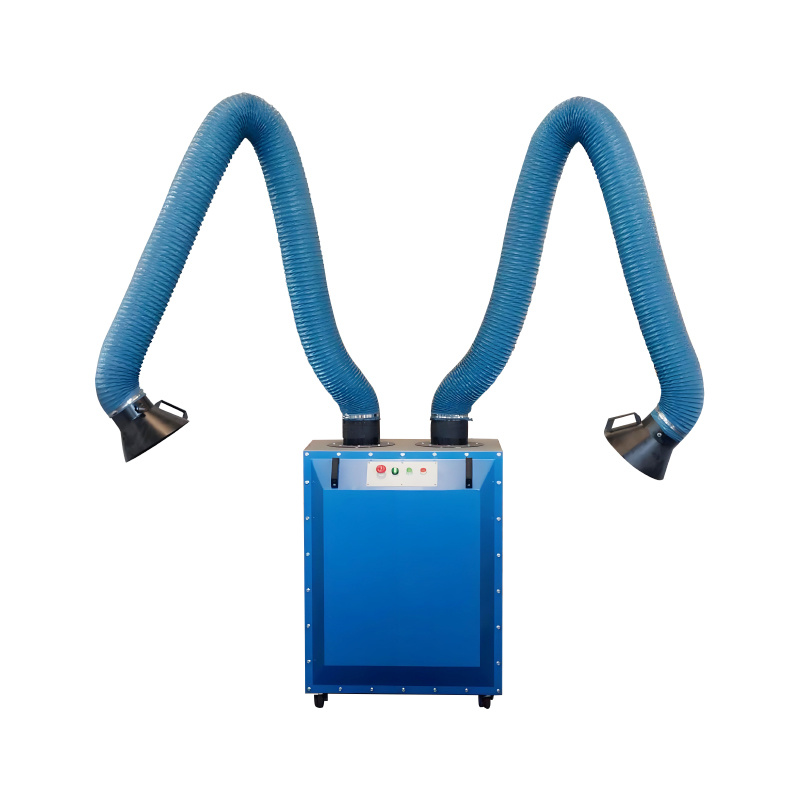










Maintenance of Plastic Burning Plate Dust Collector: Comprehensive Guide to Core Component Maintenance
Nov 25,2025

Plastic fired board dust collectors are widely used in overseas factories in various industries such as chemical, food, metallurgy, etc. due to their high humidity resistance, anti adhesion, and easy maintenance characteristics. The stability of its operation directly depends on the state of the core components. Once there are problems with the plastic burning plate filter material, cleaning system, etc., it is easy to cause a surge in pressure difference and excessive emissions.
1、 Core understanding: Maintenance logic of plastic fired board dust collector
Compared with bag filter, plastic fired plate dust collector has the core advantage of rigid filter material, but it is not a "maintenance free" equipment. The faults are mainly caused by three types of problems: filter material blockage, dust cleaning failure, and seal damage. Maintenance should follow the principle of "prevention first, targeted maintenance", and avoid hidden dangers in advance through regular inspections. Differentiated maintenance plans should be developed based on the characteristics of different components, rather than waiting for equipment shutdown to passively deal with them.
The core maintenance indicators need to be focused on: the normal operating pressure difference should be controlled between 800-1500Pa, the cleaning pressure should be stable at 0.4-0.6MPa, and the emission concentration should comply with local standards. These data are the basis for judging the equipment status.
2、 Key component maintenance: full process techniques from filter media to system
1. Plastic fired plate filter material: maintenance of the "heart" of the equipment
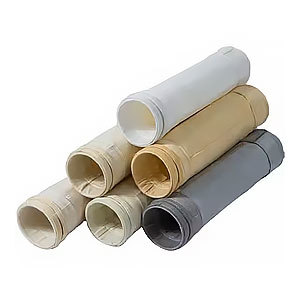
Plastic fired plate filter material is the filtering core, and its lifespan is usually 3-5 years, but improper maintenance can shorten it to 1-2 years. Accurate handling is required for three common issues: blockage, corrosion, and damage
Dust blockage: The primary cause of increased pressure difference is judged based on the following criteria: the pressure difference continues to exceed 1800Pa and there is no significant decrease after dust cleaning; Dust crust appears on the surface of the filter material. Different types of dust have different treatment methods: Dry dust is cleaned by low-pressure back blowing, using 0.3-0.4MPa compressed air to blow back from the clean side of the filter material to avoid high-pressure damage to the micropores of the filter material. Control the blowback time at 10-15 seconds, repeat 2-3 times with a 30 second interval to ensure dust removal. Sticky dust: Soak the filter material in warm water at 40-60 ℃ for 30 minutes to soften the dust, then gently scrub the surface with a neutral detergent, and finally rinse with clean water until the pH value is neutral. After drying, proceed with installation. If the blockage is severe, ultrasonic cleaning can be used. Place the filter material in the ultrasonic cleaning tank for 60 minutes and rinse to dry. High humidity dust: In addition to regular cleaning, a heating device needs to be installed in the ash hopper to control the temperature 5-10 ℃ above the dew point, reducing dust adhesion from the source.
Chemical corrosion: The invisible killer of filter material failure is judged based on the appearance of pitting, discoloration, and decreased strength on the surface of the filter material, which often occurs in corrosive working conditions such as chemical and electroplating. Maintenance technique: If it is mild corrosion, it can be treated with the corresponding neutralizing agent first, and then rinsed clean with water; If structural damage has occurred, the filter material should be replaced immediately, and PTFE coated corrosion-resistant models should be prioritized. Daily monitoring of smoke components needs to be strengthened, and if corrosive media exceed the standard, the process should be adjusted in a timely manner.
Physical damage: The direct cause of the sudden drop in filtration efficiency is judged based on the sudden increase in dust concentration at the discharge outlet. Upon inspection, cracks, holes, or edge damage were found in the filter material, which are often caused by installation collisions or nozzle displacement impacts. Maintenance tips: Small area holes can be sealed with specialized filter material repair glue; If the damaged area exceeds 10cm ², it needs to be replaced as a whole. During installation, handle with care to avoid hard contact between the filter material and metal parts. At the same time, calibrate the position of the spray pipe to ensure that the nozzle is aligned with the center of the filter material.
2. Ash cleaning system: the "power guarantee" for stable operation
The dust cleaning system includes a pulse valve, a spray pipe, and a compressed air system, and its failure can directly cause filter material blockage. It needs to be maintained according to the process of "component troubleshooting parameter calibration":
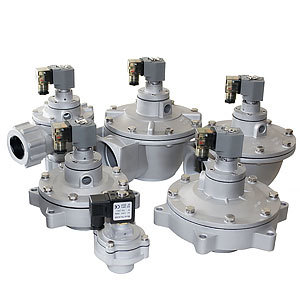
Pulse valve: the "execution core" for dust cleaning. Common problems include membrane damage causing weak blowing, and solenoid valve jamming causing delayed action. Judgment criteria: There is no obvious blowing sound during dust cleaning, or the pulse valve body is heating up. Maintenance tips: Disassemble the pulse valve and inspect the diaphragm. If cracks or aging occur, replace it immediately; When the solenoid valve is stuck, it can be disassembled and wiped with alcohol to test its flexibility after reassembly. High temperature membranes with a resistance of over 200 ℃ should be used in high-temperature regions of the Middle East, and rainproof covers should be installed outside the valve body in high humidity regions of Southeast Asia.
Spray tube: Key channel for airflow guidance. Common problems include nozzle blockage and spray tube deviation. Judgment criteria: Some filter media have been thoroughly cleaned of dust, while others still have severe dust accumulation, showing a phenomenon of "local blockage". Maintenance technique: Regularly blow the inside of the spray pipe with compressed air to remove dust accumulation at the nozzle; Loosen the fixing bolts to adjust the position of the spray pipe, ensuring that the deviation between the nozzle and the center of the plastic burning plate does not exceed 5mm, and the spray angle is perpendicular to the surface of the filter material. After adjustment, it is necessary to conduct a power on test to observe whether the cleaning effect of each filter material is uniform.
Compressed air system: The "energy source" for dust cleaning. Common problems include filter material pollution caused by oil and water content, and unstable pressure affecting the dust cleaning effect. Judgment criteria: Oil stains appear on the surface of the filter material, or the pressure gauge pointer fluctuates frequently. Maintenance technique: Install a dryer and oil mist separator in the compressed air pipeline, and discharge the accumulated liquid in the separator every week; Regularly calibrate the pressure regulating valve to ensure that the cleaning pressure remains stable at 0.4-0.6MPa. If the pressure continues to be low, it is necessary to check whether the pipeline is leaking and replace the damaged air pipe in a timely manner.
3. Sealing system: a "protective barrier" to avoid "short circuits"
Sealing failure can cause unfiltered flue gas to be directly discharged from the gaps, resulting in excessive emissions. The following areas need to be inspected with emphasis:
Filter material and flower plate sealing: Common problems with core sealing points include aging sealing strips and loose installation of filter materials. Judgment criteria: There is dust overflow at the flower board, or a "hissing" air leakage sound is heard during equipment operation. Maintenance technique: Remove the aging rubber strip and replace it with a high and low temperature resistant silicone strip. Apply sealant on the surface of the rubber strip during installation to enhance sealing performance; Reinstall the filter material, ensure that the cover bolts are evenly tightened, and use a feeler gauge to check that the gap does not exceed 0.1mm.
Inspection door and flange sealing: Common issues that are easily overlooked include deformation of the sealing gasket and loosening of bolts. Maintenance technique: Regularly inspect and repair door bolts, and reinforce them using the "diagonal tightening" method; If the sealing gasket deforms, replace it with a fluororubber gasket of the same specification, especially under chemical corrosion conditions, to avoid rapid aging of ordinary rubber gaskets.
4. Ash unloading system: End of pipe guarantee to prevent "secondary pollution"
A malfunction in the ash unloading system can cause dust accumulation in the ash hopper, leading to secondary blockage of the filter material. The focus of maintenance is on the ash unloading valve and ash hopper
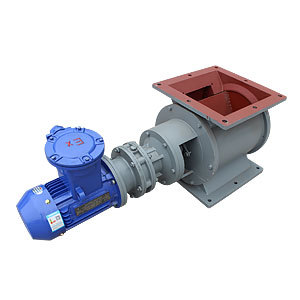
Ash discharge valve: the "power hub" for ash discharge. Common problems include motor jamming and impeller wear. Judgment criteria: Abnormal noise during the operation of the ash discharge valve, or the ash level gauge displaying full range but no dust discharge. Maintenance tips: Clean the dust inside the impeller after shutdown, check if the impeller is worn, and replace it if the blade thickness decreases by 1/3; Add high-temperature resistant grease to the motor bearings and check the lubrication condition monthly.
Ash hopper: a key container for dust storage. Common problems include dust bridging and inner wall corrosion. Judgment basis: There is a "bulge" at the bottom of the ash hopper, or the ash discharge valve is frequently blocked. Maintenance technique: Use an air cannon to break through dust and build bridges; Apply wear-resistant and anti stick coating on the inner wall of the ash hopper, and install high-frequency vibrators in high humidity areas to prevent dust adhesion.
3、 Adaptation of maintenance process to regional working conditions
1. Standardized maintenance process
1. Shutdown preparation: Close the inlet and outlet valves of the dust collector, cut off the power supply and hang a warning sign. After ensuring safety, open the maintenance door for ventilation for 30 minutes.
2. Status detection: Record current parameters such as pressure difference and emission concentration, compare them with historical data, and preliminarily determine the direction of the fault.
3. Component inspection: Check the faulty components one by one in the order of "filter material → cleaning system → sealing system → unloading system".
4. Maintenance handling: Implement cleaning, replacement, calibration and other operations according to the type of fault, and recheck the status of each component after completion.
5. Power on test: Gradually open the inlet and outlet valves, monitor the operating parameters, and ensure that the pressure difference and emission concentration return to the normal range.
2. Adaptation and adjustment of working conditions in overseas regions
High humidity areas in Southeast Asia: The core risks are filter material adhesion and equipment corrosion. Additional measures: Install dehumidifiers on the electrical cabinet, conduct monthly rust prevention treatment on the ash hopper and flange, and use hydrophobic plastic fired plate filter material.
Middle East high-temperature zone: The core risks are aging of seals and overheating of motors. Additional measures: Replace the pulse valve diaphragm and sealing gasket that can withstand high temperatures of 300 ℃, install a cooling fan on the fan motor, and regularly clean the dust accumulation on the cooling fins.
European and American compliance zone: The core requirements are data traceability and component certification. Additional measures: Record the replacement date of filter media, adjustment of cleaning parameters, and other information after maintenance. Use CE certified pulse valves, sensors, and other components for environmental audits.
Remote areas in Africa: The core issues are shortage of accessories and limited technology. Additional measures: Reserve vulnerable parts for 3 months of use, choose a structurally simple dust cleaning system to reduce maintenance difficulty.
4、 Safe operation and precautions
High altitude maintenance requires wearing safety belts, and oxygen concentration should be tested before entering enclosed spaces such as ash hoppers to avoid the risk of suffocation.
When cleaning filter media chemically, it is necessary to wear acid and alkali resistant gloves and goggles to avoid direct skin contact with corrosive solutions.
After replacing the filter material, a sealing test should be conducted. The "soap water application method" can be used to check the gaps and ensure that no bubbles are generated.
Establish a maintenance ledger to record the status, operation content, and operational data of each maintenance component, providing a basis for subsequent maintenance.
The maintenance core of the plastic fired plate dust collector lies in "precise positioning of problems and targeted treatment". By focusing on core components such as filter media and cleaning systems, and optimizing maintenance strategies based on regional working conditions, the equipment life can be effectively extended by more than 30%, ensuring long-term compliance with emissions regulations. For overseas factories, a standardized maintenance process can not only reduce failure losses, but also improve the stability of equipment operation, safeguarding production.
Hot Tags:


Contact Us
Tel:
WeChat:
WhatsApp:
E-mail:
Address:
338 National Road South, Longfengdian Village, Botou City, Hebei Province, China
JiuznTomine is expertly delivering technically complicated projects in markets & provides custom solutions for their customized need.


CONTACT INFO
Tel: +86 18531710311
WeChat: +86-18531710311
338 National Road South, Longfengdian Village, Botou City, Hebei Province, China