












Troubleshooting of industrial dust collectors: tips for solving pressure difference abnormalities and dust cleaning failures
Nov 22,2025

In the operation of industrial dust removal systems, the inlet and outlet pressure difference is the core indicator reflecting the equipment status, while the dust cleaning system is the key guarantee for maintaining stable pressure difference. Abnormal pressure difference (too high or too low) and dust cleaning failure are often interrelated. If not dealt with in a timely manner, it may lead to excessive loss of filter materials, excessive emissions, and even equipment shutdown. This article focuses on two typical types of faults, providing a complete troubleshooting path from judgment basis to solution measures, suitable for the operation and maintenance needs of overseas factories in multiple industries such as chemical, metallurgical, and food.
1、 First, clarify the core logic: the correlation between abnormal pressure difference and dust cleaning failure
The normal pressure difference range of industrial dust collectors is usually 800-1500Pa (specific equipment model and operating conditions need to be referred to), which is determined by the balance relationship between the filtering resistance of the filter material and the cleaning system. When the dust removal system cannot effectively remove the dust layer on the surface of the filter material, the continuous increase in filter layer thickness will directly lead to a surge in resistance (high pressure difference); On the contrary, if the dust cleaning is excessive or the filter material is damaged, there may be a low pressure difference, accompanied by excessive emission concentration. The investigation of both should follow the principle of "first determining the type of abnormal pressure difference, and then locating the crux of the dust cleaning system".
2、 Abnormal pressure difference: breaking through the classification from "too high" to "too low"
The investigation of abnormal pressure difference should be combined with the recording of operating parameters (such as pressure difference change curve, cleaning frequency, flue gas parameters), and the cause should be identified through "data comparison+component inspection".
1. High pressure difference: the most common fault, with the core pointing to "increased resistance"
When the pressure difference continues to exceed 1800Pa or rises sharply in a short period of time, it is necessary to investigate in the order of "filter material → ash cleaning system → airflow → ash hopper":
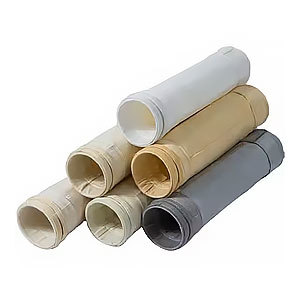
Filter material blockage: The most direct cause is judged based on the appearance of hard shell like dust clumps on the surface of the filter bag/filter cartridge, or the equipment running for much longer than the recommended lifespan of the filter material. Common reasons include: high humidity smoke causing dust adhesion (such as in Southeast Asian food factories), fine dust particle size (such as welding smoke in electronic factories), and incorrect selection of filter materials (such as using ordinary filter bags to treat high-temperature smoke). Solution: For short-term bonding, the cleaning frequency can be increased (such as reducing the pulse interval from 15 minutes to 5 minutes), and a heating device can be installed in the ash hopper (controlling the temperature 5-10 ℃ above the dew point); If the filter material has hardened, it needs to be replaced as a whole, and the replacement should match the working conditions - PTFE coated filter bags are selected for chemical corrosion scenarios, PPS material is selected for high temperature scenarios, and FDA grade filter materials are selected for food factories.
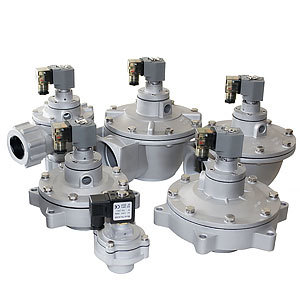
Ash cleaning system failure: The key to determining the increase in resistance is based on the absence of obvious pulse sound during ash cleaning or a compressed air pressure gauge reading below 0.4 MPa. Specific issues include damage to the pulse valve diaphragm, displacement of the spray pipe, and compressed air containing oil and water. Solution tip: Disassemble the pulse valve and inspect the diaphragm. If cracks appear, replace it immediately (industrial grade diaphragms typically have a lifespan of 1 million blowouts); Adjust the position of the spray pipe to ensure that the nozzle is aligned with the center of the filter bag (with a deviation of no more than 5mm); Install a dryer and oil mist separator in the compressed air pipeline, especially in high dust areas in the Middle East and high humidity areas in Southeast Asia, and discharge the accumulated liquid from the separator every week.
Uneven airflow distribution: Local filter material overload judgment basis: Some filter bags inside the equipment are damaged, and some filter bags have serious dust accumulation. This is often caused by the detachment of the air inlet guide plate or unreasonable air duct design. Solution tip: Open the equipment maintenance door, check the fixing condition of the guide plate, and if it falls off, re weld it; For small dust collectors, a uniform flow screen can be installed at the inlet to ensure that the flue gas is evenly distributed to each filter bag chamber.
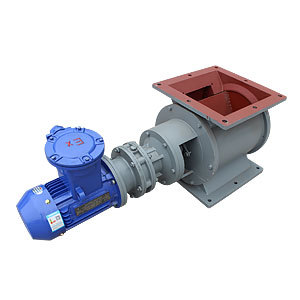
Ash hopper blockage: secondary dust increases resistance judgment basis: the ash level meter displays full range, or the ash discharge valve makes abnormal noise. High humidity and high viscosity dust (such as in feed factories) are prone to clumping and bridging on the inner wall of the ash hopper. Solution tip: Immediately stop the machine to clean the ash hopper, and use an air cannon to break up clumps (pressure controlled at 0.6-0.8MPa); Long term prevention requires laying wear-resistant and anti stick coatings on the inner wall of the ash hopper, or installing high-frequency vibrators (starting once per hour for 30 seconds each time).
2. Low pressure difference: easily overlooked, with hidden emission risks
When the pressure difference is below 600Pa, it is necessary to focus on investigating "filter material damage" and "sealing failure" to avoid exceeding environmental standards due to filtration failure:
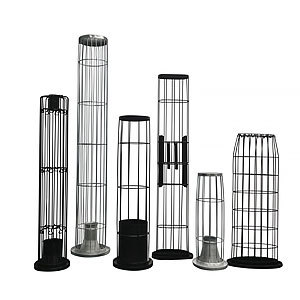
Damaged filter material: The basis for determining the failure of the filter barrier is that the dust concentration detector reading at the discharge outlet exceeds the standard (such as exceeding the EU standard of 10mg/m ³), or there are obvious signs of air leakage inside the equipment. The main reasons for damage are high cleaning pressure (exceeding 0.6MPa), aging of filter materials, and burrs and scratches on the skeleton. Solution: Use a portable dust detector to detect each point at the filter bag mouth, locate the damaged filter bag, and replace it; Adjust the cleaning pressure to 0.4-0.6MPa, check for burrs on the frame when replacing the filter bag, and if necessary, apply organic silicon spray treatment.
Seal aging: judgment criteria for airflow short circuit: dust overflow at equipment maintenance doors and flange connections. High temperature and corrosive working conditions can easily lead to aging of sealing gaskets (such as dust collectors in power plants). Solution: Remove the aging sealing gasket and replace it with a high and low temperature resistant silicone gasket (temperature range -40 ℃ to 200 ℃). Apply sealant evenly on the sealing surface during installation to ensure a compression of 30%.
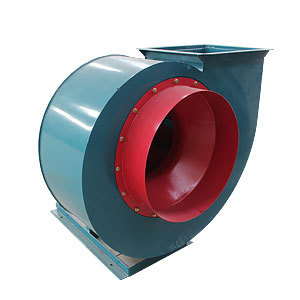
Abnormal air volume: The judgment basis for system resistance imbalance is that the fan current is lower than the rated value, and the dust concentration in the workshop increases. Mostly caused by loose fan belts or blocked pipelines. Solution tip: Check the tension of the fan belt, and adjust the tensioning wheel if it is loose; To clean the dust inside the pipeline, a segmented blowing method can be used (pushing from the air outlet to the air inlet).
3、 Dust removal failure: Accurately break through the situation according to the "dust removal method"
Ash cleaning failure is divided into "complete failure" and "partial failure", and the core is related to the power source, control logic, and executing components of the ash cleaning system. It needs to be classified and investigated according to the three mainstream methods of pulse blowing, mechanical vibration, and back blowing.
1. Pulse jet dust cleaning failure: the most common type of industrial dust collector
In addition to the pulse valve and compressed air issues mentioned earlier, special attention should be paid to "control logic abnormalities":
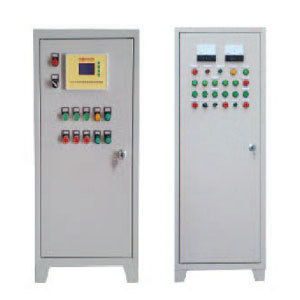
Pulse controller malfunction: The judgment basis is that the cleaning timing is chaotic or some pulse valves do not operate. Solution: Check if the wiring between the controller and the pulse valve is loose, and re plug and unplug the terminals; If the program is disrupted, it is necessary to reset the parameters after restoring the factory settings (such as spraying width of 0.1-0.2 seconds, interval of 5-20 minutes, and switching interval of 10 seconds when cleaning the dust in the compartment).
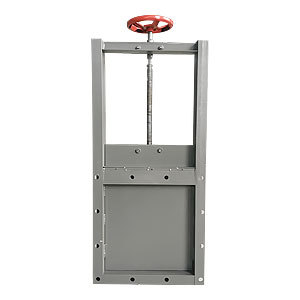
Leakage of the partition valve: The judgment is based on pressure fluctuations in the non cleaning chamber. Solution: Close the shut-off valves before and after the chamber valve, disassemble the valve core to check the sealing surface, and if there is wear, grind, repair or replace it.
2. Mechanical vibration dust removal failure: mostly used for small dust collectors
The common problems are "insufficient vibration force" or "filter bag fixed too tightly":
Insufficient vibration force: Check if the motor power matches. If the motor ages, it needs to be replaced; Adjust the angle of the eccentric block (the larger the angle, the stronger the power, usually not exceeding 45 °).
Tight fixing of filter bag: Loosen the clamp at the top of the filter bag and leave 5-10mm of movement allowance to ensure that the filter bag can fully deform and peel off dust during vibration.
3. Anti blowing dust removal failure: mostly used in large electrostatic+bag collaborative systems
The core issue is "insufficient blowback pressure" or "stuck switching valve":
Insufficient blowback pressure: Check the opening of the inlet and outlet valves of the fan to ensure they are fully open; Clean up the dust accumulation on the fan impeller and restore the air flow.
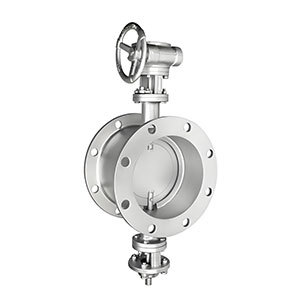
Switching valve jamming: Disassemble the valve and check the valve plate. If there is dust agglomeration, it needs to be cleaned. Add high-temperature resistant grease (suitable for working conditions above 200 ℃) to the valve shaft.
4、 Collaborative fault handling: Establish a closed loop of "troubleshooting solution prevention"
When abnormal pressure difference and dust cleaning failure occur simultaneously, the process of "solving the emergency problem first, and then establishing a preventive mechanism" should be followed:
1. Emergency handling: If the pressure difference is too high and causes the fan to overload, immediately open the bypass valve (confirm whether local environmental regulations allow temporary bypass), and manually trigger the dust cleaning system at the same time; If the pressure difference is too low and the emissions exceed the standard, immediately stop the machine and check the filter material.
2. System troubleshooting: Conduct a comprehensive inspection in the order of "ash hopper → ash cleaning system → filter material → seal → controller", and record the status of each component (such as the number of damaged filter bags and the location of pulse valve faults).
3. Prevention mechanism: Establish an operation and maintenance system of "daily recording of pressure difference and dust cleaning parameters, weekly inspection of vulnerable parts, and monthly calibration of instruments"; Install condition monitoring sensors (such as temperature and humidity meters, dust concentration meters) in special areas with high humidity and high temperature to achieve abnormal warning.
5、 Special Reminder for Foreign Trade Scenarios: Adaptation and Adjustment to Regional Working Conditions
Southeast Asia high humidity area: The dust cleaning system needs to add "moisture-proof measures", the pulse valve should be equipped with a rain cover, and the control instrument should be installed in a sealed electrical cabinet and equipped with a dehumidifier;
High temperature zone in the Middle East: Use high-temperature resistant cleaning components (such as pulse valve membranes that can withstand 300 ℃), regularly clean the fan cooling fins to avoid controller crashes due to high temperatures;
European and American compliance zone: After troubleshooting, maintenance records (such as filter bag replacement date, dust cleaning parameter adjustment records) need to be kept for traceability during EPA or CE audits;
Remote areas in Africa: Reserve sufficient vulnerable parts (such as pulse valve membranes and gaskets), and choose a simple dust cleaning system (prioritize pulse blowing to reduce mechanical vibration components).
The core of troubleshooting industrial dust collectors lies in "precise positioning" rather than "blindly replacing components". The solution to abnormal pressure difference and dust cleaning failure requires both mastery of component level maintenance skills and systematic adjustment based on regional working conditions and industry characteristics. By establishing standardized operation and maintenance processes and fault handling mechanisms, the equipment failure rate can be reduced by over 60%, while ensuring emission compliance and stable operation.
Hot Tags:


Contact Us
Tel:
WeChat:
WhatsApp:
E-mail:
Address:
338 National Road South, Longfengdian Village, Botou City, Hebei Province, China
JiuznTomine is expertly delivering technically complicated projects in markets & provides custom solutions for their customized need.


CONTACT INFO
Tel: +86 18531710311
WeChat: +86-18531710311
338 National Road South, Longfengdian Village, Botou City, Hebei Province, China