











Industrial dust collector filter material replacement: key operation to extend service life
Nov 20,2025
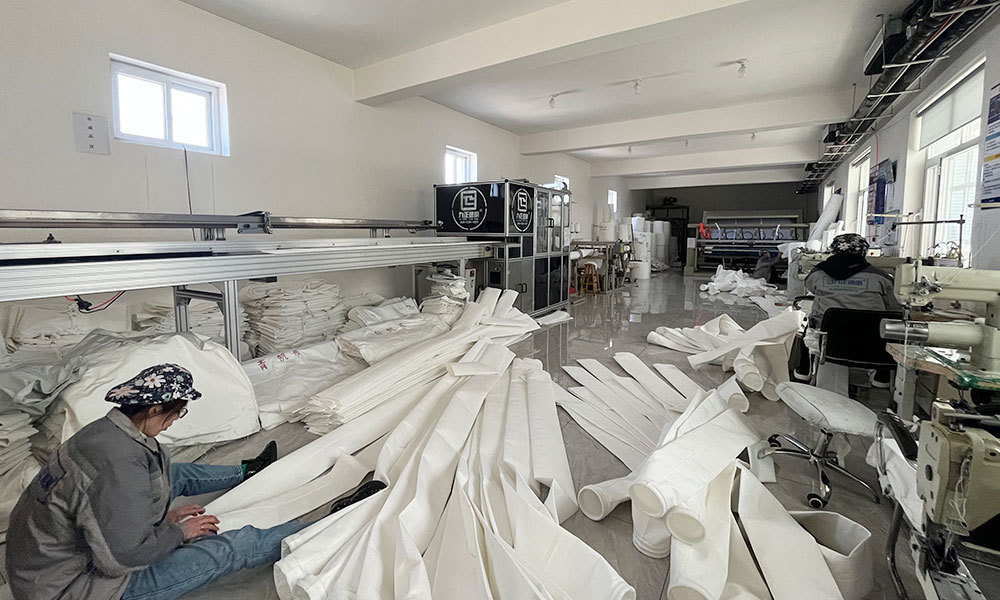
The filter material is the core filtering component of industrial dust collectors, and its replacement quality directly affects the dust removal efficiency, equipment resistance, and filter material service life. Irregular replacement operations can easily lead to premature damage, air leakage, or blockage of filter materials, increasing maintenance costs. Provide objective and practical operation guidelines for various dust removal equipment scenarios in overseas industrial enterprises, covering four dimensions: preparation before replacement, practical operation process, verification after replacement, and life extension skills.
1、 Preparation before replacement: Avoiding risks and laying the foundation
1. Adequate safety protection in place
Turn off the power supply of the dust collector and hang a warning sign, release the internal pressure of the equipment, and ensure that the fan is completely shut down. Operators are required to wear dust masks, acid and alkali resistant gloves (for corrosive conditions), goggles, and extra anti slip shoes and safety ropes during high humidity or high-altitude operations to avoid dust inhalation, electric shock, or falling risks.
2. Verification of working conditions and accessories
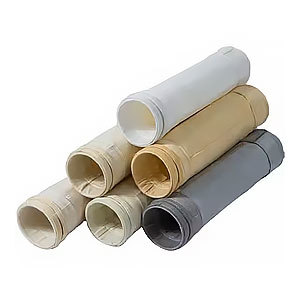
Confirm that the model of the filter material to be replaced matches the equipment, including size (diameter, length), material (polyester, PPS, PTFE, etc.), and filtration accuracy, to avoid "mismatch" causing filtration failure. For high temperature and corrosive working conditions, it is necessary to verify the temperature and corrosion resistance parameters of the filter material to ensure that they meet the actual working conditions requirements (such as the temperature resistance of the filter material for high temperature working conditions needs to be higher than the flue gas temperature by more than 20 ℃).
3. On site and tool preparation
Clean the dust around the dust collector maintenance door to avoid secondary pollution inside the equipment during replacement. Prepare specialized tools (wrench, screwdriver, sealant), spare gaskets (silicone or PTFE material, suitable for working conditions), and dust collection bags (used to store old filter materials to prevent dust scattering).
2、 Core replacement process: Standardized operation to avoid damage
1. Demolition of old filter materials
Open the dust collector maintenance door and remove the filter material fixing components (such as covers, clamps, etc.) in the order of "outside first, then inside". Handle with care during dismantling to avoid dust leakage caused by damage to the filter material; For filter materials with severe adhesion, gently blow them with compressed air (below 0.3MPa) from the inside first, and then slowly remove them, avoiding violent pulling.
2. Internal cleaning of equipment
Use compressed air (0.4-0.6MPa) to blow the inner walls of the filter bag chamber/filter silo, flower plates, and cleaning pipelines to remove residual dust and scale. Focus on cleaning the edges of the flower plate holes, sealing grooves, and other areas that are prone to dirt accumulation to avoid residual dust scratching the new filter material or affecting the sealing effect. In high humidity conditions, the equipment heating device needs to be turned on first to dry the internal water vapor before cleaning.
3. Installation of new filter material
Check the appearance of the new filter material to ensure that there is no damage, the film is not detached, and the sealing ring is intact. Align the filter material with the flower plate hole or slot, slowly insert it vertically, and ensure that it is installed in place (there is no gap between the bottom of the filter material and the bottom of the equipment, and the top is tightly attached to the flower plate). Apply even force when installing fasteners to avoid excessive local pressure that may cause deformation of the filter material.
4. Sealing performance enhancement
Install a sealing gasket at the contact between the filter material and the flower board to ensure no gaps (gaps can cause air leakage and reduce dust removal efficiency). If the sealing gasket is aging, it needs to be replaced synchronously. After installation, gently push the filter material by hand to confirm that there is no looseness. If necessary, apply a small amount of sealant to the sealing groove (to avoid contaminating the filter surface of the filter material).
3、 Verification after replacement: Ensure effectiveness and stable operation
1. Appearance and installation review
Check whether all new filter materials are installed neatly, without tilting or loosening, and whether the fixing parts are tightened. Check if the equipment maintenance door is tightly sealed to avoid air leakage during operation.
2. Trial operation testing
Power on the dust collector and run it without load for 5 minutes. Observe the equipment resistance (normal range 800-1200Pa). If the resistance is abnormally high, it may be due to improper installation or poor sealing of the filter material, and the machine needs to be stopped for re inspection.
3. Filtration and emission verification
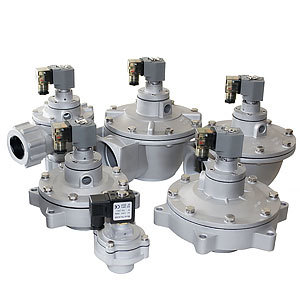
After loading and running, use a portable dust detector to monitor the concentration at the emission outlet to ensure compliance with local environmental standards (such as EU EN 13285, US EPA). Observe the working status of the dust cleaning system, confirm that the pulse valve sprays evenly, and that the filter material does not shake violently (to avoid damage caused by long-term shaking).
4、 Key techniques for extending the lifespan of filter materials
1. Adapt to dust cleaning parameters
Adjust the frequency and pressure of dust cleaning according to the dust concentration: extend the cleaning interval for low concentration dust (15-20 minutes/time), and shorten the interval for high concentration dust (5-8 minutes/time) to avoid "excessive cleaning" that may wear down the filter material or "insufficient cleaning" that may cause blockage. The cleaning pressure should be controlled at 0.4-0.6MPa, and the pressure can be appropriately reduced (0.3-0.4MPa) under high temperature conditions.
2. Optimization of working condition preprocessing
Install dehumidification devices in high humidity conditions to ensure that the flue gas temperature is 5-10 ℃ higher than the dew point, and to prevent filter material condensation and dust adhesion; High concentration dust can increase pre-treatment equipment (such as cyclone dust collectors) to reduce the dust load on filter materials; Corrosive working conditions require supporting desulfurization and denitrification devices to reduce the erosion of filter materials by acidic and alkaline media.
3. Daily maintenance coordination
Monitor equipment resistance and emission concentration daily, and promptly investigate any abnormalities found; Clean the ash pipeline and nozzle weekly to avoid blockage and uneven spraying; Check the appearance of the filter material every month. If there is any local damage, temporary repairs (such as applying specialized patches) can be used. If it is severe, it should be replaced in a timely manner to prevent the fault from expanding.
4. Filter material storage management
Unused filter materials should be stored in a dry, ventilated, and non corrosive gas environment, avoiding direct sunlight and moisture and mold growth. When the filter material is placed flat, it should avoid heavy pressure. When stored vertically, it should be firmly fixed to prevent deformation and ensure that the storage period does not exceed the shelf life of the filter material (usually 12-24 months).
The core of filter material replacement is "safety regulations+adaptation to working conditions+detail control". Standardized operation can extend the service life of filter materials by more than 30%, while ensuring stable and compliant dust removal efficiency. Overseas industrial enterprises can flexibly adjust operational details based on their own equipment types (bags, filter cartridges, electrostatic precipitators, etc.) and operating conditions, and achieve the goal of "cost reduction and efficiency improvement" through scientific replacement and daily maintenance.
Hot Tags:
PREVIOUS:


Contact Us
Tel:
WeChat:
WhatsApp:
E-mail:
Address:
338 National Road South, Longfengdian Village, Botou City, Hebei Province, China
JiuznTomine is expertly delivering technically complicated projects in markets & provides custom solutions for their customized need.


CONTACT INFO
Tel: +86 18531710311
WeChat: +86-18531710311
338 National Road South, Longfengdian Village, Botou City, Hebei Province, China