


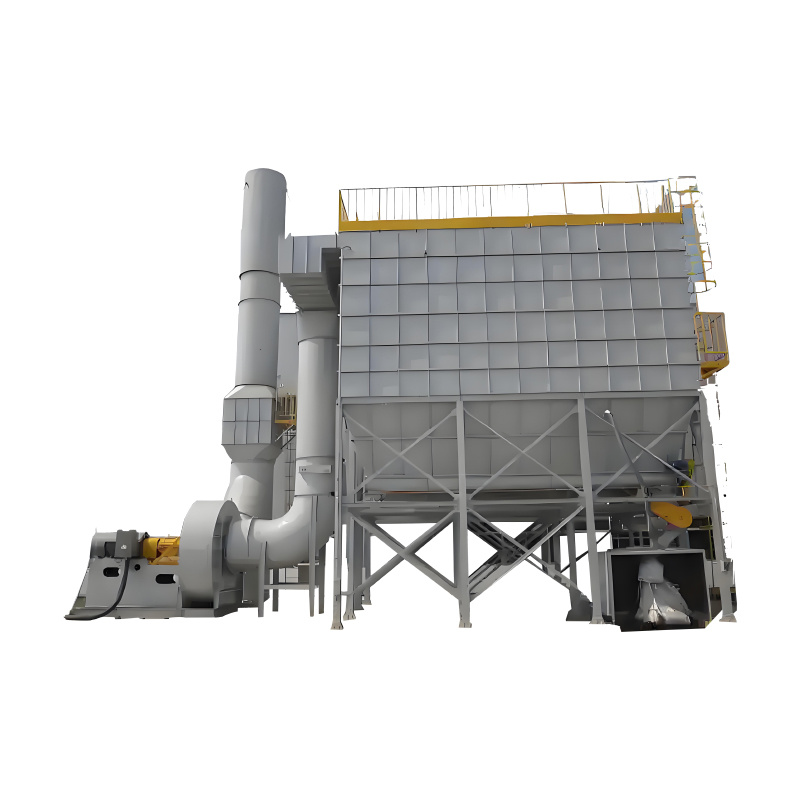
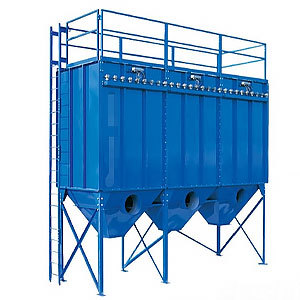
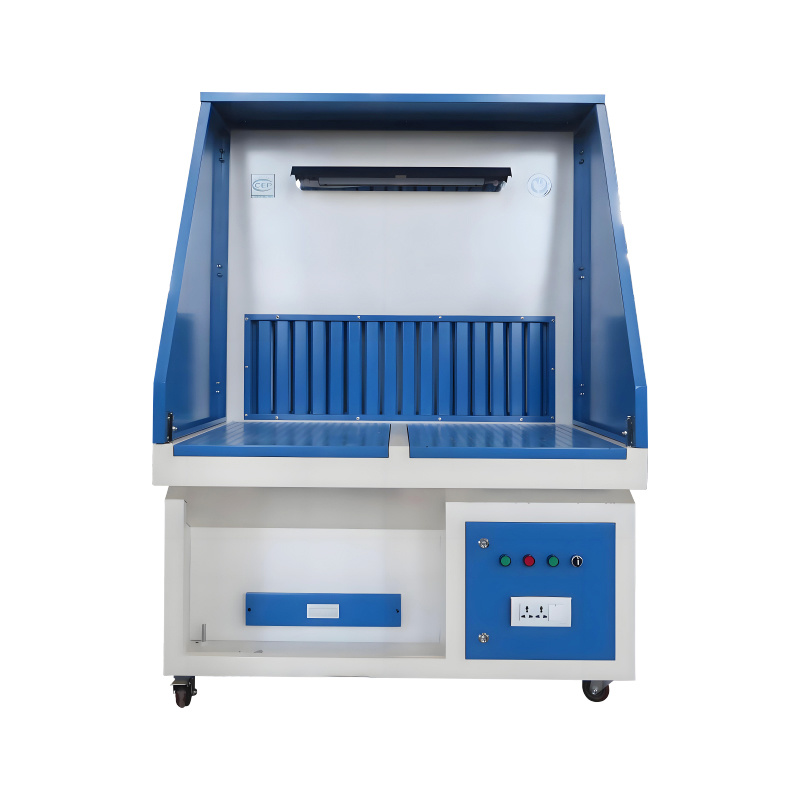
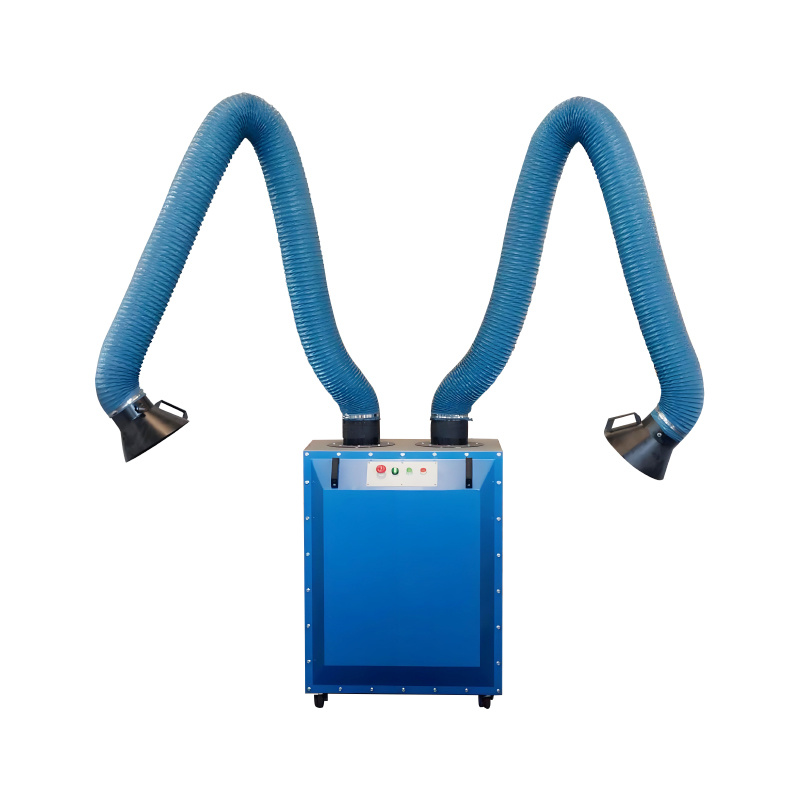









Industrial dust collector selection guide: scientifically matched according to dust concentration/temperature/corrosiveness
Nov 20,2025

The selection of industrial dust collectors directly determines the dust treatment efficiency, equipment stability, and operation and maintenance costs. Blind selection can easily lead to problems such as excessive emissions and premature equipment wear and tear. Scientific selection should take dust concentration, flue gas temperature, and corrosiveness as the core dimensions, combined with the characteristics of dust collectors and the logic of adapting to working conditions, to achieve the goal of "precise matching and stable operation".
1、 Core selection dimension 1: Dust concentration adaptation
The dust concentration is usually measured in mg/m ³, and the upper limit of processing concentration and efficiency curve of different dust collectors vary significantly. Therefore, the selection direction should be divided according to the concentration range.
1. Low concentration dust (≤ 500mg/m ³)
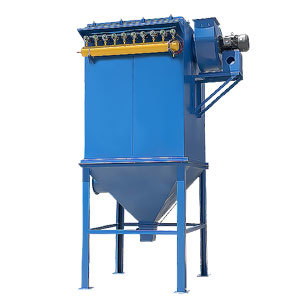
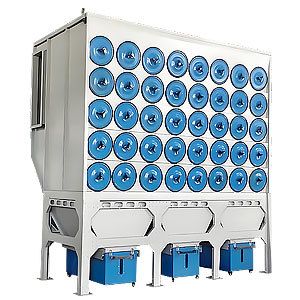
The types of dust collectors that are compatible include filter cartridge dust collectors, small bag dust collectors, and low air volume electrostatic dust collectors. This type of dust is mainly composed of fine particles, and the selection should focus on filtration accuracy. The filtration speed of the filter cartridge dust collector should be controlled at 0.5-0.8m/min, and the fine powder capture rate can reach 99.9%. It is suitable for scenarios such as electronic factories and welding workshops. It is recommended to use membrane filter material for small bag dust collectors to avoid dust adhesion and reduce dust cleaning frequency. The selection must comply with the M-level dust treatment requirements in EN 60335-2-69 standard, ensuring a transmittance of ≤ 0.1%.
2. Medium concentration dust (500-5000mg/m ³)
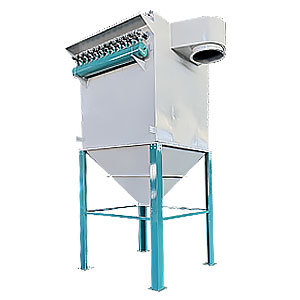
You can choose from bag filter, electrostatic precipitator, or cyclone+filter cartridge composite system. The bag filter needs to be equipped with a pulse dust cleaning system, with a filtration wind speed controlled at 1.0-1.2m/min, suitable for scenarios such as building materials factories and furniture factories; Electrostatic precipitators are suitable for high flow conditions and achieve a dust removal efficiency of over 90% through electric field adsorption. Attention should be paid to the influence of dust specific resistance on the adsorption effect. If the dust viscosity is high, it is necessary to reduce the filtration wind speed to avoid clogging of the filter material, and a pre spraying device can be used to optimize the operating effect.
3. High concentration dust (≥ 5000mg/m ³)
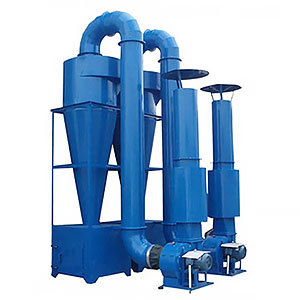
It is necessary to use a cyclone dust collector for pre-treatment, combined with a large bag filter or electric bag composite dust collector. As a front-end equipment, the cyclone dust collector can remove more than 80% of coarse dust with a size of 10 μ m or more. The inlet air speed is controlled at 18-23m/s, which can effectively reduce the load on the subsequent main equipment. The electric bag composite dust collector, combined with electrostatic pretreatment and bag filter technology, is suitable for high concentration working conditions such as mines and cement kiln tails, and the emission concentration can be stably controlled below 5mg/m ³. Small cyclone dust collectors are often designed in parallel to avoid the decrease in processing efficiency caused by the large diameter of a single device.
2、 Core selection dimension 2: adaptation to flue gas temperature
The temperature of the flue gas directly determines the material of the filter material and the design of the equipment structure. The adaptation scheme should be selected according to the continuous working temperature range, while reserving a safety margin of 10-20 ℃ to cope with instantaneous temperature fluctuations.
1. Low temperature condition (≤ 100 ℃)
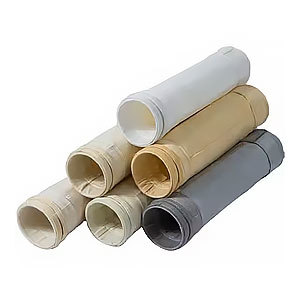
All types of dust collectors are compatible with conventional materials, and polypropylene (polypropylene) filter bag dust collectors or conventional polyester (PET) filter bag dust collectors are recommended. Polyester filter bags have a temperature resistance of 130 ℃, high cost-effectiveness, and are suitable for room temperature scenarios such as food processing and electronic component manufacturing; Polypropylene filter bags can withstand temperatures below 90 ℃ and are suitable for treating low-temperature waste gases with low corrosiveness. Insulation devices need to be installed in high humidity and low temperature environments to prevent smoke condensation from causing adhesion of filter materials or corrosion of equipment casings.
2. Medium temperature condition (100-200 ℃)
Suitable for acrylic (AC) filter bag dust collectors, PPS filter bag dust collectors, and conventional electrostatic precipitators. Acrylic filter bag with continuous working temperature of 140 ℃, suitable for fly ash treatment of coal-fired boilers; PPS filter bag has a temperature resistance of 190 ℃ and can handle medium temperature flue gas during garbage incineration, while also possessing certain corrosion resistance. The electrostatic precipitator needs to pay special attention to the electrode insulation performance to avoid a decrease in breakdown voltage caused by high temperature, which affects the dust removal efficiency. It is recommended to control the long-term working temperature of PPS filter bags below 150 ℃ to extend their service life to more than 2 years.
3. High temperature conditions (200-350 ℃)
Recommend PTFE filter bag dust collector, fiberglass filter bag dust collector, and high-temperature electrostatic precipitator. PTFE filter bag has a continuous temperature resistance of 260 ℃, acid and alkali corrosion resistance, and is suitable for high temperature and strong corrosion scenarios in chemical industry; Fiberglass filter bag can withstand temperatures up to 280 ℃ and is suitable for steel sintering and high-temperature flue gas treatment in boilers. The high-temperature electrostatic precipitator needs to use high-temperature resistant electrode materials and insulation shell design to prevent equipment deformation due to high temperature. The peak instantaneous temperature should be controlled below the tolerance limit of the filter material, such as the maximum instantaneous temperature of the glass fiber filter bag not exceeding 320 ℃.
4. Extreme high temperature conditions (≥ 350 ℃)
Choose basalt fiber filter bag dust collector or special high-temperature cyclone dust collector. Basalt fiber filter bag has a continuous temperature resistance of 600 ℃ and can instantly reach 800 ℃, suitable for dust removal in special industrial furnaces; The high-temperature cyclone dust collector needs to use ceramic lining or high-temperature resistant alloy material to avoid high-temperature deformation affecting structural stability. This type of working condition requires a flue gas cooling device to reduce the temperature to the safe tolerance range of the equipment before dust removal treatment.
3、 Core Selection Dimension 3: Corrosive Adaptation
Corrosivity originates from acidic and alkaline gases (such as SO ₂, HCl) or dust (such as NaOH, CaO) in the flue gas. Equipment materials and filter materials should be selected according to the corrosion strength to avoid equipment corrosion failure.
1. Weak corrosion condition (no obvious acidic or alkaline medium, relative humidity ≤ 60%)
The adaptation plan includes a 304 stainless steel shell, polyester (PET) filter bags, and ordinary rubber seals. Suitable for industries such as wood processing and metal grinding, the dust has no strong corrosive components and only requires basic anti-corrosion measures. The equipment casing needs to be regularly treated with rust prevention, and the sealing components should be made of aging resistant silicone material to extend the service life of the equipment.
2. Medium corrosion condition (containing a small amount of acidic and alkaline gases, relative humidity 60-80%)
Recommend a combination solution of 316L stainless steel shell, PPS filter bag, and butyl rubber lining. Suitable for scenarios such as coal-fired power plants and fertilizer plants, where the flue gas contains small amounts of SO ₂ or ammonia substances. 316L stainless steel is resistant to chloride ion corrosion, and PPS filter bags can withstand moderate concentrations of acid and alkali corrosion. The interior of the equipment can be sprayed with glass flake coating, with a thickness of ≥ 1.5mm, to enhance impermeability and corrosion resistance, and improve the stability of the equipment in humid and corrosive environments.
3. Strong corrosion conditions (including high concentration of acidic and alkaline gases/dust, relative humidity ≥ 80%)
FRP (fiberglass) shell, PTFE filter bag, and PTFE lining accessories are required. Suitable for chemical and electroplating industries, working conditions containing hydrochloric acid mist, sulfuric acid mist, or strong alkali dust. FRP material has excellent acid and alkali resistance, while PTFE filter bags can withstand strong acids, alkalis, and high temperatures, making them suitable for continuous corrosive environments. Electrical components need to be treated with IP6x dust and water resistance to prevent corrosion and short-circuit faults, ensuring the safe and stable operation of the equipment's electrical system.
4、 Example of comprehensive selection scenario
1. Low concentration+low temperature+weak corrosion scenario
The working conditions are characterized by a dust concentration of ≤ 500mg/m ³, a temperature of ≤ 100 ℃, and no obvious acidic or alkaline media. It is commonly found in food processing plants and electronic component manufacturing workshops. It is recommended to use a filter cartridge dust collector with FDA grade polyester filter material to meet hygiene requirements, and the dust can be recycled and reused. The equipment adopts a 304 stainless steel shell, silicone seals, and is suitable for low corrosion and room temperature environments. The filtration wind speed is controlled at 0.6-0.8m/min to ensure emissions meet standards.
2. Medium concentration+medium temperature+moderate corrosion scenario
The working conditions are characterized by a dust concentration of 500-5000mg/m ³, a temperature of 100-200 ℃, and a small amount of acidic and alkaline gases, commonly found in coal-fired power plants and fertilizer plants. Recommended PPS filter bag dust collector, with a shell made of 316L stainless steel and coated with glass flakes, paired with a 316L stainless steel frame to enhance corrosion resistance. The filtering wind speed is controlled at 1.0-1.1m/min, equipped with a pulse cleaning system, and the cleaning cycle is dynamically adjusted according to the dust concentration.
3. High concentration+high temperature+weak moderate corrosion scenario
The working conditions are characterized by a dust concentration of ≥ 5000mg/m ³, a temperature of 200-350 ℃, weak or moderate corrosiveness, and are commonly found in mines and cement kilns. Recommended electric bag composite dust collector, pre treated with electrostatic precipitator for coarse dust removal, removing more than 80% of large particle dust; Rear PTFE coated filter bag for precision filtration, ensuring an emission concentration of ≤ 5mg/m ³. The shell is coated with Q235B+high temperature and anti-corrosion coating, suitable for high temperature environments, and the electrical system is treated with thermal insulation protection.
4. Low concentration+high temperature+strong corrosion scenario
The working conditions are characterized by a dust concentration of ≤ 500mg/m ³, a temperature of 200-350 ℃, and a high concentration of acidic and alkaline media. It is commonly used in special processes in the chemical industry. Recommend PTFE filter bag dust collector, which uses FRP shell and PTFE seal to completely isolate corrosive media. The filtering wind speed is controlled at 0.5-0.7m/min, equipped with a high-temperature pulse valve, and the cleaning pressure is stable at 0.4-0.6MPa to ensure long-term stable operation in high-temperature and highly corrosive environments.
5. High concentration+low temperature+moderate corrosion scenario
The working conditions are characterized by a dust concentration of ≥ 5000mg/m ³, a temperature of ≤ 100 ℃, and a moderate concentration of corrosive components, commonly found in certain chemical raw material processing workshops. Recommend a cyclone+filter cartridge composite system, with a pre treated ceramic lined cyclone dust collector to reduce the subsequent filter cartridge load; The rear 316L filter cartridge frame is paired with PTFE coated filter cartridges to enhance corrosion resistance. The inlet air velocity of the cyclone dust collector is controlled at 18-20m/s, and the filtration air velocity of the filter cartridge is ≤ 0.8m/min, suitable for high concentration and low temperature corrosion conditions.
5、 Industry scenario selection example
1. Chemical industry (strong corrosion+medium temperature+medium concentration)
The working conditions are characterized by gas containing HCl, temperature of 150 ℃, and dust concentration of 2000mg/m ³. The selection scheme is FRP shell PTFE filter bag dust collector, matched with 316L stainless steel skeleton and PTFE pulse valve, which meets ATEX explosion-proof certification requirements. The interior of the equipment is coated with PTFE lining, and the electrical system is treated with IP65 dust, water, and corrosion prevention. The filtration air speed is controlled at 0.9-1.0m/min to ensure stable operation in highly corrosive environments.
2. Steel plant (high temperature+high concentration+weak corrosion)
The operating conditions are characterized by a blast furnace flue gas temperature of 280 ℃, a dust concentration of 8000mg/m ³, and iron oxide dust. The selection scheme is a fiberglass filter bag bag dust collector with a pre cyclone pretreatment device to remove coarse dust. The shell is coated with Q235B+high temperature and anti-corrosion coating, and equipped with insulation layer to reduce heat loss. The filtering wind speed is controlled at 1.0-1.2m/min, and an offline pulse cleaning method is used to avoid secondary dust escape during cleaning.
3. Food processing plant (low temperature+low concentration+non corrosive)
The working conditions are characterized by a flour dust concentration of 300mg/m ³ and a temperature of 60 ℃, which must comply with FDA standards. The selection scheme is an FDA grade polyester filter bag small bag dust collector, which adopts a fully enclosed structure design to avoid dust cross pollution and operates with low noise to adapt to the workshop environment. After dust collection, it can be directly recycled and reused. The filtration speed is controlled at 0.6-0.7m/min, and the emission concentration is ≤ 5mg/m ³, meeting the environmental and hygiene requirements of the food industry.
6、 Selection precautions
1. Emission compliance: It is necessary to match the environmental standards of the target market, such as EU EN 13285, US EPA, etc. Highly toxic dust (such as heavy metals) requires the use of H-grade dust collectors with a transmittance of ≤ 0.005% to ensure compliance with local environmental regulations.
2. Supplementary dust characteristics: For viscous dust, the filtration speed should be reduced by 10-20%, and anti stick coating filter materials should be used; Flammable and explosive dust requires the installation of explosion-proof valves, spark detection devices, and anti-static accessories, in compliance with ATEX and other explosion-proof certification standards.
3. System compatibility: The selection needs to accurately match the processing air volume. The pipeline wind speed should be controlled at 10-20m/s, and the horizontal pipeline wind speed should not be less than 18m/s to avoid dust deposition blocking the pipeline and affecting the overall operating efficiency of the system.
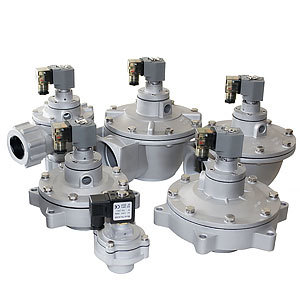
4. Feasibility of operation and maintenance: In remote areas, it is necessary to choose equipment that is easy to maintain and has strong universality of vulnerable parts, and reserve sufficient inventory of vulnerable parts, such as pulse valve membranes, filter bags, etc., to reduce operation and maintenance costs and downtime risks.
5. Temperature and humidity coordination: In high temperature and high humidity conditions, a dehumidification device should be installed at the equipment inlet to ensure that the flue gas temperature is 5-10 ℃ higher than the dew point temperature, avoiding condensation that may cause filter material adhesion or equipment corrosion.
The core of selecting industrial dust collectors is the precise matching of operating parameters and equipment characteristics. There is no need to pursue high performance of a single device, but rather a comprehensive evaluation based on dust concentration, temperature, and corrosiveness, combined with environmental standards and operational needs to make reasonable choices. Scientific selection not only ensures that processing efficiency meets standards, but also reduces long-term operation and maintenance costs and extends equipment lifespan.
Hot Tags:
PREVIOUS:


Contact Us
Tel:
WeChat:
WhatsApp:
E-mail:
Address:
338 National Road South, Longfengdian Village, Botou City, Hebei Province, China
JiuznTomine is expertly delivering technically complicated projects in markets & provides custom solutions for their customized need.


CONTACT INFO
Tel: +86 18531710311
WeChat: +86-18531710311
338 National Road South, Longfengdian Village, Botou City, Hebei Province, China