











Environmental dust removal technology: the transformation logic from "pollution control standards" to "resource recycling"
Nov 19,2025

Global environmental governance is upgrading from "end of pipe pollution control" to "source reduction+resource recycling", and environmental dust removal technology is breaking through the traditional positioning of "simply intercepting dust" and becoming an important component of the industrial resource recycling system. This transformation not only responds to global policy requirements such as the EU Circular Economy Directive and the US Resource Recovery Act, but also creates additional economic value for enterprises through the resource utilization of dust, achieving the dual goals of "environmental compliance" and "cost reduction and efficiency improvement".
1、 Transformation Core: Logical Transformation from "Passive Pollution Control" to "Active Recycling"
The core demand of traditional dust removal technology is "standard emission", which separates dust from flue gas through filtration, adsorption, and other methods, and ultimately disposes of it in the form of waste residue, landfill, etc., which not only occupies resources but may also generate secondary pollution. The transformation of "pollution control+recycling" is essentially a re evaluation of the value of dust, and its core logic is reflected in three points:
1. Policy driven: Many regions around the world have included "resource recycling" in environmental assessments, such as the EU's "Circular Economy Action Plan" which requires industrial dust recovery rates to be no less than 60%, and Japan's "Resource Efficient Utilization Promotion Law" which provides clear regulations for the disposal of recyclable dust, promoting companies to shift from "asking me to recycle" to "I want to recycle".
2. Economic value mining: About 70% of dust in industrial production has recycling and reuse value, such as metal powder from metal processing, fine powder from food production, catalyst dust from the chemical industry, etc. After recycling, it can be directly used as raw materials for production lines or sold externally, reducing the cost of raw material procurement.
3. ESG development needs: Resource recycling has become one of the core indicators of corporate ESG reporting, and overseas investors and customers are more inclined to choose partners with dust recycling capabilities. The transformation of dust removal technology has become an important lever for companies to enhance their international competitiveness.
2、 Key Technology Path: Integrated Design of Dust Removal and Recycling
The core of dust removal technology to achieve "resource recovery" is to optimize equipment and system linkage to ensure that the separated dust "meets purity standards and has usable forms", mainly including three technical directions:
1. Precise separation technology: ensuring the purity of recycled dust
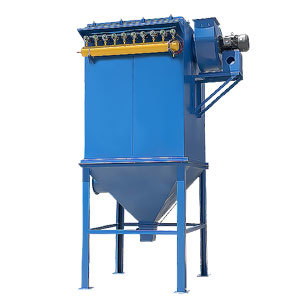
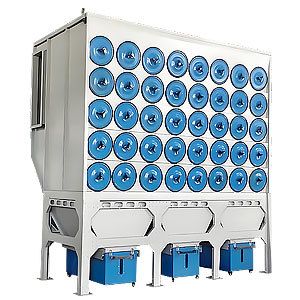
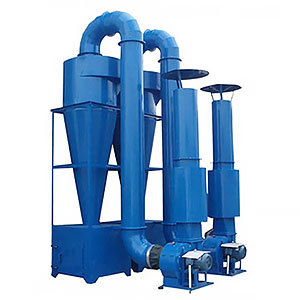
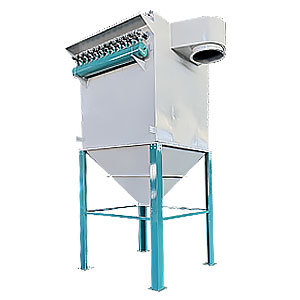
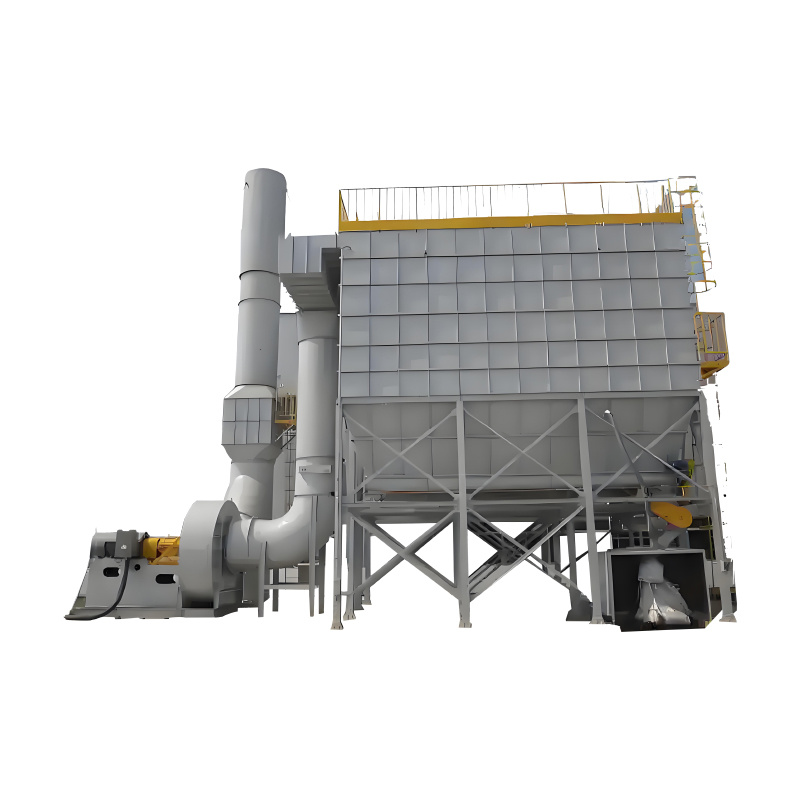
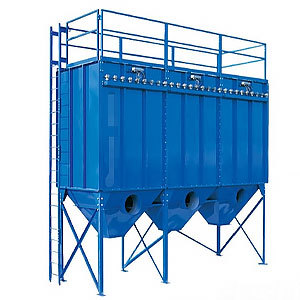
Graded dust removal design: The combination process of "cyclone dust collector (coarse dust pretreatment)+filter cartridge/bag dust collector (fine powder fine filtration)" is adopted to separate and grade dust of different particle sizes, avoiding the influence of mixed dust on the recovery value. For example, in metal processing, coarse metal powder above 10 μ m can be directly recycled and remelted, while fine powder between 0.1-10 μ m can be accurately captured through coated filter materials, with a purity of over 95%.
Material adaptation optimization: For corrosive dust (such as chemical catalyst dust), corrosion-resistant materials such as 316L stainless steel and PTFE coating are used to avoid the mixing of metal impurities into recycled dust caused by equipment corrosion; The food industry uses FDA certified hygiene grade filter materials to ensure that the recycled fine powder meets food contact standards.
2. Dust form preservation technology: to avoid failure after recycling
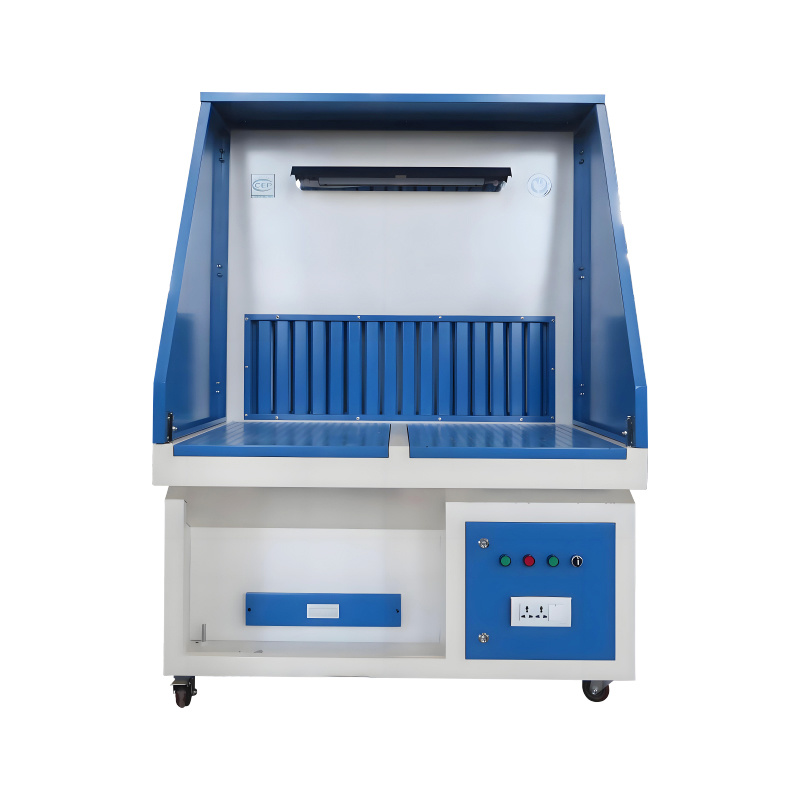
Gentle dust cleaning design: using low-pressure pulse dust cleaning, high-frequency vibration dust cleaning and other methods to replace traditional high-pressure blowing, reducing dust particle breakage during the dust cleaning process, especially suitable for scenarios with high form requirements such as welding metal powder and pharmaceutical fine powder.
Temperature and humidity control: For high humidity and viscous dust (such as flour from food factories and dust from feed factories), a dehumidification module and a constant temperature device are installed in the dust removal system to prevent dust from absorbing moisture and clumping; For high-temperature dust (such as iron oxide powder in metallurgical plants), the temperature is lowered to the recycling range through a cooling device to avoid dust oxidation and deterioration.
3. Recycling system linkage technology: achieving closed-loop utilization
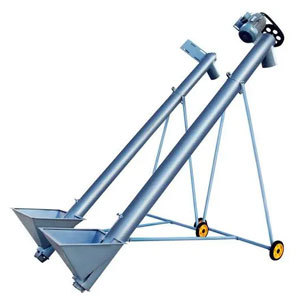
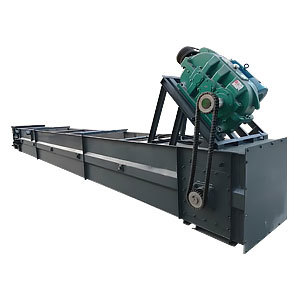
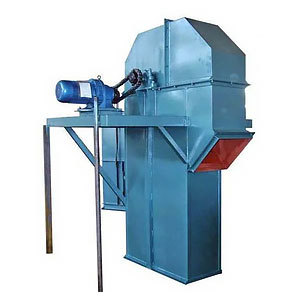
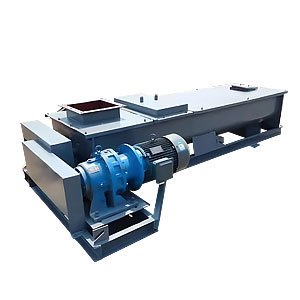
Integrated dust transportation and storage: Dust removal equipment is directly connected to closed conveying systems (such as screw conveyors and pneumatic conveying pipelines) to prevent dust from getting damp, polluted, or flying during transportation, ensuring the cleanliness of the recovered dust.
Intelligent monitoring and regulation: Real time monitoring of the quality of recycled dust through dust concentration sensors and purity detectors. When the purity does not meet the standard (such as impurity content exceeding 5%), it automatically switches to the "dust removal only" mode; When the dust concentration reaches the recovery threshold, the conveying system is activated to achieve dynamic control of "recovery upon reaching the standard".
3、 Industry Practice: Recycling Application Cases in Different Scenarios
The resource recovery transformation of dust removal technology has been implemented in multiple industries, and its mode presents differentiation according to the characteristics of dust:
1. Automotive manufacturing industry: metal dust recycling
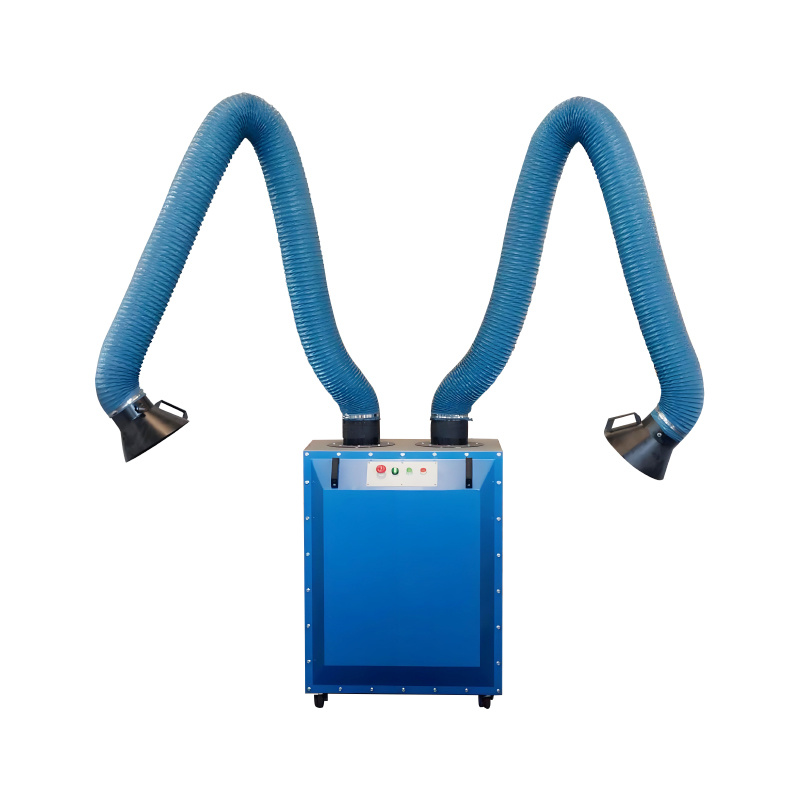
The iron oxide and aluminum alloy fine powder generated in the welding workshop can be recovered through the "electrostatic precipitator+magnetic separation" technology, with a purity of over 98%, and can be used as smelting raw materials for steel mills or metal processing plants. According to data from a European car factory, this model recovers about 80 tons of metal powder annually, directly reducing raw material procurement costs by over 150000 US dollars.
2. Food processing industry: fine powder recycling
The fine flour powder from the baking factory and the powdered milk powder dust from the dairy factory are captured by a sanitary grade filter cartridge dust collector and sent back to the production line through a closed conveying system, or used to make by-products such as biscuits and feed. This type of recycling must meet food contact standards such as FDA and EU 10/2011 to avoid cross contamination.
3. Chemical industry: catalyst and raw material dust recovery
The catalyst dust (such as platinum and palladium catalysts) and raw material dust (such as resin powder and pigment powder) generated by chemical reaction vessels can be separated by corrosion-resistant dust removal equipment and purified before being reintroduced into the reaction system. The practice of a certain chemical enterprise has shown that the catalyst dust recovery rate reaches 85%, saving catalyst procurement costs of over 300000 US dollars annually.
4. Metallurgical industry: Recovery of mineral powder and waste residue
The iron ore powder in the blast furnace flue gas of the steel plant and the cement clinker dust at the tail of the cement plant are recovered through the "cyclone+electrostatic" collaborative dust removal technology. The iron ore powder can be recycled for smelting, and the cement clinker powder can be directly used as cement raw materials, reducing the amount of waste landfill and raw material consumption.
4、 Key considerations in transformation: balancing environmental protection and recycling feasibility
The transformation of dust removal technology towards "resource recycling" is not a panacea, and requires comprehensive judgment based on dust characteristics, industry demands, and compliance requirements. The core considerations include:
1. Dust value assessment: Prioritize the recovery of high-value dust (such as metal powder and catalyst powder), and focus on "reduction" for low value dust (such as ordinary building dust) to avoid recycling costs higher than the dust value.
2. Compliance control: The reuse of recycled dust must comply with local standards. For example, food grade dust must be certified by FDA, and metal recycling must meet the restrictions on impurities in the EU RoHS directive to avoid secondary disposal due to non compliant recycled products.
3. Secondary pollution prevention and control: The recycling system needs to have airtightness to avoid dust leakage during transportation and storage; For toxic and harmful dust (such as heavy metal dust), a harmless treatment process is required and cannot be directly recycled.
4. Economic balance: The initial investment in the recycling system (such as closed conveying equipment, purity testing instruments) needs to be matched with long-term recycling benefits. Small and medium-sized enterprises can prioritize modular recycling devices to reduce the threshold for transformation.
The transformation of "pollution control+recycling" in environmental dust removal technology is an inevitable result of the global trend of sustainable development. Its core is not only the upgrading of technology, but also the deep practice of "resource closed-loop" in industrial production. This transformation not only responds to the rigid requirements of global environmental policies, but also explores potential economic value for enterprises, while meeting the core demands of ESG development. In the future, with further optimization of dust detection technology and recycling processes, dust removal technology will more accurately match the resource recycling needs of different industries, becoming an important support for industrial green transformation.
Hot Tags:


Contact Us
Tel:
WeChat:
WhatsApp:
E-mail:
Address:
338 National Road South, Longfengdian Village, Botou City, Hebei Province, China
JiuznTomine is expertly delivering technically complicated projects in markets & provides custom solutions for their customized need.


CONTACT INFO
Tel: +86 18531710311
WeChat: +86-18531710311
338 National Road South, Longfengdian Village, Botou City, Hebei Province, China