












Using electrostatic precipitators in car factories: core advantages and practical precautions
Nov 19,2025

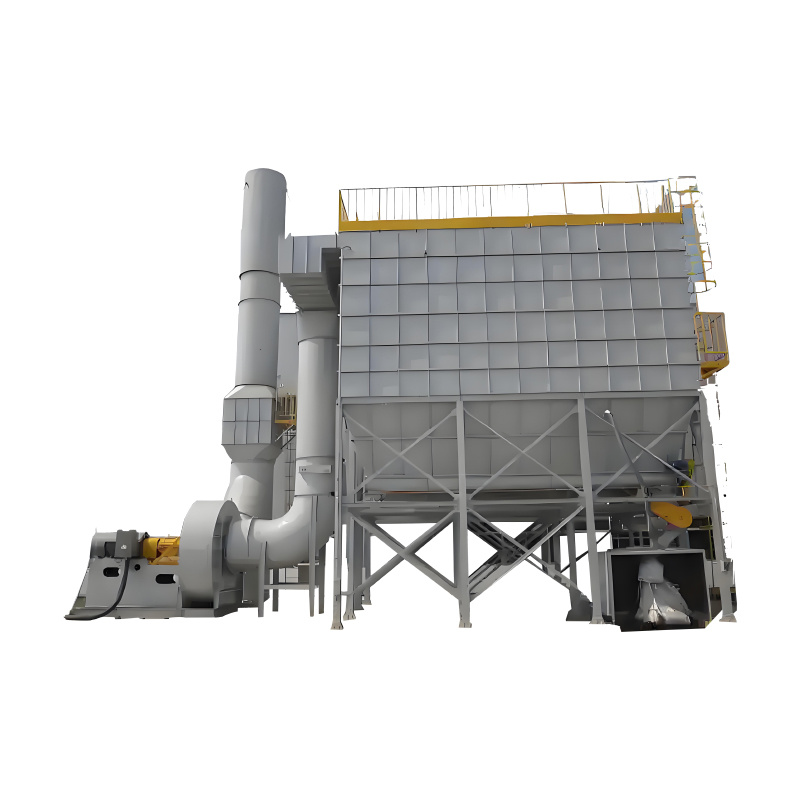
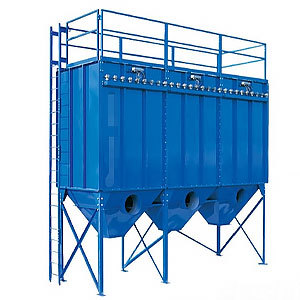
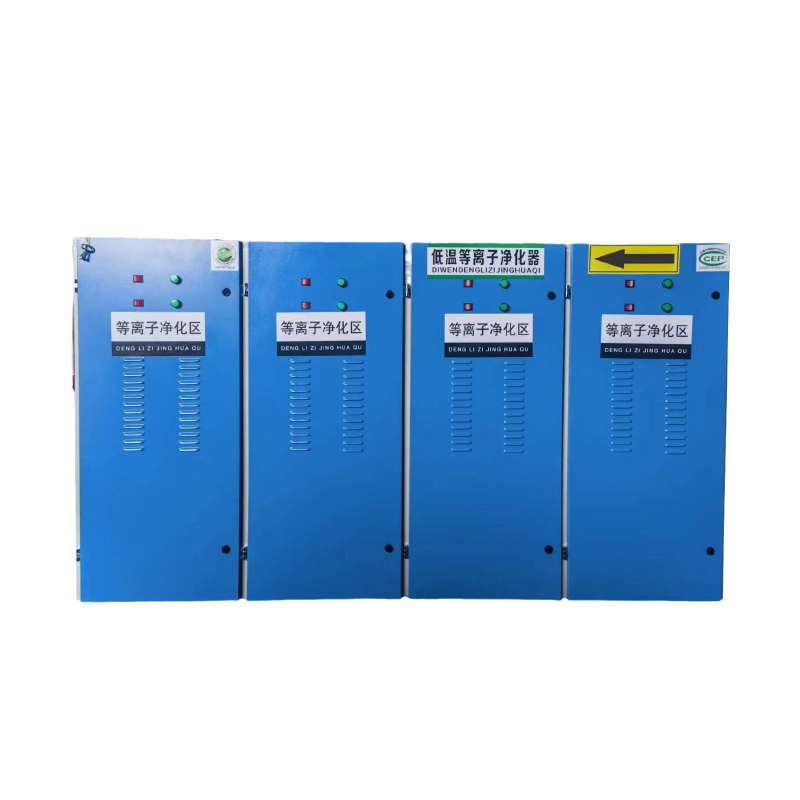
In the welding, painting, polishing and other processes of automobile production, a large amount of metal fine powder, paint mist particles and other pollutants are generated. Electrostatic precipitators have become a commonly used choice for dust control in car factories due to their technical characteristics. It can adapt to the continuous production and high air volume requirements of car manufacturers, while also providing stable support in terms of environmental compliance.
1、 The core advantage of using electrostatic precipitators in car factories
1. Suitable for high air volume and high concentration dust working conditions
The smoke emissions from the welding workshop and painting line of the car factory have the characteristics of "large air volume and large fluctuation of dust concentration", and the processing air volume of a single welding production line often reaches tens of thousands of cubic meters per hour. The electrostatic precipitator can easily adapt to air flow requirements of 100000-500000 m ³/h through modular design. It has a stable capture efficiency of over 98% for iron oxide fine powder generated during welding and resin dust generated during polishing, which can quickly reduce workshop dust concentration and avoid dust diffusion affecting the production environment.
2. Filter bag free design reduces operation and maintenance burden
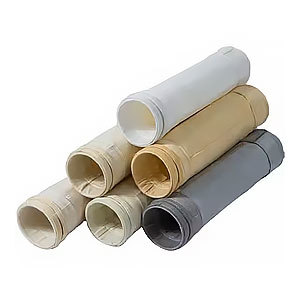
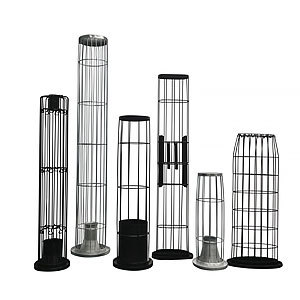
Compared to bag and filter cartridge dust collectors, electrostatic precipitators do not require regular replacement of filter bags, only regular cleaning of electrode and ash hopper dust accumulation. The production lines of car factories often operate continuously 24 hours a day. This characteristic of "less consumables and low-frequency maintenance" can reduce downtime caused by replacing filter materials, while also reducing the manpower and cost investment in filter material procurement and replacement, especially suitable for the core needs of car factories for "efficient continuous production".
3. Tolerate high temperatures and complex smoke components
The temperature of the flue gas generated during the welding process can reach 150-200 ℃, and it contains a small amount of oil stains, metal oxides, and other components. The electrodes and casing of electrostatic precipitators are often made of high temperature resistant and corrosion-resistant materials, which can directly process high-temperature flue gas without the need for additional cooling equipment; At the same time, its electric field adsorption principle is not slightly affected by dust viscosity and humidity, and can stably treat various pollutants such as welding fumes and pre-treatment dust before painting.
4. Assist in fine powder capture and environmental compliance
If the welding fine powder (particle size mostly between 0.1-5 μ m) emitted by the car factory is not treated to meet the standards, it is easy to violate environmental standards such as EU 2010/75/EU and US EPA. The electrostatic precipitator uses a high-voltage electric field to charge and adsorb fine powder, which can control the emission concentration below 10mg/m ³, meeting the industrial dust emission standards of most countries and regions and avoiding the risk of environmental fines.
2、 Key precautions for using electrostatic precipitators in car factories
1. Targeted maintenance of electrode system
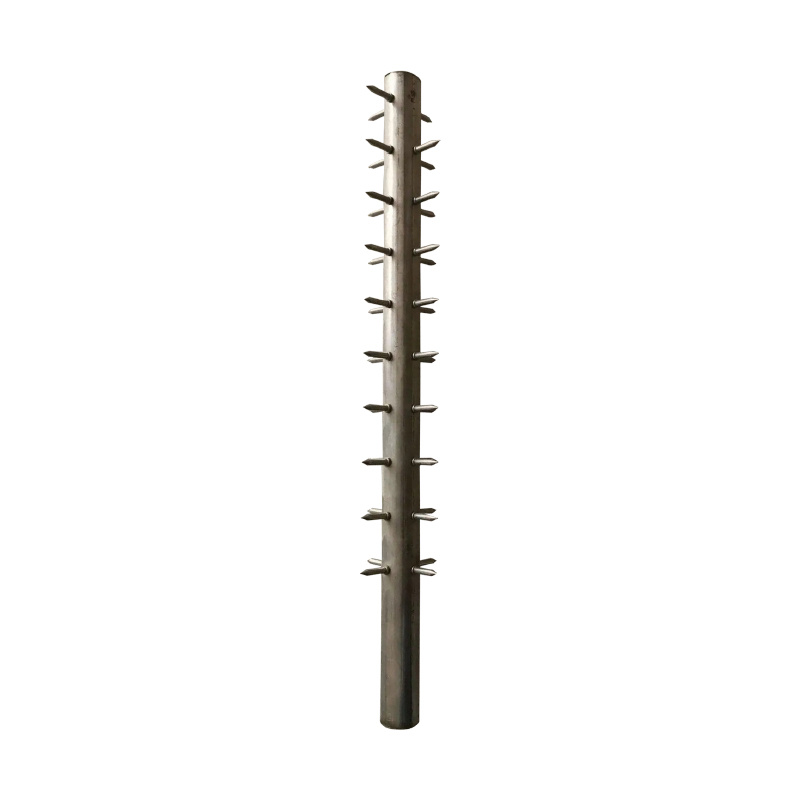
The electrode is the core component of an electrostatic precipitator. Oil and viscous dust contained in car factory dust are prone to adhere to the electrode plate, forming "nodules" or "bridges", resulting in a decrease in electric field voltage and a decrease in capture efficiency. It is necessary to check the cleanliness of the electrodes every week and clean the surface attachments with compressed air or specialized tools; Calibrate the electric field voltage every month (usually maintained at 60-80kV) to ensure stable electrode discharge and avoid a decrease in dust removal efficiency caused by electrode contamination.
2. Adapt to the dust characteristics of different processes
The dust composition of different processes in the car factory varies greatly, and equipment parameters need to be adjusted accordingly
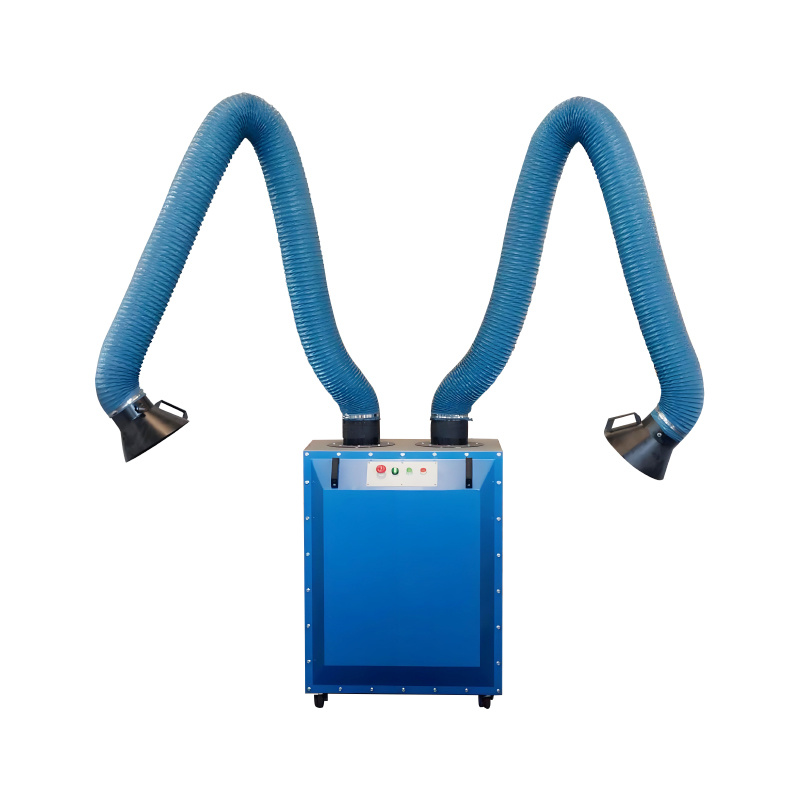
Welding workshop: The dust is mainly composed of metal fine powder with good conductivity, and the electric field voltage can be appropriately reduced to avoid the impact of dust back corona on capture;
Pre coating treatment: Dust contains viscous components such as resin and putty, and the electrode cleaning cycle needs to be shortened. At the same time, a heating device should be installed in the ash hopper to prevent dust agglomeration from blocking the ash discharge outlet;
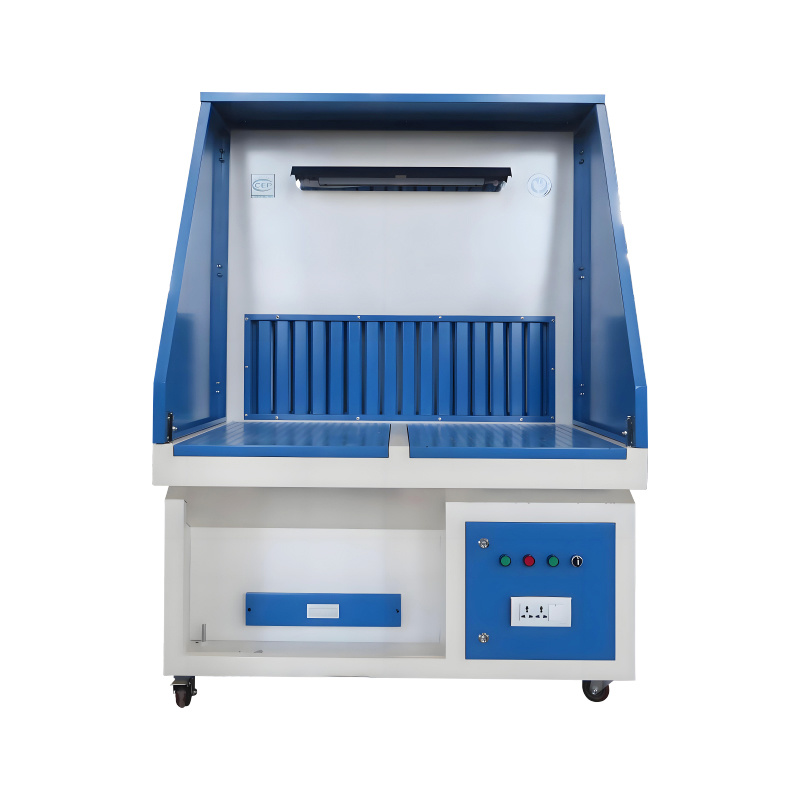
Polishing workshop: The dust contains hard particles, and the wear-resistant coating of the electrode plate needs to be checked to avoid particle impact causing electrode wear.
3. Strengthen security protection measures
Some components in car factory dust (such as resin dust and paint mist particles) pose a risk of flammability and explosiveness, and electrostatic precipitators must meet explosion-proof requirements:
The grounding resistance of the equipment should be ≤ 4 Ω to avoid static electricity accumulation and spark formation;
Install explosion-proof valves and temperature monitoring devices to automatically release pressure and reduce temperature when the internal temperature of the equipment is abnormal or the pressure is too high;
Regularly check the sealing and cleanliness of insulated porcelain bottles to prevent insulation failure caused by moisture or contamination, which may lead to electrode short circuits.
4. Optimize airflow and temperature control
Airflow distribution: There may be instantaneous fluctuations in the smoke emissions from the production line of the car factory. It is necessary to install a guide plate at the equipment inlet to ensure that the smoke enters the electric field evenly and avoid the escape of dust caused by rapid local airflow;
Temperature control: If the welding flue gas temperature exceeds the upper tolerance limit of the equipment (usually 300 ℃), a simple cooling device should be installed at the inlet to prevent electrode deformation and shell damage;
Humidity regulation: When the humidity in the painting workshop is high, it is necessary to install heating sleeves on the insulation components of the equipment to avoid the condensation of water vapor and the decrease in insulation performance.
5. Adapt to the space and layout requirements of the car factory
Car factory workshops are mostly arranged on assembly lines, with limited space for equipment installation. The electrostatic precipitator needs to adopt modular design, which can be flexibly combined according to the workshop space; At the same time, reasonable connection space should be reserved for the inlet and outlet air ducts of the equipment to avoid conflicts with production equipment such as welding robots and conveyor lines, ensuring the convenience of installation and operation.
The core application of electrostatic precipitators in car factories is "adapting to working conditions and scientific operation and maintenance". Whether its advantages can be fully utilized depends on whether parameter adjustments and daily maintenance are carried out in combination with the characteristics of car factory processes. Reasonable use not only ensures a clean and environmentally compliant workshop environment, but also provides stable dust control support for continuous production in automotive factories. It is a typical application of "technology adaptation scenarios" in industrial dust control.
Hot Tags:


Contact Us
Tel:
WeChat:
WhatsApp:
E-mail:
Address:
338 National Road South, Longfengdian Village, Botou City, Hebei Province, China
JiuznTomine is expertly delivering technically complicated projects in markets & provides custom solutions for their customized need.


CONTACT INFO
Tel: +86 18531710311
WeChat: +86-18531710311
338 National Road South, Longfengdian Village, Botou City, Hebei Province, China