











Small cyclone dust collector: an economical choice for laboratory dust pretreatment
Nov 18,2025

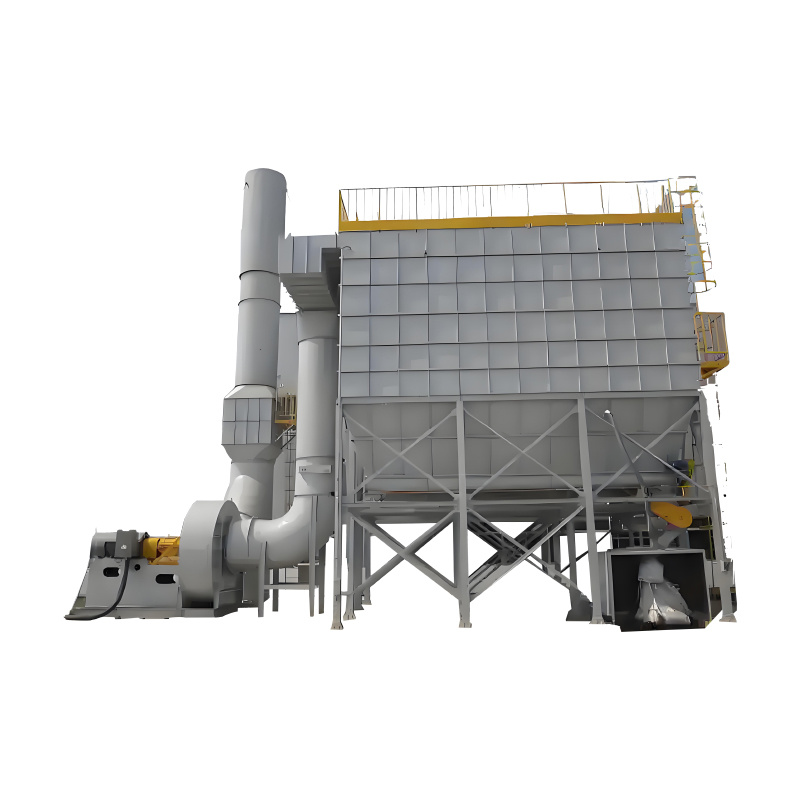
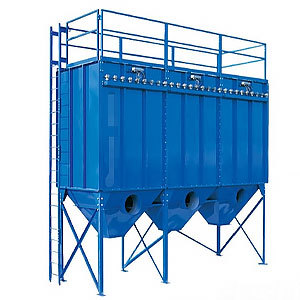
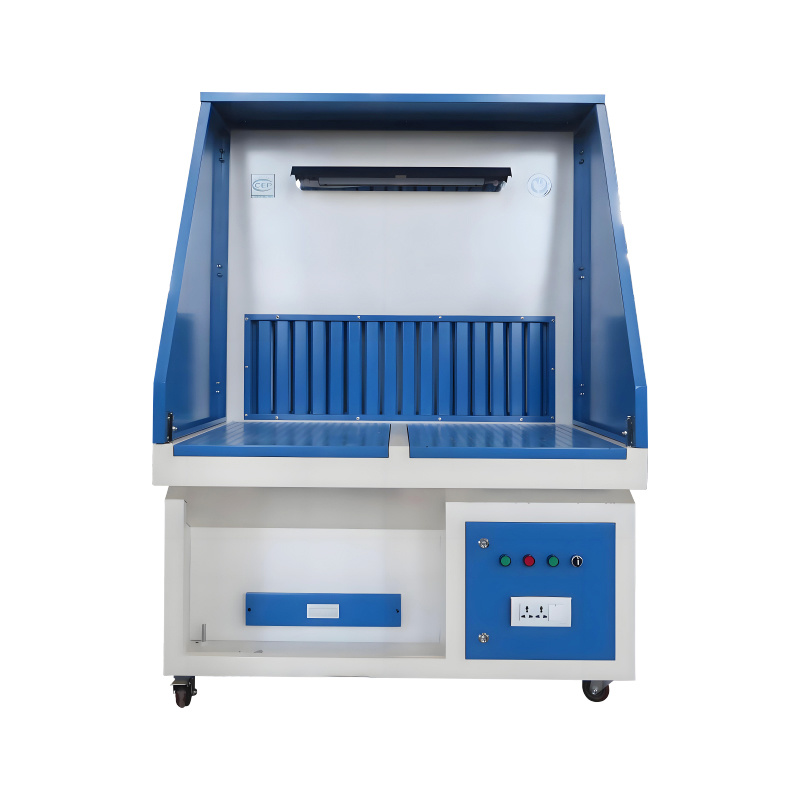
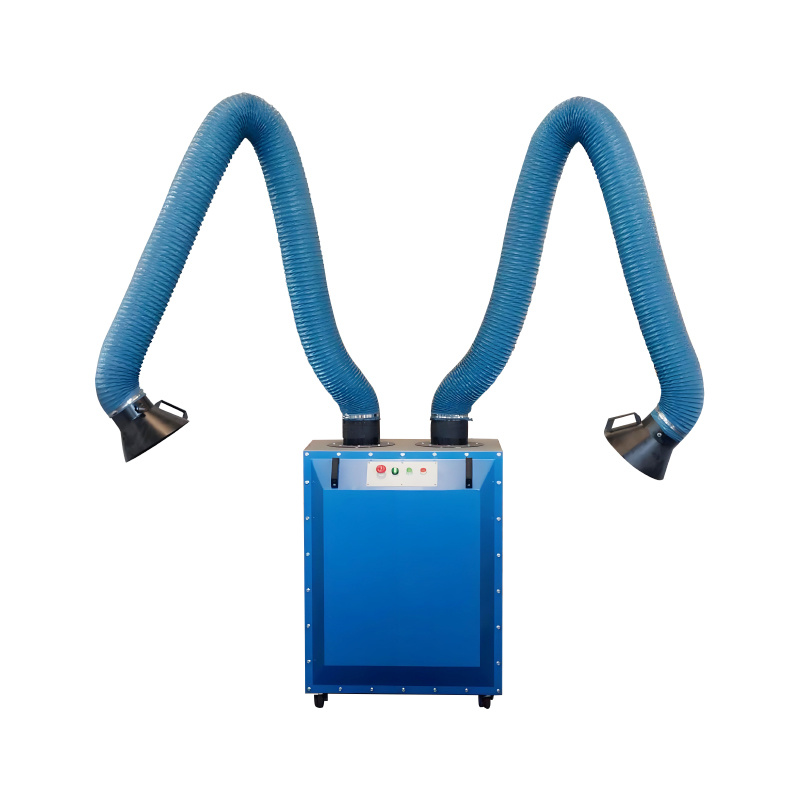
Laboratory dust treatment often faces the characteristics of "small dust volume, complex composition, and cost sensitivity". If terminal purification equipment directly processes mixed dust containing coarse particles, it is easy to accelerate the loss of core components due to high load. Small cyclone dust collectors have become a rational choice for laboratory dust pretreatment due to their simple structure, controllable cost, and convenient maintenance. Their core value lies in separating coarse dust in advance, reducing the burden on subsequent purification processes, and adapting to various laboratory scenarios such as chemistry, materials, and environment.
1、 Core advantage: Adapt to the essential logic of laboratory preprocessing
1. Economic efficiency: no additional consumables and low energy consumption
Small cyclone dust collectors do not require vulnerable consumables such as filter bags and filter cartridges. They only separate dust through centrifugal force of the airflow, reducing the cost of replacing consumables from the root. The equipment power is usually between 0.3-1.5kW, with low operating energy consumption, which is in line with the laboratory's "low-frequency, intermittent" dust generation characteristics, and long-term use has no hidden expenses.
2. Simple structure: Suitable for laboratory space and installation requirements
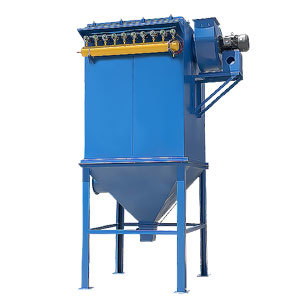
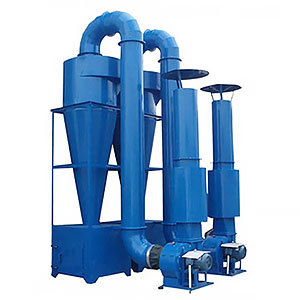
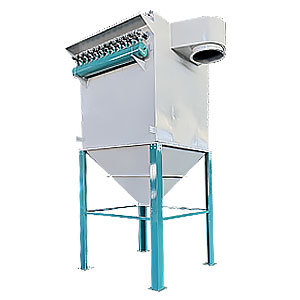
The equipment is compact in size, occupying an area of 0.5-1 square meters, and can be directly placed next to the laboratory bench or hung for installation, without occupying too much laboratory space. The main body consists of an inlet duct, a cyclone body, an ash hopper, and an outlet duct, without complex electrical control modules. During installation, only the duct and power supply need to be connected, without the need for a professional construction team.
3. Preprocessing positioning: Focus on coarse dust separation to protect terminal equipment
For coarse particles above 10 μ m in laboratory dust (such as solid sample grinding dust, powder reagent scattering dust), the separation efficiency can reach 85% -90%. By intercepting coarse dust in advance to prevent it from entering terminal devices such as high-efficiency filters, the wear and blockage of terminal components can be reduced, and the service life of the overall purification system can be extended.
2、 Working principle: Centrifugal force driven coarse dust separation mechanism
The core working logic of a small cyclone dust collector is based on the centrifugal force of the airflow: the dusty airflow enters the cyclone cylinder through the inlet duct in a tangential direction, forming a high-speed rotating airflow field inside the cylinder. Dust particles are thrown towards the cylinder wall under centrifugal force and slide down along the cylinder wall to the bottom ash hopper for collection; The purified airflow is discharged from the outlet duct along the upward airflow channel at the center of the cylinder, and enters the subsequent terminal purification equipment or is directly discharged (for scenarios without fine powder requirements).
The entire process does not require external assistance to clean the dust, and the dust accumulation in the ash hopper can be manually cleaned regularly. The operation process is simple and does not affect the normal working rhythm of the laboratory.
3、 Applicable scenario: Targeted adaptation of laboratory dust
1. Solid sample preparation scenario
Experiments such as ore grinding, polymer crushing, and metal powder processing generate dust containing a large amount of 10-100 μ m coarse particles. A small cyclone dust collector can quickly separate this type of dust, avoiding it from entering the interior of the experimental equipment and causing wear, or spreading in the workshop and affecting the operating field of view.
2. Chemical experiment dust scene
In some chemical synthesis experiments, mixed dust is generated during solid reagent feeding, reaction product filtration and drying processes. A small cyclone dust collector can be used as a pretreatment unit to separate coarse particle impurities and reduce the risk of blockage of the subsequent tail gas absorption device by coarse dust in fine powder.
3. Environmental monitoring simulation scenario
In scenarios such as atmospheric dust simulation experiments and industrial dust sampling analysis, small cyclone dust collectors can be used to simulate industrial pretreatment processes, separate dust components of different particle sizes, and provide accurate dust sample classification for experimental data collection.
4、 Key selection and usage points
1. Selection of core parameters
Processing air volume: It is necessary to match the amount of dust generated in the laboratory. Usually, models with a capacity of 100-1000m ³/h are selected to avoid energy waste caused by excessive air volume or the impact of insufficient air volume on separation efficiency.
Material selection: Carbon steel material can be selected for ordinary dust scenes, while 304 stainless steel is recommended for corrosive dust (such as chemical reagent dust) to prevent equipment corrosion.
Pressure loss: Prioritize selecting models with pressure loss between 800-1200Pa to reduce fan operating load and overall energy consumption.
2. Precautions for use and maintenance
Installation angle: The cylinder body needs to be installed vertically to ensure smooth sliding of dust along the cylinder wall and avoid dust accumulation caused by tilting.
Regular dust cleaning: When the dust accumulation in the ash hopper reaches 1/2 of the height, it should be cleaned in a timely manner to prevent the dust from flying again and affecting the separation efficiency.
Adaptation limitations: The separation effect of fine powder below 5 μ m is limited, and it cannot be used alone as a terminal purification equipment for high demand laboratories. It needs to be used in conjunction with high-efficiency filters, etc.
The value of small cyclone dust collectors in laboratory dust treatment lies in their precise adaptation to "pre-treatment" scenarios - they do not pursue comprehensive purification, but focus on coarse dust separation and cost control, providing an economical and convenient dust treatment solution for laboratories. Its characteristics of no consumables and easy maintenance are highly compatible with laboratory usage scenarios and cost requirements, making it a practical choice for dust pretreatment in scientific research and experimental operations.
Hot Tags:
PREVIOUS:


Contact Us
Tel:
WeChat:
WhatsApp:
E-mail:
Address:
338 National Road South, Longfengdian Village, Botou City, Hebei Province, China
JiuznTomine is expertly delivering technically complicated projects in markets & provides custom solutions for their customized need.


CONTACT INFO
Tel: +86 18531710311
WeChat: +86-18531710311
338 National Road South, Longfengdian Village, Botou City, Hebei Province, China