

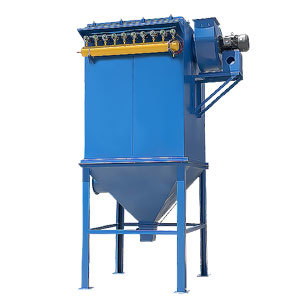
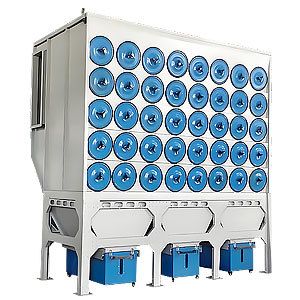
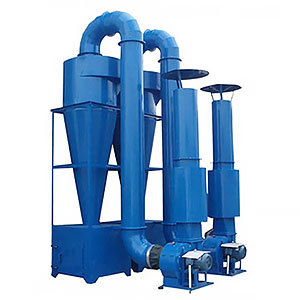

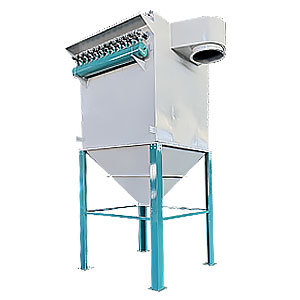









Plastic fired board dust collector cleaning system: technical logic of low-pressure pulse saving compressed air
Nov 17,2025
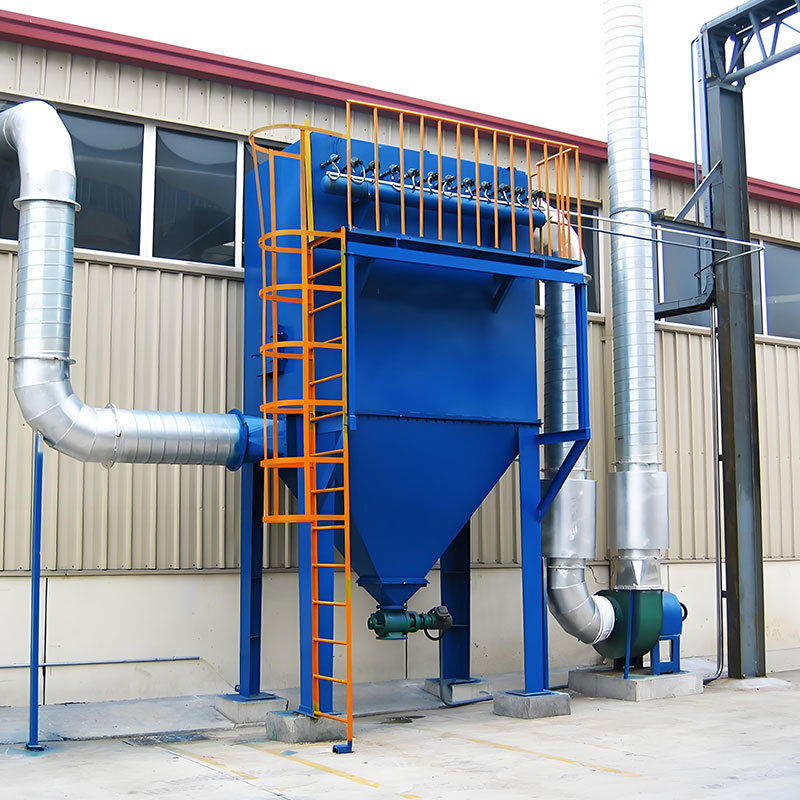
The cleaning efficiency and operating energy consumption of the plastic fired plate dust collector depend on the compatibility between the cleaning system and the plastic fired plate filter elements. The low-pressure pulse dust cleaning system, with its design of "low pressure, precise spraying", significantly reduces the consumption of compressed air while ensuring the dust cleaning effect, becoming the mainstream dust cleaning solution for plastic fired plate dust collectors. Its gas saving advantage does not stem from simple pressure reduction, but from system optimization based on the characteristics of plastic fired plates. The following analysis will focus on technical principles, gas saving logic, adaptation scenarios, and operation and maintenance points.
1、 Working principle of low-voltage pulse dust cleaning system
The core of the low-pressure pulse dust cleaning system is "low-pressure spraying+pulse control", which achieves efficient dust cleaning by accurately matching the filtering characteristics of the plastic fired plate:
1. Pressure control: The injection pressure is stable at 0.3-0.5MPa, much lower than the traditional high-pressure pulse of 0.6-0.8MPa. The airflow intensity is precisely regulated through a pressure regulator valve and flow controller.
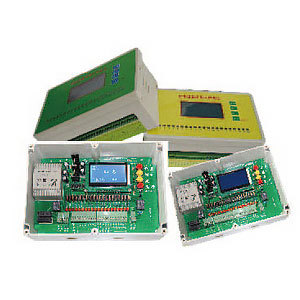
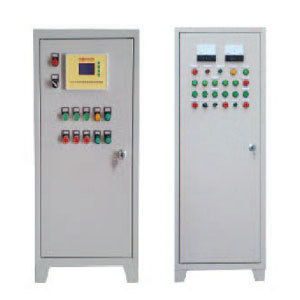
2. Pulse timing: The spraying interval and duration are set by the PLC controller, and the single spraying time is controlled within 0.1-0.2 seconds. It operates in the "room by room rotation" or "on-demand triggering" mode to avoid blind spraying.
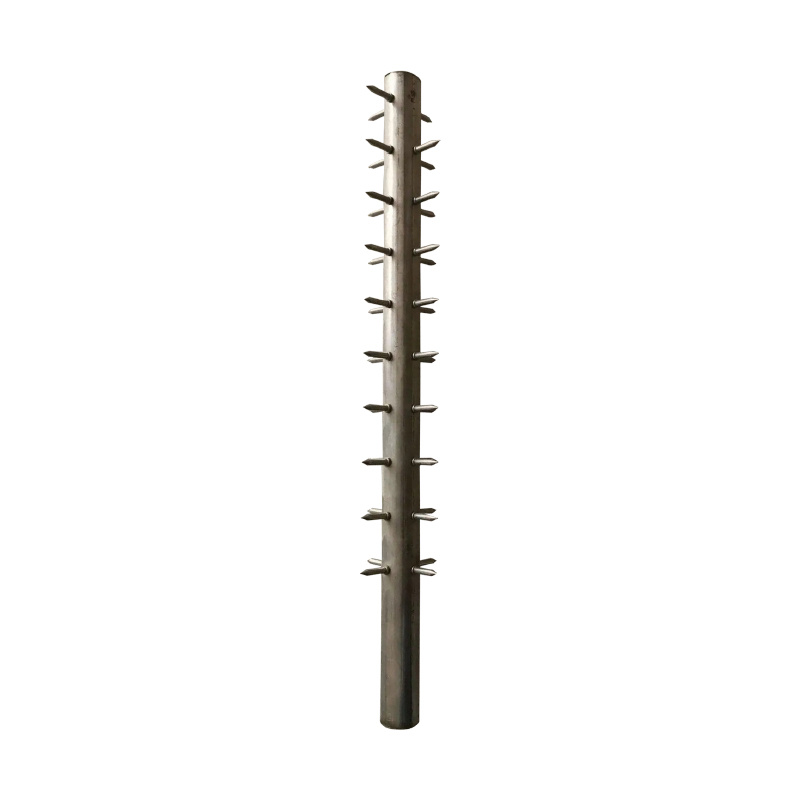
3. Airflow transmission: Compressed air forms a high-speed jet through the nozzle on the blowing pipe, which drives the surrounding air to form a secondary airflow and evenly acts on the surface of the plastic fired board, causing the dust layer to peel off and fall off to the ash hopper.
2、 The core logic of saving compressed air
The reason why the low-voltage pulse system can reduce air consumption is essentially the dual effect of "distributing air flow according to demand" and "adapting to the characteristics of plastic fired plates":
1. Pressure adaptation reduces ineffective consumption: The surface of the plastic fired board is mostly covered with film or smooth structure, with low dust adhesion, and can be peeled off without high-pressure impact. Low pressure injection avoids excessive loss of high-pressure airflow, reducing air consumption per unit time by 30% -40% compared to high-pressure pulses.
2. Precise timing to avoid redundant spraying: The system monitors the resistance of the plastic burning plate in real time through a pressure difference sensor. The cleaning is triggered only when the resistance rises to 1200-1500Pa, rather than fixed high-frequency spraying. High dust conditions can shorten the interval, low dust conditions can extend the interval, and airflow can be distributed as needed.
3. Secondary airflow improves dust cleaning efficiency: The low-pressure jet driven secondary airflow expands the dust cleaning coverage range, and a single nozzle can cover an area of 1.5-2 square meters of plastic fired board, reducing the number of nozzles and blowing times, indirectly reducing the total air consumption.
3、 Adapt to the scene and match the material of the plastic fired board
The gas saving advantage of the low-pressure pulse ash cleaning system needs to be fully utilized in combination with the working conditions and the material of the plastic fired plate. The suitable scenarios are as follows:
1. Fine particle dust scenario: such as electronic factory welding smoke, pharmaceutical fine powder, dust particle size ≤ 5 μ m, easy to form a thin dust layer on the surface of the plastic fired board, low voltage pulse can efficiently peel off without high voltage.
2. High viscosity dust scenarios: such as food processing, chemical adhesive dust, and plastic fired boards are often made of PTFE film material, which has a smooth surface. Low pressure airflow can avoid dust adhesion and reduce damage to the film caused by high pressure.
3. Low to medium dust concentration scenario: When the dust concentration is ≤ 100g/m ³, the thickness of the dust layer increases steadily, and low-pressure pulses can reduce gas consumption by extending the spraying interval; High dust concentration scenarios can be combined with pre dust removal devices, which can still be applied after reducing the load on the plastic fired board.
4. Precautions: In high temperature (>160 ℃) or strongly corrosive working conditions, compressed air pipelines and pulse valves that are resistant to high temperature and corrosion should be selected to avoid component failure affecting the cleaning effect.
4、 Key points of operation and maintenance: ensuring gas saving effect and dust cleaning stability
To maintain the gas saving advantage of the low-voltage pulse system in the long term, targeted maintenance and operation are necessary:
1. Regularly calibrate pressure parameters: Check the accuracy of the stabilizing valve every month to ensure that the injection pressure is stable at 0.3-0.5MPa, avoiding excessive or insufficient pressure that may increase gas consumption or incomplete dust cleaning.
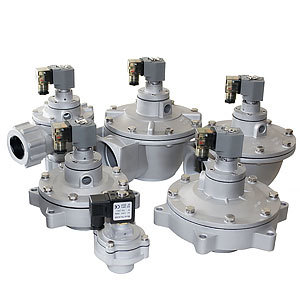
2. Maintenance of pulse valve and nozzle: Clean the pulse valve diaphragm every quarter, check whether the nozzle is blocked or worn, and ensure that the airflow is evenly sprayed; When replacing the diaphragm, choose a model that is compatible with the system to avoid leakage and excessive gas consumption.
3. Optimize the cleaning timing: Adjust the spraying interval according to changes in working conditions. If the humidity increases during the season, shorten the interval to 5-8 minutes per time to avoid repeated spraying caused by dust adhesion.
4. Monitor the status of the plastic fired board: Regularly check whether the plastic fired board is deformed or if the film falls off. If the surface is damaged, it will cause abnormal resistance and needs to be replaced in a timely manner to avoid the system from increasing gas consumption due to frequent dust cleaning.
The energy-saving value of low-voltage pulse ash cleaning system lies in "technical adaptation" rather than "simple pressure reduction". Its design logic is highly compatible with the smooth surface and rigid structure of the plastic fired board, which not only avoids the energy waste of high-pressure dust cleaning, but also protects the filter elements and extends the service life of the equipment. Overseas industrial users can apply the system reasonably based on their own dust characteristics, dust concentration, and operating pressure, combined with the adaptation requirements of the system, to reduce operation and maintenance energy consumption while ensuring compliance with emission standards.
Hot Tags:


Contact Us
Tel:
WeChat:
WhatsApp:
E-mail:
Address:
338 National Road South, Longfengdian Village, Botou City, Hebei Province, China
JiuznTomine is expertly delivering technically complicated projects in markets & provides custom solutions for their customized need.


CONTACT INFO
Tel: +86 18531710311
WeChat: +86-18531710311
338 National Road South, Longfengdian Village, Botou City, Hebei Province, China