












Key points of environmental inspection: Guidelines for verifying the operational efficiency of industrial dust removal equipment
Nov 08,2025

Against the backdrop of increasingly strict global environmental compliance requirements, the actual operational efficiency of industrial dust removal equipment has become the core verification content of environmental inspections. Overseas industrial enterprises need to clarify inspection priorities, master verification logic, ensure equipment operation meets standards through standardized management, and avoid risks such as fines and production shutdowns due to failed inspections.
1、 Core inspection indicators: Clarify the bottom line of compliance
The environmental inspection focuses on the verification of the operating efficiency of dust removal equipment, focusing on the three core values of "data authenticity, indicator compliance, and effective operation". The key indicators and verification standards are as follows:
1. Smoke emission concentration (primary verification item)
Verification criteria: It is necessary to comply with environmental regulations in the region where the enterprise is located, such as the EU EN 13285 standard (most industrial scenarios ≤ 10mg/m ³), the US EPA Title V standard (some industries ≤ 5mg/m ³), and some Southeast Asian countries ≤ 50mg/m ³ (specific to the latest local regulations).
Verification method: Retrieve real-time data and historical records from the online monitoring system (CEMS), compare them with a portable dust detector on site, and ensure that the data is consistent and tamper proof.
2. Equipment operating parameters (to determine if it is running effectively)
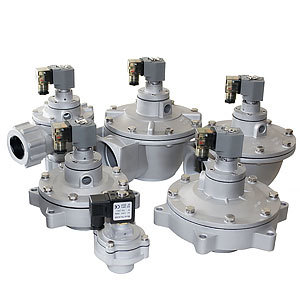
Core parameters: system resistance (normal range 800-1500Pa, reasons for exceeding 1800Pa need to be explained), fan current (stable without abnormal fluctuations), operating frequency of the dust cleaning system (pulse valve injection pressure 0.4-0.6MPa, reasonable injection interval).
Verification method: Check the real-time data and equipment operation logs of the PLC control system, and verify whether the on-site testing parameters match the ledger.
3. Operations and ledger integrity (traceability of operation trajectory)
Essential ledger: filter bag/cartridge replacement records (including replacement date, specifications, quantity), equipment maintenance records (cleaning, lubrication, fault repair), online monitoring equipment calibration records (at least once a month).
Verification requirements: The ledger must be continuous, traceable, and match the operating hours and production load of the equipment to avoid "only operation without maintenance" and "ledger fraud".
4. Equipment adaptability (to determine if it is operating with a malfunction)
Key verification points: matching degree between dust removal equipment model, processing air volume and production process (such as whether high load models are selected for high dust conditions); Adaptation of filter material type to flue gas characteristics (whether high-temperature resistant filter materials are used for high-temperature conditions, and whether anti-corrosion filter materials are used for corrosive scenarios).
Verification method: Compare the equipment technical parameter table with the production process documents, and inspect the actual usage status of the filter material on site.
2、 On site verification process: Understand the logic of inspection execution
The on-site inspection of environmental protection supervision follows the process of "data verification → equipment operation → data comparison → problem confirmation", and enterprises need to make corresponding preparations in advance:
1. Data verification stage (pre organized and archived)
Required documents: environmental approval documents (project environmental impact assessment report, pollutant discharge permit), equipment procurement contract and technical specifications, online monitoring system calibration certificate, operating ledger for the past 6 months, and training records for operation and maintenance personnel.
Key points of verification: Whether the documents are complete and logically consistent, such as whether the emission limits approved by the pollutant discharge permit match the equipment design and processing capacity, and whether the ledger records are consistent with the production schedule.
2. Equipment on-site inspection stage
Appearance and operating status: whether the equipment is running normally, whether it is shut down or idle; Is there any air leakage or damage to the shell, and is the sealing gasket aging; Is there excessive dust accumulation and leakage in the ash hopper.
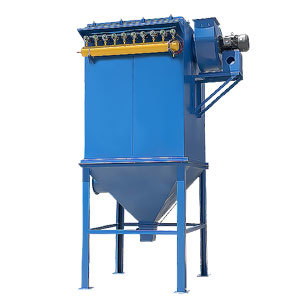
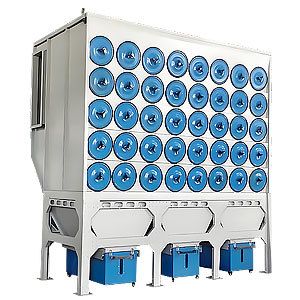
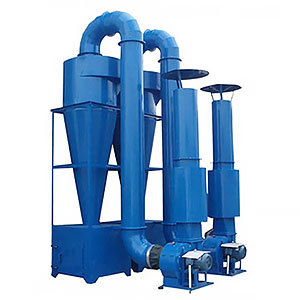
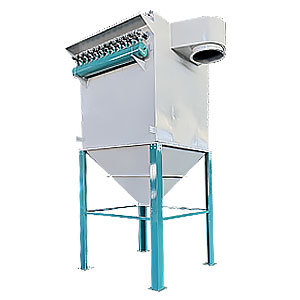
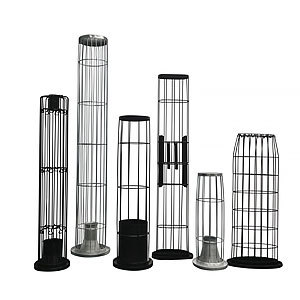
Core component inspection: Check whether the filter bag/cartridge is damaged or aged (randomly selected for on-site inspection); Is the dust cleaning system (pulse valve, spray pipe) working properly; Check for corrosion and wear of electrodes (electrostatic precipitator) and ceramic lining (cyclone dust collector).
Verification of online monitoring equipment: The deviation between the CEMS system data and the portable detector data during on-site testing must be ≤ ± 10%, otherwise the monitoring data will be considered invalid.
3. Data comparison and traceability stage
Verification logic: Compare the correlation between "production load data → equipment operating parameters → emission concentration data", such as whether the fan current and cleaning frequency of the dust removal equipment are synchronously adjusted when the production load increases, and whether the emission concentration is still stable and meets the standard.
Key investigation: Whether there are violations such as "starting during monitoring periods and stopping during non monitoring periods", "artificially adjusting monitoring data", and "using low load operation to cover up actual exceeding standards".
3、 Common verification issues and rectification directions
1. High frequency problem 1: Instantaneous exceeding of emission concentration
Typical reasons: Failure to replace damaged filter materials in a timely manner, unreasonable parameter settings in the dust cleaning system, and insufficient air flow for equipment processing.
Rectification direction: Regularly inspect the integrity of the filter material and replace it immediately if any damage is found; Dynamically adjust the cleaning interval based on dust concentration (shorten the interval during high dust periods); If the equipment selection is too small, upgrading or adding parallel devices is required.
2. High frequency problem 2: Incomplete operation ledger
Typical manifestations: lack of filter material replacement records, mismatch between maintenance records and equipment operating hours, and missing calibration records.
Rectification direction: Establish an electronic ledger and designate a dedicated person to be responsible for recording; Link the ledger with production system data to ensure consistency in time and parameters; Keep the ledger according to local requirements (most regions require it to be kept for 1-3 years).
3. High frequency problem 3: Insufficient adaptability of the equipment
Typical situations: ordinary filter materials are used for high-temperature flue gas, dehumidification treatment is not performed for high humidity conditions, and low load equipment is used for high dust scenarios.
Rectification direction: Re match equipment/components according to flue gas temperature, humidity, and dust concentration. For example, replace PPS/PTFE high-temperature resistant filter materials in high temperature conditions, install dehumidification modules in high humidity scenarios, and upgrade high dust conditions to a "cyclone+bag" collaborative treatment system.
4. High frequency problem 4: Distortion of online monitoring data
Typical reasons: irregular calibration of sensors, blockage of sampling tubes, and abnormal data transmission.
Rectification direction: Conduct sensor calibration once a month and clean sampling tubes quarterly; Establish a data anomaly alarm mechanism, immediately troubleshoot transmission failures, and keep records of fault handling.
4、 Core points of compliance preparation
1. Establish a "daily self inspection mechanism": conduct self inspections on a weekly basis based on verification indicators, promptly identify abnormal parameters, missing records, and other issues, and rectify them in advance.
2. Standardize data management: Ensure that online monitoring data is uploaded to the local environmental protection platform in real-time, without interruption or tampering; Retain original data backups for easy inspection and traceability.
3. Strengthen personnel training: Familiarize operation and maintenance personnel with equipment operation standards and verification processes to avoid abnormal equipment operation caused by improper operation.
4. Retain compliance certification documents: equipment certification certificates (CE, ATEX, etc.), filter material testing reports, third-party environmental testing reports, etc., which should be available for reference at any time.
The core of environmental inspection on the efficiency of dust removal equipment is to verify whether the equipment is truly operating, whether the data meets the standards, and whether the operation and maintenance are truly standardized. Overseas industrial enterprises need to abandon the mentality of "temporary response" and ensure the long-term stable operation of dust removal equipment through regular equipment maintenance, data management, and compliance self inspection, fundamentally meeting the requirements of environmental supervision.
Hot Tags:


Contact Us
Tel:
WeChat:
WhatsApp:
E-mail:
Address:
338 National Road South, Longfengdian Village, Botou City, Hebei Province, China
JiuznTomine is expertly delivering technically complicated projects in markets & provides custom solutions for their customized need.


CONTACT INFO
Tel: +86 18531710311
WeChat: +86-18531710311
338 National Road South, Longfengdian Village, Botou City, Hebei Province, China