












Dust removal skeleton rounded corner design: avoids scratches on filter bags and extends equipment operation life
Nov 07,2025
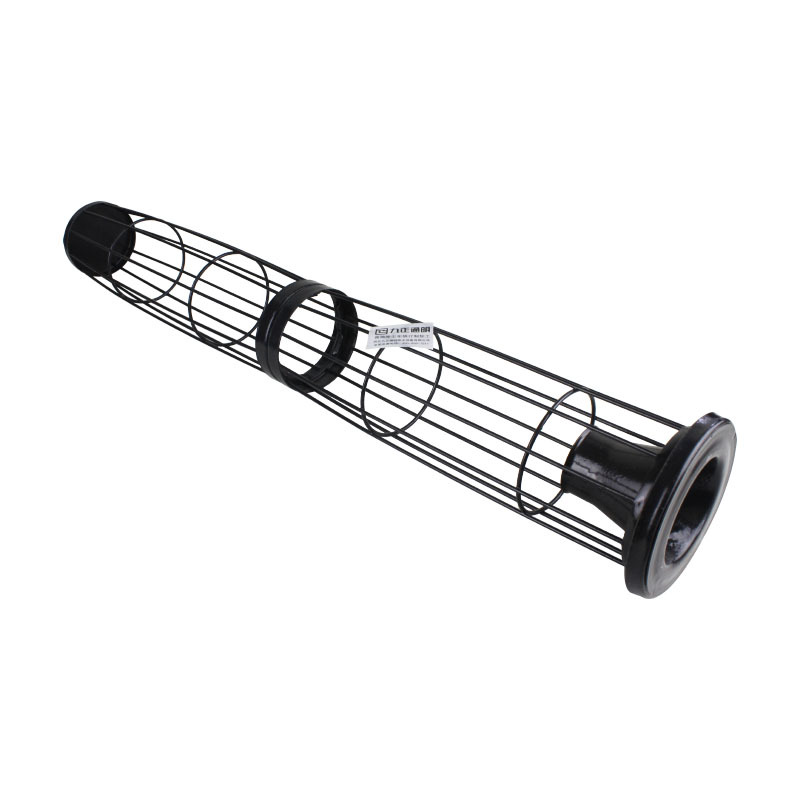
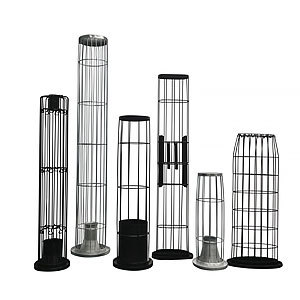
In industrial dust removal systems, the damage of filter bags is a common problem that leads to a decrease in dust removal efficiency and an increase in operation and maintenance costs. The structural design of the dust removal skeleton is one of the key factors affecting the service life of filter bags. The traditional dust removal skeleton with right angled edges is prone to friction and even scratches with the filter bag during installation, dust cleaning vibration, and other processes, accelerating the damage of the filter bag. In contrast, the dust removal skeleton with rounded corners has become an important technical optimization direction for improving the stability of dust removal systems by optimizing structural details and reducing filter bag damage from the root.
1、 Potential damage hazards of right angle skeleton to filter bags
As the supporting structure of the filter bag, the dust removal skeleton needs to be closely attached to the filter bag, and its edge shape directly affects the usage status of the filter bag:
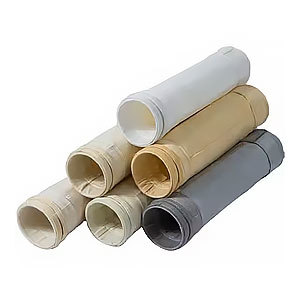
The traditional skeleton adopts a right angle design, with sharp edges and no transitions. When installing the filter bag, the inner wall of the filter bag is prone to hard friction with the right angle edge, causing damage to the filter bag fibers and forming small breaks;
During the dust cleaning process, the filter bag will vibrate or expand and contract with the airflow, causing repeated friction with the right angled edge and gradually expanding the rupture, ultimately leading to dust leakage;
The right angled edge is prone to accumulate dust, forming local pressure concentration, further exacerbating local wear of the filter bag, and shortening the filter bag replacement cycle.
2、 The core advantage of rounded corner design: protecting the filter bag structurally
The rounded corner design achieves comprehensive protection of the filter bag by changing the shape of the skeleton edge, and its technical logic is clear and practical:
Smooth transition of edges: Process the corners of the skeleton into rounded corners of R3-R5mm to eliminate sharp edges. When the filter bag comes into contact with the skeleton, it is a surface contact rather than a point contact, reducing local frictional stress;
Reduce vibration wear: During dust cleaning vibration, the rounded edges can disperse the stress points of the filter bag, avoiding the tearing of the filter bag caused by stress concentration, especially suitable for high-frequency vibration scenarios such as pulse dust cleaning;
Reduce dust accumulation: The rounded surface is smooth and not prone to residual dust, avoiding dust accumulation at the edges to form "abrasives" and reducing the risk of indirect wear on the filter bag.
3、 The practical application value of rounded corner design
In long-term industrial practice, the dust removal skeleton with rounded corners has demonstrated significant practical value:
Extending the lifespan of filter bags: By reducing scratches and friction damage, the replacement cycle of filter bags can be extended by more than 30%, especially in harsh working conditions such as high temperature and high dust, the effect is more significant;
Stable dust removal efficiency: avoid dust leakage caused by filter bag damage, ensure that the dust removal system maintains the designed capture efficiency for a long time, and reduce the risk of excessive emissions;
Reduce operation and maintenance costs: Reduce the frequency of filter bag replacement, while minimizing downtime and maintenance time caused by filter bag damage, indirectly reducing labor and accessory procurement costs.
4、 Key considerations for design and processing
The effect of rounded corner design needs to rely on standardized processing techniques, and the core considerations include:
Corner size adaptation: Select the appropriate corner radius based on the material and specifications of the filter bag. If it is too small, it cannot provide protection, while if it is too large, it may affect the fit between the skeleton and the filter bag;
Surface polishing treatment: After rounded corner processing, surface polishing is required to ensure that the edges are free of burrs and unevenness, and the surface roughness should be controlled below Ra1.6;
Overall structural coordination: The rounded corner design should match the welding process and dimensional accuracy of the skeleton to avoid abnormal rounded corner shapes caused by welding deformation, which may affect the use effect.
The rounded corner design of the dust removal skeleton, although optimized for details, directly relates to the lifespan of the filter bag and the stability of the dust removal system. Its core value lies in reducing filter bag damage from the root through structural improvement, without the need for additional operation and maintenance costs, which can achieve an improvement in system operating efficiency. Against the backdrop of increasing stability and economic requirements for industrial dust removal, this attention to detail structural optimization has become an important trend in dust removal equipment design, suitable for various dust removal systems that rely on filter bags such as bag filters and pulse dust collectors.
Hot Tags:


Contact Us
Tel:
WeChat:
WhatsApp:
E-mail:
Address:
338 National Road South, Longfengdian Village, Botou City, Hebei Province, China
JiuznTomine is expertly delivering technically complicated projects in markets & provides custom solutions for their customized need.


CONTACT INFO
Tel: +86 18531710311
WeChat: +86-18531710311
338 National Road South, Longfengdian Village, Botou City, Hebei Province, China