











Industrial dust removal in small factories: a guide for selecting economical single machine equipment
Oct 31,2025
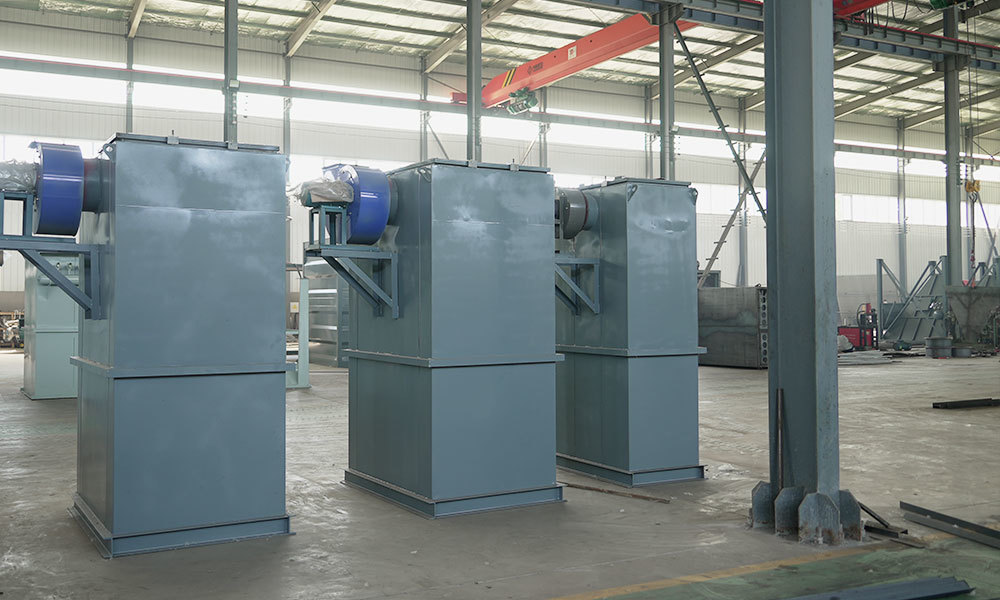
For small overseas factories, industrial dust removal does not require the investment of complex systems. Choosing the right economical single machine equipment can meet compliance requirements at low cost. This type of equipment is small in size, easy to install, and simple to operate, perfectly adapting to the space and budget constraints of small workshops. The core is "precise matching of working conditions" to avoid waste caused by excessive investment or improper selection.
1、 Before selecting a model, it is necessary to conduct an evaluation of three basic operating conditions
The key to selection is to understand one's own needs, and three simple questions can lock in direction:
1. Dust type: Is it coarse dust from woodworking/building materials (particle size>10 μ m), fine dust from electronics/pharmaceuticals (particle size<5 μ m), or corrosive dust from chemical industry?
2. Processing requirements: The air volume that a single device needs to cover (commonly 5000-20000m ³/h in small factories), and whether dust recovery is required (such as flour in food factories and powder in metal processing factories)?
3. Constraints: workshop available space (length, width, height), local environmental standards (such as EU ≤ 10mg/m ³, US ≤ 5mg/m ³), budget range (mainstream price of economical single machine is 5000-20000 US dollars).
2、 3 types of mainstream economy single machines: adaptation scenarios+core advantages
Small factories do not need to worry about complex models. The following three types of single machines cover 80% of scenarios, with full cost-effectiveness:
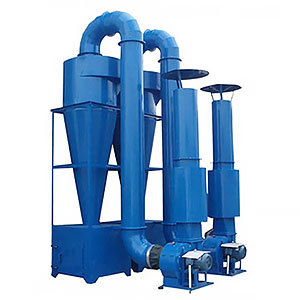
1. Cyclone dust collector: entry-level model for coarse dust treatment
-Adaptation scenarios: Mining crushing, woodworking workshops, building materials factories, and other coarse dust (particle size>10 μ m) scenarios, without the need for fine powder capture or only requiring pre dust removal.
-Core advantages: minimalist structure, no vulnerable parts, lowest procurement and operation costs, and almost zero failure rate; Resistant to temperatures up to 400 ℃, it can directly handle high-temperature coarse dust.
-Foreign trade adaptation: modular design, small transportation volume, convenient customs clearance; Optional 304 stainless steel material, suitable for high humidity and mild chemical corrosion scenarios in Southeast Asia.
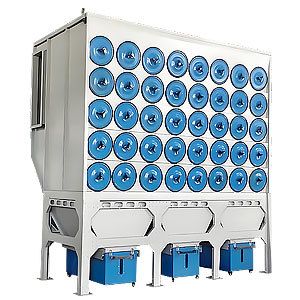
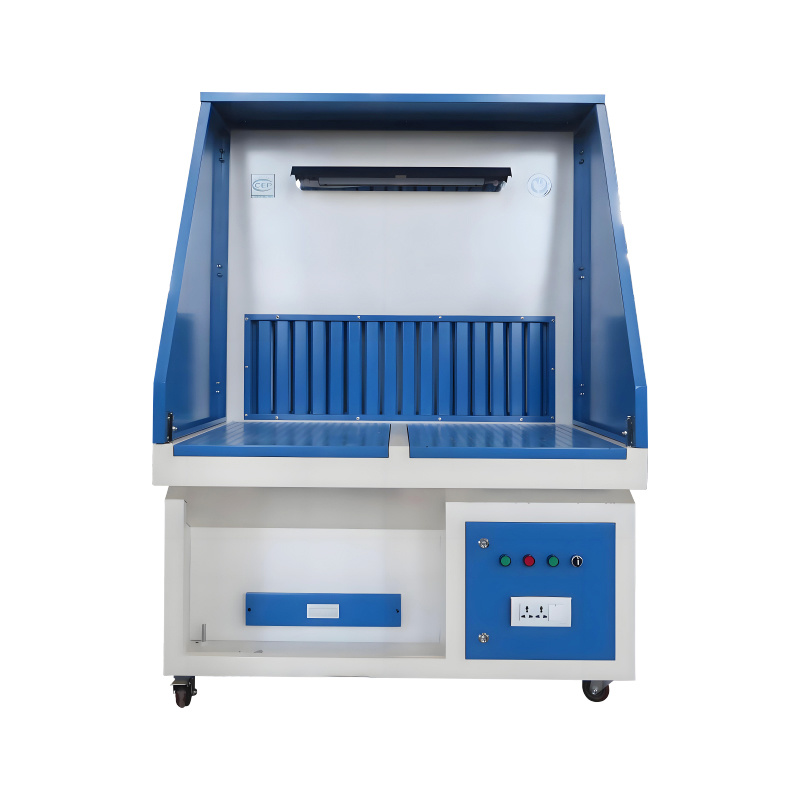
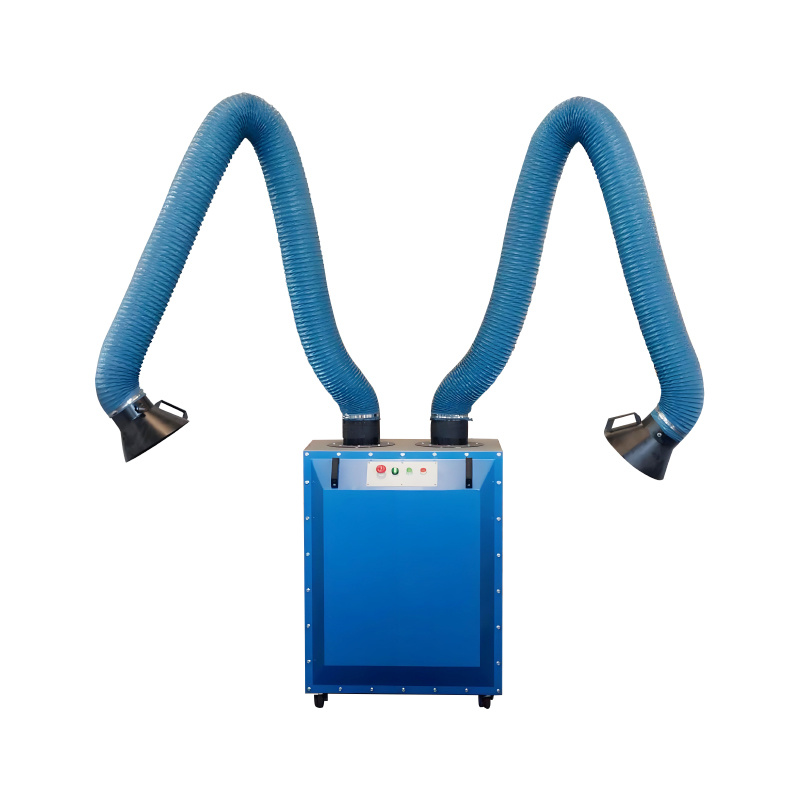
2. Filter cartridge dust collector: a cost-effective option for fine powder capture
-Adaptation scenarios: Electronic factory welding fumes, food factory fine powder, small spray painting workshops, etc., requiring the treatment of 0.1-10 μ m fine dust and meeting emission standards.
-Core advantage: The fine powder capture rate reaches 99.9%, easily meeting most global environmental standards; The volume is only one-third of that of a bag filter, suitable for narrow workshops; The cost of replacing the filter cartridge is low, and one person can complete it in 10 minutes.
-Foreign trade adaptation: Provide FDA food grade certification (for food factories) and ATEX explosion-proof certification (for chemical industries); Waterproof membrane filter cartridges can be selected in high humidity areas to prevent condensation and blockage.
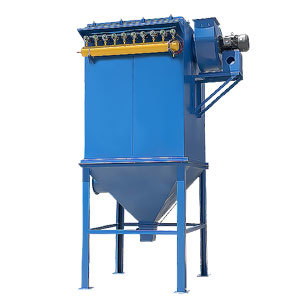
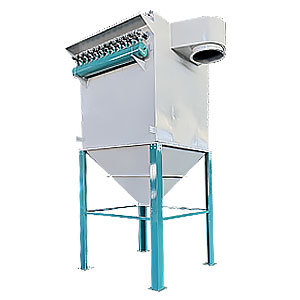
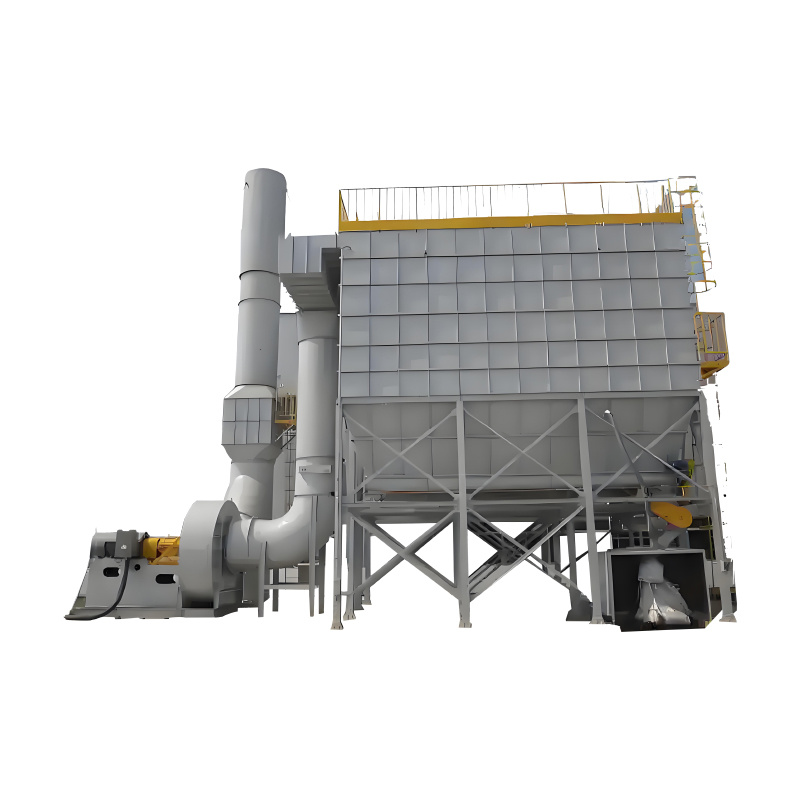
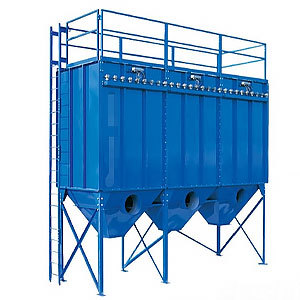
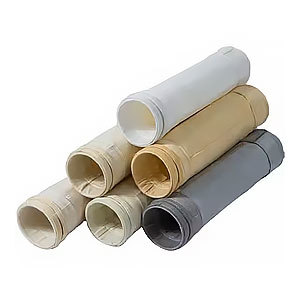
3. Small bag filter: Stable version for medium and high concentration dust
-Applicable scenarios: Small chemical and metallurgical auxiliary workshops, etc., with high dust concentration (>50g/m ³) or containing a small amount of viscous dust.
-Core advantages: The filter bag has a large dust holding capacity, a long cleaning cycle, and low maintenance frequency; Temperature resistance and corrosion resistance are superior to filter cartridge dust collectors, making it suitable for more complex working conditions.
-Foreign trade adaptation: Support customization of dimensions according to workshop space, detachable design for easy installation in narrow areas; The material can be galvanized carbon steel (economical type) or 316L stainless steel (corrosive condition).
3、 Three key principles for selection: save money and avoid pitfalls
1. Prioritize adaptation and do not blindly pursue "high-end": For coarse dust, choose a cyclone dust collector; for fine dust, choose a filter cartridge dust collector; for medium to high concentration dust, choose a small cloth bag to avoid waste of "treating coarse dust with a filter cartridge" and "treating a small amount of fine dust with a cloth bag".
2. Controllable cost, clear "full cycle account": In addition to the purchase price, attention should be paid to consumables replacement (annual cost of filter cartridges/bags), energy consumption (fan power, small single machine preferred variable frequency version, saving 20% electricity).
3. Simple operation and maintenance, adaptable to small factories: Priority should be given to models that do not require complex electrical systems or professional team maintenance to avoid equipment idle due to insufficient technology.
4、 Special Tips for Foreign Trade Scenarios
-Space adaptation: Small factories in Europe and America often have narrow workshops, so it is preferred to choose compact single machines that can be wall mounted/vertical to reduce the footprint.
-Compliance adaptation: For exports to Europe and America, CE/UL certified equipment is required. Export food factories need to confirm that the filter material meets FDA standards to avoid customs clearance obstacles.
-Regional adaptation: Select high-temperature resistant fans (capable of withstanding temperatures above 45 ℃) for high temperature areas in the Middle East, rust proof shells and hydrophobic filter materials for high humidity areas in Southeast Asia, and models with electrical cabinet insulation for low-temperature areas in Northern Europe.
For small factories, the core value of economical single machine dust removal equipment is "precise matching+low-cost stable operation". Without the need to follow the complex systems of large factories, as long as the appropriate model is selected based on dust type, processing requirements, and space budget, compliant dust removal can be achieved with minimal investment, while controlling subsequent operation and maintenance costs, providing support for foreign trade production.
Hot Tags:


Contact Us
Tel:
WeChat:
WhatsApp:
E-mail:
Address:
338 National Road South, Longfengdian Village, Botou City, Hebei Province, China
JiuznTomine is expertly delivering technically complicated projects in markets & provides custom solutions for their customized need.


CONTACT INFO
Tel: +86 18531710311
WeChat: +86-18531710311
338 National Road South, Longfengdian Village, Botou City, Hebei Province, China