











Collaboration between bag filter and electrostatic precipitator: technical adaptation path for complex flue gas treatment
Oct 30,2025

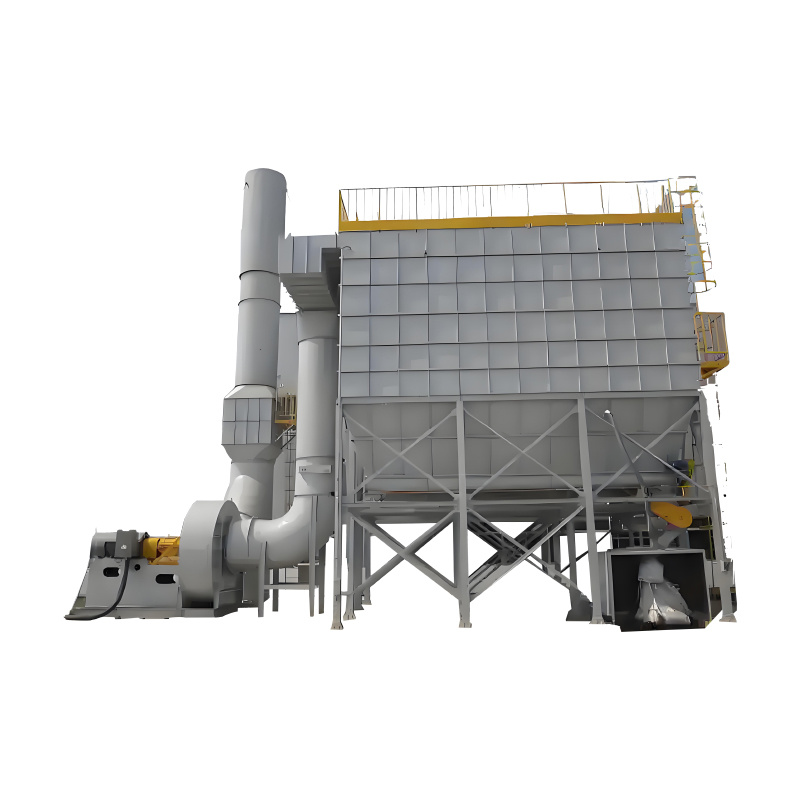
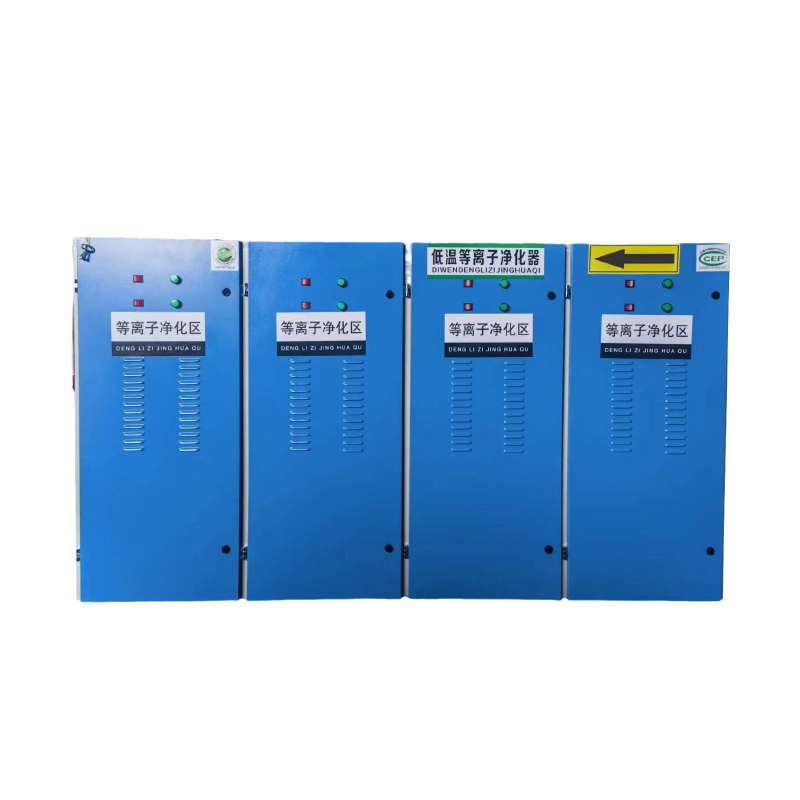
In industrial flue gas treatment, a single dust removal equipment often fails to meet the multiple requirements of "high temperature tolerance, coarse dust treatment, and fine powder capture". Electrostatic precipitators have limited efficiency in capturing sub micron fine powder, and bag filters are prone to filter bag blockage or aging under high dust and high temperature conditions. The collaborative system of "electrostatic precipitator+bag filter" has become a technical solution for complex flue gas treatment in industries such as steel, power plants, and cement through the complementary functions of two-stage equipment. Its core value lies in optimizing treatment efficiency and equipment operation stability, rather than the superposition of single equipment performance.
1、 The core logic of collaborative systems: functional division and complementarity
The collaboration between the bag and electrostatic precipitator is not simply a series connection, but based on the layered processing logic of dust particle size and temperature in the flue gas, clarifying the core role of the two-stage equipment, and achieving the processing goal of "coarse first, fine later, stable working conditions first, and accuracy later".
1. Electrostatic precipitator: pre-processing, optimizing working conditions
As the first level of the collaborative system, the core function of the electrostatic precipitator is to process coarse particulate dust in the flue gas and regulate the operating conditions, creating a stable operating environment for the subsequent bag filter
Coarse dust separation: Using the principle of electric field adsorption, more than 80% of the 10 μ m coarse dust in the flue gas is efficiently captured, reducing the dust load entering the bag filter and avoiding rapid clogging of the filter bag.
High temperature adaptation: The electrostatic precipitator can withstand temperatures up to 300-400 ℃ and can directly process high-temperature flue gas without the need for additional cooling equipment; At the same time, some high-temperature dust can achieve preliminary cooling in the electrostatic field, reducing the temperature of the flue gas entering the bag filter to the tolerance range of the filter bag and protecting the filter bag from thermal damage.
Reduce corrosive substances: For flue gas containing acidic and alkaline components, the electrode plate of the electrostatic precipitator can adsorb some corrosive dust, reducing the corrosion risk of subsequent bag filter materials.
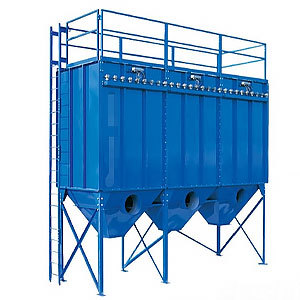
2. Bag filter: rear precision filtration to ensure compliance with standards
The flue gas pre treated by the electrostatic precipitator enters the bag filter for secondary treatment, with the core goal of accurately capturing fine powder to ensure emissions meet standards:
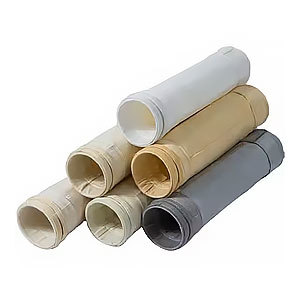
Fine powder capture: The filter material of the bag filter can effectively capture sub micron fine powder of 0.1-10 μ m, ensuring that the final flue gas emission concentration is stably controlled below 10mg/m ³, meeting the industrial dust emission standards of most countries and regions.
Compensating for the shortcomings of static electricity: For high specific resistance dust that is difficult for electrostatic precipitators to handle, bag filters can achieve efficient capture through physical filtration, avoiding fluctuations in electrostatic precipitator efficiency caused by abnormal dust specific resistance.
2、 Key technical points of collaborative systems: ensuring stable operation
The collaboration between two types of devices requires addressing three major technical issues: airflow connection, temperature control, and system linkage, in order to avoid a decrease in processing efficiency or equipment failure caused by parameter mismatch.
1. Airflow distribution: avoid uneven local loads
An airflow guide device should be installed between the two levels of equipment to ensure that the flue gas treated by the electrostatic precipitator enters the filter bag chamber of the bag filter uniformly, preventing excessive wear of local filter bags due to fast airflow or high dust concentration.
The system air duct design needs to control the wind speed between 12-18m/s, which not only avoids dust deposition caused by low wind speed, but also prevents the increase of system resistance caused by high wind speed, which affects overall energy consumption.
2. Temperature and humidity control: adapted to the tolerance range of filter bags
If the outlet flue gas temperature of the electrostatic precipitator is still higher than the upper limit of the bag filter bag tolerance, a cooler needs to be installed between the two stages of equipment, and the flue gas temperature can be adjusted through an automatic temperature control valve to ensure that the flue gas temperature entering the bag filter is stable within the filter bag adaptation range.
For high humidity flue gas, a dehumidification module needs to be installed at the inlet of the electrostatic precipitator to reduce the liquid water content in the flue gas and prevent moisture from entering the bag filter, which can cause the filter bag to stick to the dust and affect the cleaning effect.
3. Intelligent linkage control: dynamically adapt to changes in working conditions
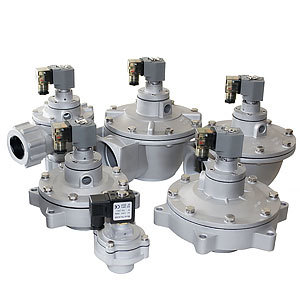
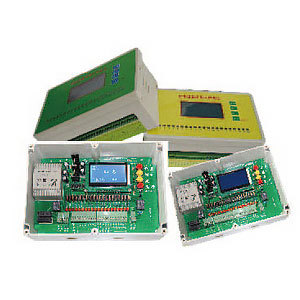
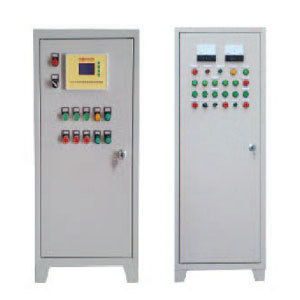
The collaborative system needs to be equipped with a PLC control system to monitor key parameters such as flue gas temperature, dust concentration, and system resistance in real time. When the flue gas temperature suddenly rises, the power of the cooler will be automatically adjusted; When the resistance of the bag filter exceeds 1500Pa, the pulse cleaning system is triggered; When the electric field voltage of the electrostatic precipitator is abnormal, issue a warning and adjust the operating parameters to avoid the impact of a single equipment failure on the overall system.
The data monitoring module needs to record the operating data of the two-level equipment for later operation and maintenance analysis, and timely discover potential problems.
3、 Applicable scenario analysis: Matching complex industrial flue gas characteristics
The collaborative system of bag and electrostatic precipitator is not a universal solution, and its adaptability depends on the temperature of the flue gas, the particle size distribution of the dust, and the treatment requirements. It is mainly suitable for the following three complex working conditions:
1. Steel industry: converter/blast furnace flue gas treatment
Smoke characteristics: high temperature (250-350 ℃), high dust concentration (containing a large amount of 10-50 μ m iron oxide coarse dust, mixed with a small amount of submicron fine powder), intermittent emissions.
Collaborative advantages: Pre treatment of coarse dust and high temperature by electrostatic precipitator, avoiding high temperature aging of filter bags; The bag filter is used to collect fine powder after installation, ensuring that the emission concentration is ≤ 10mg/m ³, which meets the ultra-low emission requirements of the steel industry.
2. Coal fired power plants: boiler flue gas treatment
Smoke characteristics: Contains high specific resistance fly ash (some fly ash has a specific resistance greater than 10 ΩΩ· cm, resulting in low electrostatic precipitator efficiency), temperature range of 180-220 ℃, and stable air flow.
Collaborative advantage: The electrostatic precipitator processes most of the coarse fly ash, reducing the load on the bag; The bag filter compensates for the shortcoming of static electricity in capturing high specific resistance fine powder, while reducing heavy metal emissions in fly ash and meeting the environmental standards of power plants.
3. Cement industry: kiln tail gas treatment
Smoke characteristics: containing alkaline dust (such as CaO), temperature of 200-280 ℃, and large fluctuations in dust concentration (concentration differences can reach 2-3 times when kiln conditions change).
Collaborative advantages: Pre adsorption of alkaline coarse dust by electrostatic precipitators reduces corrosion of bag filter materials; The bag filter stabilizes the processing of fine powder, avoiding excessive emissions caused by fluctuations in dust concentration, and extending the filter bag replacement cycle.
4、 Focus on the operation and maintenance of collaborative systems
Compared to a single device, the operation and maintenance of collaborative systems need to take into account the characteristics of two-level devices, with a focus on the following two points:
Electrode maintenance of electrostatic precipitator: Regularly clean the dust nodules on the electrode plate, check the sealing of the insulating porcelain bottle, and avoid the decrease of electric field voltage caused by electrode pollution, which affects the efficiency of coarse dust treatment.
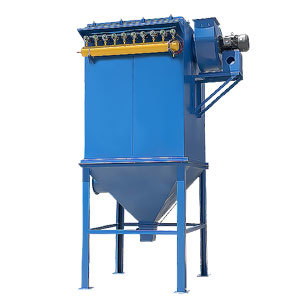
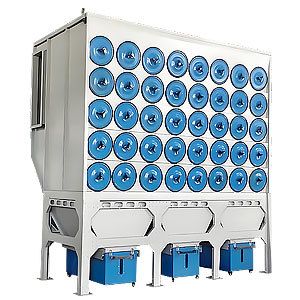
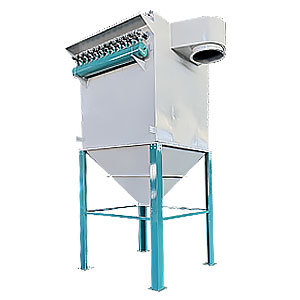
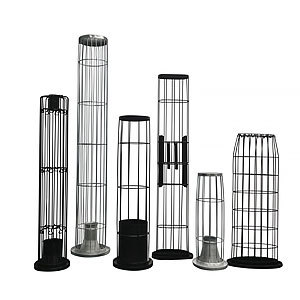
Bag filter bag management for bag dust collectors: Adjust the cleaning frequency according to the dust load to avoid excessive cleaning leading to filter bag wear; Regularly check the breathability of filter bags, replace damaged filter bags in a timely manner, and prevent fine powder leakage.
The collaboration between bag filter and electrostatic precipitator is essentially a "technical combination adaptation" based on the characteristics of industrial flue gas. The electrostatic precipitator solves the adaptability problem of high temperature and high dust working conditions, and the bag filter solves the accuracy problem of fine powder capture, ultimately achieving the goal of "high efficiency+stability" in complex flue gas treatment. This collaborative mode does not rely on the performance breakthrough of a single device, but provides a feasible path for high difficulty flue gas treatment scenarios through system design optimization. Its application value needs to be comprehensively evaluated based on the flue gas parameters and environmental requirements of specific industries, rather than a universal "optimal solution".
Hot Tags:


Contact Us
Tel:
WeChat:
WhatsApp:
E-mail:
Address:
338 National Road South, Longfengdian Village, Botou City, Hebei Province, China
JiuznTomine is expertly delivering technically complicated projects in markets & provides custom solutions for their customized need.


CONTACT INFO
Tel: +86 18531710311
WeChat: +86-18531710311
338 National Road South, Longfengdian Village, Botou City, Hebei Province, China