












How Industrial Cyclone Dust Collectors Enhance Air Quality in Manufacturing
Apr 01,2026
How Industrial Cyclone Dust Collectors Improve Air Quality in Manufacturing
Table of Contents
Introduction to Industrial Cyclone Dust Collectors
Understanding Dust Collection Systems
The Importance of Air Quality in Manufacturing
How Industrial Cyclone Dust Collectors Work
Benefits of Using Cyclone Dust Collectors
Improved Air Quality
Enhanced
How Industrial Cyclone Dust Collectors Improve Air Quality in Manufacturing
Table of Contents
- Introduction to Industrial Cyclone Dust Collectors
- Understanding Dust Collection Systems
- The Importance of Air Quality in Manufacturing
- How Industrial Cyclone Dust Collectors Work
- Benefits of Using Cyclone Dust Collectors
- Best Practices for Implementation
- Maintaining Cyclone Dust Collectors
- Future Trends in Dust Collection Technology
- Conclusion
- FAQs
Introduction to Industrial Cyclone Dust Collectors
In the manufacturing sector, maintaining **clean air quality** is not merely a regulatory requirement; it is crucial for the health and productivity of workers. Industrial cyclone dust collectors are among the most efficient and effective solutions for mitigating airborne particulate matter. By harnessing the principles of centrifugal force, these systems efficiently separate dust and other contaminants from the air, ensuring a cleaner and safer work environment. This article delves into how industrial cyclone dust collectors enhance air quality in manufacturing, their operational mechanics, and the myriad benefits they offer.
Understanding Dust Collection Systems
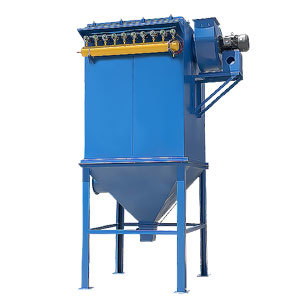
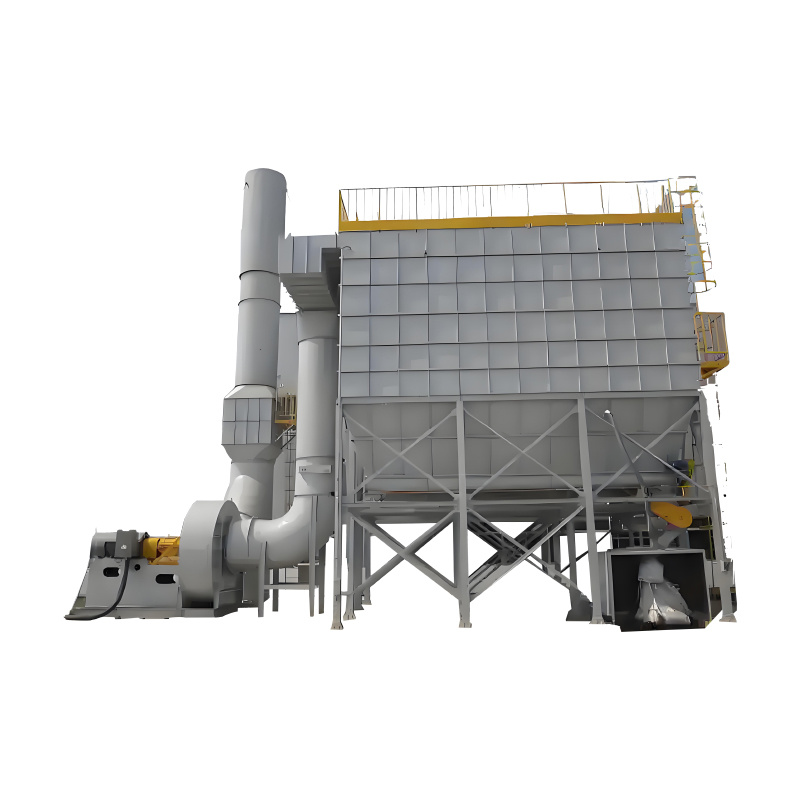
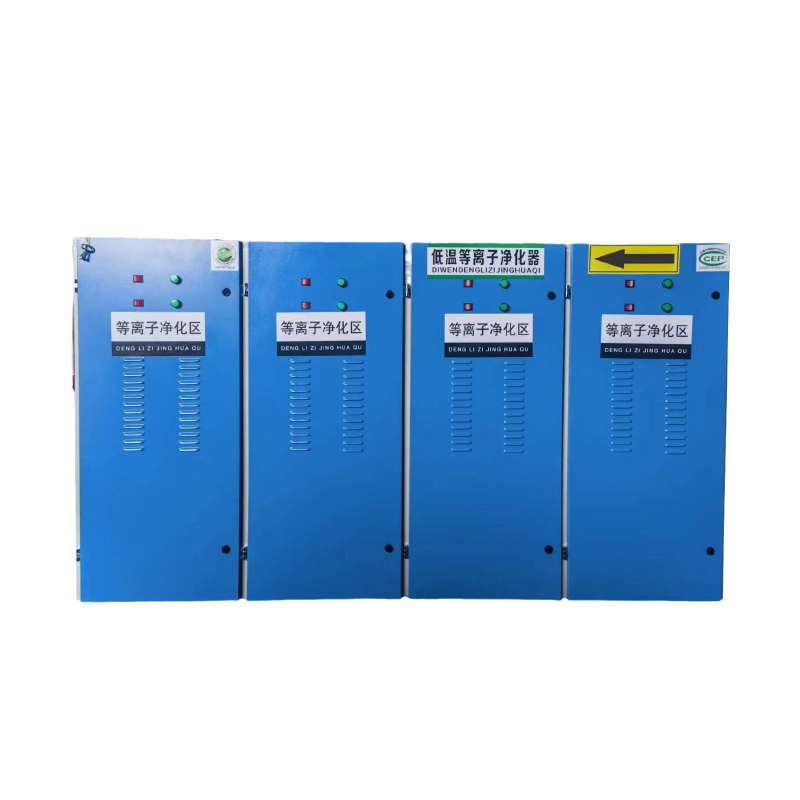
Dust collection systems are engineered to capture and filter airborne particles generated during various manufacturing processes. These systems vary widely in design and operational efficiency, with cyclone dust collectors standing out due to their effectiveness in handling large volumes of dust and debris.
The Components of Dust Collection Systems
A typical dust collection system comprises several essential components:
- **Dust Collector**: The main unit where dust is separated from the air.
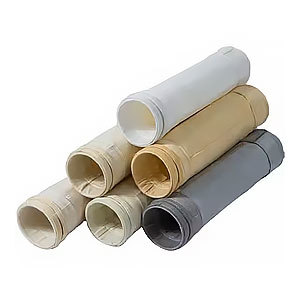
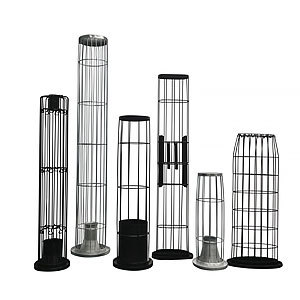
- **Dust Filtration System**: Utilizes filters to trap fine particles.
- **Ductwork**: Connects machinery to the dust collector, facilitating the movement of contaminated air.
- **Clean Air Exhaust**: Discharges the purified air back into the environment.
Types of Dust Collection Systems
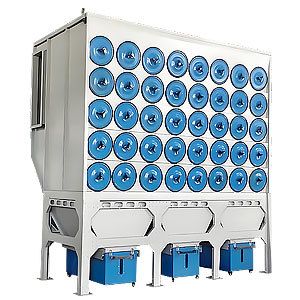
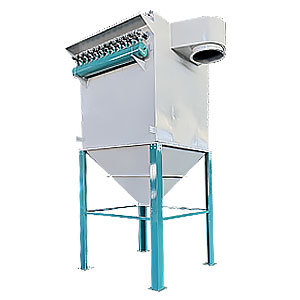
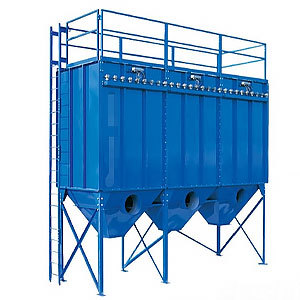
Various types of dust collection systems exist, including baghouse collectors, cartridge collectors, and cyclone dust collectors. Each system has its strengths, but cyclone dust collectors are particularly renowned for their efficiency and low maintenance needs.
The Importance of Air Quality in Manufacturing
Air quality significantly impacts manufacturing operations. Poor air quality can lead to severe health risks for employees, decreased productivity, and damage to equipment. Here are some key reasons why maintaining optimal air quality is essential:
Health Risks
Employees exposed to high levels of dust and airborne contaminants face serious health issues, including respiratory problems, allergies, and long-term illnesses. Ensuring clean air can mitigate these risks, promoting a healthier workforce.
Productivity Levels
Clean air contributes to higher productivity. When workers are not hindered by respiratory issues, their efficiency and output levels increase, directly benefiting the manufacturing process.
Equipment Longevity
Dust accumulation can damage machinery and equipment, leading to costly repairs and replacements. By implementing effective dust collection systems, manufacturers can prolong the lifespan of their equipment.
How Industrial Cyclone Dust Collectors Work
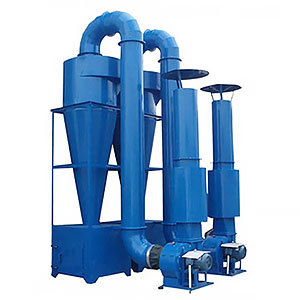
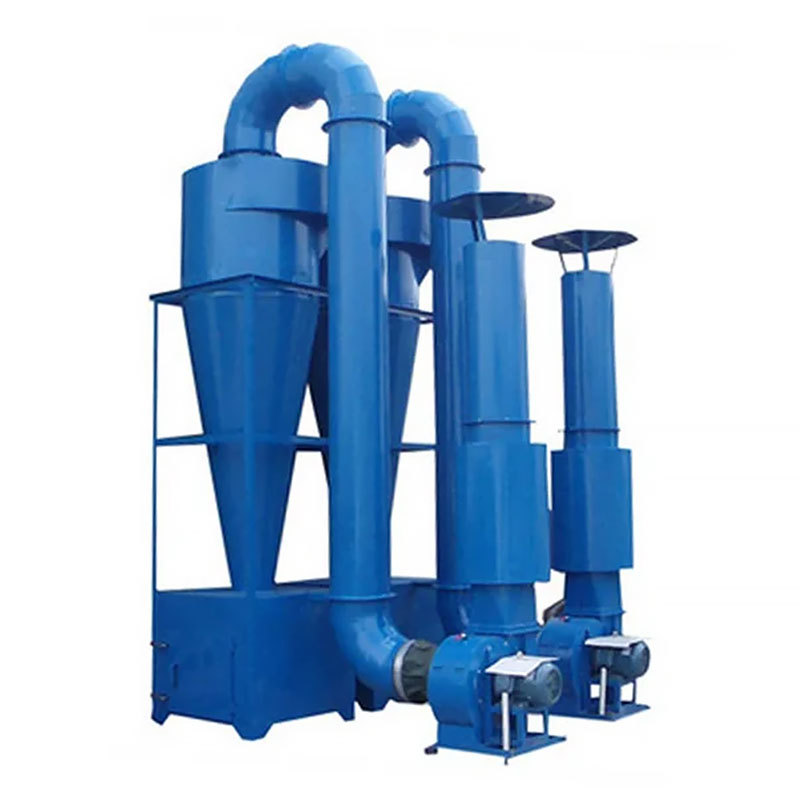
Cyclone dust collectors use centrifugal force to separate dust and debris from the air effectively. The process involves several key steps:
The Cyclone Separation Process
1. **Air Intake**: Contaminated air enters the cyclone dust collector through an inlet duct.
2. **Centrifugal Force**: As the air spirals down the cone, centrifugal force pushes heavier particles to the outer walls.
3. **Dust Collection**: The particles are then directed into a collection bin or hopper, while the cleaner air moves upward.
4. **Clean Air Discharge**: Finally, the purified air exits the cyclone collector, returning to the workplace environment or venting outside.
Types of Cyclone Dust Collectors
Cyclone dust collectors can be classified into two main types:
- **Single-Cyclone Collectors**: Suitable for smaller operations, effective in handling moderate dust loads.
- **Multi-Cyclone Collectors**: Designed for larger operations with higher dust generation, offering superior performance and efficiency.
Benefits of Using Cyclone Dust Collectors
Employing cyclone dust collectors in manufacturing environments comes with numerous advantages that not only improve air quality but also enhance overall operational efficiency.
Improved Air Quality
Industrial cyclone dust collectors excel at removing various types of airborne particles, including fine dust, sawdust, and metal shavings. This capability ensures that the work environment remains free of harmful contaminants, leading to improved air quality and better health outcomes for workers.
Enhanced Worker Safety
By reducing airborne pollutants, cyclone dust collectors enhance workplace safety. A cleaner environment minimizes the risk of accidents and health-related issues, fostering a safer and more productive workplace.
Cost-Effectiveness
Cyclone dust collectors are typically more cost-effective in the long run. They require minimal maintenance, have lower energy consumption rates, and reduce the need for extensive air quality management interventions. Investing in a cyclone collector can lead to significant cost savings over time.
Best Practices for Implementation
To maximize the effectiveness of cyclone dust collectors, manufacturers should adhere to best practices during the implementation process.
Site Assessment
Before installation, conduct a thorough site assessment to determine the dust generation sources and airflow patterns. This evaluation will inform the proper sizing and placement of the cyclone dust collector.
Regular Maintenance
Implement a routine maintenance schedule to ensure optimal performance. Regularly inspect and clean the cyclone collector to prevent clogs and inefficiencies.
Employee Training
Training employees on the importance of air quality and the proper use of dust collection equipment can foster a culture of safety and awareness in the workplace.
Maintaining Cyclone Dust Collectors
Proper maintenance is essential to ensure the longevity and efficiency of cyclone dust collectors. Here are some key maintenance tips:
Regular Inspections
Conduct regular inspections to identify potential issues before they escalate. Check for wear and tear on components and address any repairs promptly.
Cleaning Procedures
Establish cleaning procedures for both the cyclone collector and the surrounding workspace. Keeping the area clean will enhance the collector's performance and prevent equipment damage.
Monitoring Performance
Utilize performance monitoring tools to assess the efficiency of the cyclone dust collector. Monitoring metrics like airflow and pressure drop can help identify inefficiencies that need addressing.
Future Trends in Dust Collection Technology
The field of dust collection technology is evolving rapidly, with several exciting trends on the horizon:
Smart Dust Collection Systems
The integration of IoT technology in dust collection systems allows for real-time monitoring and data analysis. Smart systems can alert operators to issues, enabling proactive maintenance.
Enhanced Filtration Technologies
Advancements in filtration technology are leading to more efficient dust collection solutions. Manufacturers are exploring innovative materials and designs to enhance particle capture rates.
Sustainability Initiatives
As environmental regulations tighten, manufacturers are focusing on sustainable practices. Dust collection systems are being designed with energy efficiency and reduced emissions in mind.
Conclusion
Industrial cyclone dust collectors play a pivotal role in enhancing air quality in manufacturing environments. By effectively removing airborne particles, these systems contribute to healthier workplaces, improved productivity, and cost savings. As technology advances, the capabilities of dust collection systems will continue to evolve, offering even more effective solutions for maintaining clean air in industrial settings. It is imperative for manufacturers to invest in cyclone dust collectors to ensure the safety and well-being of their workers while optimizing operational efficiency.
FAQs
1. What are the main advantages of using industrial cyclone dust collectors?
The main advantages include improved air quality, enhanced worker safety, and cost-effectiveness due to low maintenance needs and energy efficiency.
2. How often should cyclone dust collectors be maintained?
Regular maintenance should be conducted at least every six months, with inspections and cleaning performed more frequently in high-dust environments.
3. Can cyclone dust collectors handle all types of dust?
Cyclone dust collectors are effective for various types of dust, including wood dust, metal shavings, and other particulate matter generated in industrial processes.
4. How do I choose the right size cyclone dust collector for my facility?
Choosing the right size requires assessing your dust generation rates and airflow needs. Consulting with a dust collection specialist can help you make an informed decision.
5. Are cyclone dust collectors energy-efficient?
Yes, cyclone dust collectors typically operate with lower energy consumption compared to other dust collection systems, making them a cost-effective choice for many manufacturers.
Hot Tags:
PREVIOUS:

Contact Us
Tel:
WeChat:
WhatsApp:
E-mail:
Address:
338 National Road South, Longfengdian Village, Botou City, Hebei Province, China
JiuznTomine is expertly delivering technically complicated projects in markets & provides custom solutions for their customized need.


CONTACT INFO
Tel: +86 18531710311
WeChat: +86-18531710311
338 National Road South, Longfengdian Village, Botou City, Hebei Province, China