












Understanding Baghouse Filter Bags: Essential Components for Effective Air Pollution Control
Jan 29,2026
Baghouse filter bags are vital components within industrial air pollution control systems, particularly in dust collection applications. These bags are designed to filter out particulate matter from the air, ensuring that harmful dust and pollutants are effectively captured before being released into the atmosphere. Utilizing baghouse filter bags not only enhances air quality but also plays a cruc

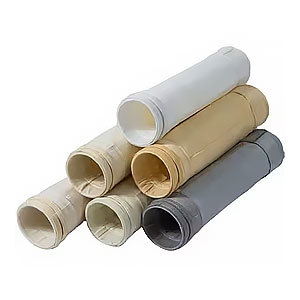
Baghouse filter bags are vital components within industrial air pollution control systems, particularly in dust collection applications. These bags are designed to filter out particulate matter from the air, ensuring that harmful dust and pollutants are effectively captured before being released into the atmosphere. Utilizing baghouse filter bags not only enhances air quality but also plays a crucial role in maintaining compliance with environmental regulations.
The primary function of baghouse filter bags is to collect dust particles generated during various industrial processes. These bags are typically constructed from a range of materials, including polyester, polypropylene, and fiberglass, each chosen for its unique properties that suit specific applications. The choice of material is critical as it influences the bag's filtration efficiency, temperature resistance, and durability. For instance, fiberglass bags are ideal for high-temperature applications, while polyester bags are often preferred for their versatility and moderate heat resistance.
Regular maintenance and replacement of baghouse filter bags are essential for optimal performance. Over time, dust accumulation can lead to reduced airflow and increased pressure drop across the filtration system, resulting in decreased efficiency. Therefore, implementing a routine inspection and replacement schedule can help maintain the effectiveness of air filtration systems, ensuring they operate at peak efficiency. Some signs that indicate the need for bag replacement include excessive pressure drop readings, visible leaks, or a noticeable increase in emissions.
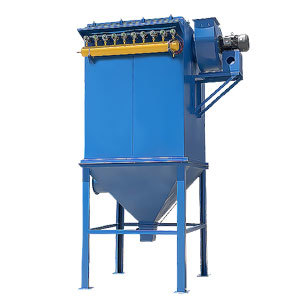
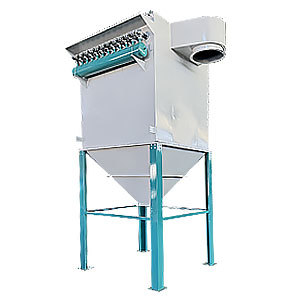
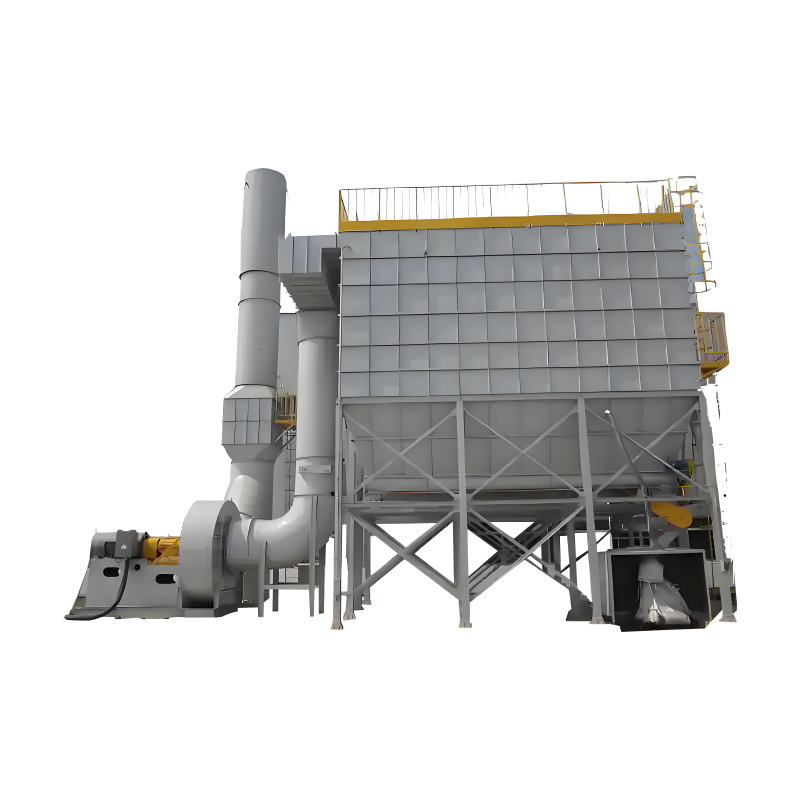
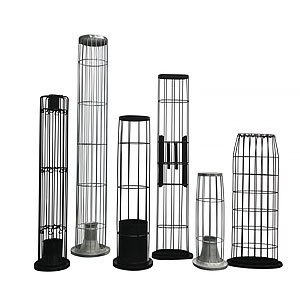
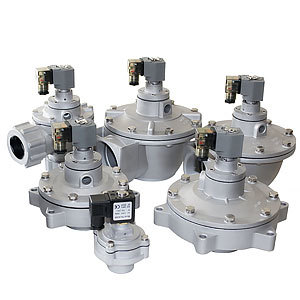
Another important consideration is the design and configuration of the baghouse itself. Different types of baghouses, such as pulse-jet or shaker systems, may require specific bag designs to optimize performance. For instance, pulse-jet baghouses use compressed air to clean the bags, while shaker baghouses rely on mechanical shaking. Understanding the compatibility of filter bags with your baghouse system is essential for ensuring effective particulate removal.
Investing in high-quality baghouse filter bags can yield significant long-term benefits. These include improved air quality in the workplace, enhanced worker safety, and reduced environmental impact. Additionally, proper filtration can also contribute to the longevity of industrial equipment by preventing dust accumulation and corrosion.
In summary, baghouse filter bags are indispensable for effective dust collection and air purification in industrial settings. Understanding their materials, maintenance needs, and compatibility with baghouse systems is essential for achieving optimal performance. By prioritizing the selection and upkeep of these components, industries can ensure compliance with regulations while fostering a safer and cleaner environment for their employees and the community.
Hot Tags:


Contact Us
Tel:
WeChat:
WhatsApp:
E-mail:
Address:
338 National Road South, Longfengdian Village, Botou City, Hebei Province, China
JiuznTomine is expertly delivering technically complicated projects in markets & provides custom solutions for their customized need.


CONTACT INFO
Tel: +86 18531710311
WeChat: +86-18531710311
338 National Road South, Longfengdian Village, Botou City, Hebei Province, China