











Understanding the Mechanism of Sintered Plate Dust Collectors: An In-Depth Exploration
Jan 24,2026
Understanding the Mechanism of Sintered Plate Dust Collectors
Table of Contents
1. Introduction to Sintered Plate Dust Collectors
2. What Are Sintered Plate Dust Collectors?
3. How Sintered Plate Dust Collectors Work
3.1 The Filtration Mechanism Explained
3.2 The Dust Removal Process
4. Benefits of Sintered Plate Dust Collectors
5. App

Understanding the Mechanism of Sintered Plate Dust Collectors
Table of Contents
- 1. Introduction to Sintered Plate Dust Collectors
- 2. What Are Sintered Plate Dust Collectors?
- 3. How Sintered Plate Dust Collectors Work
- 4. Benefits of Sintered Plate Dust Collectors
- 5. Applications of Sintered Plate Dust Collectors
- 6. Maintenance of Sintered Plate Dust Collectors
- 7. Troubleshooting Common Issues
- 8. The Future of Dust Collection Technology
- 9. Frequently Asked Questions (FAQs)
- 10. Conclusion
1. Introduction to Sintered Plate Dust Collectors
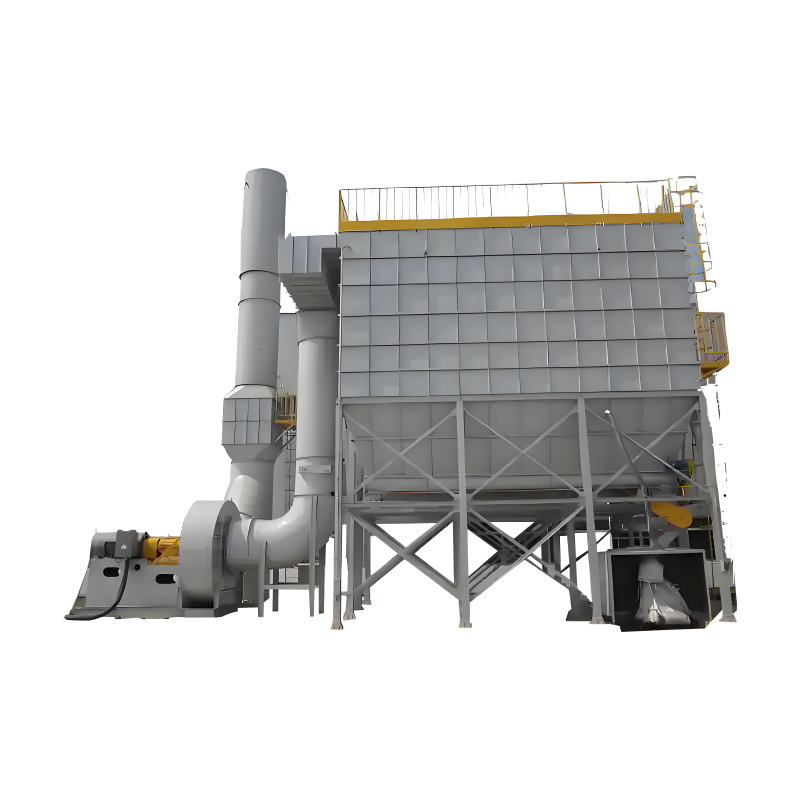
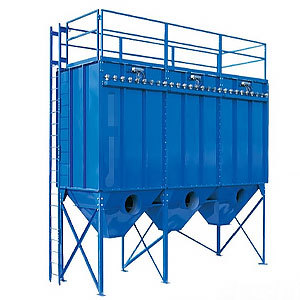
In the realm of industrial air purification, **sintered plate dust collectors** stand out for their effective filtration capabilities and robust design. These advanced systems are engineered to capture airborne particles, ensuring a cleaner, safer workplace environment. As industries increasingly prioritize **environmental responsibility**, understanding how these collectors operate is crucial for optimizing air quality and adhering to regulatory standards.
2. What Are Sintered Plate Dust Collectors?
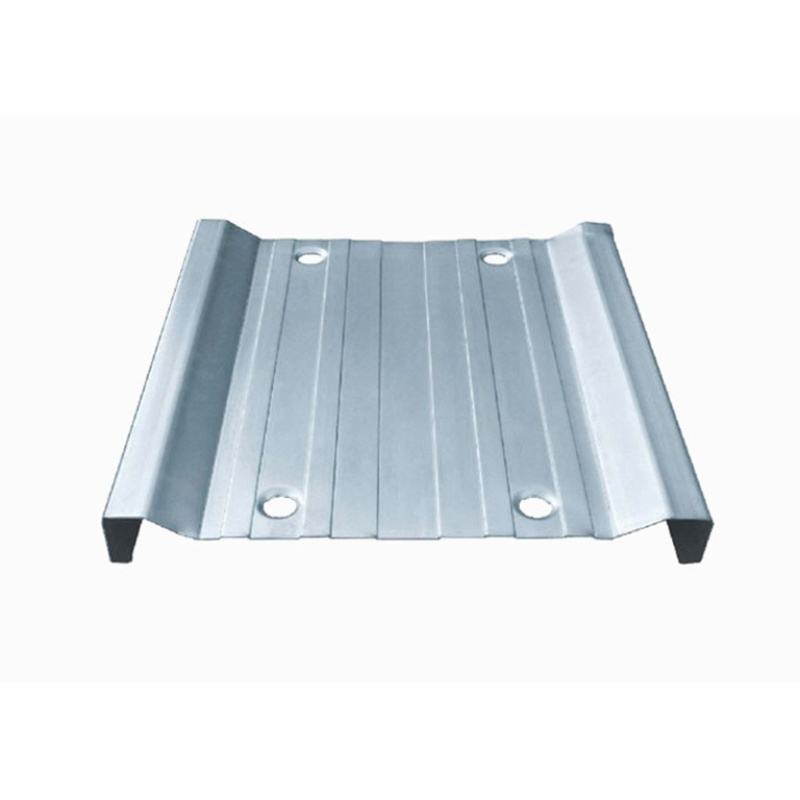
Sintered plate dust collectors are specialized air filtration systems that utilize sintered plates made from materials such as metal or ceramic. These plates possess a porous structure that allows air to flow through while trapping particles of various sizes. The sintering process, which involves heating and compressing the material, creates a durable and effective filtration medium.
3. How Sintered Plate Dust Collectors Work
Understanding the operational mechanics of sintered plate dust collectors is essential for appreciating their effectiveness. The process can be broken down into two primary functions: the filtration mechanism and the dust removal process.
3.1 The Filtration Mechanism Explained
The filtration mechanism of sintered plate dust collectors relies on several principles, including **inertial impaction**, **interception**, and **diffusion**.
1. **Inertial Impaction:** As air containing dust particles passes through the sintered plates, larger particles are unable to follow the airflow's path due to their inertia, causing them to collide with the plate surface and adhere.
2. **Interception:** Smaller particles that are not captured by inertial impaction may still get caught when they come close to the sintered plate surface, effectively getting trapped in the microscopic pores.
3. **Diffusion:** Very fine particles, due to their random motion, tend to collide with the walls of the pores, leading to their capture.
This multi-faceted approach ensures that a significant percentage of airborne particles are effectively removed from the air.
3.2 The Dust Removal Process
Once the dust particles have been captured by the sintered plates, the dust removal process begins. This typically involves:
- **Reverse Airflow:** Periodic reverse airflow is employed to dislodge the accumulated dust from the plates. This process helps to maintain the collector's efficiency by preventing clogging.
- **Collection Mechanisms:** The dislodged dust is either collected in a dust bin or routed for further processing, depending on the design of the dust collector.
Maintaining optimal airflow and minimizing resistance are critical aspects of ensuring the sintered plate dust collector operates effectively and efficiently.
4. Benefits of Sintered Plate Dust Collectors
The advantages of using sintered plate dust collectors are numerous and impactful:
- **High Filtration Efficiency:** These devices can achieve filtration efficiencies of over 99%, significantly improving air quality.
- **Durability:** Constructed from robust materials, sintered plate dust collectors exhibit a long lifespan and require minimal maintenance.
- **Space-Efficient Design:** Their compact design makes them suitable for various industrial applications without occupying excessive floor space.
- **Low Operational Costs:** With reduced energy consumption and minimal maintenance requirements, these systems offer cost-effective solutions for air purification.
- **Adaptability:** Sintered plate dust collectors can be customized to meet specific industry requirements, making them suitable for diverse applications.
5. Applications of Sintered Plate Dust Collectors
The versatility of sintered plate dust collectors allows them to be employed in numerous industries, including:
- **Pharmaceutical Manufacturing:** Maintaining sterile environments is crucial, and these collectors excel at removing particulates.
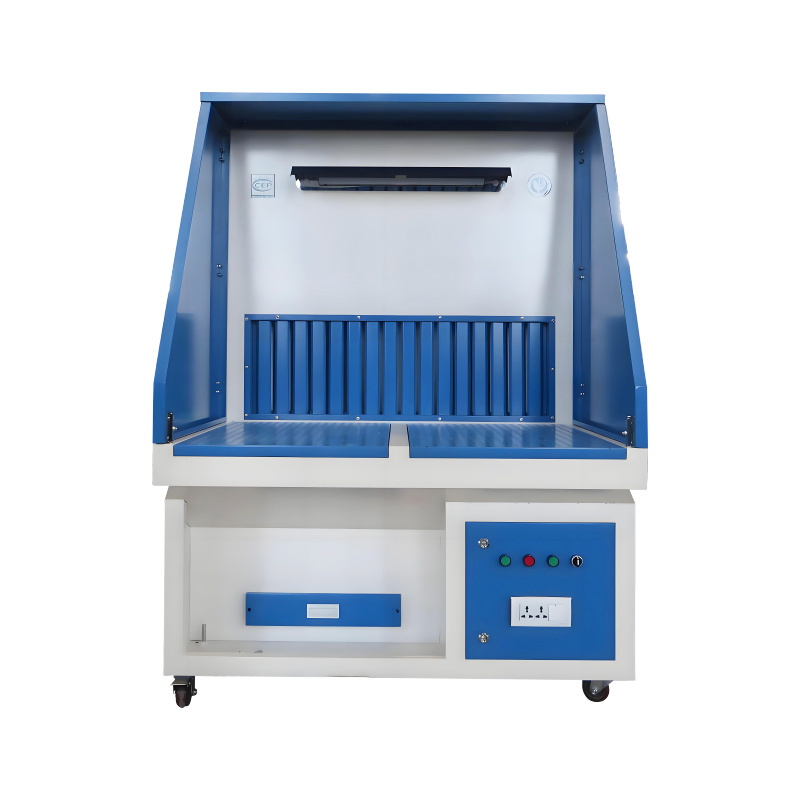
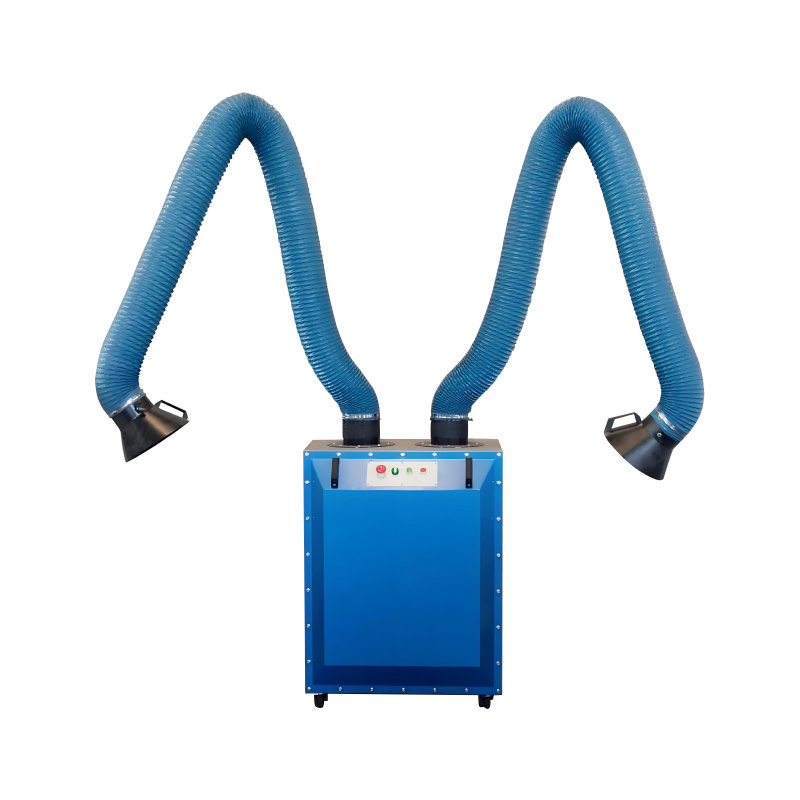
- **Metalworking:** In processes like welding and machining, sintered plate collectors effectively capture metal dust and shavings.
- **Food Production:** Ensuring clean air is vital in food safety, making these systems ideal for kitchens and processing facilities.
- **Chemical Processing:** These collectors help manage volatile substances and maintain safe working conditions.
- **Mining and Construction:** The harsh environments of these industries benefit from the robust filtration capabilities of sintered plate dust collectors.
6. Maintenance of Sintered Plate Dust Collectors
To ensure the longevity and efficiency of sintered plate dust collectors, regular maintenance is essential. Key maintenance practices include:
- **Routine Inspections:** Regularly checking for signs of wear or damage can prevent costly breakdowns.
- **Cleaning Protocols:** Establishing a cleaning schedule for the sintered plates helps maintain optimal filtration efficiency.
- **Monitoring Performance:** Keeping track of airflow rates and pressure drops can identify potential issues early.
- **Component Replacement:** Timely replacement of any worn-out components is crucial for maintaining system effectiveness.
7. Troubleshooting Common Issues
Despite their reliability, sintered plate dust collectors may encounter issues that require troubleshooting:
- **Reduced Airflow:** This could indicate a clogged filter; cleaning or replacing the plates may be necessary.
- **Increased Energy Consumption:** If the system is consuming more energy than usual, it may signal a blockage or inefficiency in the airflow path.
- **Dust Leakage:** Dust escaping from the collector may be due to damaged seals or worn-out components that need replacement.
Addressing these issues promptly ensures sustained performance and efficiency.
8. The Future of Dust Collection Technology
As industries evolve, the technology behind dust collection systems, including sintered plate dust collectors, is expected to advance significantly. Innovations may include:
- **Smart Technology Integration:** Automation and IoT connectivity could enable real-time monitoring and predictive maintenance.
- **Enhanced Materials:** Ongoing research into new materials may improve filtration capabilities and durability.
- **Sustainability Focus:** Future designs may emphasize eco-friendly materials and energy-efficient operations, aligning with global sustainability goals.
9. Frequently Asked Questions (FAQs)
1. What is the lifespan of a sintered plate dust collector?
The lifespan varies based on usage and maintenance but can typically exceed 10 years with proper care.
2. How often should sintered plates be cleaned?
Cleaning should be performed regularly, with frequency depending on dust levels and operational hours, usually every few weeks.
3. Can sintered plate dust collectors be used outdoors?
Yes, but protective measures should be taken to shield them from weather elements that could cause damage.
4. What types of dust can sintered plate dust collectors capture?
These collectors can capture a wide range of particulate matter, including metal dust, chemicals, and organic particles.
5. Are sintered plate dust collectors energy efficient?
Yes, they typically have low operational costs and energy consumption compared to other filtration systems.
10. Conclusion
Sintered plate dust collectors are indispensable tools for maintaining air quality across various industrial settings. Their intricate mechanisms not only provide high levels of filtration efficiency but also offer long-term durability and cost-effectiveness. By understanding their operation and maintenance requirements, industries can harness the full potential of these systems, ensuring a cleaner and safer working environment for all. Investing in sintered plate dust collectors is not just a choice for air purification; it is a commitment to health, safety, and sustainable industrial practices.
Hot Tags:
PREVIOUS:


Contact Us
Tel:
WeChat:
WhatsApp:
E-mail:
Address:
338 National Road South, Longfengdian Village, Botou City, Hebei Province, China
JiuznTomine is expertly delivering technically complicated projects in markets & provides custom solutions for their customized need.


CONTACT INFO
Tel: +86 18531710311
WeChat: +86-18531710311
338 National Road South, Longfengdian Village, Botou City, Hebei Province, China