











The Role of Sintered Plate Technology in Modern Dust Collection Solutions
Nov 22,2025
The Role of Sintered Plate Technology in Modern Dust Collection Solutions
Dust collection is a critical factor in ensuring workplace safety and compliance with environmental regulations. In recent years, **sintered plate technology** has emerged as a game-changer in dust collection solutions. This article will provide an in-depth exploration of sintered plates, their benefits, applications, and th

The Role of Sintered Plate Technology in Modern Dust Collection Solutions
Dust collection is a critical factor in ensuring workplace safety and compliance with environmental regulations. In recent years, **sintered plate technology** has emerged as a game-changer in dust collection solutions. This article will provide an in-depth exploration of sintered plates, their benefits, applications, and their role in enhancing air quality and operational efficiency.
Understanding Sintered Plate Technology
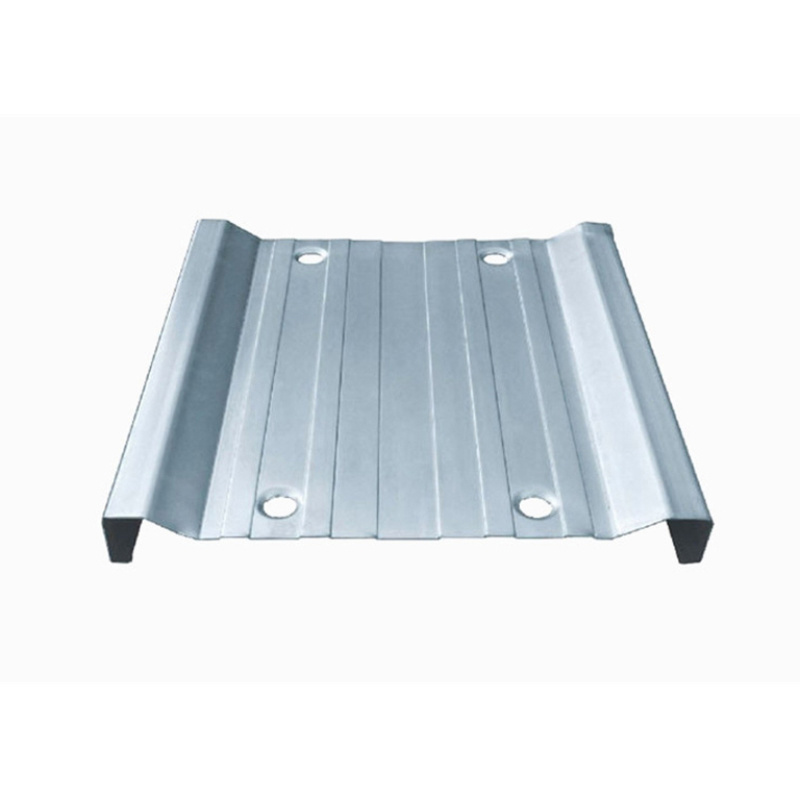
Sintered plate technology involves the process of fusing powdered materials, typically metals or ceramics, at high temperatures to create a solid piece with a porous structure. This unique composition allows for efficient filtration and dust collection, drastically improving traditional dust management methods.
How Sintered Plates are Created
The creation of sintered plates begins with the selection of appropriate materials, followed by the powder metallurgy process. This includes:
1. **Powder Production**: The raw materials are ground into fine powders.
2. **Mixing**: Various additives are incorporated to enhance performance.
3. **Compaction**: The mixture is pressed into molds to create the desired shape.
4. **Sintering**: The molded pieces are heated in a controlled environment, causing the particles to bond together while maintaining porosity.
This process results in a strong, lightweight, and highly porous material that excels in capturing fine dust particles, making it ideal for modern dust collection systems.
The Advantages of Sintered Plate Technology in Dust Collection
Utilizing **sintered plate technology** in dust collection systems offers numerous advantages, making it a preferred choice for industries aiming for efficiency and effectiveness.
1. Superior Filtration Efficiency
Sintered plates possess a unique structure that allows them to filter out even the tiniest dust particles. Their porous nature captures particles that traditional filters might miss, ensuring cleaner air and compliance with health standards.
2. Longevity and Durability
Unlike traditional filters that require frequent replacements, sintered plates are designed for longevity. Their robust structure withstands harsh conditions, reducing maintenance costs and downtime.
3. Low Pressure Drop
The design of sintered plates minimizes airflow resistance, leading to a **low pressure drop** across the filter. This efficiency not only conserves energy but also prolongs the lifespan of the dust collection system.
4. Ease of Cleaning and Maintenance
Sintered plates can be easily cleaned, often through backwashing or air cleaning methods. This feature enhances their usability in various applications, allowing for continuous operation without frequent interruptions.
5. Versatility in Applications
From manufacturing plants to food processing, sintered plates are versatile enough to be used in various dust collection applications. They can handle diverse materials, making them suitable for multiple industries.
Applications of Sintered Plate Technology in Dust Collection
The applications of sintered plate technology are vast, showcasing its adaptability across different sectors. Here are some key areas where sintered plates make a significant impact.
1. Manufacturing and Industry
In manufacturing environments, sintered plates play a crucial role in maintaining air quality. They effectively capture metal shavings, dust, and other pollutants, ensuring a safe working environment for employees.
2. Pharmaceutical Industry
The pharmaceutical industry demands stringent air quality standards. Sintered plates provide precise filtration, ensuring that no contaminants compromise the integrity of products being manufactured.
3. Food Processing
In food processing facilities, maintaining cleanliness is paramount. Sintered plates help in collecting dust and particles, ensuring that the production area remains hygienic and compliant with health regulations.
4. Woodworking and Carpentry
Woodworking generates substantial dust that can be hazardous to health. Sintered plates capture wood dust efficiently, protecting workers and improving the overall air quality in carpentry shops.
Innovations in Sintered Plate Technology
As industries evolve, so do the technologies that support them. Recent innovations in sintered plate technology have focused on enhancing performance and customization.
1. Advanced Materials
The introduction of new materials, including advanced ceramics and composites, enhances the filtering capabilities of sintered plates. These materials provide even greater durability and efficiency.
2. Customization Options
Manufacturers now offer customizable sintered plates tailored to specific applications. This includes varying pore sizes, shapes, and dimensions, allowing for targeted filtration solutions.
3. Integration with Smart Technology
The integration of smart technology with dust collection systems is on the rise. Sintered plates can now be equipped with sensors that monitor airflow and filter performance, providing real-time data for optimized operation.
Challenges and Considerations in Implementing Sintered Plates
While sintered plate technology presents numerous advantages, there are also challenges to consider when implementing these solutions.
1. Initial Investment Costs
The initial investment for sintered plate technology may be higher compared to traditional filters. However, the long-term savings in maintenance and energy efficiency can offset these costs.
2. Specialized Maintenance Requirements
Though sintered plates are durable, they may require specialized maintenance techniques, which could necessitate training for staff or hiring external experts.
3. Availability of Replacement Parts
In some cases, sourcing replacement or custom sintered plates may be challenging, requiring planning and foresight in procurement.
Future Trends in Dust Collection and Sintered Plate Technology
As industries continue to place greater emphasis on sustainability and efficiency, the future of dust collection solutions will undoubtedly see exciting developments.
1. Increased Focus on Sustainability
The push for environmentally friendly solutions will drive innovations in sintered plate technology, leading to the development of bio-based materials and energy-efficient systems.
2. Enhanced Automation
Automation in manufacturing processes will require more sophisticated dust collection solutions. Sintered plates will likely become integral in automated systems, providing seamless operation with minimal human intervention.
3. Expansion of Smart Features
As IoT technology matures, the integration of smart features in dust collection systems will become more prevalent. Sintered plates equipped with smart sensors will offer real-time data analytics for improved decision-making.
Frequently Asked Questions (FAQs)
1. What is sintered plate technology?
Sintered plate technology involves the creation of porous materials through the fusing of powdered substances, resulting in a highly efficient filtration medium for dust collection.
2. How does sintered plate technology improve dust collection?
Sintered plates enhance dust collection by capturing fine particles that traditional filters may overlook, ensuring cleaner air and compliance with health standards.
3. What industries benefit from sintered plate dust collection systems?
Industries such as manufacturing, pharmaceuticals, food processing, and woodworking greatly benefit from the superior filtration capabilities of sintered plate technology.
4. Are sintered plates easy to maintain?
Yes, sintered plates can be easily cleaned through methods such as backwashing or air cleaning, which contributes to their longevity and efficiency.
5. What are the future trends in dust collection technology?
Future trends include a focus on sustainability, increased automation, and the integration of smart features for real-time monitoring and optimization.
Conclusion
The integration of **sintered plate technology** into modern dust collection solutions is revolutionizing how industries manage air quality and dust control. With superior filtration efficiency, durability, and versatility, sintered plates address the challenges faced by various sectors in maintaining safe and compliant environments. As technology continues to evolve, sintered plates will play an increasingly vital role in shaping the future of dust collection and air purification strategies. Adopting this innovative technology not only enhances operational efficiency but also contributes to a healthier and safer workplace for all.
Hot Tags:


Contact Us
Tel:
WeChat:
WhatsApp:
E-mail:
Address:
338 National Road South, Longfengdian Village, Botou City, Hebei Province, China
JiuznTomine is expertly delivering technically complicated projects in markets & provides custom solutions for their customized need.


CONTACT INFO
Tel: +86 18531710311
WeChat: +86-18531710311
338 National Road South, Longfengdian Village, Botou City, Hebei Province, China