











Maximizing Efficiency with Sintered Plate Dust Collectors in Industrial Applications
Nov 20,2025
Sintered plate dust collectors are a vital component in the realm of industrial air purification, particularly in processes that generate fine particulate matter. These systems are designed to effectively capture and remove dust and other airborne contaminants, ensuring a cleaner and safer working environment. By understanding the functionality and benefits of sintered plate dust collectors, busin

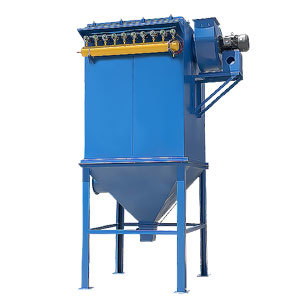
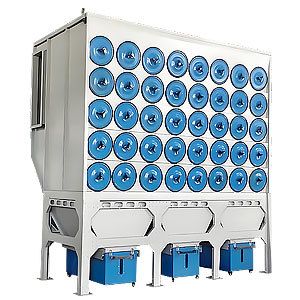
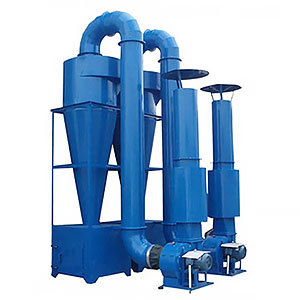
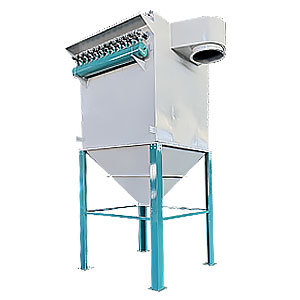
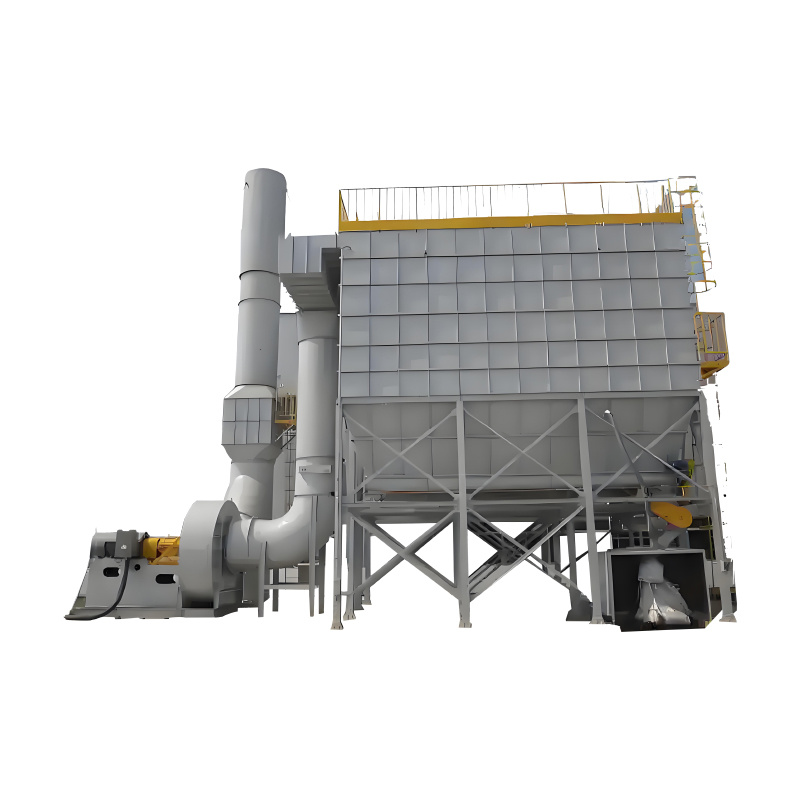
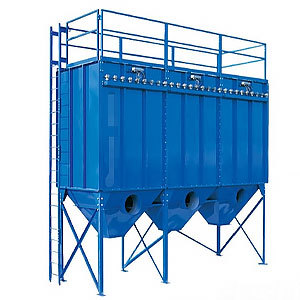
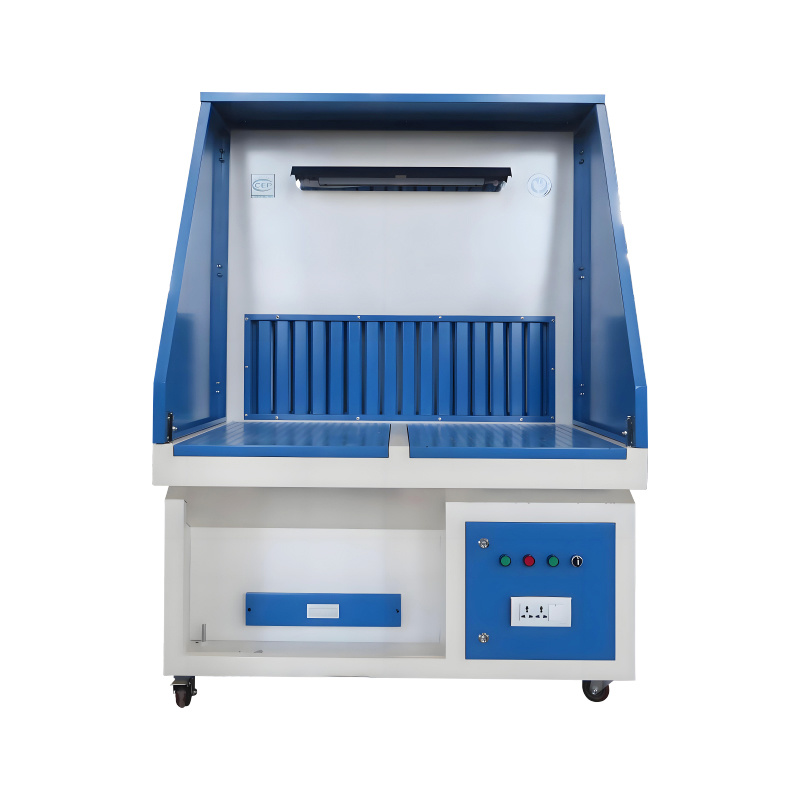
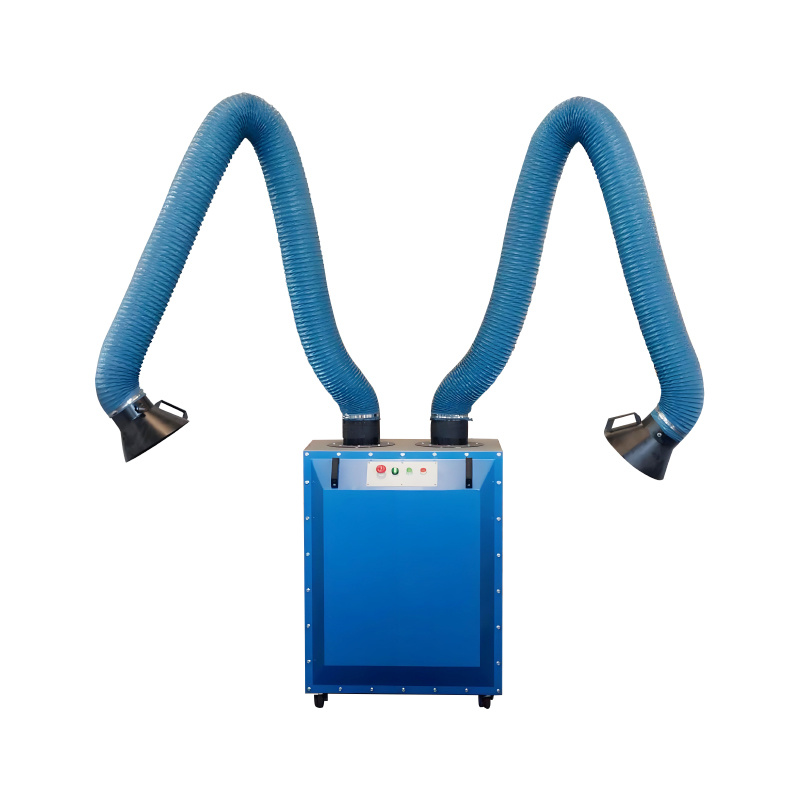
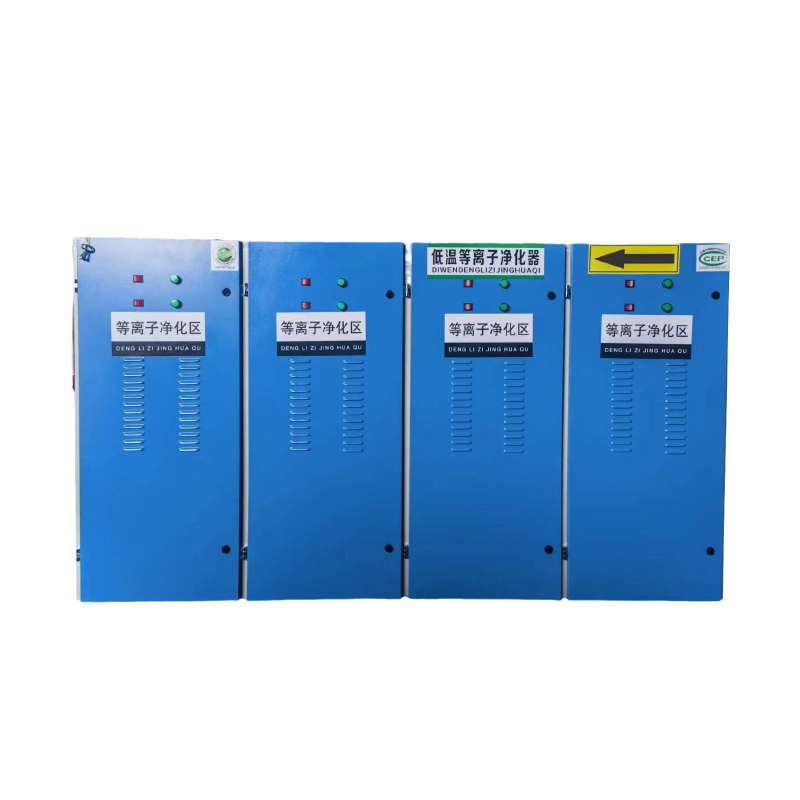
Sintered plate dust collectors are a vital component in the realm of industrial air purification, particularly in processes that generate fine particulate matter. These systems are designed to effectively capture and remove dust and other airborne contaminants, ensuring a cleaner and safer working environment. By understanding the functionality and benefits of sintered plate dust collectors, businesses can optimize their operations while adhering to stringent air quality regulations.
One of the primary advantages of sintered plate dust collectors is their superior filtration efficiency. The sintered plate media is engineered to have a porous structure, enabling it to trap even the smallest particles while allowing clean air to pass through. This is particularly advantageous in industries such as pharmaceuticals, food processing, and metalworking, where air quality is paramount. By effectively capturing harmful dust particles, these collectors help reduce the risk of respiratory issues among workers and mitigate the potential for equipment damage caused by particulate accumulation.
Operationally, sintered plate dust collectors utilize a combination of inertial and filtration mechanisms. As air is drawn through the sintered plates, larger dust particles are captured through inertia, while smaller particles are filtered out due to the unique properties of the porous material. This dual mechanism not only enhances the dust collection efficiency but also prolongs the lifespan of the filter media, reducing the need for frequent replacements and maintenance.
Furthermore, the design of sintered plate dust collectors allows for easy cleaning and maintenance. Many systems are equipped with automatic cleaning mechanisms, such as pulse jet cleaning or vibration, which dislodge collected dust and prevent clogging. This feature ensures that the collectors maintain optimal performance over time, contributing to lower operational costs and improved productivity.
In addition to their efficiency and ease of maintenance, sintered plate dust collectors are also adaptable to various industrial processes. Whether used in batch operations or continuous production lines, these systems can be tailored to meet specific filtration needs. This versatility makes them an ideal choice for manufacturers looking to maintain compliance with environmental standards while achieving operational excellence.
In summary, sintered plate dust collectors play a crucial role in industrial air purification. Their high filtration efficiency, ease of maintenance, and adaptability make them an invaluable asset in ensuring workplace safety and environmental compliance. By investing in such advanced dust collection systems, industries can enhance their operational efficiency and contribute to a healthier environment for both workers and the surrounding community.
One of the primary advantages of sintered plate dust collectors is their superior filtration efficiency. The sintered plate media is engineered to have a porous structure, enabling it to trap even the smallest particles while allowing clean air to pass through. This is particularly advantageous in industries such as pharmaceuticals, food processing, and metalworking, where air quality is paramount. By effectively capturing harmful dust particles, these collectors help reduce the risk of respiratory issues among workers and mitigate the potential for equipment damage caused by particulate accumulation.
Operationally, sintered plate dust collectors utilize a combination of inertial and filtration mechanisms. As air is drawn through the sintered plates, larger dust particles are captured through inertia, while smaller particles are filtered out due to the unique properties of the porous material. This dual mechanism not only enhances the dust collection efficiency but also prolongs the lifespan of the filter media, reducing the need for frequent replacements and maintenance.
Furthermore, the design of sintered plate dust collectors allows for easy cleaning and maintenance. Many systems are equipped with automatic cleaning mechanisms, such as pulse jet cleaning or vibration, which dislodge collected dust and prevent clogging. This feature ensures that the collectors maintain optimal performance over time, contributing to lower operational costs and improved productivity.
In addition to their efficiency and ease of maintenance, sintered plate dust collectors are also adaptable to various industrial processes. Whether used in batch operations or continuous production lines, these systems can be tailored to meet specific filtration needs. This versatility makes them an ideal choice for manufacturers looking to maintain compliance with environmental standards while achieving operational excellence.
In summary, sintered plate dust collectors play a crucial role in industrial air purification. Their high filtration efficiency, ease of maintenance, and adaptability make them an invaluable asset in ensuring workplace safety and environmental compliance. By investing in such advanced dust collection systems, industries can enhance their operational efficiency and contribute to a healthier environment for both workers and the surrounding community.
Hot Tags:


Contact Us
Tel:
WeChat:
WhatsApp:
E-mail:
Address:
338 National Road South, Longfengdian Village, Botou City, Hebei Province, China
JiuznTomine is expertly delivering technically complicated projects in markets & provides custom solutions for their customized need.


CONTACT INFO
Tel: +86 18531710311
WeChat: +86-18531710311
338 National Road South, Longfengdian Village, Botou City, Hebei Province, China