












How to Choose the Right Grinding Platform Dust Collector for Your Operations
Nov 18,2025

How to Choose the Right Grinding Platform Dust Collector for Your Operations
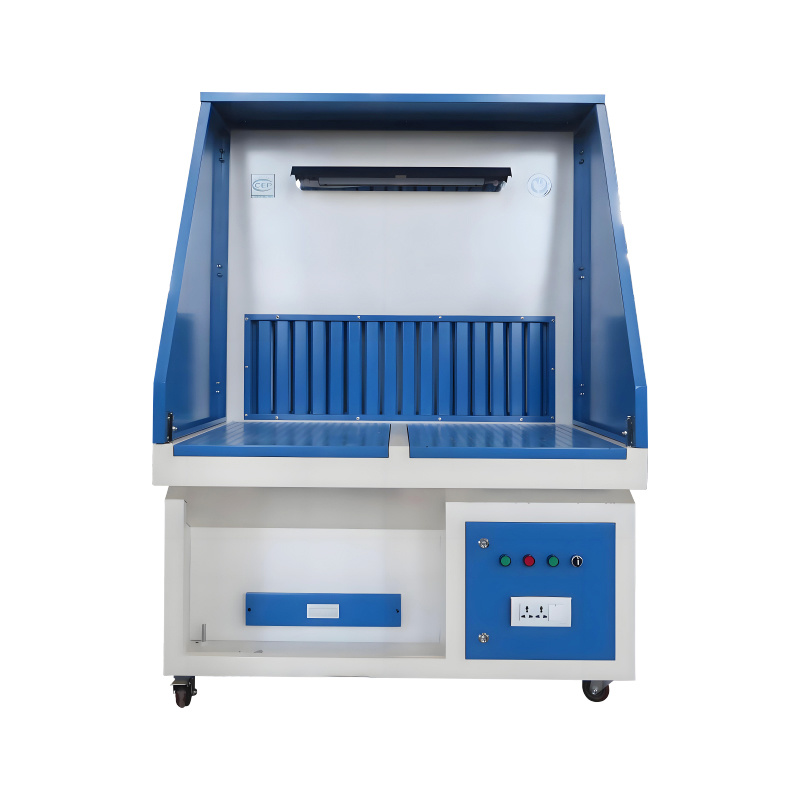
In the industrial sector, managing dust and particulate matter is crucial for maintaining a safe and efficient work environment. Grinding operations, in particular, generate significant amounts of dust that can pose health risks and hinder productivity. Selecting the right grinding platform dust collector is essential for effective dust control. This guide will delve deep into the factors to consider, features to look for, and best practices for choosing the right dust collector for your operations.
Table of Contents
- Understanding Dust Collection in Grinding Operations
- Importance of Dust Collectors in Industrial Settings
- Types of Dust Collectors for Grinding Platforms
- Key Features to Look For in a Grinding Platform Dust Collector
- Sizing Your Dust Collector: Getting It Right
- Considering Your Specific Operational Needs
- Maintenance and Operational Costs of Dust Collectors
- Regulatory Compliance and Safety Standards
- Frequently Asked Questions
Understanding Dust Collection in Grinding Operations
Dust collection systems play a vital role in industrial environments, especially during grinding operations where fine particles are generated. These systems work by capturing airborne particles before they can affect the air quality or the health of the workers. Effective dust collection not only improves air quality but also enhances productivity, reduces machinery wear, and complies with safety regulations.
How Dust Collectors Function
Dust collectors use various technologies to capture and filter particulate matter. They can be classified into several types based on their design and operational mechanisms, including baghouse filters, cartridge collectors, and cyclone separators. Understanding how these systems work is essential for selecting the right unit.
Importance of Dust Collectors in Industrial Settings
Implementing a high-quality dust collection system is critical for several reasons:
Health and Safety
Exposure to airborne dust can lead to serious health issues, including respiratory problems and chronic diseases. A reliable dust collector minimizes these risks, creating a safer work environment.
Operational Efficiency
Dust accumulation can severely affect machinery performance and longevity. By effectively capturing and eliminating dust, dust collectors help maintain equipment efficiency and reduce maintenance costs.
Regulatory Compliance
Many industries are subject to strict environmental regulations. A well-chosen dust collector ensures compliance with these laws, preventing costly fines and reinforcing the company’s commitment to safety and sustainability.
Types of Dust Collectors for Grinding Platforms
There are various types of dust collectors tailored for grinding applications. Each type has its unique advantages, depending on the specific operational requirements.
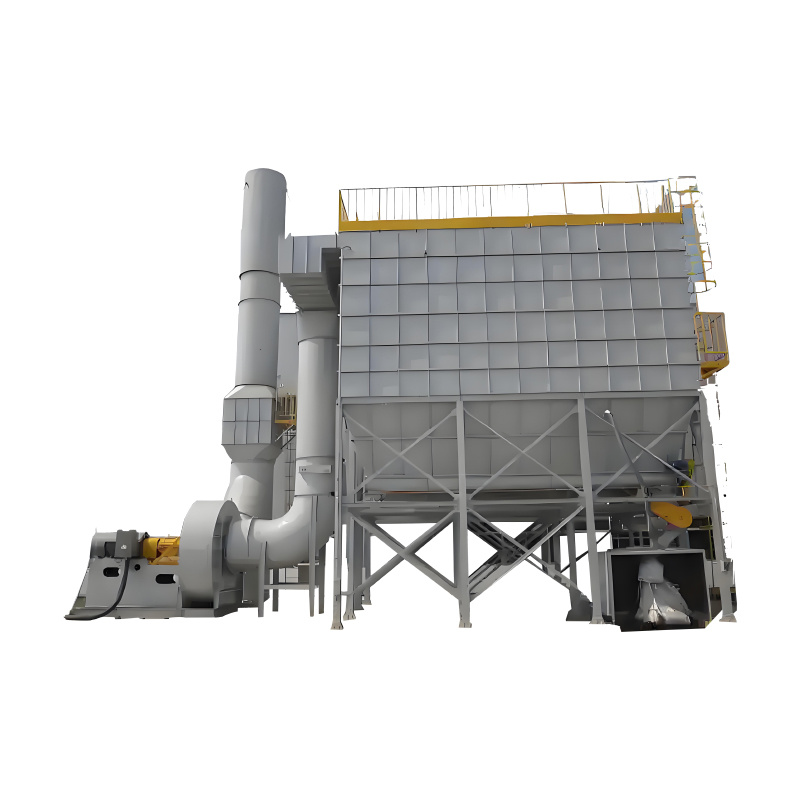
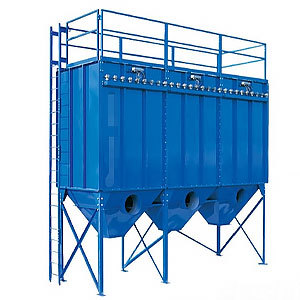
Baghouse Dust Collectors
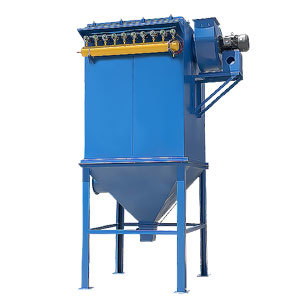
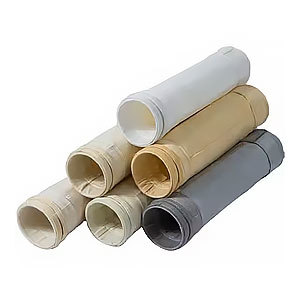
Baghouse collectors use fabric filter bags to capture dust particles. They are suitable for a wide range of applications and offer high-efficiency particulate capture.
Cartridge Dust Collectors
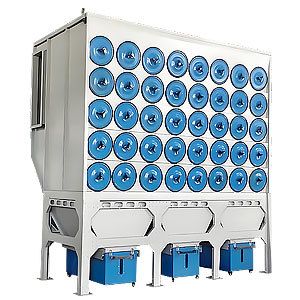
These systems utilize cylindrical filter cartridges and are known for their compact design and high filtration efficiency. They are ideal for applications with limited space.
Cyclone Dust Collectors
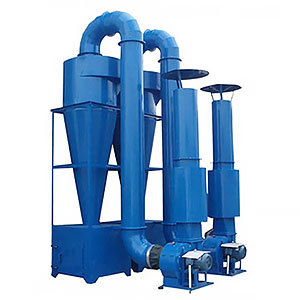
Cyclone collectors leverage centrifugal force to separate dust from the air. They are often used as pre-filters to enhance the performance of other types of dust collectors.
Key Features to Look For in a Grinding Platform Dust Collector
When evaluating dust collectors, several features can significantly influence their performance and suitability for your operations:
Filtration Efficiency
Choose a dust collector with a high filtration efficiency rating, ideally capturing 99% or more of harmful particulate matter. Look for units that comply with industry standards, such as HEPA filters, for maximum effectiveness.
Airflow Capacity
Consider the airflow requirements of your grinding operation. The dust collector should match or exceed the necessary cubic feet per minute (CFM) to ensure adequate performance.
Noise Levels
Evaluate the noise levels generated by the dust collector. A quieter system enhances the overall work environment and reduces employee fatigue.
Ease of Maintenance
Look for a dust collector designed for easy maintenance, including features such as accessible filter replacements and efficient cleaning mechanisms.
Sizing Your Dust Collector: Getting It Right
Proper sizing is crucial for optimal dust collection. An undersized unit may lead to insufficient airflow and ineffective dust capture, while an oversized collector can result in unnecessary energy costs.
Calculating Airflow Requirements
To determine the appropriate size, calculate the total airflow needs based on the number of machines, type of grinding operations, and the dust generation rate. Consulting with a dust collection specialist can provide valuable insights.
Understanding Static Pressure
Static pressure is the resistance to airflow caused by ductwork, filters, and other components. Accurately measuring static pressure will help in selecting a unit that performs effectively under your specific conditions.
Considering Your Specific Operational Needs
Every operation is unique, and several factors will influence your choice of dust collector:
Type of Material Being Ground
Different materials produce varying types and amounts of dust. For instance, metal grinding generates heavier particles than wood grinding. Ensure the dust collector is suitable for the specific materials used in your operations.
Production Volume
High-production environments may require more robust dust collection systems capable of handling larger volumes of dust without compromising performance.
Location and Space Constraints
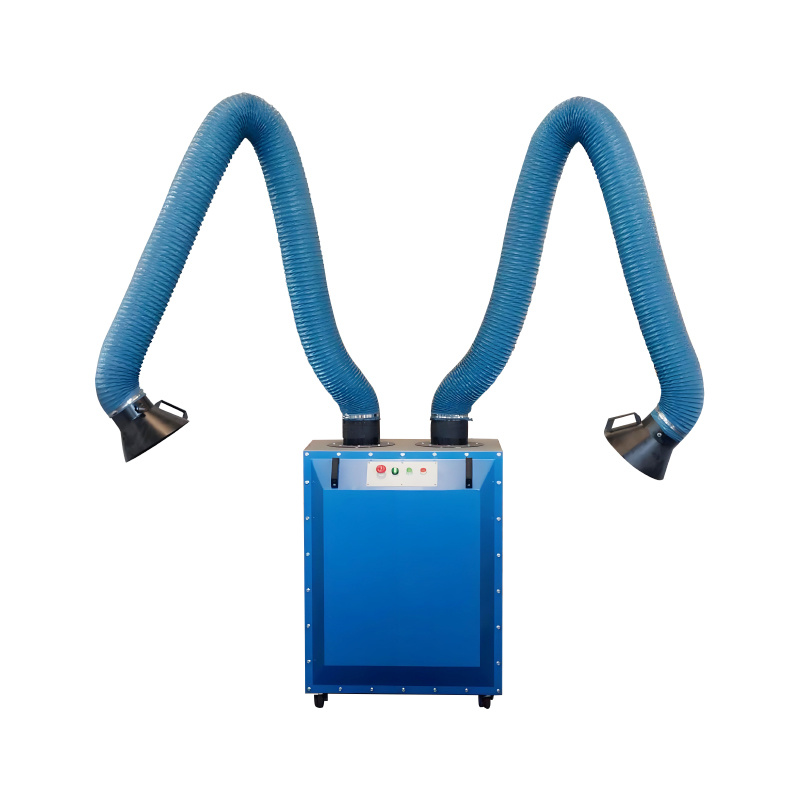
Assess the available space for installation. Compact models are ideal for limited areas, while larger operations may accommodate bulkier systems.
Maintenance and Operational Costs of Dust Collectors
Understanding the long-term costs associated with a dust collector is essential for budgeting and operational planning. Consider the following:
Energy Efficiency
Look for dust collectors that are designed for energy efficiency. Units with variable frequency drives (VFDs) can adjust airflow based on demand, leading to significant energy savings.
Filter Replacement and Maintenance
Assess the cost and frequency of filter replacements. High-efficiency filters may have a higher upfront cost but could offer longer service life, reducing maintenance expenses.
Service and Support
Select a manufacturer that provides reliable customer support and service options. This can help minimize downtime and ensure the dust collector operates at peak efficiency.
Regulatory Compliance and Safety Standards
Ensure that the dust collection system adheres to the applicable regulations, such as OSHA and EPA standards. Compliance not only protects workers but also enhances the company’s reputation.
Documentation and Certifications
Verify that the dust collector comes with the necessary documentation and certifications to confirm compliance. This includes information on emissions, filtration efficiency, and operational safety.
Frequently Asked Questions
1. What is the main purpose of a grinding platform dust collector?
The primary purpose is to capture and filter airborne dust generated during grinding operations, ensuring a safer work environment and compliance with health regulations.
2. How do I know the right size dust collector for my operation?
Calculating the total airflow requirements based on the number and type of machines, along with the dust generation rate, will help determine the appropriate size.
3. What maintenance is required for dust collectors?
Regular maintenance includes filter inspections and replacements, cleaning of collection bins, and checking the airflow and static pressure levels.
4. Are there specific dust collectors for different materials?
Yes, different dust collectors are designed to handle various types of materials, ensuring optimal performance based on particulate characteristics.
5. How can I ensure compliance with environmental regulations?
By selecting certified dust collectors that meet OSHA and EPA standards and regularly maintaining them to ensure compliance with performance requirements.
Conclusion
Choosing the right grinding platform dust collector requires careful consideration of multiple factors, including operational needs, filtration efficiency, and compliance with safety standards. A well-selected dust collector not only protects the health of your workforce but also enhances productivity and operational efficiency. By thoroughly evaluating the available options and consulting with industry professionals, you can make an informed decision that best suits your unique requirements. Investing in the right dust collection system is a crucial step toward creating a safer and more efficient working environment.
Hot Tags:


Contact Us
Tel:
WeChat:
WhatsApp:
E-mail:
Address:
338 National Road South, Longfengdian Village, Botou City, Hebei Province, China
JiuznTomine is expertly delivering technically complicated projects in markets & provides custom solutions for their customized need.


CONTACT INFO
Tel: +86 18531710311
WeChat: +86-18531710311
338 National Road South, Longfengdian Village, Botou City, Hebei Province, China