












Essential Guide to Baghouse Filter Bags: Maximizing Air Quality in Industrial Settings
Nov 24,2025
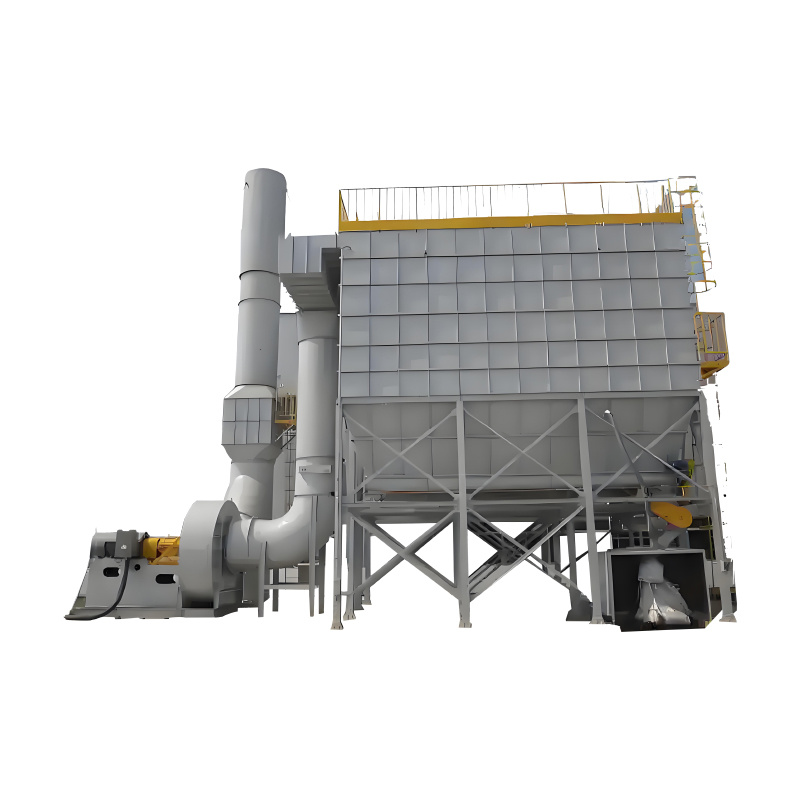
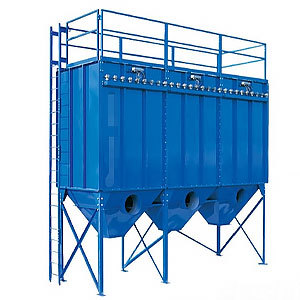
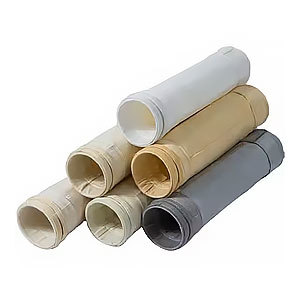
Baghouse filter bags are a vital component in dust collection systems, commonly used in various industrial applications to maintain air quality and protect equipment. These specialized bags are designed to capture and retain particulate matter from air streams, ensuring that emissions meet regulatory standards and contribute to a healthier work environment.
The construction of baghouse filter bags

Baghouse filter bags are a vital component in dust collection systems, commonly used in various industrial applications to maintain air quality and protect equipment. These specialized bags are designed to capture and retain particulate matter from air streams, ensuring that emissions meet regulatory standards and contribute to a healthier work environment.
The construction of baghouse filter bags typically involves high-performance materials such as polyester, polypropylene, or fiberglass. These materials are selected for their durability, resistance to temperature fluctuations, and ability to withstand chemical exposure. The choice of fabric affects the efficiency and longevity of the filter bags, making it crucial for industrial professionals to select the appropriate type based on the specific application and dust characteristics.
One of the key benefits of using baghouse filter bags is their efficiency in removing fine particulates from the air. This is achieved through a combination of mechanisms, including mechanical filtration, electrostatic attraction, and inertial impaction. The design of the filter bag, including its surface area and pleating, significantly influences its dust collection capabilities. Professionals must consider these factors when evaluating baghouse filter bags to ensure optimal performance.
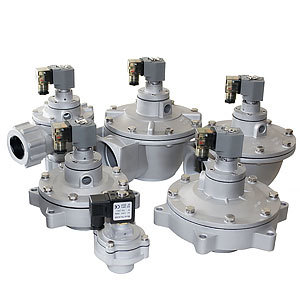
Maintenance is another critical aspect of managing baghouse filter bags. Regular inspection and cleaning of the bags can significantly extend their lifespan and maintain system efficiency. Common cleaning methods include pulse jet cleaning, which utilizes bursts of air to dislodge dust from the bag surfaces, and shaker cleaning, where mechanical vibrations aid in the removal of collected particulates. Developing a routine maintenance schedule is essential to prevent bag rupture or clogging, which can disrupt operations and lead to increased downtime.
Additionally, understanding the specific dust characteristics—such as particle size, shape, and moisture content—can help in the selection of the right baghouse filter bags. Different applications may require specialized filter media, such as high-temperature or chemical-resistant fabrics, to handle challenging conditions effectively.
In conclusion, baghouse filter bags play a crucial role in industrial air purification systems. By selecting the right materials, ensuring proper maintenance, and understanding the unique needs of the application, professionals can significantly enhance the performance of their dust collection systems. Investing time in the selection and upkeep of these bags will not only improve air quality but also contribute to the overall efficiency and sustainability of industrial operations.
The construction of baghouse filter bags typically involves high-performance materials such as polyester, polypropylene, or fiberglass. These materials are selected for their durability, resistance to temperature fluctuations, and ability to withstand chemical exposure. The choice of fabric affects the efficiency and longevity of the filter bags, making it crucial for industrial professionals to select the appropriate type based on the specific application and dust characteristics.
One of the key benefits of using baghouse filter bags is their efficiency in removing fine particulates from the air. This is achieved through a combination of mechanisms, including mechanical filtration, electrostatic attraction, and inertial impaction. The design of the filter bag, including its surface area and pleating, significantly influences its dust collection capabilities. Professionals must consider these factors when evaluating baghouse filter bags to ensure optimal performance.
Maintenance is another critical aspect of managing baghouse filter bags. Regular inspection and cleaning of the bags can significantly extend their lifespan and maintain system efficiency. Common cleaning methods include pulse jet cleaning, which utilizes bursts of air to dislodge dust from the bag surfaces, and shaker cleaning, where mechanical vibrations aid in the removal of collected particulates. Developing a routine maintenance schedule is essential to prevent bag rupture or clogging, which can disrupt operations and lead to increased downtime.
Additionally, understanding the specific dust characteristics—such as particle size, shape, and moisture content—can help in the selection of the right baghouse filter bags. Different applications may require specialized filter media, such as high-temperature or chemical-resistant fabrics, to handle challenging conditions effectively.
In conclusion, baghouse filter bags play a crucial role in industrial air purification systems. By selecting the right materials, ensuring proper maintenance, and understanding the unique needs of the application, professionals can significantly enhance the performance of their dust collection systems. Investing time in the selection and upkeep of these bags will not only improve air quality but also contribute to the overall efficiency and sustainability of industrial operations.
Hot Tags:
PREVIOUS:


Contact Us
Tel:
WeChat:
WhatsApp:
E-mail:
Address:
338 National Road South, Longfengdian Village, Botou City, Hebei Province, China
JiuznTomine is expertly delivering technically complicated projects in markets & provides custom solutions for their customized need.


CONTACT INFO
Tel: +86 18531710311
WeChat: +86-18531710311
338 National Road South, Longfengdian Village, Botou City, Hebei Province, China