












The Vital Role of Regular Inspection for Baghouse Filter Bags in Industrial Air Purification
Jul 08,2025
The Importance of Regular Inspection for Baghouse Filter Bags
Baghouse filter bags play an indispensable role in industrial air purification systems, serving as the frontline defense against airborne pollutants. Regular inspection of these filter bags is not just a routine task; it is a crucial aspect of maintaining air quality, enhancing operational efficiency, and ensuring compliance with regula

The Importance of Regular Inspection for Baghouse Filter Bags
Baghouse filter bags play an indispensable role in industrial air purification systems, serving as the frontline defense against airborne pollutants. Regular inspection of these filter bags is not just a routine task; it is a crucial aspect of maintaining air quality, enhancing operational efficiency, and ensuring compliance with regulatory standards. In this article, we will delve into the significance of regular inspections, the methods for performing these checks, and the potential consequences of neglecting this critical maintenance practice.
Understanding Baghouse Filter Bags
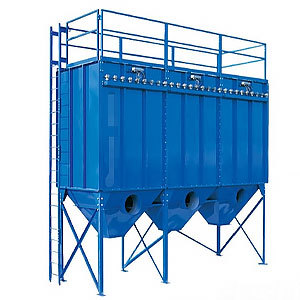
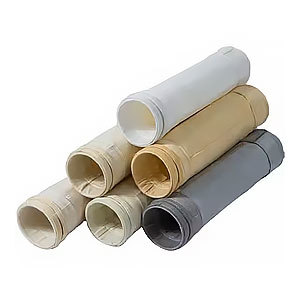
Baghouse filter systems are widely used in various industries to remove particulate matter from exhaust gases. These systems utilize filter bags made from different materials, depending on the application and the type of contaminants present.
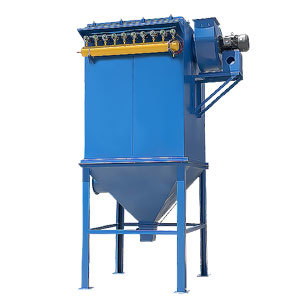
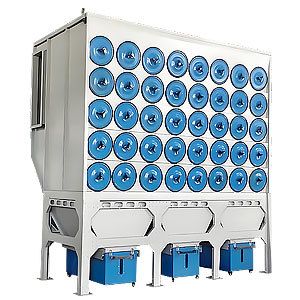
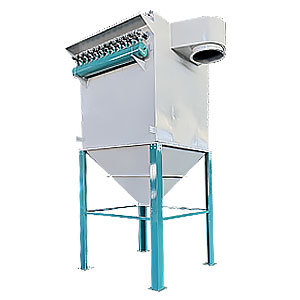
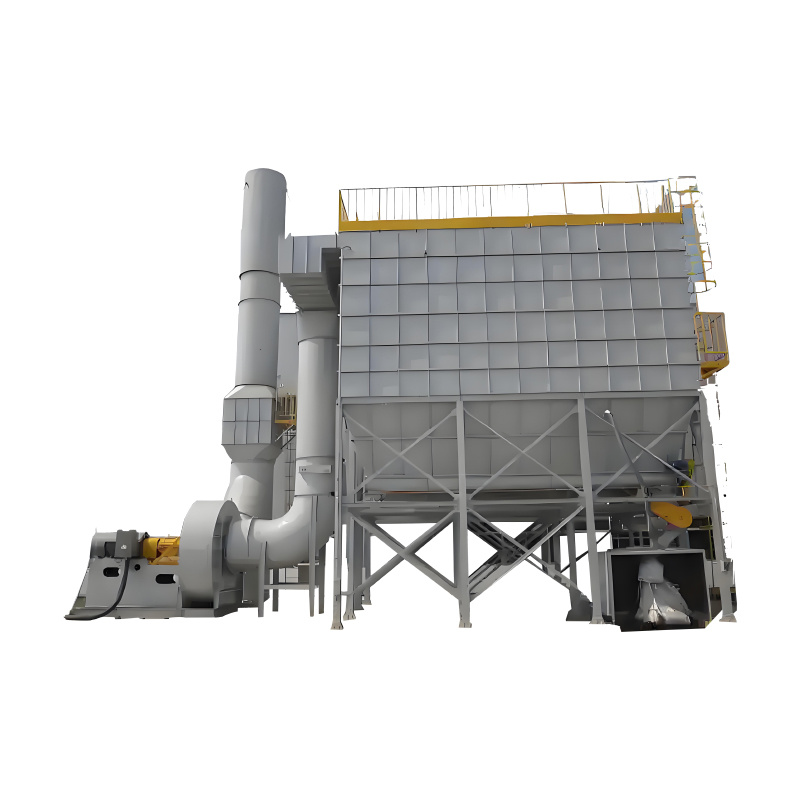
Components of a Baghouse Filter System
A typical baghouse filter system consists of several key components:
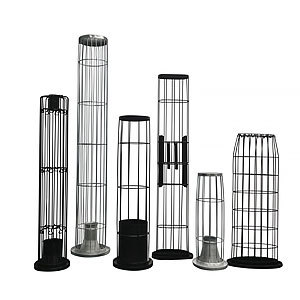
1. **Filter Bags**: The core component that traps dust and particulates.
2. **Dust Collection System**: Captures and transports the collected dust to a disposal unit.
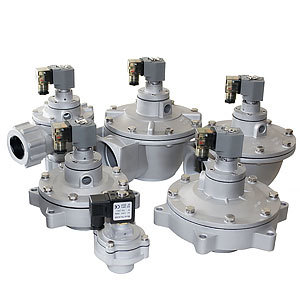
3. **Cleaning Mechanism**: Regularly cleans the filter bags to maintain efficiency.
4. **Airflow Control**: Regulates airflow to optimize performance.
Types of Baghouse Filter Bags
Different industries use various types of filter bags based on their specific needs:
- **Polyester Bags**: Commonly used for general-purpose filtration.
- **PTFE Bags**: Suitable for high-temperature applications.
- **Acrylic Bags**: Ideal for chemical processing due to their resistance to chemicals.
Why Regular Inspection is Essential
The necessity of regular inspections can be understood through several critical factors that impact both the performance of the baghouse system and the overall operational efficiency.
Enhancing Air Quality
Regular inspections of baghouse filter bags ensure that they are functioning optimally, which directly contributes to maintaining high air quality in industrial environments. Poorly maintained filter bags can lead to increased emissions of harmful pollutants, which can have serious health implications for workers and surrounding communities.
Preventing Equipment Failure
Frequent inspections help identify wear and tear or potential failures before they escalate into significant issues. Early detection can save on costly repairs and reduce downtime, thereby enhancing productivity.
Compliance with Environmental Regulations
Many industries face stringent regulations regarding emissions and air quality. Regularly inspecting baghouse filter bags helps ensure compliance with these regulations, thereby avoiding potential fines and legal issues.
Cost Efficiency
Maintaining a routine inspection schedule can lead to long-term cost savings. By ensuring that filter bags are in optimal condition, companies can avoid premature replacements and reduce energy consumption associated with poorly functioning systems.
How to Perform Regular Inspections on Baghouse Filter Bags
Performing inspections on baghouse filter bags involves a systematic approach to ensure thorough evaluations.
Inspection Frequency
The frequency of inspections depends on several factors, including the industry, the type of materials being filtered, and the operating conditions. Generally, conducting inspections every one to three months is advisable.
Visual Inspection Techniques
A visual inspection is often the first step in assessing the condition of baghouse filter bags. Here’s what to look for:
- **Physical Damage**: Inspect for tears, punctures, or wear spots.
- **Dirt Accumulation**: Check for excessive dust build-up, which can indicate cleaning issues.
- **Bag Sagging**: Look for any bags that are sagging, which may signal improper tensioning or support.
Performance Testing
In addition to visual inspections, performance testing can provide valuable insights into the operational efficiency of baghouse filter bags.
- **Pressure Drop Measurement**: Monitoring the pressure drop across the filter bags can indicate their filtering efficiency. A significant increase in pressure drop may suggest that the bags are clogged or damaged.
- **Airflow Testing**: Check for any irregularities in airflow, which can indicate issues with individual bags.
Documenting Inspection Findings
Keeping detailed records of inspections, findings, and maintenance performed is essential. This documentation supports decision-making regarding replacements and helps ensure compliance with regulations.
Signs Indicating the Need for Bag Replacement
Regular inspections will reveal certain signs that indicate when it is time to replace baghouse filter bags. Understanding these signs can help maintain optimal performance.
Increased Emissions
If emissions levels start to exceed acceptable limits, it may be time to inspect and potentially replace the filter bags.
Frequent Cleaning Cycles
A noticeable increase in the frequency of cleaning cycles can indicate that bags are nearing the end of their useful life.
Visible Wear and Tear
If visual inspections reveal significant wear, such as thinning or fraying, this is an unmistakable sign that replacement is necessary.
Benefits of Regular Baghouse Maintenance
Implementing a routine maintenance schedule that includes regular inspections offers multiple benefits.
Improved Operational Efficiency
By ensuring that baghouse filter bags are in optimal condition, companies can maintain efficient operations, reducing energy costs and improving production rates.
Enhanced Safety Standards
Regular inspections help maintain a safe working environment by minimizing the risk of harmful emissions and ensuring compliance with safety regulations.
Longer Equipment Life
Investing time in regular inspections and maintenance can significantly extend the lifespan of the entire baghouse system, leading to lower overall costs.
Best Practices for Baghouse Filter Bag Care
To maximize the effectiveness of baghouse filter bags, consider implementing the following best practices:
Regular Cleaning and Maintenance
Establish a cleaning schedule based on the specific needs of your operation. This practice will help prevent dust accumulation and maintain airflow.
Training Staff
Educate staff on the importance of regular inspections and how to perform them properly. Well-trained personnel can identify issues early and take corrective action.
Utilizing Technology
Consider investing in monitoring technology that can provide real-time data on filter performance, leading to more proactive maintenance.
Common FAQs About Baghouse Filter Bags
1. How often should baghouse filter bags be inspected?
Regular inspections are typically recommended every one to three months, depending on operational conditions and dust load.
2. What are the signs that a baghouse filter bag needs replacing?
Signs include increased emissions, frequent cleaning cycles, and visible wear such as tears or thinning material.
3. Can regular inspections save money?
Yes, routine inspections can help avoid costly repairs, reduce energy consumption, and extend the lifespan of the filter bags.
4. What is the impact of dirty filter bags on air quality?
Dirty filter bags can lead to higher emissions and poor air quality, which can affect both worker health and regulatory compliance.
5. Are there different types of baghouse filter bags?
Yes, baghouse filter bags come in various materials, including polyester, PTFE, and acrylic, each suited for different industrial applications.
Conclusion
The regular inspection of baghouse filter bags is not just a maintenance task; it is a fundamental component of effective air quality management in industrial settings. By prioritizing inspections, companies can enhance air quality, ensure compliance with regulations, and promote a healthier working environment. Ultimately, a proactive approach to baghouse filter bag maintenance translates to increased operational efficiency, reduced costs, and a safer workplace for all. Investing in regular inspections is a smart move for any industrial operation relying on air purification systems.
Hot Tags:
PREVIOUS:


Contact Us
Tel:
WeChat:
WhatsApp:
E-mail:
Address:
338 National Road South, Longfengdian Village, Botou City, Hebei Province, China
JiuznTomine is expertly delivering technically complicated projects in markets & provides custom solutions for their customized need.


CONTACT INFO
Tel: +86 18531710311
WeChat: +86-18531710311
338 National Road South, Longfengdian Village, Botou City, Hebei Province, China