












Baghouse Filter Bags: Key Factors Influencing Lifespan and Performance
May 09,2025
Baghouse Filter Bags: Key Factors Influencing Lifespan and Performance
The efficiency of **baghouse filter bags** plays a crucial role in industrial air filtration systems. These bags are integral for dust collection and maintaining air quality in various manufacturing and processing environments. Understanding the key factors that influence the lifespan and performance of these filter bags can le
Baghouse Filter Bags: Key Factors Influencing Lifespan and Performance
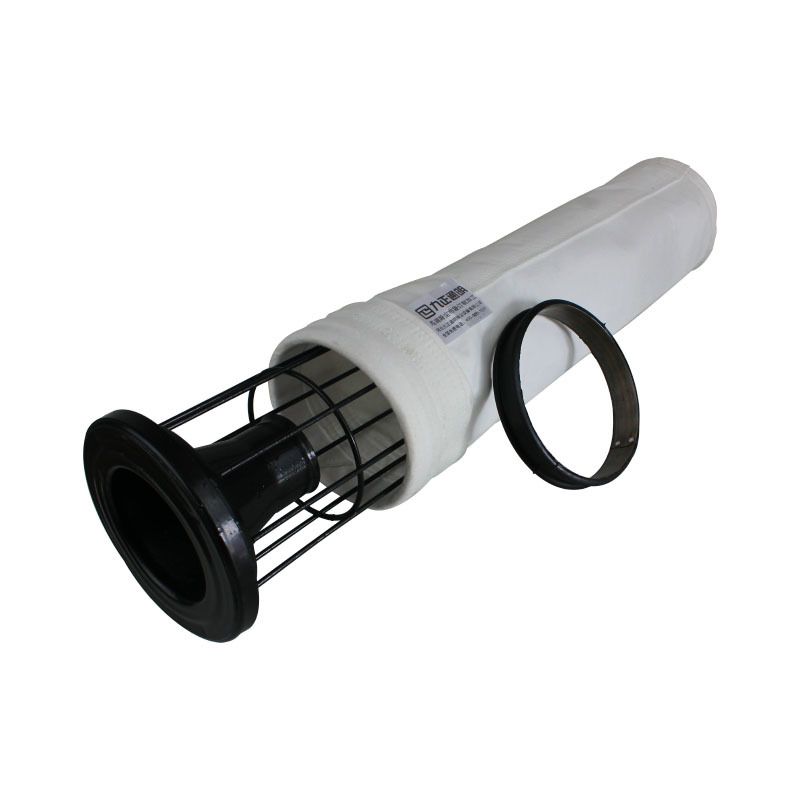
The efficiency of **baghouse filter bags** plays a crucial role in industrial air filtration systems. These bags are integral for dust collection and maintaining air quality in various manufacturing and processing environments. Understanding the key factors that influence the lifespan and performance of these filter bags can lead to significant operational improvements and cost savings. In this article, we will delve into these factors in detail, providing a comprehensive guide for industry professionals.
Table of Contents
1. Understanding Baghouse Filter Bags
2. The Importance of Lifespan and Performance
3. Key Factors Influencing Lifespan
- 3.1 Material Selection
- 3.2 Operating Conditions
- 3.3 Dust Load
4. Best Maintenance Practices for Baghouse Filter Bags
- 4.1 Regular Inspections
- 4.2 Cleaning Techniques
5. Optimizing Baghouse Filter Bag Performance
6. Common Issues and Solutions
7. Conclusion
8. FAQs
Understanding Baghouse Filter Bags
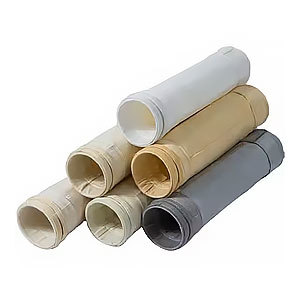
Baghouse filter bags are designed to capture and collect particulate matter from industrial processes. They are typically made from various fabric materials that provide a barrier against airborne dust and contaminants. The effectiveness of these bags can significantly impact plant operations, worker safety, and environmental compliance.
The Importance of Lifespan and Performance
The lifespan of **baghouse filter bags** is directly related to their performance. A bag that deteriorates quickly can lead to increased emissions, higher operational costs, and potential regulatory fines. Therefore, understanding the factors that affect their longevity and efficiency is crucial for maintaining optimal air filtration systems.
Key Factors Influencing Lifespan
###
Material Selection
The choice of material for filter bags is perhaps the most critical factor influencing their lifespan. Common materials include:
- **Polyester**: Offers good chemical resistance and is suitable for a range of applications. However, it may not perform well in high-temperature environments.
- **Polypropylene**: Best for low-temperature applications, it is resistant to corrosive substances but can degrade under UV exposure.
- **Fiberglass**: Excellent for high-temperature and high-energy applications, fiberglass bags have a longer lifespan but are more expensive.
- **PTFE**: Known for its superior chemical resistance and high-temperature tolerance, PTFE bags are ideal for harsh environments but come at a premium cost.
Selecting the right material based on application requirements and environmental conditions will directly influence the performance and longevity of baghouse filter bags.
###
Operating Conditions
Operating conditions, including temperature, humidity, and pressure, significantly affect bag performance. High temperatures can lead to thermal degradation, while excessive humidity can promote mold growth and clogging. Understanding the specific conditions under which the baghouse will operate is essential for optimizing filter bag lifespan.
###
Dust Load
The amount and type of dust load can also impact the lifespan of baghouse filter bags. A higher dust load will result in more frequent cleaning cycles, which can wear out the fabric more quickly. Additionally, abrasive dust particles can cause physical damage to the filter media, reducing its effectiveness.
Best Maintenance Practices for Baghouse Filter Bags
Maintaining baghouse filter bags is crucial for ensuring their longevity and performance. Regular maintenance practices can prevent premature failure and costly downtime.
###
Regular Inspections
Conducting regular inspections of baghouse systems helps identify issues before they escalate. Look for signs of wear and tear, improper sealing, and leaks. Early detection of potential problems can save time and resources.
###
Cleaning Techniques
Effective cleaning is vital for maintaining the performance of filter bags. There are several cleaning techniques available:
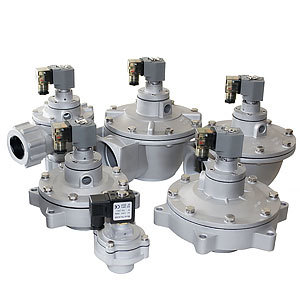
- **Pulse Jet Cleaning**: This method uses compressed air to dislodge dust from the filter bags, ensuring a thorough cleaning.
- **Mechanical Shaking**: Involves physically shaking the bags to remove dust, but this method may not be suitable for all bag types.
- **Reverse Air Cleaning**: Utilizes reverse air flow to clean the bags, suitable for high-dust loading systems.
Choosing the right cleaning method based on the specific application and dust type will help maintain filter bag performance.
Optimizing Baghouse Filter Bag Performance
To maximize the performance of baghouse filter bags, consider the following optimization strategies:
1. **Optimize Airflow**: Ensure that the air-to-cloth ratio is within recommended levels to prevent unnecessary strain on the filter bags.
2. **Implement Proper Sealing**: Ensure airtight sealing at the inlet and outlet to prevent leaks and enhance filtration efficiency.
3. **Monitor Pressure Drop**: Regularly monitor the pressure drop across the filter bags. A sudden increase may indicate blockage or wear, necessitating cleaning or replacement.
4. **Utilize Advanced Materials**: Consider using advanced filter media that offer enhanced dust cake release and better filtration efficiency.
By implementing these strategies, facilities can improve overall performance and extend the life of baghouse filter bags.
Common Issues and Solutions
Even with optimal conditions and maintenance, baghouse filter bags can face challenges. Here are some common issues and their solutions:
- **Blinding**: When dust accumulates on the surface of filter bags, it can hinder airflow. Regular cleaning can help mitigate this issue.
- **Tearing**: Often caused by abrasive dust or improper handling. Using the right material and ensuring gentle handling can help prevent tears.
- **Shortened Lifespan**: If filter bags degrade quickly, it’s important to reassess the material and operating conditions to identify potential issues.
By recognizing these common problems and addressing them proactively, operators can maintain effective baghouse systems.
Conclusion
In conclusion, the lifespan and performance of baghouse filter bags are influenced by various factors, including material selection, operating conditions, dust load, and maintenance practices. By understanding and addressing these factors, industry professionals can optimize their air filtration systems, resulting in improved performance and reduced operational costs. Regular inspections and proper maintenance are essential for maximizing the effectiveness of baghouse filter bags, ultimately contributing to better air quality and compliance with environmental standards.
FAQs
1. **What is the average lifespan of a baghouse filter bag?**
The lifespan varies but generally ranges from 1 to 3 years, depending on the application and maintenance practices.
2. **How can I improve the performance of my baghouse filter bags?**
Optimize airflow, ensure proper sealing, and implement regular cleaning schedules to enhance performance.
3. **What maintenance is required for baghouse filter bags?**
Regular inspections, cleaning, and monitoring of pressure drop are crucial for optimal performance.
4. **What types of materials are used in baghouse filter bags?**
Common materials include polyester, polypropylene, fiberglass, and PTFE, each with its own properties and applications.
5. **How do I know when to replace my filter bags?**
Signs of wear, increased pressure drop, or a sudden drop in performance indicate that it may be time to replace the bags.
Hot Tags:
PREVIOUS:


Contact Us
Tel:
WeChat:
WhatsApp:
E-mail:
Address:
338 National Road South, Longfengdian Village, Botou City, Hebei Province, China
JiuznTomine is expertly delivering technically complicated projects in markets & provides custom solutions for their customized need.


CONTACT INFO
Tel: +86 18531710311
WeChat: +86-18531710311
338 National Road South, Longfengdian Village, Botou City, Hebei Province, China