














How a Baghouse Dust Collector Enhances Workplace Safety and Compliance
Apr 19,2025
Introduction to Baghouse Dust Collectors
In today’s industrial landscape, maintaining **workplace safety** and adhering to **regulatory compliance** are paramount. One crucial element in achieving these objectives is the Baghouse Dust Collector. Designed to effectively manage and control airborne particulate matter, Baghouse systems play a pivotal role in ensuring a clean and safe working environm

Introduction to Baghouse Dust Collectors
In today’s industrial landscape, maintaining **workplace safety** and adhering to **regulatory compliance** are paramount. One crucial element in achieving these objectives is the Baghouse Dust Collector. Designed to effectively manage and control airborne particulate matter, Baghouse systems play a pivotal role in ensuring a clean and safe working environment. This article delves into how Baghouse Dust Collectors enhance workplace safety and compliance, providing detailed insights into their operation, benefits, and impact on health and safety.
Understanding Baghouse Dust Collectors
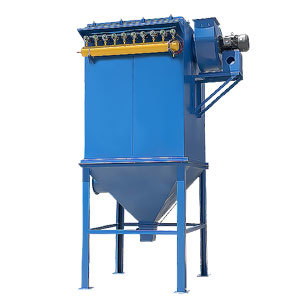
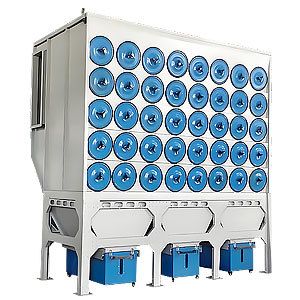
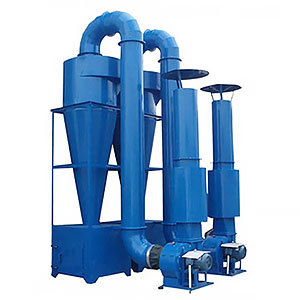
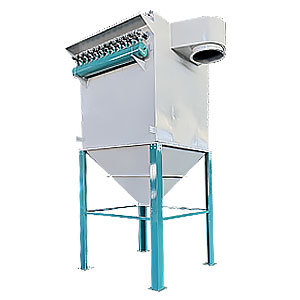
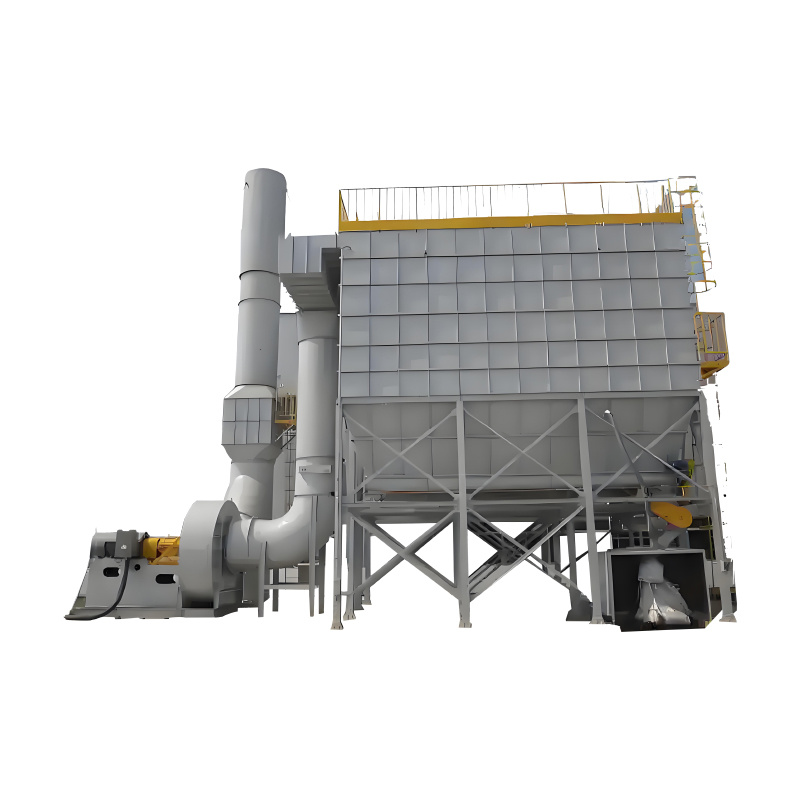
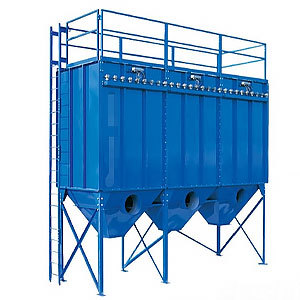
Baghouse Dust Collectors are sophisticated filtration systems designed to capture dust, debris, and other particulate matter generated during various industrial processes. They typically consist of a series of filter bags that trap dust while allowing clean air to pass through. The effectiveness and efficiency of these systems are critical not only for operational performance but also for safeguarding the health of workers and the environment.
The Technology Behind Baghouse Systems
Baghouse systems utilize advanced technology to ensure optimal dust collection. The process involves several key components:
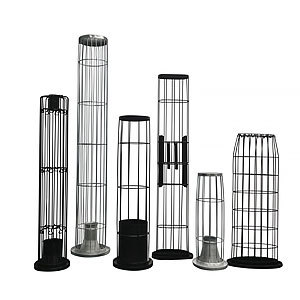
1. **Filter Bags**: The heart of the system, these bags are made from various materials designed to capture specific types of dust.
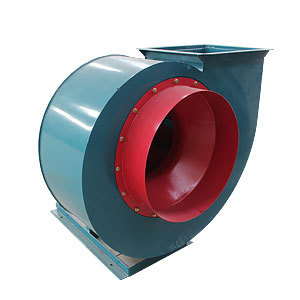
2. **Airflow Dynamics**: A well-designed airflow system directs dust-laden air into the collector, maximizing capture efficiency.
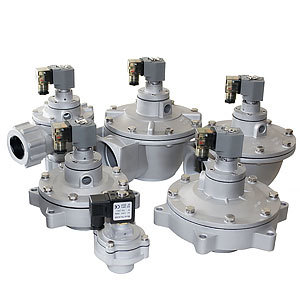
3. **Cleaning Mechanism**: Periodic cleaning of the filter bags ensures continuous performance, preventing clogging and maintaining airflow.
Types of Baghouse Dust Collectors
Different types of Baghouse systems are available, each designed for specific applications. These include:
- **Pulse Jet Baghouse**: Utilizes bursts of compressed air to clean the filter bags, ideal for high-volume dust collection.
- **Shaker Baghouse**: Employs mechanical shaking to dislodge dust from the bags, suitable for lighter dust loads.
- **Reverse Air Baghouse**: Uses a reverse air flow to clean the bags, effective for fine dust applications.
Enhancing Workplace Safety with Baghouse Dust Collectors
Airborne pollutants pose significant health risks to workers, leading to respiratory issues and other health complications. Implementing a Baghouse Dust Collector dramatically reduces these risks by maintaining a cleaner air environment. Here are several ways Baghouse systems enhance workplace safety:
Reducing Respiratory Hazards
By effectively capturing harmful dust particles, Baghouse systems significantly lower the risk of respiratory diseases among workers. This is especially crucial in industries such as:
- **Construction**
- **Manufacturing**
- **Mining**
- **Food Processing**
When the air quality improves, employees can work more comfortably and efficiently, reducing absenteeism due to health issues.
Minimizing Explosive Dust Risks
Certain types of dust can be highly combustible, posing explosion risks in industrial settings. Baghouse Dust Collectors help mitigate this threat by ensuring that combustible dust is captured and contained, thus preventing hazardous incidents and fostering a safer workplace atmosphere.
Enhancing Compliance with Regulatory Standards
Compliance with Occupational Safety and Health Administration (OSHA) and Environmental Protection Agency (EPA) regulations is essential for any industrial facility. Baghouse systems are designed to meet or exceed these standards, ensuring that businesses remain compliant while providing a safe working environment. Regular monitoring and maintenance of these systems further reinforce compliance efforts.
Operational Efficiency and Cost Savings
Investing in a Baghouse Dust Collector not only enhances safety but also promotes operational efficiency and cost savings. Let’s explore these benefits in detail.
Improving Process Efficiency
A well-functioning Baghouse system ensures optimal airflow and dust collection, which in turn enhances the efficiency of the entire production process. With less downtime for maintenance and fewer disruptions caused by dust accumulation, businesses can operate at peak performance, maximizing productivity.
Lowering Health-Related Costs
By creating a healthier work environment, Baghouse systems can lead to significant reductions in health-related costs associated with worker compensation claims and medical expenses. Businesses can save money while investing in their employees’ well-being.
Extending Equipment Lifespan
Dust accumulation can damage machinery and equipment over time. Baghouse Dust Collectors minimize dust exposure, helping extend the lifespan of essential industrial equipment. This results in lower replacement costs and fewer maintenance issues.
Implementing Baghouse Dust Collectors: Best Practices
To fully realize the benefits of Baghouse Dust Collectors, it is essential to implement them correctly and maintain them effectively. Below are some best practices for successful integration.
Conducting a Needs Assessment
Before selecting a Baghouse system, conduct a thorough needs assessment to determine the specific dust collection requirements of your facility. This includes understanding the type of dust generated, airflow needs, and operational processes.
Regular Maintenance and Inspections
Consistent maintenance is key to ensuring that Baghouse systems operate efficiently. Regular inspections and cleaning of filter bags prevent clogs and optimize performance. Establish a maintenance schedule that includes routine checks and necessary repairs.
Employee Training and Awareness
Investing in employee training on the proper use and maintenance of Baghouse systems is crucial. This ensures that all personnel understand their role in maintaining safety and compliance, fostering a culture of accountability.
Future Trends in Dust Collection Technology
As technology evolves, so do Baghouse systems. Here are some emerging trends in dust collection technology that are shaping the future:
Smart Monitoring Systems
Advancements in technology are leading to the adoption of smart monitoring systems that provide real-time data on airflow, dust levels, and system performance. These systems allow for proactive maintenance and immediate responses to potential issues.
Enhanced Filter Materials
Research and development in filter materials have led to the creation of more efficient and durable options. These new materials enhance the dust collection process and reduce the frequency of filter replacements, further improving operational efficiency.
Frequently Asked Questions (FAQs)
1. What is a Baghouse Dust Collector?
A Baghouse Dust Collector is a filtration system designed to capture and contain dust and particulate matter generated during industrial processes.
2. How does a Baghouse system work?
Baghouse systems work by drawing in dust-laden air through filter bags, which trap the dust while allowing clean air to exit. The bags are periodically cleaned to maintain efficiency.
3. What types of industries benefit from Baghouse Dust Collectors?
Industries such as construction, manufacturing, mining, and food processing can significantly benefit from Baghouse Dust Collectors.
4. How do Baghouse systems enhance workplace safety?
By capturing harmful dust particles and reducing airborne pollutants, Baghouse systems lower the risk of respiratory hazards and other health issues among workers.
5. Are Baghouse Dust Collectors compliant with environmental regulations?
Yes, Baghouse systems are designed to meet or exceed OSHA and EPA regulations, ensuring businesses remain compliant while promoting a safe work environment.
Conclusion
In conclusion, **Baghouse Dust Collectors** are an essential component of workplace safety and compliance in various industrial settings. By effectively managing airborne particulates, these systems significantly enhance air quality, reduce health risks, and ensure adherence to regulatory standards. As companies invest in Baghouse technology, they not only protect their workforce but also improve operational efficiency and achieve significant cost savings. Prioritizing the health and safety of employees while fostering a culture of compliance is crucial for long-term success in today’s competitive industrial environment. Embracing these advanced dust collection systems is a proactive step toward a safer, cleaner, and more productive workplace.
Hot Tags:
PREVIOUS:


Contact Us
Tel:
WeChat:
WhatsApp:
E-mail:
Address:
338 National Road South, Longfengdian Village, Botou City, Hebei Province, China
JiuznTomine is expertly delivering technically complicated projects in markets & provides custom solutions for their customized need.


CONTACT INFO
Tel: +86 18531710311
WeChat: +86-18531710311
338 National Road South, Longfengdian Village, Botou City, Hebei Province, China