













Understanding Baghouse Dust Collectors: Essential Insights for Industrial Air Quality Management
Apr 24,2025
In the realm of industrial air quality management, Baghouse Dust Collectors play a crucial role in reducing airborne particulate matter and enhancing workplace safety. These systems are specifically designed to capture and filter dust particles generated from various manufacturing processes, ensuring cleaner air and a healthier work environment.
A Baghouse Dust Collector typically consists of a se

In the realm of industrial air quality management, Baghouse Dust Collectors play a crucial role in reducing airborne particulate matter and enhancing workplace safety. These systems are specifically designed to capture and filter dust particles generated from various manufacturing processes, ensuring cleaner air and a healthier work environment.
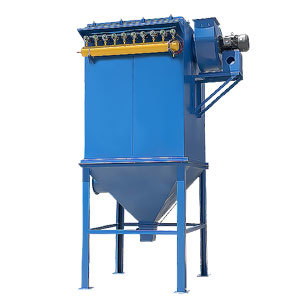
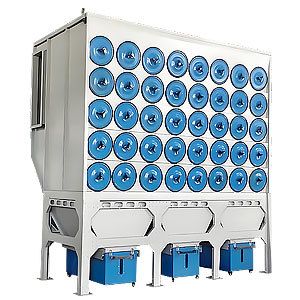
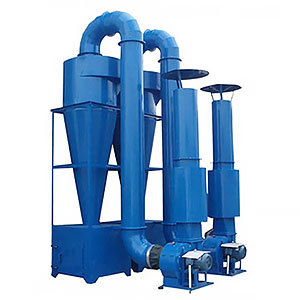
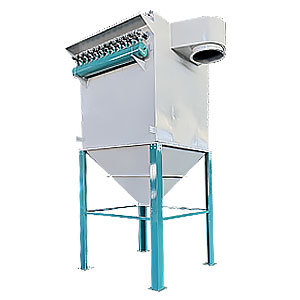
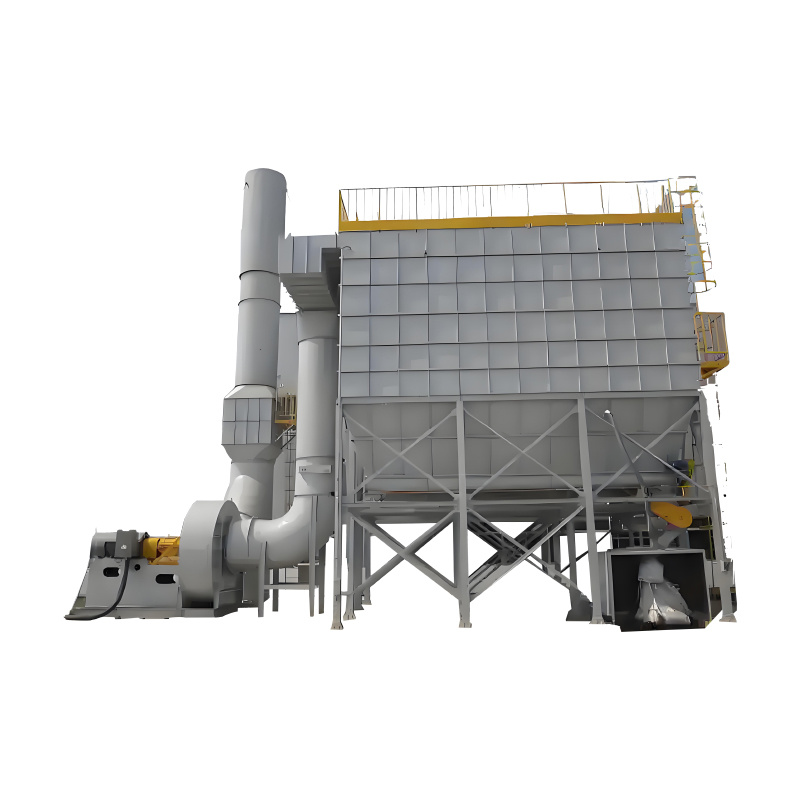
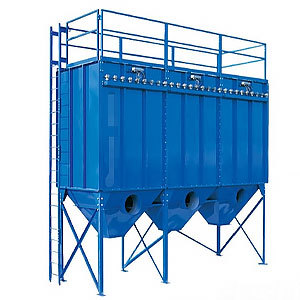
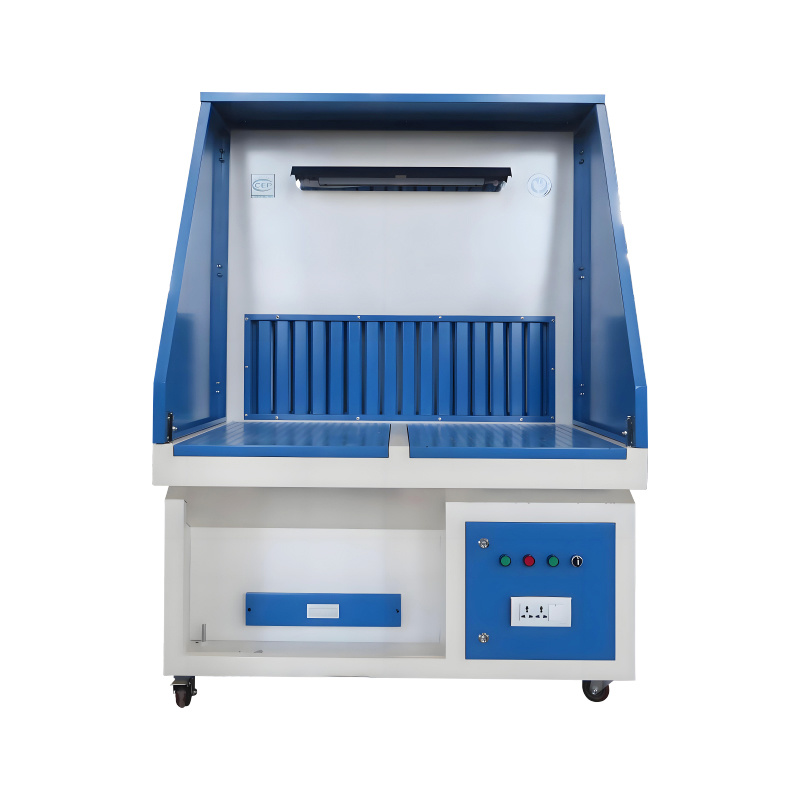
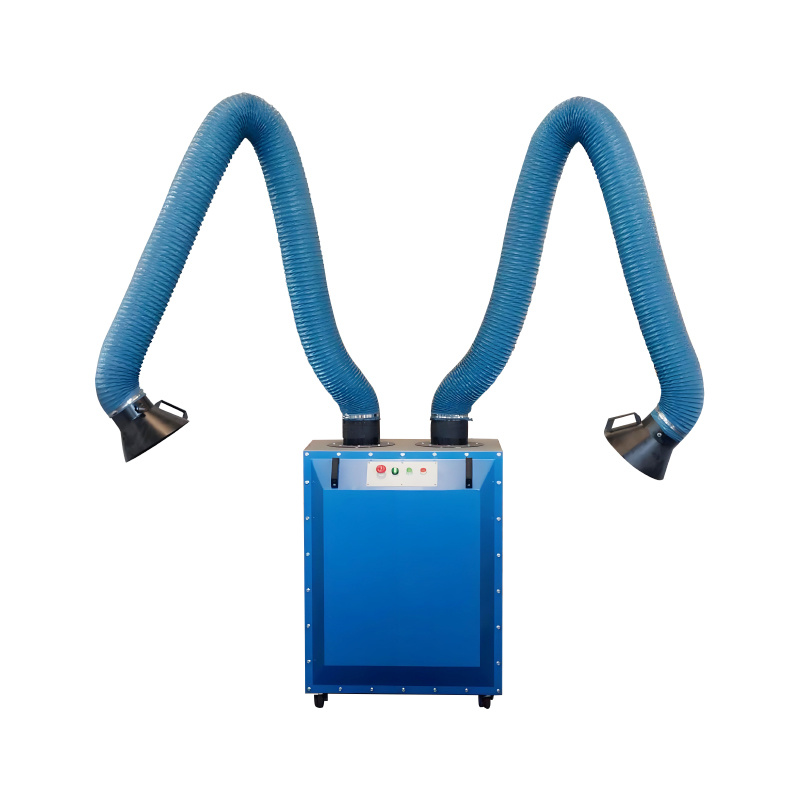
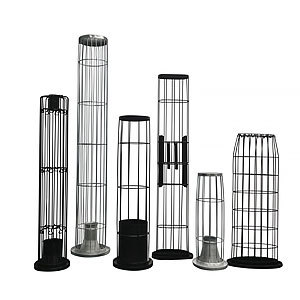
A Baghouse Dust Collector typically consists of a series of filters that capture dust particles as air passes through the system. The operation begins with contaminated air being drawn into the collector. As the air flows through the fabric filter bags, dust particles are trapped, while clean air is expelled. This process not only reduces the dust concentration in the workspace but also prevents the release of pollutants into the atmosphere.
One of the key advantages of Baghouse Dust Collectors is their efficiency. They can capture particulate sizes ranging from very fine to coarse, making them suitable for a variety of applications, including woodworking, metalworking, food processing, and more. The flexibility of filter media options allows industries to select materials that best suit their specific dust type, optimizing performance and longevity.
Moreover, Baghouse Dust Collectors contribute to compliance with environmental regulations. Many jurisdictions have stringent air quality standards that require industries to minimize emissions of harmful particulates. By implementing a Baghouse Dust Collector, organizations can ensure they meet these legal requirements, thus avoiding potential fines and enhancing their corporate responsibility towards environmental stewardship.
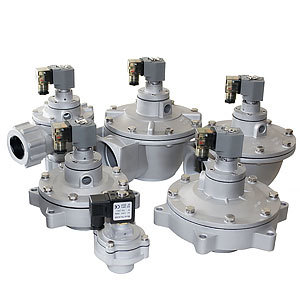
Maintenance is another critical aspect of Baghouse Dust Collectors. Regular inspection and cleaning of the filters are essential to maintain optimal performance and prolong the lifespan of the system. Automated cleaning mechanisms, such as pulse jet systems, can efficiently remove accumulated dust from the filters, ensuring consistent operation without significant downtime.
In addition to improving air quality and meeting regulatory standards, Baghouse Dust Collectors can also have a positive impact on operational efficiency. By minimizing dust accumulation in the work environment, these systems reduce the risk of equipment malfunctions and potential hazards, leading to safer work conditions and increased productivity.
In conclusion, Baghouse Dust Collectors are indispensable tools for any industrial facility focused on maintaining air quality and operational efficiency. By understanding their functionalities, benefits, and maintenance requirements, professionals can make informed decisions about air purification solutions that best meet their operational needs. Embracing this technology is not only a compliance measure but also a commitment to providing a safer and cleaner environment for employees and communities alike.
A Baghouse Dust Collector typically consists of a series of filters that capture dust particles as air passes through the system. The operation begins with contaminated air being drawn into the collector. As the air flows through the fabric filter bags, dust particles are trapped, while clean air is expelled. This process not only reduces the dust concentration in the workspace but also prevents the release of pollutants into the atmosphere.
One of the key advantages of Baghouse Dust Collectors is their efficiency. They can capture particulate sizes ranging from very fine to coarse, making them suitable for a variety of applications, including woodworking, metalworking, food processing, and more. The flexibility of filter media options allows industries to select materials that best suit their specific dust type, optimizing performance and longevity.
Moreover, Baghouse Dust Collectors contribute to compliance with environmental regulations. Many jurisdictions have stringent air quality standards that require industries to minimize emissions of harmful particulates. By implementing a Baghouse Dust Collector, organizations can ensure they meet these legal requirements, thus avoiding potential fines and enhancing their corporate responsibility towards environmental stewardship.
Maintenance is another critical aspect of Baghouse Dust Collectors. Regular inspection and cleaning of the filters are essential to maintain optimal performance and prolong the lifespan of the system. Automated cleaning mechanisms, such as pulse jet systems, can efficiently remove accumulated dust from the filters, ensuring consistent operation without significant downtime.
In addition to improving air quality and meeting regulatory standards, Baghouse Dust Collectors can also have a positive impact on operational efficiency. By minimizing dust accumulation in the work environment, these systems reduce the risk of equipment malfunctions and potential hazards, leading to safer work conditions and increased productivity.
In conclusion, Baghouse Dust Collectors are indispensable tools for any industrial facility focused on maintaining air quality and operational efficiency. By understanding their functionalities, benefits, and maintenance requirements, professionals can make informed decisions about air purification solutions that best meet their operational needs. Embracing this technology is not only a compliance measure but also a commitment to providing a safer and cleaner environment for employees and communities alike.
Hot Tags:


Contact Us
Tel:
WeChat:
WhatsApp:
E-mail:
Address:
338 National Road South, Longfengdian Village, Botou City, Hebei Province, China
JiuznTomine is expertly delivering technically complicated projects in markets & provides custom solutions for their customized need.


CONTACT INFO
Tel: +86 18531710311
WeChat: +86-18531710311
338 National Road South, Longfengdian Village, Botou City, Hebei Province, China