












Effectively reducing industrial dust emissions and helping enterprises meet environmental standards
Aug 05,2025
Industrial dust emissions are a core challenge for corporate environmental compliance, especially in global trade where environmental standards are becoming increasingly stringent in various countries (such as the EU IPPC Directive, US EPA standards, and China's Comprehensive Emission Standards for Air Pollutants). Taking scientific measures to reduce dust emissions can not only help companies avoid fines and trade barriers, but also enhance production efficiency and brand image.
1、 Accurately identify the source of dust and implement targeted control measures
Industrial dust mainly comes from four major sources and needs to be classified and treated:
1) Raw material processing: Mechanical dust generated during processes such as ore crushing and grain grinding can be reduced in diffusion through enclosed equipment;
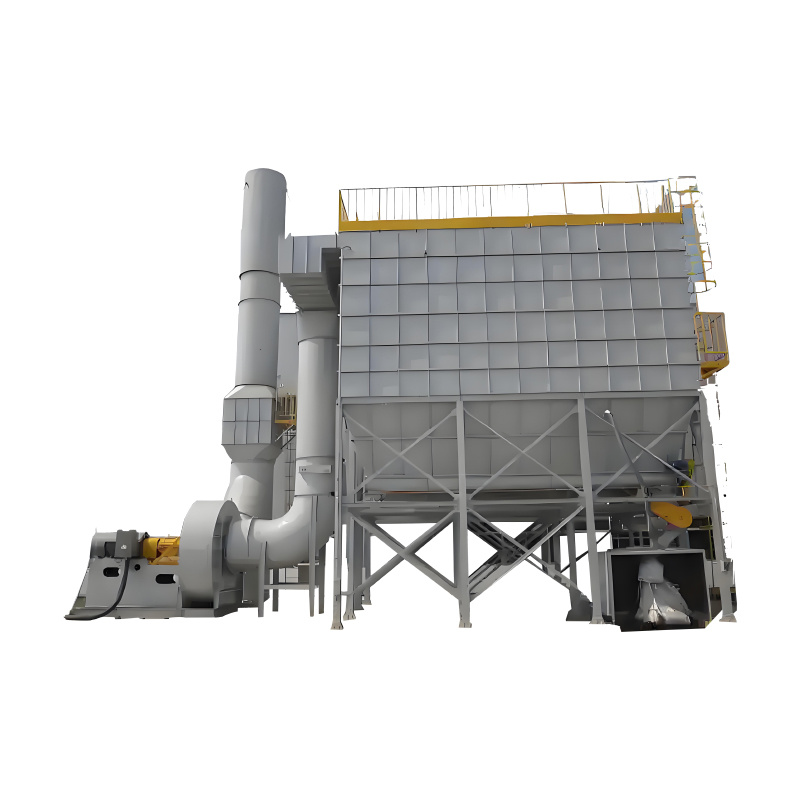
2) Combustion and smelting: High efficiency end purification equipment is required for the exhaust gas and dust emitted from boilers, kilns, etc;
3) Material transportation: Dust generated by belt conveyor, storage and loading/unloading can be suppressed by spraying or vacuum cleaning devices;
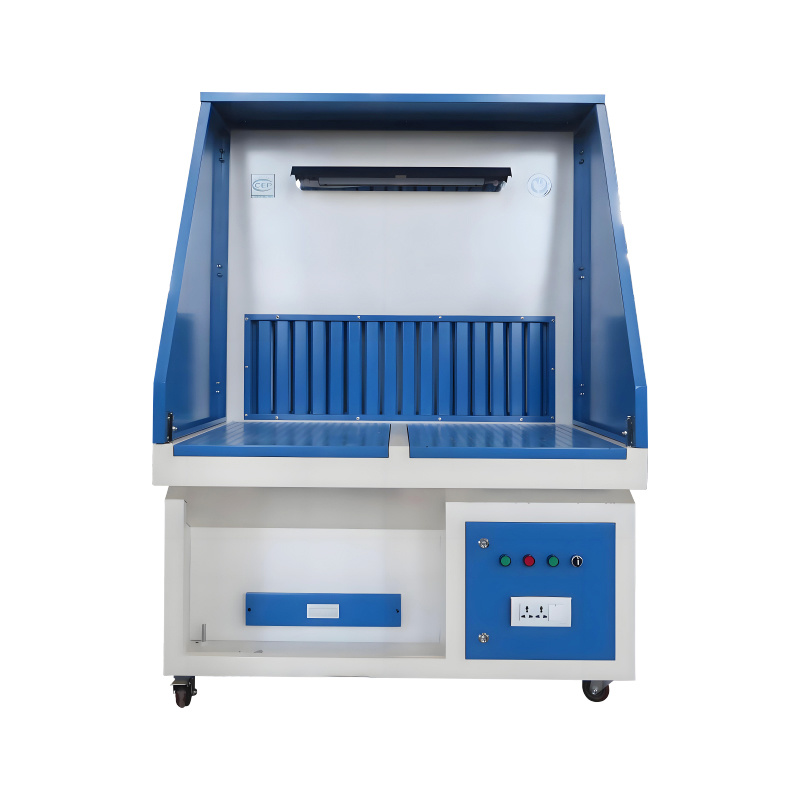
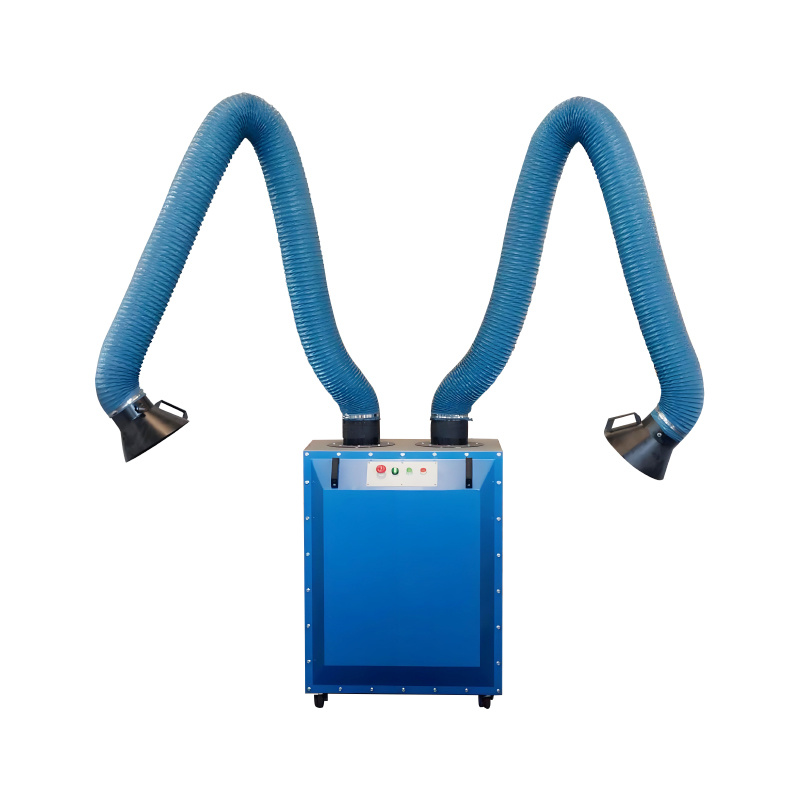
4) Finished product processing: Metal dust from welding, polishing and other processes needs to be collected directionally through a local gas collection hood.
For example, the dust concentration in the raw material grinding process of the cement industry can reach 500g/m ³, and a closed hood and pipeline collection system need to be installed at the dust production point to directly introduce the dust into the dust removal equipment.
2、 Core technical means: full process control from source to end
1. Source reduction: Reduce dust generation
1. Use wet methods (such as water spraying for stone processing to reduce dust) to cause dust particles to aggregate and settle, thereby reducing the diffusion rate;
2. Optimize process parameters, such as adjusting the speed of crushing equipment and controlling material humidity (maintaining a moisture content of 8% -12% can reduce dust flying).
2. Process interception: prevent dust diffusion
1) Sealed packaging of dust generating equipment, such as adding sealing covers to feeders and dust covers to belt conveyors, to reduce unorganized emissions;
2) The workshop adopts negative pressure ventilation and controls dust in specific areas through reasonable arrangement of air vents.
3. End of pipe purification: efficient removal of residual dust
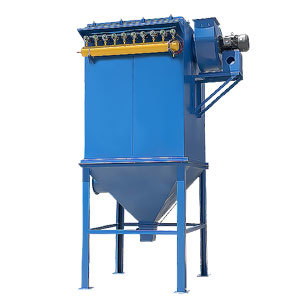
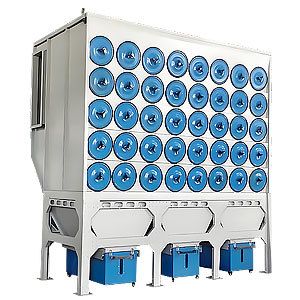
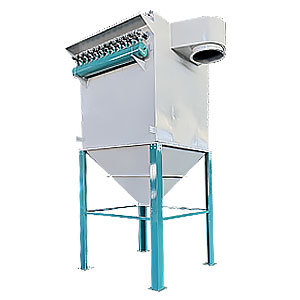
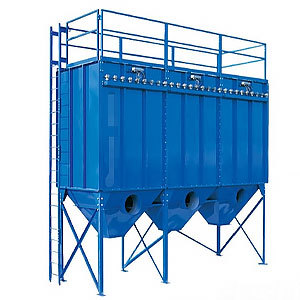
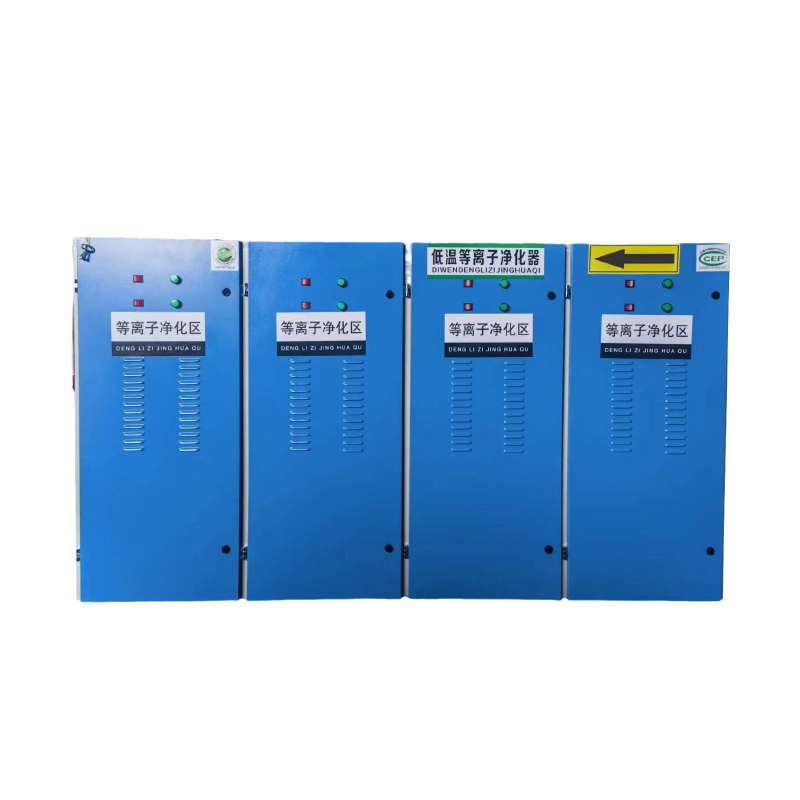
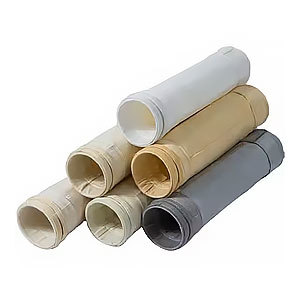
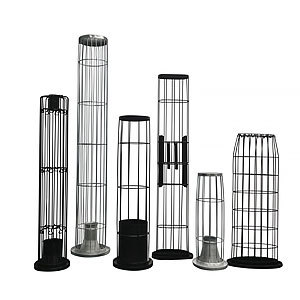
1) Bag filter: With a removal rate of 99.9% for fine dust below 1 μ m, it is suitable for high standard industries such as chemical and food industries;
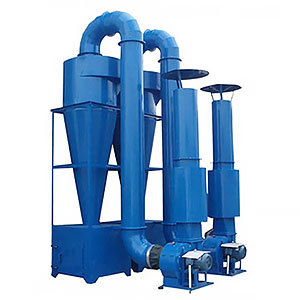
2) Electrostatic precipitator: capable of processing high air volume flue gas (such as power plant boilers), suitable for working conditions with dust concentrations ranging from 10-30g/m ³;
3、 Management and Technology Upgrade: Long term Compliance Guarantee
1) Establish a dust monitoring system: Install online monitoring equipment (such as laser dust meters) to monitor emission concentrations in real time, and the data must meet the requirements of the target market (such as the EU requiring data to be uploaded every 15 minutes);
2) Regular maintenance of equipment: The aging of core components such as filter bags and electrodes can lead to a decrease in efficiency, and replacement cycles should be developed according to the working conditions (such as high-temperature filter bags, which are recommended to be replaced once every 1-2 years);
3) Employee training: Standardize operating procedures, such as controlling the height difference during material loading and unloading (≤ 1.5 meters can reduce dust by 60%), to avoid dust leakage caused by human factors.
4、 Value of Compliance: Multiple Benefits Beyond Compliance
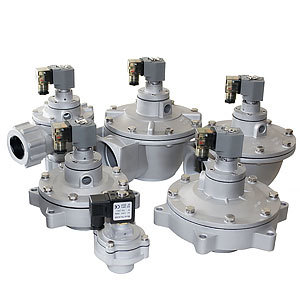
After the transformation of a certain export-oriented casting enterprise through "closed gas collection+pulse bag dust removal", the dust emission concentration decreased from 80mg/m ³ to 5mg/m ³. It not only passed the German TA Luft standard certification and entered the European market, but also saved about 120000 yuan in maintenance costs annually due to reduced equipment wear and tear.
To reduce industrial dust emissions, it is necessary to combine industry characteristics, working conditions, and target market standards to construct a full chain solution of "source reduction+process control+end purification". For foreign trade enterprises, environmental standards are not only a passport to enter the international market, but also an invisible business card to enhance product competitiveness.
Hot Tags:


Contact Us
Tel:
WeChat:
WhatsApp:
E-mail:
Address:
338 National Road South, Longfengdian Village, Botou City, Hebei Province, China
JiuznTomine is expertly delivering technically complicated projects in markets & provides custom solutions for their customized need.


CONTACT INFO
Tel: +86 18531710311
WeChat: +86-18531710311
338 National Road South, Longfengdian Village, Botou City, Hebei Province, China