












Flour mill dust: characteristics, risks, and efficient management solutions
Jul 21,2025

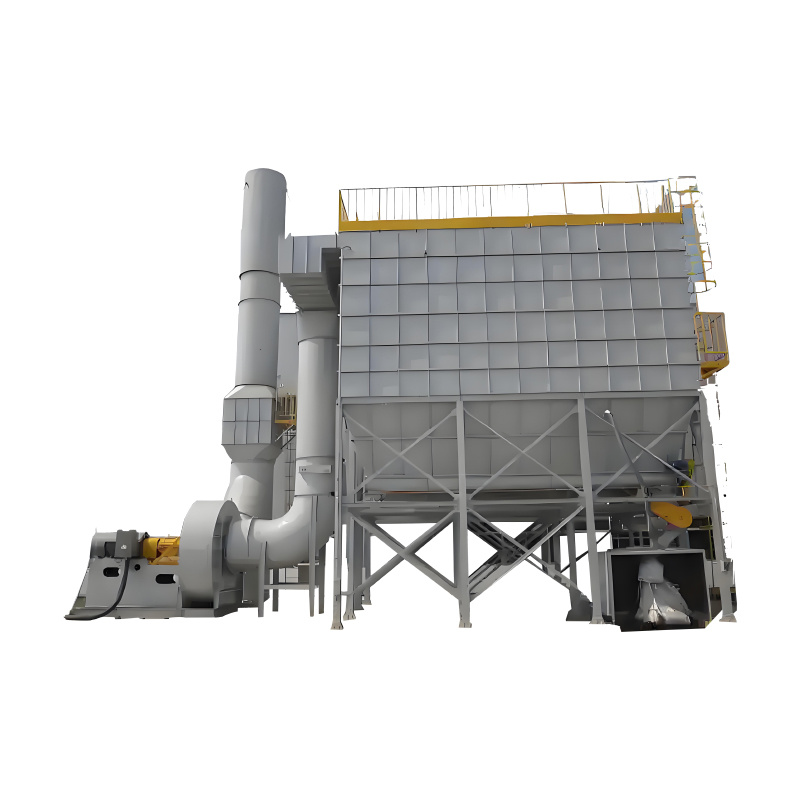
Flour mills generate a large amount of flour dust during wheat grinding, screening, transportation, packaging, and other processes. These seemingly fine particles not only affect the production environment and workers' health, but also conceal serious safety hazards. As a blogger on the official foreign trade website, understanding the characteristics and treatment plans of flour mill dust is crucial for helping overseas flour processing enterprises achieve compliant production.
Characteristics and potential risks of flour dust
The particularity of flour dust makes it a key focus in the field of industrial dust removal. Its particles are small (mostly 10-100 microns in size) and easily suspended in the air, forming stable dust clouds; Has strong adsorption and fluidity, easily adheres to the surface of equipment and the inner wall of pipelines, and rapidly diffuses under the drive of airflow; More importantly, flour is a combustible dust. When the concentration in the air reaches 10-20g/m ³ (lower explosive limit), it may cause a violent explosion when exposed to open flames, electrostatic sparks, or high-temperature surfaces. The explosion pressure can reach 0.2-0.4MPa, and the destructive power is extremely strong. In addition, long-term inhalation of flour dust can lead to respiratory diseases (such as pneumoconiosis), and the accumulation of dust can also breed mold, contaminate product quality, and affect food safety.
Key prevention and control points for dust control in flour mills
1. Comprehensive anti-static design: All metal components of equipment (including pipelines, fans, and dust collectors) must be reliably grounded (grounding resistance ≤ 4 Ω), and copper braided tape should be used to cross connect between pipeline flanges; Prohibit the use of tools that are prone to sparking, and use copper or plastic tools for maintenance; The workshop floor is laid with conductive flooring and grounded, and operators wear anti-static work clothes and shoes.
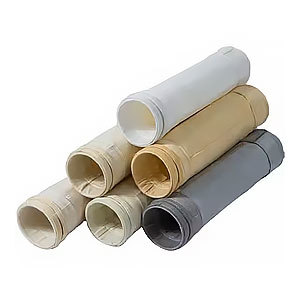
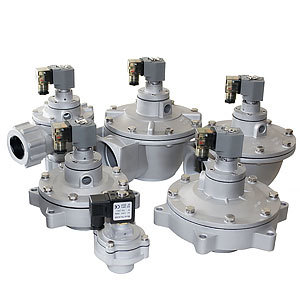
2. Equipment cleaning and maintenance: Clean the dust accumulation on the surface of the equipment and inside the pipeline after daily shutdown, conduct a comprehensive cleaning of the filter bag once a week, and check the integrity of the explosion-proof device and pulse valve every month; Choose explosion-proof cleaning equipment (such as anti-static vacuum cleaners) to avoid sparks during the cleaning process.
3. Safety management and training: Develop emergency plans for dust explosions and conduct regular fire drills; Provide training on dust characteristics and explosion prevention knowledge to employees, strictly prohibit smoking or using open flames in the workshop, and confirm that the dust removal system is operating normally before starting the equipment.
4. Compliance certification: Flour mill dust removal equipment exported to the European Union must pass ATEX 114 certification (equipment used in dust explosion environments), and exported to the United States must comply with NFPA 652 (combustible dust standards) and FDA food contact material requirements (such as filter bags requiring FDA 21 CFR 177 certification).
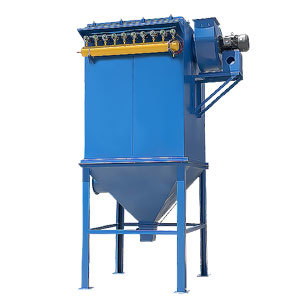
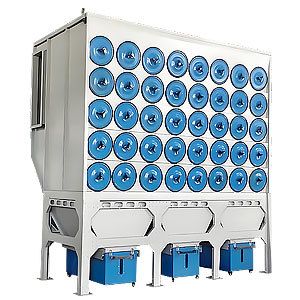
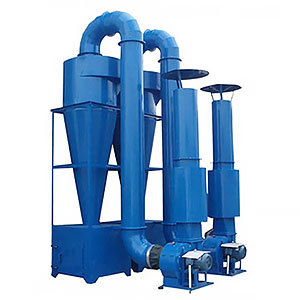
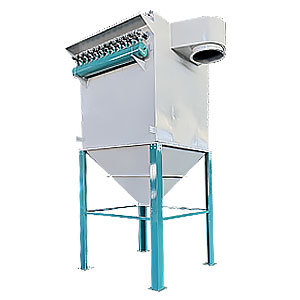
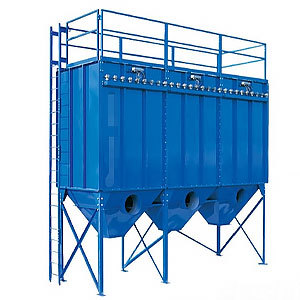
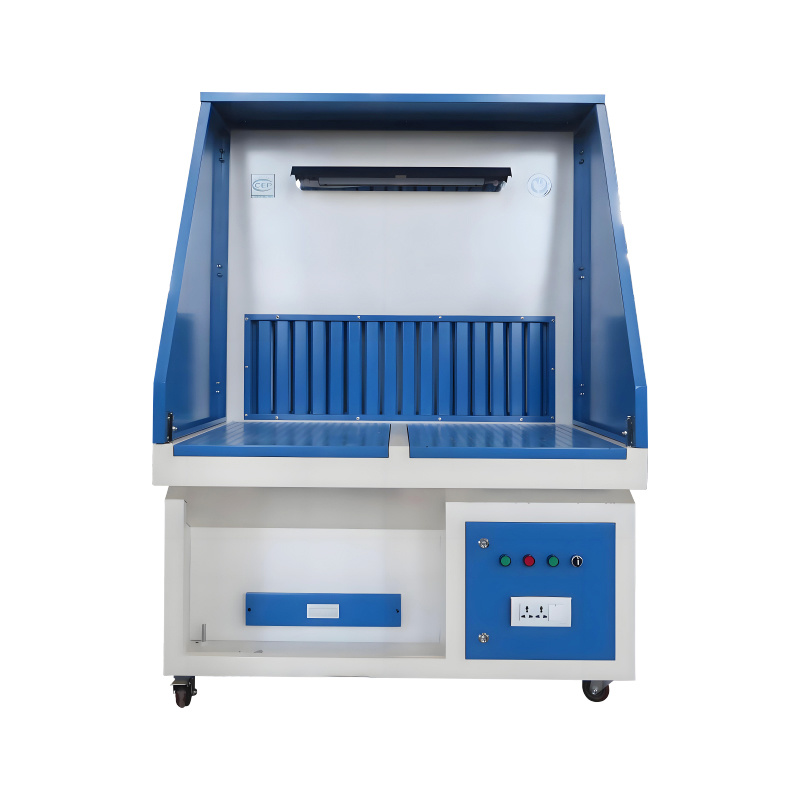
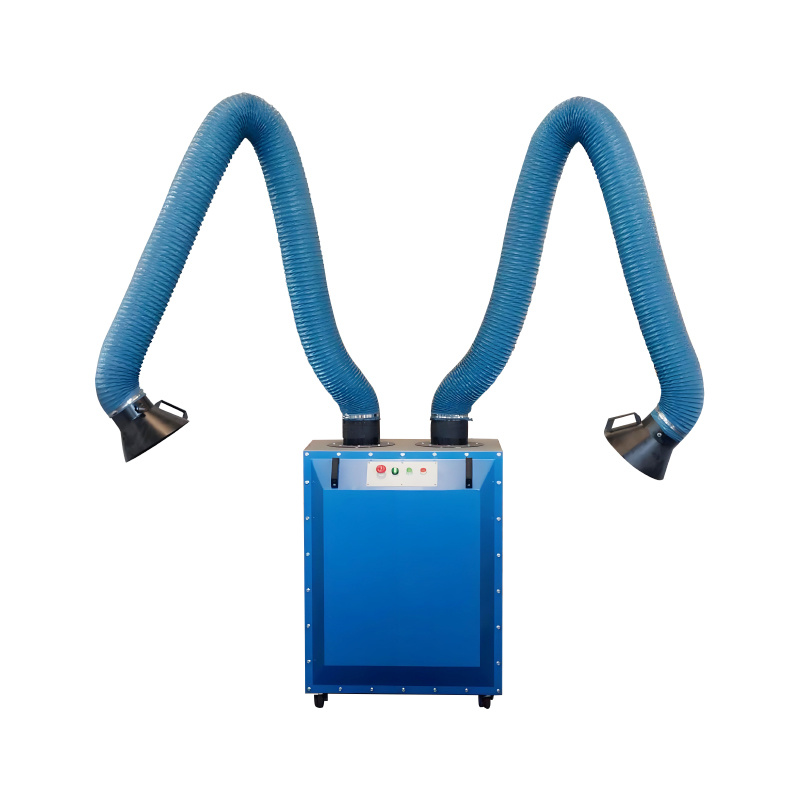
The core goal of dust control in flour mills is "zero explosion risk+clean production environment". By selecting explosion-proof dust removal equipment, optimizing dust collection system design, and implementing full process safety prevention and control, we can not only ensure production safety, but also improve product quality, help overseas flour enterprises meet international food safety and industrial safety standards, and establish a responsible corporate image in the global market competition.
Hot Tags:
PREVIOUS:


Contact Us
Tel:
WeChat:
WhatsApp:
E-mail:
Address:
338 National Road South, Longfengdian Village, Botou City, Hebei Province, China
JiuznTomine is expertly delivering technically complicated projects in markets & provides custom solutions for their customized need.


CONTACT INFO
Tel: +86 18531710311
WeChat: +86-18531710311
338 National Road South, Longfengdian Village, Botou City, Hebei Province, China