

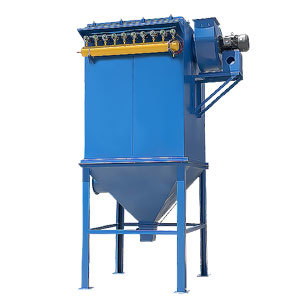
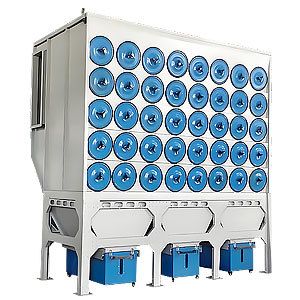
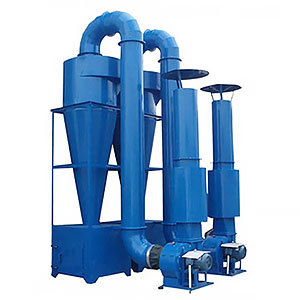

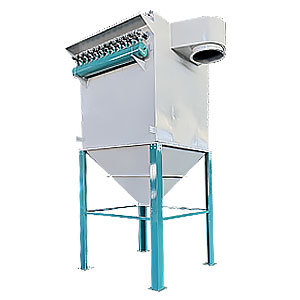
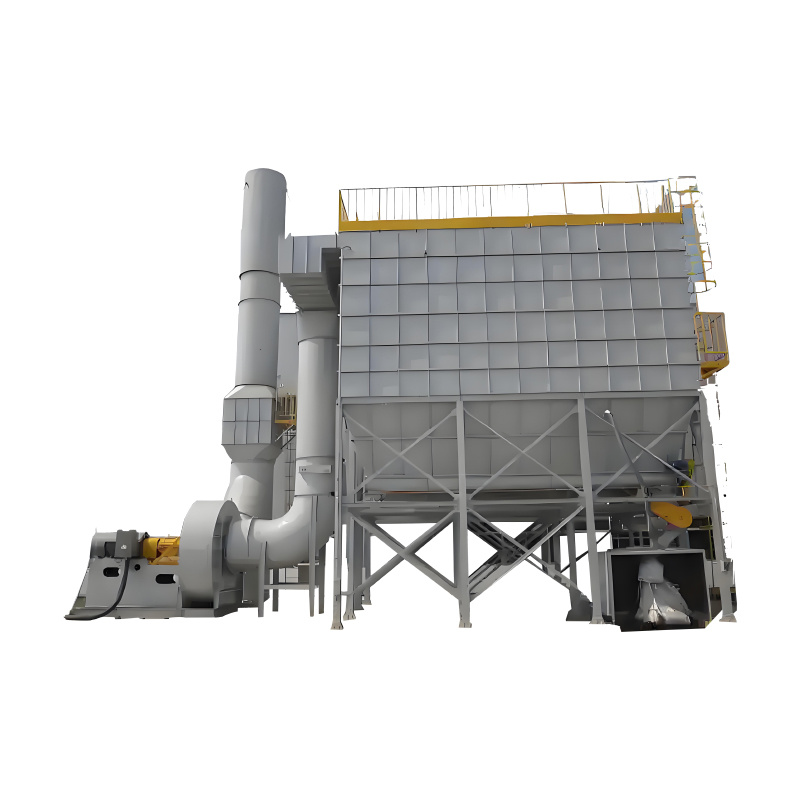
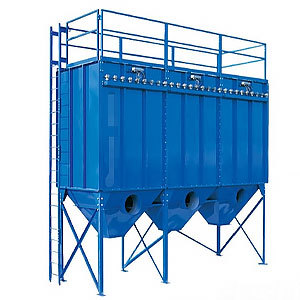
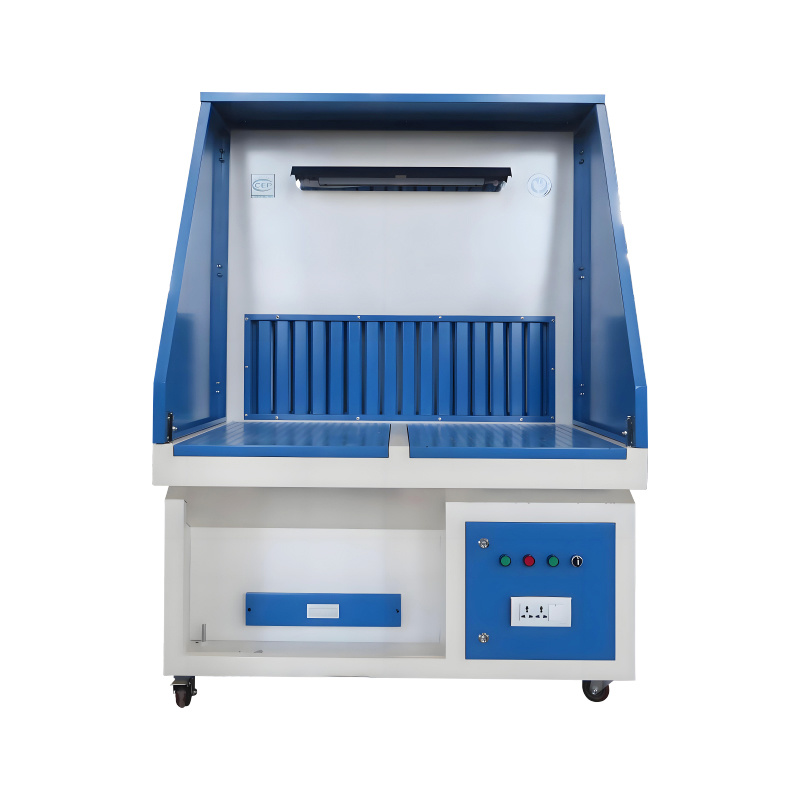
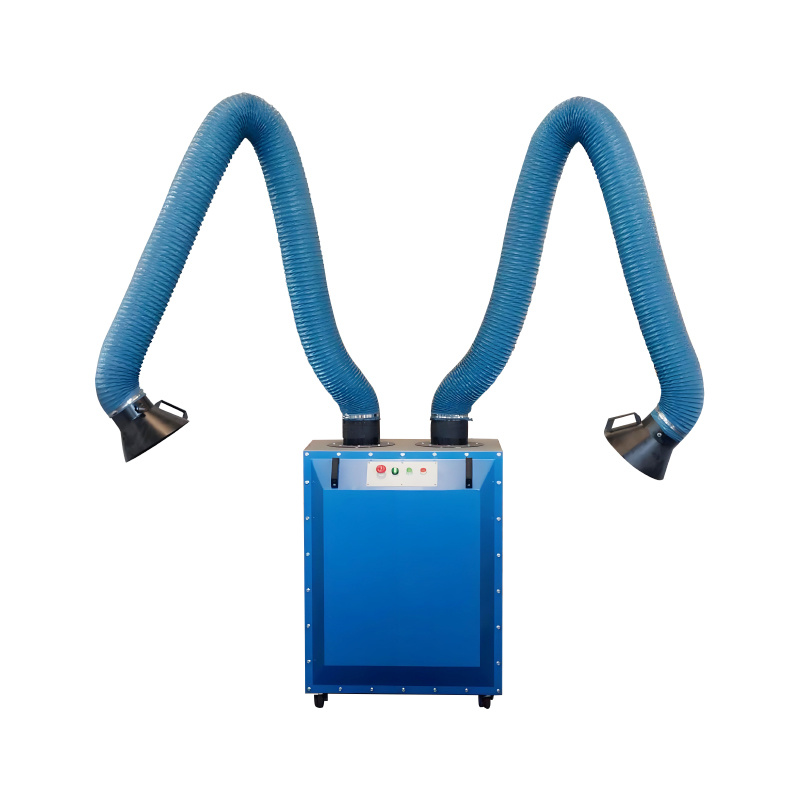









The manufacturing process of bag filter: from design to precision manufacturing of finished products
Jul 08,2025
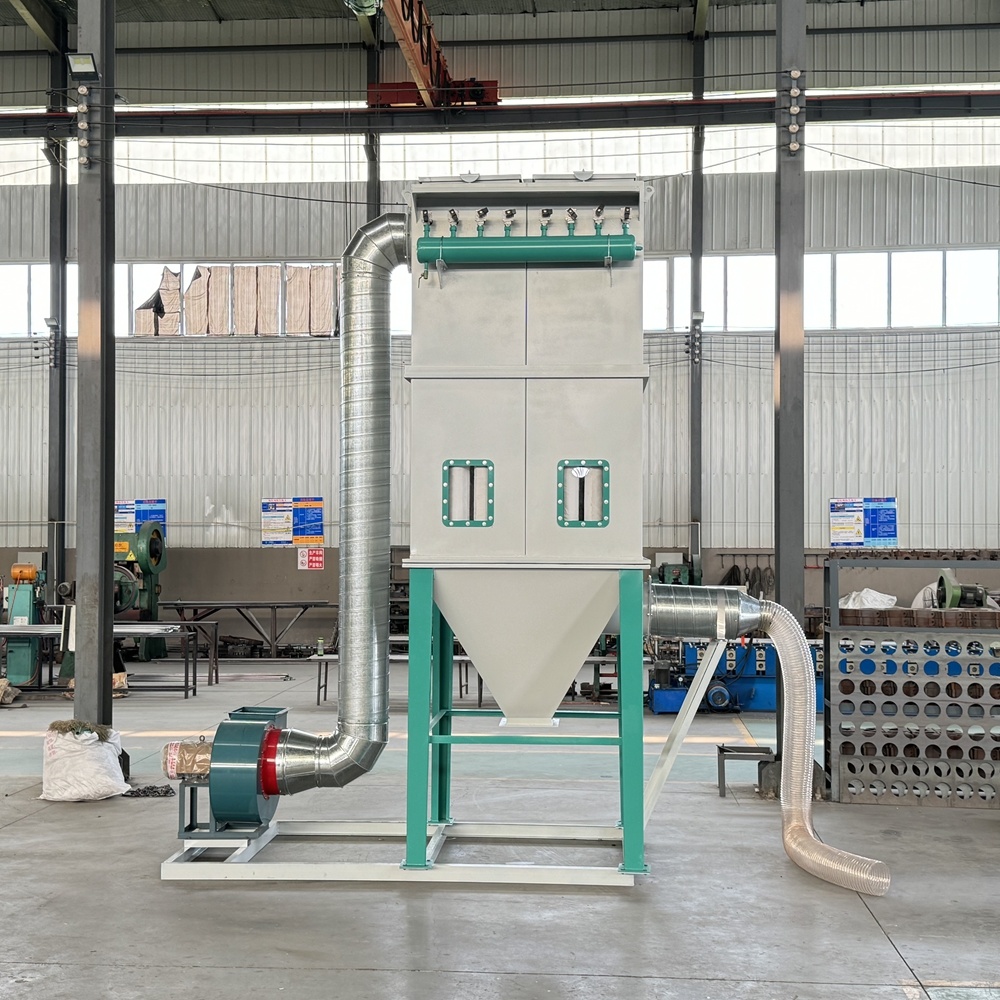
As a core equipment in the field of industrial dust removal, the performance and quality of bag filters directly affect the effectiveness of dust control. From raw material selection to finished product assembly, every process requires strict control of precision and standards.
1、 Preliminary design and parameter confirmation
The production of bag filters begins with precise demand analysis and scheme design, which is the foundation for ensuring that the equipment is suitable for working conditions:
1. Collection of working condition parameters: Based on the core parameters provided by the customer, such as dust properties (particle size, concentration, humidity, corrosiveness, etc.), processing air volume, flue gas temperature, environmental emission standards, etc., determine the specifications and models of the dust collector (such as single machine, compartment, central), the number of filter bags, filtration area, and cleaning method (pulse blowing, mechanical vibration, etc.).
2. Structural design and simulation: Use CAD, SolidWorks and other software for 3D modeling to design key components such as shell structure, filter bag layout, dust cleaning system, and inlet and outlet air ducts. Simulate airflow distribution through fluid dynamics (CFD) to ensure uniform airflow inside the equipment and avoid local dust accumulation.
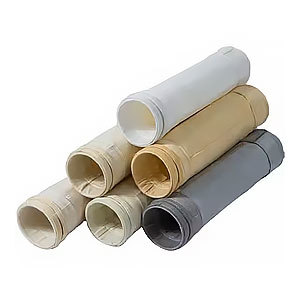
3. Material selection matching: Select the shell material (such as Q235 carbon steel, 304 stainless steel, fiberglass), filter bag material (such as polyester needle punched felt, PTFE coated filter bag, aramid filter bag), and cleaning component material (such as aluminum alloy pulse valve, stainless steel spray pipe) according to the working condition characteristics to ensure that the material meets the standards for temperature resistance, corrosion resistance, and wear resistance.
2、 Core component processing and manufacturing
The performance of bag filter depends on the precision machining of each core component, mainly including the following steps:
1. Shell and frame fabrication
-Plate cutting and forming: According to the design drawings, laser cutting or plasma cutting technology is used to accurately cut the steel plate, with an error controlled within ± 1mm. For curved or irregular shells, they are formed by cold bending with a plate rolling machine to ensure uniform curvature and reduce welding stress.
-Welding and polishing: Shell splicing is carried out using processes such as submerged arc welding and argon arc welding. The welding area needs to undergo non-destructive testing (such as UT ultrasonic testing) to ensure the absence of defects such as pores and cracks. After welding, polish and polish the weld seam to remove burrs and improve the sealing and aesthetics of the shell.
-Anti corrosion treatment: For corrosive working conditions, the shell needs to undergo anti-corrosion treatment, such as sandblasting to remove rust (reaching Sa2.5 standard) and then spraying epoxy resin coating, or using hot-dip galvanizing process to improve the corrosion resistance life of the equipment.
2. Production of filter bags and cages
-Filter bag sewing: Special sewing equipment is used for filter bags according to different materials. For example, polyester filter bags are sewn with double line edge wrapping, with a stitch density of ≥ 12 stitches/inch, to ensure the sealing and tensile strength of the filter bag. PTFE filter bags require heat sealing technology to prevent needle hole leakage. The size error of the filter bag is controlled within ± 2mm to ensure a perfect match with the filter cage.
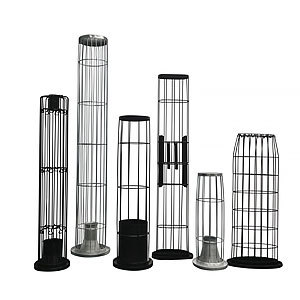
-Welding of filter cage: The filter cage is made of high-strength steel wire (diameter 3-4mm) and welded into shape by an automatic welding machine. The spacing between the longitudinal and circumferential bars is uniform, and the welding points are firm and free of burrs. After welding, galvanization treatment is carried out to improve rust prevention ability and ensure that the filter cage is supported in the filter bag for a long time without deformation.
3. Assembly of dust cleaning system
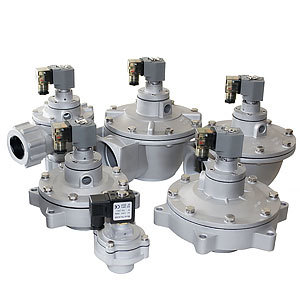
-Pulse valve and spray pipe processing: The pulse valve uses high-precision solenoid valves with a response time of ≤ 0.1 seconds to ensure stable spray force. The spray pipe is made of seamless steel pipe cutting and processing, and the spacing between the spray holes is accurately positioned according to the arrangement of the filter bag. The aperture error is ≤ 0.5mm, ensuring that the cleaning airflow evenly covers the surface of the filter bag.
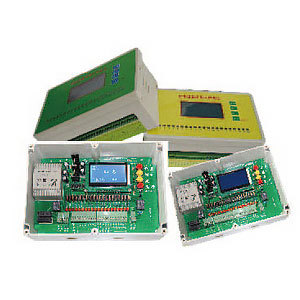
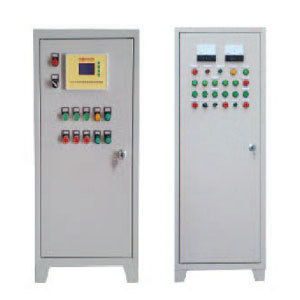
-Control system integration: Assemble components such as PLC control cabinet, differential pressure transmitter, solenoid valve, etc., write control programs to achieve timed dust cleaning, constant pressure dust cleaning and other functions, and reserve remote monitoring interfaces to meet the requirements of intelligent operation and maintenance.
3、 Final assembly and debugging
After the processing of each component is completed, it enters the final assembly and debugging stage to ensure that the overall performance of the equipment meets the standards:
1. Component assembly: Install the shell, filter bag, filter cage, dust cleaning system, fan and other components in sequence according to the assembly drawing. When installing the filter bag, it is necessary to check the sealing to ensure that there are no wrinkles or damage; After connecting the dust cleaning system, test the coordination of the pulse valve action to avoid missed or erroneous spraying.
2. Airtightness test: Close the inlet and outlet of the equipment, introduce compressed air to 0.5MPa, maintain for 30 minutes, with a pressure drop rate of ≤ 2%, and ensure that there is no leakage at the connection between the shell and the pipeline.
3. Performance debugging: Simulate actual working conditions for load testing, test equipment processing air volume, filtration efficiency, dust cleaning effect and other parameters. For example, by using a dust sampler to detect the dust concentration at the air outlet, ensure that the filtration efficiency is ≥ 99.9%; Monitor the resistance of the equipment through a differential pressure gauge and adjust the cleaning parameters to the optimal state.
4. Safety and compliance testing: Conduct safety testing such as grounding resistance testing and insulation resistance testing on equipment to ensure compliance with international standards such as CE and ISO, laying the foundation for exports.
4、 Packaging and factory delivery
After the finished product is debugged and qualified, standardized packaging and factory acceptance shall be carried out:
-Separate packaging of vulnerable components such as filter bags and solenoid valves to avoid damage during transportation;
-The main body of the equipment is wrapped in rainproof canvas and secured with wooden pallets to ensure stability during long-distance transportation;
-The equipment comes with installation instructions, certificates of conformity, material certificates, and other documents to facilitate customer installation and acceptance.
The manufacturing process of bag filter embodies the core principles of "precision design, exquisite craftsmanship, and precise debugging". From parameter matching in the early stage to performance testing in the later stage, each step revolves around the goal of "efficient filtration, stable operation, and safe compliance", ensuring that the equipment can adapt to the dust control needs of different industries and provide reliable environmental solutions for global industrial enterprises.
Hot Tags:
PREVIOUS:


Contact Us
Tel:
WeChat:
WhatsApp:
E-mail:
Address:
338 National Road South, Longfengdian Village, Botou City, Hebei Province, China
JiuznTomine is expertly delivering technically complicated projects in markets & provides custom solutions for their customized need.


CONTACT INFO
Tel: +86 18531710311
WeChat: +86-18531710311
338 National Road South, Longfengdian Village, Botou City, Hebei Province, China