


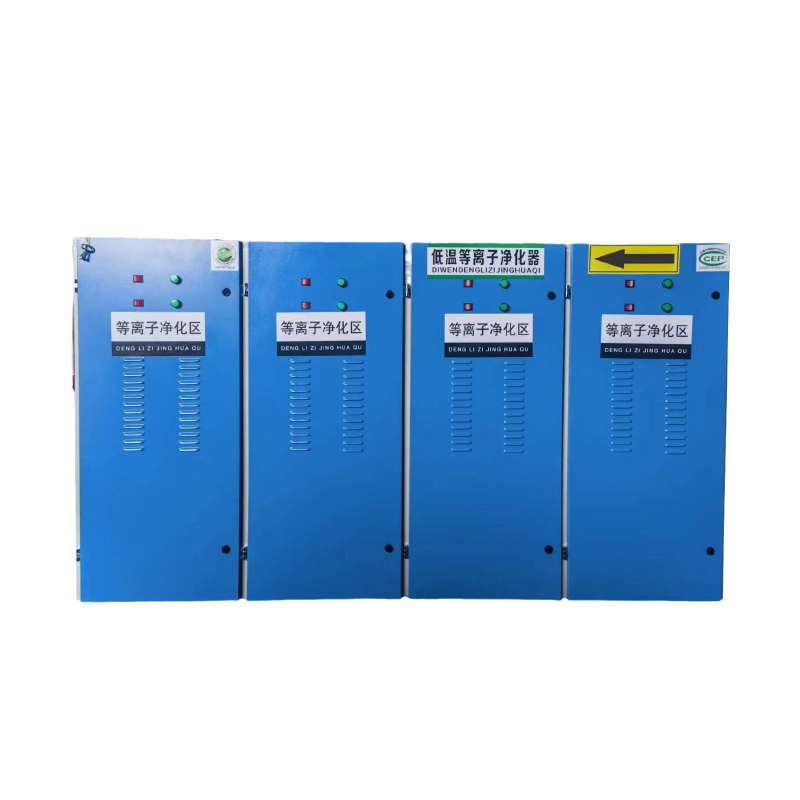










Chemical raw material dust removal equipment: a safe purification solution for complex working conditions
Jul 08,2025

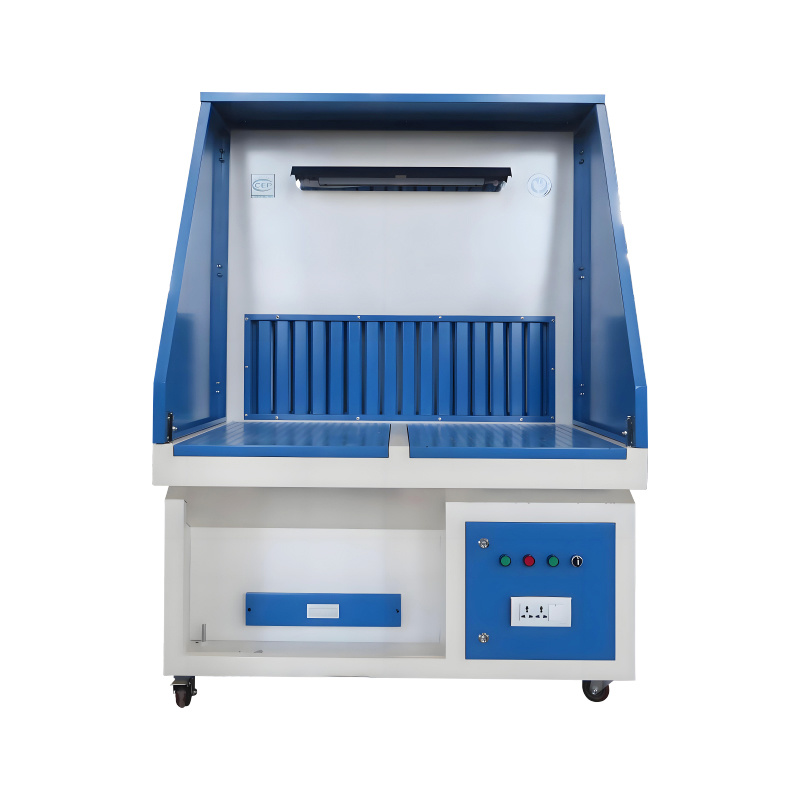
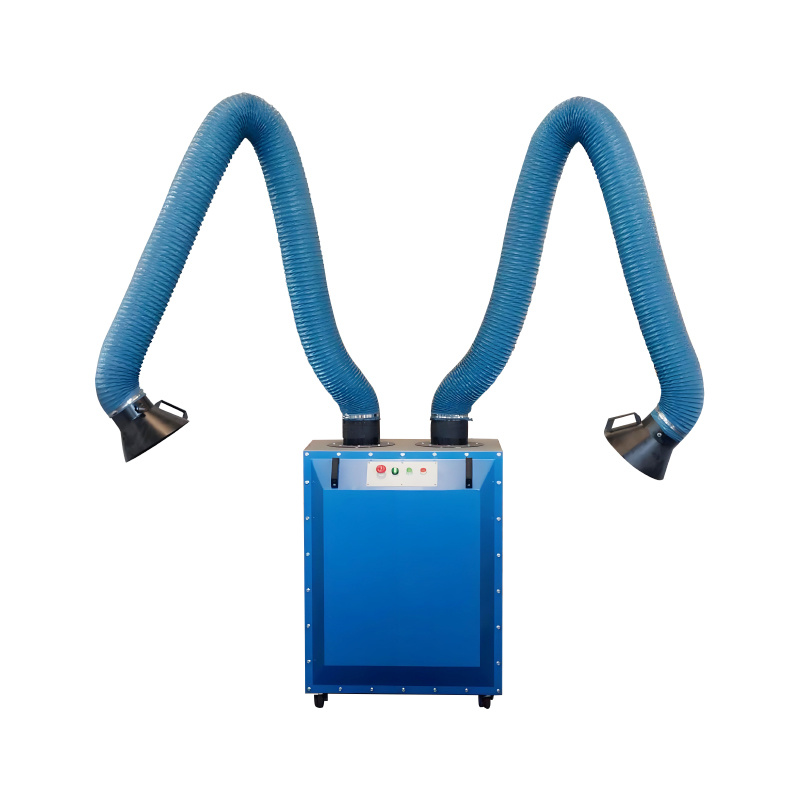
In the production chain of the chemical industry, the handling, mixing, grinding, and reaction of chemical raw materials generate a large amount of dust. These dust particles not only contain chemicals, but may also be corrosive, toxic, and even flammable and explosive, posing a serious threat to the health of operators, the lifespan of production equipment, and the surrounding environment. Therefore, choosing suitable chemical raw material dust removal equipment is the core link for chemical enterprises to achieve safe and environmentally friendly production.
Characteristics and treatment difficulties of chemical raw material dust
The complexity of chemical raw material dust far exceeds that of ordinary industrial dust, and its characteristics are mainly reflected in three aspects: firstly, the composition is diverse and dangerous, which may contain substances such as acids, bases, salts, organic solvents, heavy metals, etc. Some dust has strong corrosiveness and long-term contact can corrode equipment; Some dust is toxic and can damage human organs when inhaled; Secondly, there is a high risk of flammability and explosiveness, such as chemical raw material dust such as sulfur powder and coal powder. When they reach a certain concentration in the air and come into contact with a fire source, they are highly likely to cause explosions; Thirdly, the physical form is variable, and some dust has hygroscopicity, which makes it easy to clump and block equipment in high humidity environments; Part of the dust is sticky and easily adheres to the surface of the filter material, increasing the difficulty of cleaning. These characteristics require targeted equipment design and operational strategies for chemical raw material dust removal.
Types and technological advantages of suitable dust removal equipment
1. Corrosion resistant bag filter
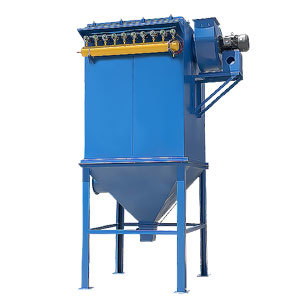
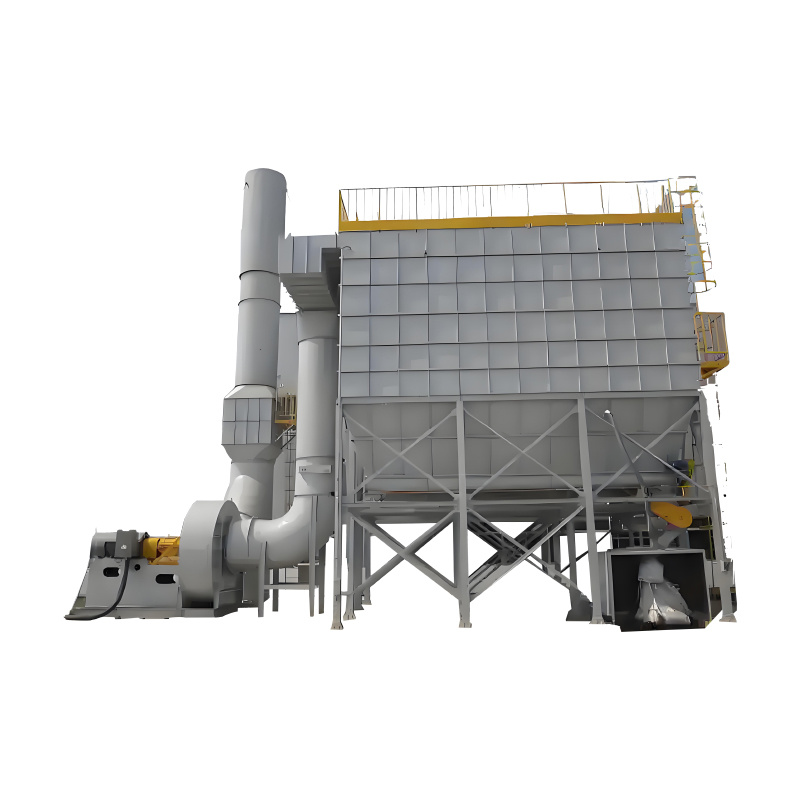
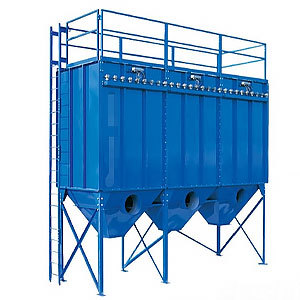
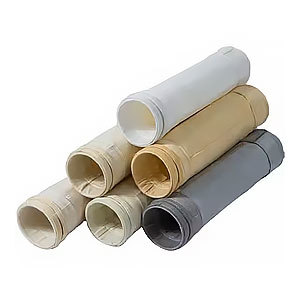
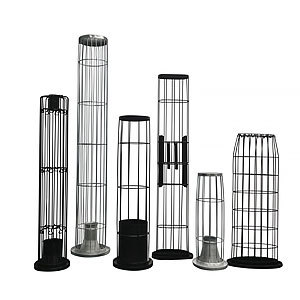
Bag filter, with its high-precision filtering ability, has become one of the mainstream equipment for processing chemical raw material dust. For corrosive dust, it is necessary to use filter bags made of corrosion-resistant materials, such as PTFE (polytetrafluoroethylene) filter bags, which have extremely strong chemical stability and can withstand the erosion of corrosive substances such as strong acids and alkalis. They also have excellent high temperature resistance and are suitable for high-temperature dust conditions in chemical reactions. At the same time, the dust collector housing is made of corrosion-resistant materials such as fiberglass and 316L stainless steel, and the pipeline connections are sealed and treated with anti-corrosion measures to prevent dust leakage and equipment corrosion. For example, in pesticide production, when dealing with corrosive dust containing phosphorus and sulfur, PTFE filter bag bag dust collectors can achieve a filtration efficiency of over 99.9% and extend the equipment's service life by 3-5 years.
2. Explosion proof pulse filter cartridge dust collector
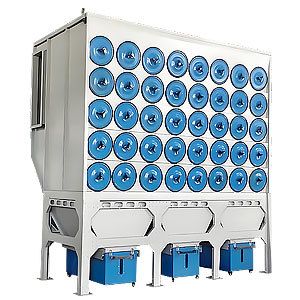
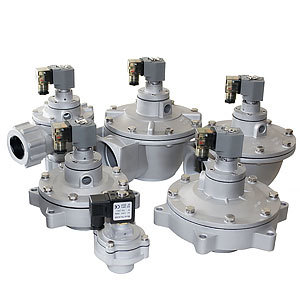
For flammable and explosive chemical raw material dust (such as resin powder, metal powder), explosion-proof pulse filter cartridge dust collector is a safer choice. Its core advantage lies in the combination of explosion-proof design and efficient dust cleaning: the filter cartridge uses anti-static materials to reduce static electricity generated by dust and filter material friction; The equipment is equipped with explosion-proof valves and devices, which can quickly release pressure in case of dust explosion, avoiding equipment damage and secondary disasters; The pulse cleaning system adopts explosion-proof solenoid valves to ensure stable operation in hazardous environments. In the paint production workshop, when processing powder raw materials containing solvents, this equipment can effectively control the dust concentration below the lower explosive limit. At the same time, through the large filtration area of the pleated filter cartridge, sufficient air volume is ensured to meet the ventilation needs of the workshop.
3. Wet dust collector: to deal with special chemical dust
Wet dust collectors exhibit unique advantages when dealing with chemical dust with high concentration, high humidity, or containing soluble toxic substances. It can not only capture dust particles through the contact between spray liquid and dust, but also neutralize some toxic substances through chemical reactions (such as absorbing acidic dust with alkaline solution). For example, when dealing with chemical raw material dust containing chlorine and fluorine, wet dust collectors can use lime water spray to convert harmful gases into harmless salt substances, avoiding secondary pollution. However, it should be noted that wet dust collectors need to be equipped with wastewater treatment systems to prevent direct discharge of wastewater containing chemicals.
4. Combination dust removal system: a versatile solution for complex working conditions
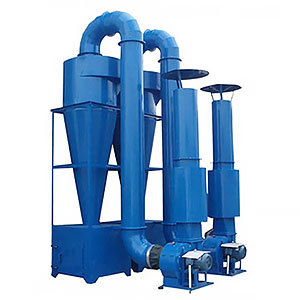
For multi-component mixed chemical raw material dust, a single device often cannot meet the purification requirements, and a combined dust removal system is needed in this case. For example, using a cyclone dust collector as a pre-treatment device to separate large particles and high concentration dust, reducing the load on subsequent equipment; Use bag filter or filter cartridge dust collector to process fine dust and ensure that the emission concentration meets the standard; Finally, residual toxic gases in the dust are removed through an activated carbon adsorption device. This grading processing mode is widely used in industries such as dye production and fine chemicals, which can not only cope with the complexity of dust, but also reduce equipment operating costs.
Selection and Operation Points of Chemical Raw Material Dust Removal Equipment
1. Accurately match dust characteristics
Before selecting, laboratory analysis is required to clarify the composition, particle size distribution, corrosiveness, explosiveness, and other parameters of the dust. For example, when dealing with fluorine-containing dust, equipment made of PTFE material is preferred; When dealing with metal dust such as aluminum powder, it is necessary to meet the explosion-proof level requirements (such as ATEX certification); When dealing with hygroscopic dust, a heating and insulation device should be equipped to prevent the filter bag from condensing and sticking to the bag.
2. Safety design runs through the entire process
The safety design of the equipment needs to cover three stages: prevention, control, and emergency. In the prevention stage, the risk of combustion and explosion is reduced through anti-static grounding and inert gas protection (such as nitrogen); During the control phase, install dust concentration monitoring instruments and temperature sensors to monitor working conditions in real-time. When exceeding the standard, an automatic alarm will be triggered and the load reduction program will be initiated; During the emergency phase, automatic fire extinguishing systems and emergency shutdown devices are equipped to minimize accident losses to the greatest extent possible.
3. Intelligent operation and compliance assurance
Chemical raw material dust removal equipment needs to be connected to the enterprise's environmental monitoring system to upload real-time data such as dust emission concentration and equipment operation status, ensuring compliance with local environmental regulations (such as EU REACH and US EPA standards). At the same time, by using intelligent systems to record parameters such as filter bag replacement cycles and dust cleaning frequencies, preventive maintenance plans can be developed to avoid production shutdowns or excessive emissions caused by equipment failures. For example, in the pharmaceutical and chemical industry, dust removal equipment that meets GMP standards needs to be regularly cleaned and verified to ensure that the residual dust level is below the safety threshold.
The selection of chemical raw material dust removal equipment is not only related to production efficiency, but also directly affects the safety compliance and social responsibility of enterprises. By accurately matching dust characteristics, strengthening safety design, and implementing intelligent operation and maintenance, chemical enterprises can effectively control the hazards of chemical dust, create a safe working environment for operators, and meet the increasingly strict environmental requirements worldwide, establishing a green production enterprise image in international market competition.
Hot Tags:
PREVIOUS:


Contact Us
Tel:
WeChat:
WhatsApp:
E-mail:
Address:
338 National Road South, Longfengdian Village, Botou City, Hebei Province, China
JiuznTomine is expertly delivering technically complicated projects in markets & provides custom solutions for their customized need.


CONTACT INFO
Tel: +86 18531710311
WeChat: +86-18531710311
338 National Road South, Longfengdian Village, Botou City, Hebei Province, China