











Industrial Dust Workshop Dust Removal Equipment Selection Guide: Precise Selection, Clean Production
Jun 21,2025

In the context of increasingly strict global industrial production, selecting appropriate dust removal equipment for industrial dust workshops is not only a necessary measure to protect employee health and ensure production safety, but also a key factor for enterprises to fulfill their environmental responsibilities and enhance international competitiveness. The following provides professional selection suggestions for industrial dust workshops from multiple dimensions.
1、 Deeply analyze the characteristics of dust and lock in the selection basis
1. Physical characteristics: Clearly define the size, shape, density, humidity, etc. of dust particles. Fine dust such as flour and electronic powder require high-precision filtration equipment; Large particle dust such as sand, gravel, and metal debris can be treated first through primary dust removal equipment.
2. Chemical characteristics: Determine whether the dust has flammability, corrosiveness, toxicity, etc. For flammable and explosive dust such as aluminum powder and magnesium powder, dust removal equipment with explosion-proof function should be selected; When dealing with acidic and alkaline corrosive dust, it is necessary to choose equipment made of corrosion-resistant materials.
3. Generation characteristics: Count the amount, concentration, and frequency of dust generation, determine the required processing air volume and filtration area for dust removal equipment, and avoid equipment overload or excessive selection causing waste.
2、 Match equipment types to meet operational requirements
Different types of dust removal equipment have their own advantages, and should be selected according to needs:
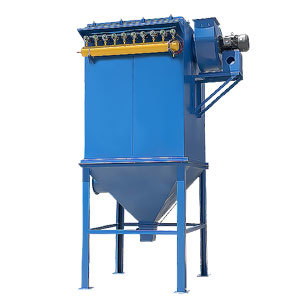
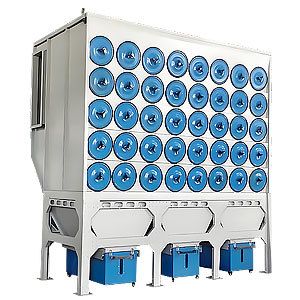
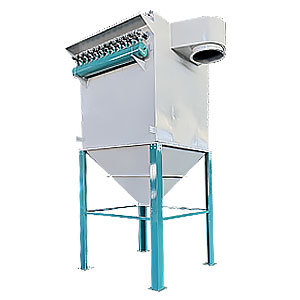
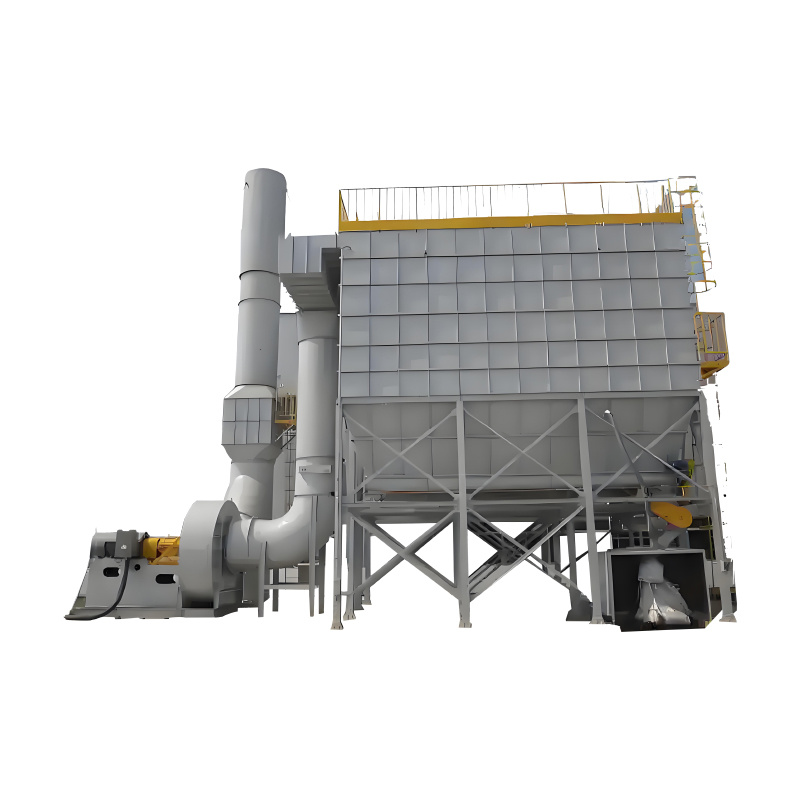
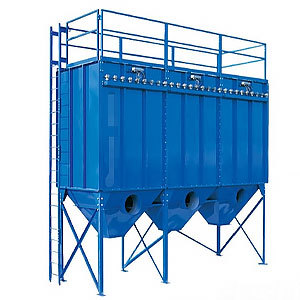
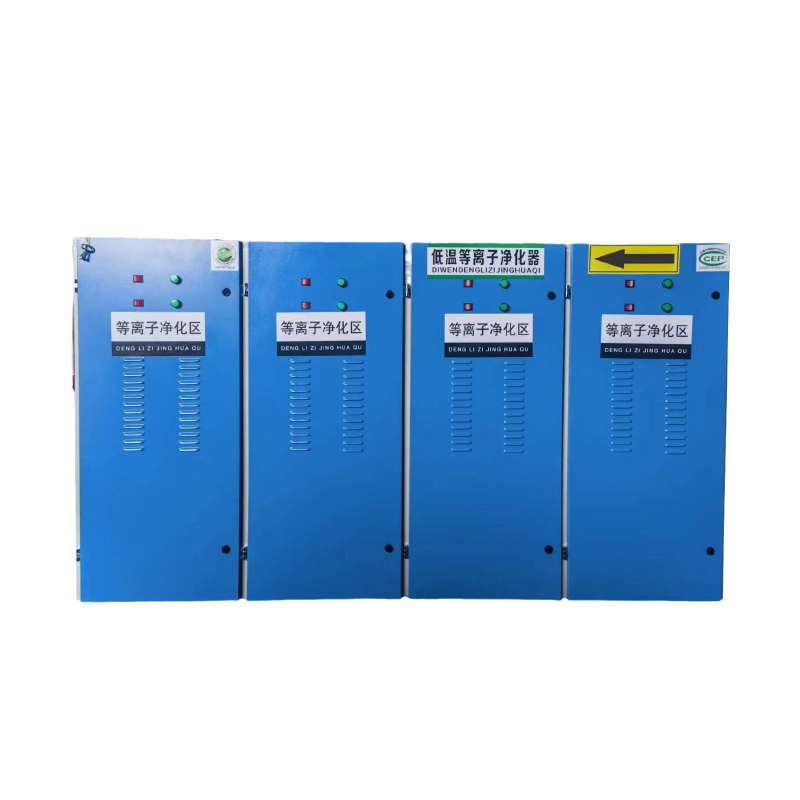
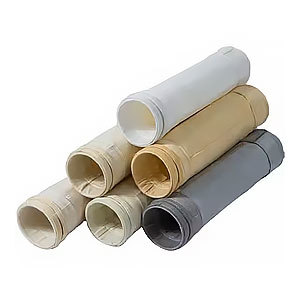
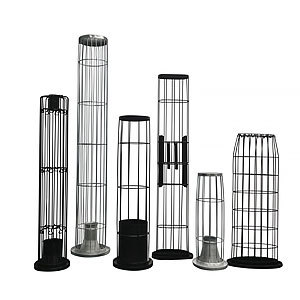
1. Bag filter: With a filtration accuracy of over 99%, it can capture fine dust and is suitable for workshops with high cleanliness requirements such as pharmaceuticals, food, electronics, as well as most conventional dust conditions.
2. Electrostatic precipitator: With high air volume and low operating energy consumption, it is commonly used in large workshops such as thermal power generation and steel smelting, and can meet the needs of high concentration and high flow dust treatment.
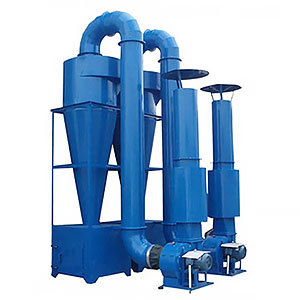
3. Cyclone dust collector: With a simple structure and low cost, it is suitable as a primary dust removal equipment. It first separates large particle dust and is often used in conjunction with other equipment to reduce subsequent processing pressure. It is suitable for mines and ceramic workshops.
4. Wet dust collector: It can effectively treat high-temperature, flammable, and explosive dust, and can also purify some harmful gases. It is widely used in metallurgy and casting workshops, but requires a supporting sewage treatment system.
3、 Focus on core parameters to ensure equipment performance
1. Air volume processing: It is necessary to match the dust production in the workshop to ensure timely processing of dusty gases. If the air volume is insufficient, it will lead to dust accumulation and efficiency decrease; Excessive air volume increases equipment costs and energy consumption.
2. Filtration efficiency: Based on local environmental standards and workshop production requirements, select equipment that meets the dust emission concentration limit to avoid penalties for non-compliance with emissions standards.
3. Resistance and energy consumption: Low resistance design can reduce fan power and save energy costs; Pay attention to the energy consumption level of the equipment, prioritize energy-saving products, and reduce long-term operating expenses.
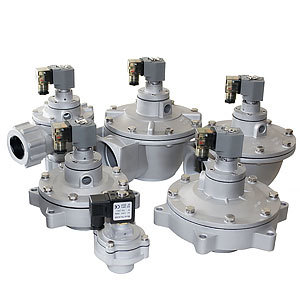
4. Cleaning methods: Common cleaning methods such as pulse blowing and mechanical vibration should be selected according to the characteristics of the dust. If sticky dust is not suitable for mechanical vibration, pulse blowing is more efficient for dust cleaning.
4、 Considering the strength of suppliers to ensure worry free after-sales service
1. Qualification certification: Select suppliers that have passed international certifications (such as CE, ISO) to ensure that equipment quality and safety meet international standards.
2. Industry experience: Priority should be given to suppliers with rich cases and mature solutions in the field of industrial dust treatment, and similar workshop projects they have served in the past can be referred to.
3. After sales service: High quality after-sales service includes equipment installation and debugging, operation training, regular maintenance, rapid response and repair, etc., which can reduce equipment downtime and ensure workshop production continuity.
Choosing appropriate dust removal equipment for industrial dust workshops requires consideration of dust characteristics, equipment types, parameters, and supplier services. Accurate selection not only creates a safe and clean production environment, but also helps enterprises achieve green and sustainable development, and gain an advantage in global market competition.
Hot Tags:


Contact Us
Tel:
WeChat:
WhatsApp:
E-mail:
Address:
338 National Road South, Longfengdian Village, Botou City, Hebei Province, China
JiuznTomine is expertly delivering technically complicated projects in markets & provides custom solutions for their customized need.


CONTACT INFO
Tel: +86 18531710311
WeChat: +86-18531710311
338 National Road South, Longfengdian Village, Botou City, Hebei Province, China