











Selection Guide for Dust Removal Equipment: Recommended Equipment for Different Dust Working Conditions
Jun 06,2026

The long-term stability and compliance of industrial dust removal equipment depend on the compatibility between the equipment and the on-site dust conditions. Different types of dust have significant differences in particle size, temperature, humidity, corrosiveness, viscosity, and other properties, and there is no universal dust removal equipment. Blind selection can easily lead to problems such as excessive emissions, equipment blockage, rapid consumption of consumables, and increased operation and maintenance costs.
1、 Selection core judgment dimension
Before selecting, it is necessary to clarify the five core operating parameters, which are the basic standards for equipment matching and adapt to the needs of industrial dust removal projects in various regions around the world:
1. Dust particle size: coarse particle dust, fine particle matter, ultrafine dust (PM2.5 and below)
2. Smoke state: normal temperature, high temperature, high humidity, oil and gas, acidic and alkaline corrosive media
3. Dust characteristics: dry, viscous, hygroscopic, flammable, explosive, abrasion resistant
4. Handling air volume: small air volume workshop locations, medium air volume production lines, and large air volume kiln flue gas
5. Emission requirements: conventional compliance, ultra-low emissions, and unorganized dust control
2、 Common dust conditions and corresponding dust removal equipment adaptation
1. Normal temperature, dry, coarse to moderate dust conditions
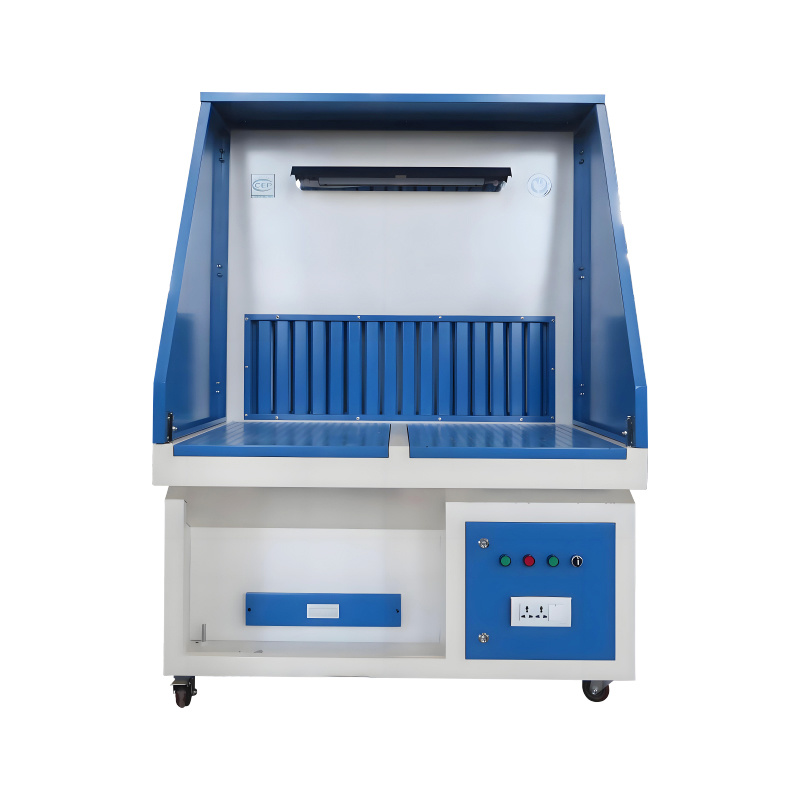
Applicable industries: Conventional dry dust production scenarios such as stone crushing, sand and stone processing, hardware polishing, grain processing, and building materials ingredients.
Working condition characteristics: Dust is dry, non corrosive, non viscous, with a large particle size span, mainly composed of medium coarse dust and containing a small amount of fine dust.
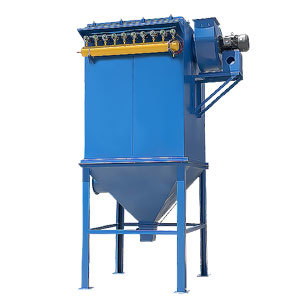
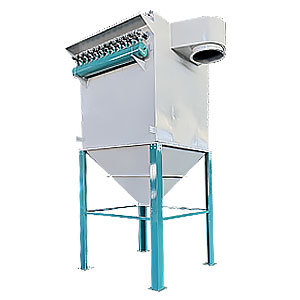
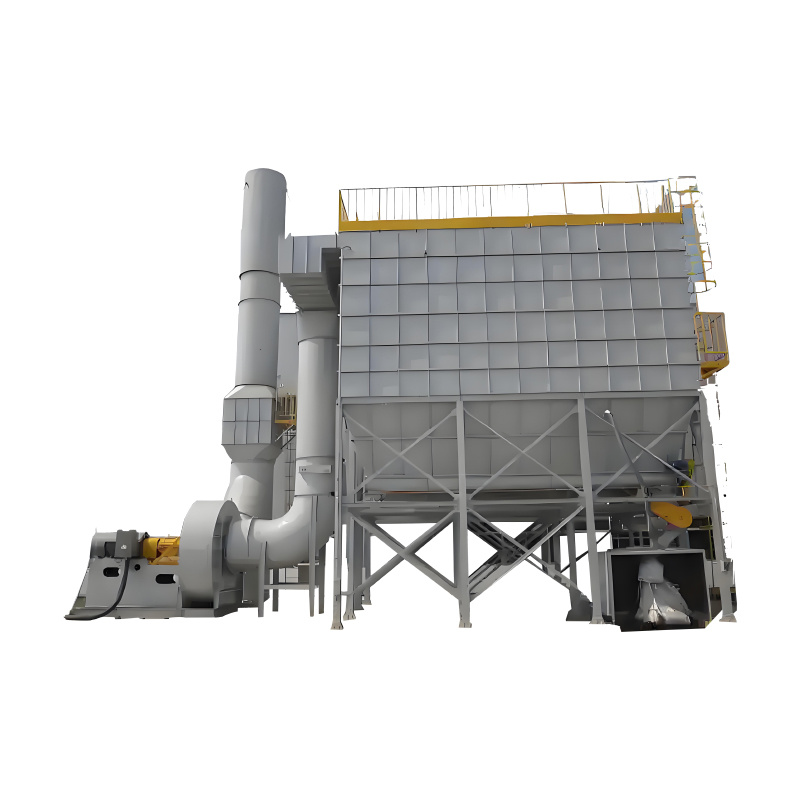
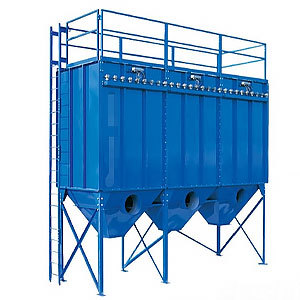
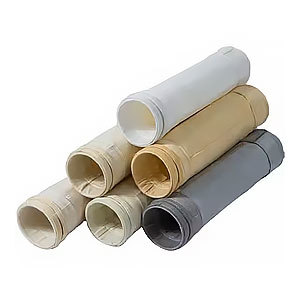
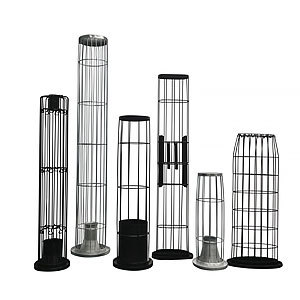
Suitable equipment: Bag filter
This device has the widest adaptability and can be adapted to conventional working conditions by replacing ordinary polyester filter media. Its dust removal efficiency is stable and can meet the majority of national conventional industrial emission standards. It has a simple operation and maintenance structure and low failure rate, making it the basic dust removal configuration for general industrial production lines.
2. Low wind volume and point type fine dust working conditions
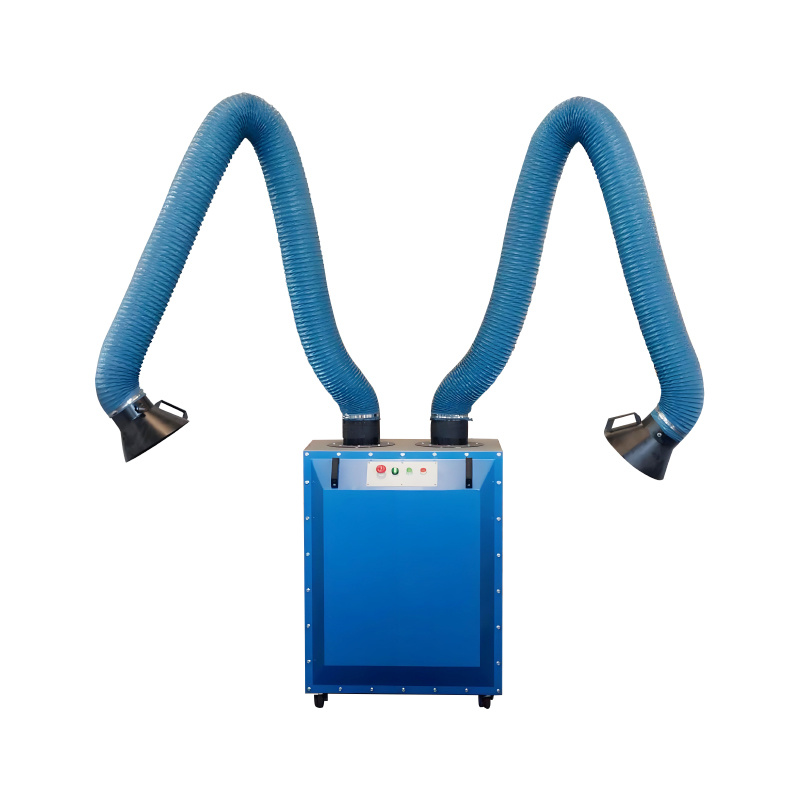
Applicable industries: workshop welding, small polishing, powder feeding, laboratory dust production, light industry injection molding and other scattered dust production points.
Working condition characteristics: scattered dust generation points, low air volume, fine dust, no high temperature and high humidity problems, high requirements for equipment occupation.
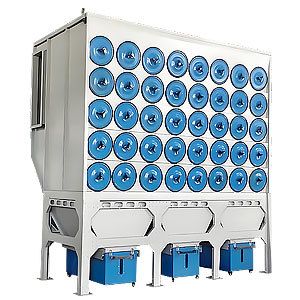
Adaptation equipment: filter cartridge dust collector
The equipment is modular, compact in size, and flexible in installation. The pleated filter cartridge has a large filtration area and good interception effect on fine dust. It does not require complex civil engineering support and is suitable for local dust removal renovation scenarios in workshops.
3. High temperature and high air volume industrial kiln dust working conditions
Applicable industries: cement kilns, metallurgical sintering, thermal power, waste incineration, ceramic firing and other large-scale thermal conditions.
Characteristics of operating conditions: high flue gas temperature, large air volume, complex dust composition, including some ultrafine smoke particles, and high requirements for continuous and stable operation.
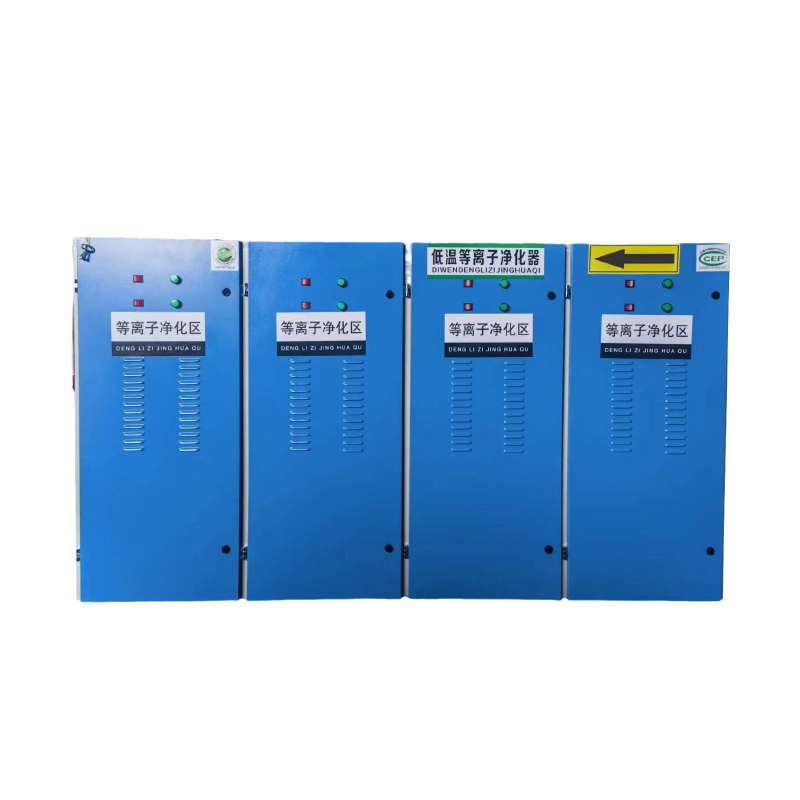
Suitable equipment: electrostatic precipitator/high-temperature bag filter
The electrostatic precipitator is suitable for high temperature flue gas with large air volume, stable energy consumption, and is suitable for large-scale heavy industry continuous dust production projects; The bag filter with high-temperature fiberglass and PTFE filter material can cope with high-temperature fine dust and meet the needs of ultra-low emission transformation. The two can be flexibly selected according to local environmental protection indicators.
4. Working conditions of acid and alkali corrosion flue gas dust
Applicable industries: chemical pickling, electroplating, pharmaceuticals, desulfurization exhaust gas, non-ferrous metal smelting.
Working condition characteristics: The flue gas contains acidic and alkaline media, ordinary carbon steel equipment is prone to corrosion and aging, and fine dust and acid mist coexist.
Suitable equipment: anti-corrosion bag filter, wet electrostatic precipitator
The equipment casing is made of stainless steel or anti-corrosion spray treatment, combined with corrosion-resistant filter material, which can adapt to corrosive working conditions for a long time, effectively remove fine dust and acidic droplets synchronously, and meet strict emission requirements.
5. Flammable and explosive dust working conditions
Applicable industries: aluminum powder, magnesium powder, sawdust, plastic powder, food starch processing and other flammable and explosive dust production scenarios.
Characteristics of working conditions: Dust concentration meets the explosion threshold, which can easily cause safety hazards when exposed to open flames and static electricity.
Suitable equipment: Explosion proof bag/filter cartridge dust collector
The equipment is equipped with explosion-proof pressure relief, anti-static filter materials, explosion-proof devices, and spark detection systems to structurally avoid the risk of dust explosions, while balancing dust removal efficiency and production safety.
6. Pre treatment conditions for large particle high concentration dust
Applicable industries: mining, aggregate crushing, material transportation and other high concentration coarse dust scenarios.
Characteristics of working conditions: The dust particles are large and high in concentration, which can easily cause rapid loss of consumables when directly entering precision dust removal equipment.
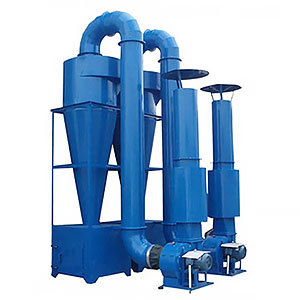
Adaptation equipment: Cyclone dust collector (pre treated)
Usually used as front-end pre-processing equipment, it separates most of the coarse dust particles, reduces the operating load of back-end bag and electrostatic precipitator equipment, and makes the entire system run more stably, significantly reducing operation and maintenance costs.
3、 General selection summary and foreign trade procurement tips
The core logic of selecting dust removal equipment is to prioritize working condition matching, followed by equipment specifications. A single device cannot adapt to all industrial scenarios. Accurate selection based on dust particle size, temperature and humidity, corrosiveness, and safety requirements is necessary to ensure long-term compliance and low consumption operation.
For cross-border procurement projects, it is necessary to comprehensively select based on the environmental emission standards, workshop installation conditions, and post maintenance capabilities of the country where the project is located. Priority should be given to adapting to local regulatory requirements to avoid post renovation and operation problems caused by generic selection.
Hot Tags:


Contact Us
Tel:
WeChat:
WhatsApp:
E-mail:
Address:
338 National Road South, Longfengdian Village, Botou City, Hebei Province, China
JiuznTomine is expertly delivering technically complicated projects in markets & provides custom solutions for their customized need.


CONTACT INFO
Tel: +86 18531710311
WeChat: +86-18531710311
338 National Road South, Longfengdian Village, Botou City, Hebei Province, China