

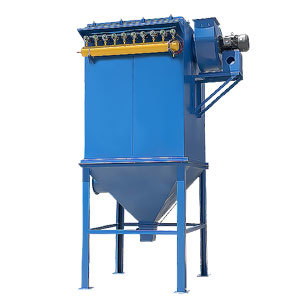
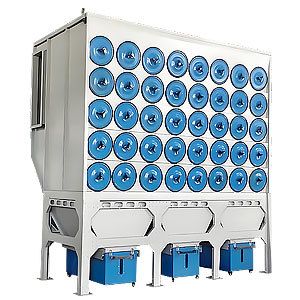
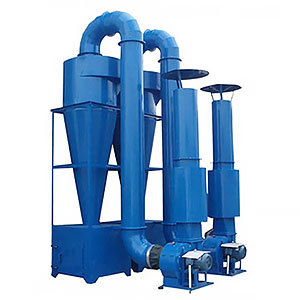

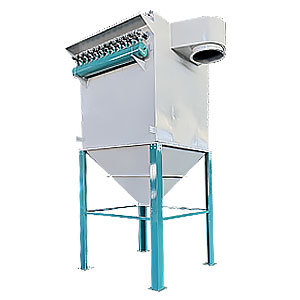









Industrial electrostatic precipitator manufacturers and equipment customization industry in 2026
Jun 05,2026
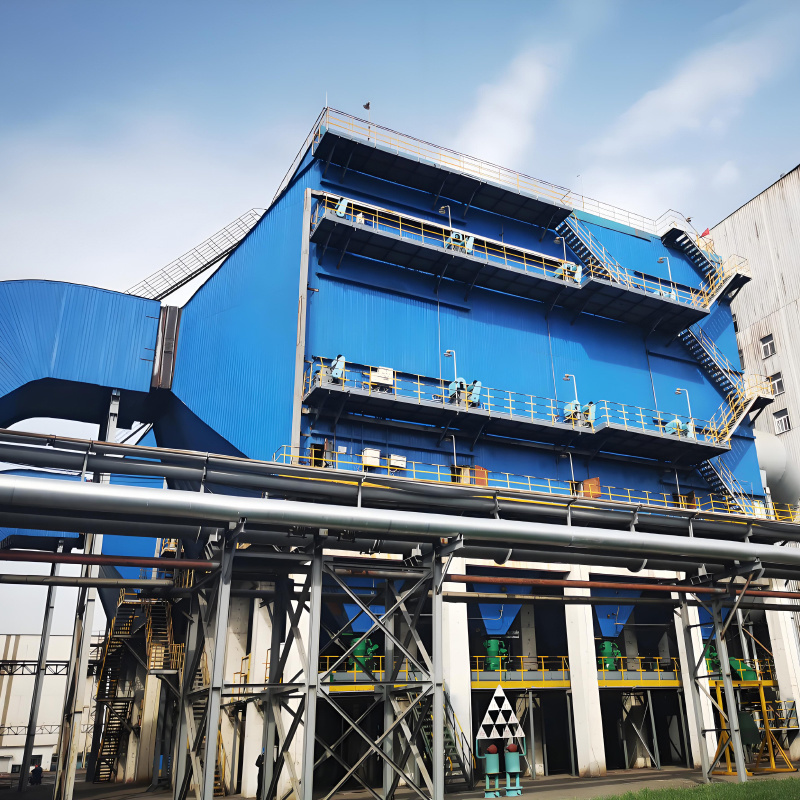
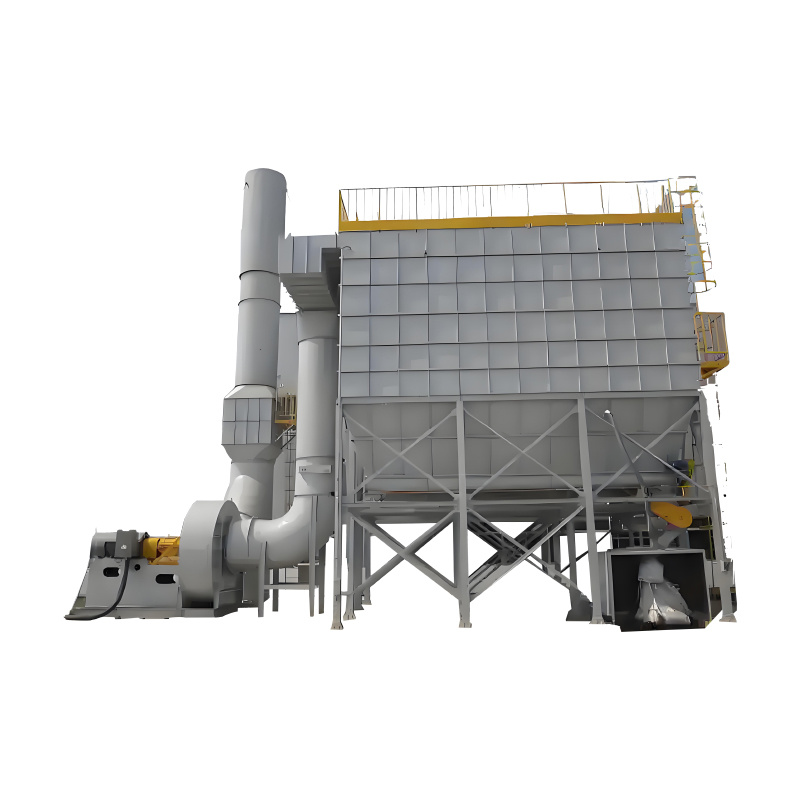
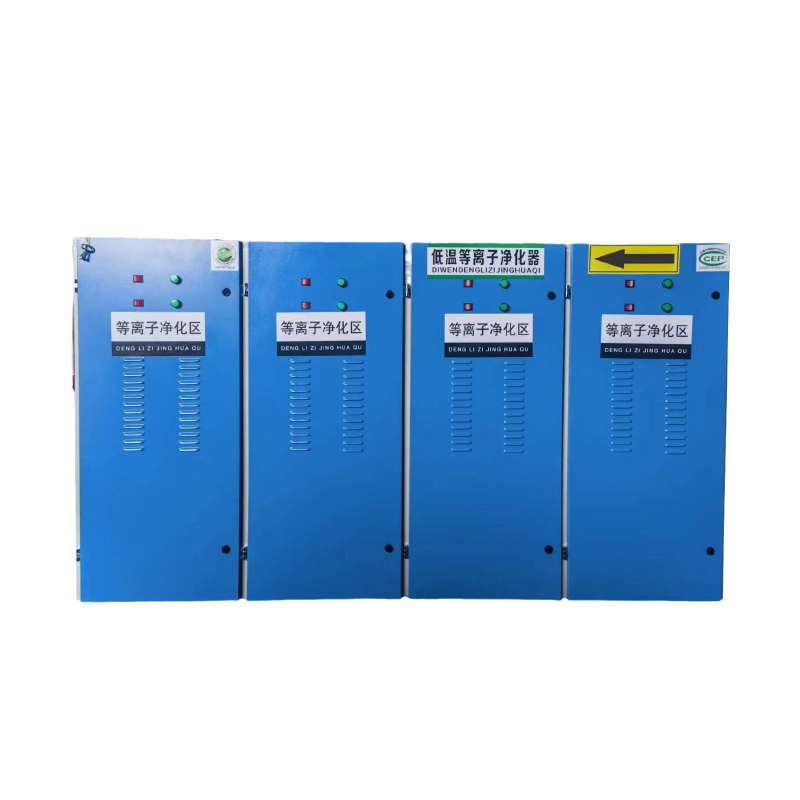
With the implementation of atmospheric emission control and dual carbon related regulations in various countries around the world, the demand for industrial flue gas treatment at home and abroad will steadily expand in 2026. As the mainstream dust removal equipment in the fields of thermal power, metallurgy, cement, chemical industry, and waste incineration, electrostatic precipitators (ESP) will continue to improve their domestic manufacturing and non calibration systems. The procurement demand at home and abroad will shift from standardized centralized procurement to customized procurement for specific working conditions.
1、 Overall characteristics of the electrostatic precipitator manufacturing industry in 2026
1. Technical iteration direction
The mainstream manufacturing end of the industry focuses on three optimization routes of energy conservation, intelligence, and corrosion prevention: high-frequency pulse high-voltage power supply gradually replaces traditional power frequency power supply, can adapt to high and low ratio resistance dust working conditions, and the overall energy consumption of the machine is reduced by 15% to 30%; Most large-scale manufacturers come standard with IoT monitoring modules, which enable remote online monitoring of electric field parameters, vibration cycles, temperature and humidity, meeting the intelligent operation and maintenance needs of overseas factories; The materials of the electrode plates and barbed wires are differentiated. Carbon steel galvanizing is used for ordinary dry flue gas, while 304/316 stainless steel and 2205 duplex steel are used for acid alkali corrosion flue gas. Wet electrostatic precipitator has become a necessary category for ultra-low emission transformation, mainly used for chemical acid washing and incineration tail gas acid mist treatment.
2. Manufacturer echelon differentiation
Domestic electrostatic precipitator production enterprises can be divided into three categories: top scale chemical plants with full process self-developed, complete machine design, and complete export qualifications, which can undertake customized packages for large-scale power plants and metallurgical projects; Medium sized manufacturers focus on the production of non-standard equipment for small and medium-sized working conditions, with a focus on universal dry electrostatic precipitators; Small workshops only do OEM parts and have weak customization design capabilities. When selecting suppliers for overseas procurement in 2026, priority is generally given to verifying equipment compliance certification, customized working condition cases, and third-party dust removal efficiency testing reports.
3. Changes in global market demand
Europe, America, Southeast Asia, and the Middle East are the main export markets. Europe and America focus on ultra-low emission wet electrostatic equipment, while Southeast Asia's building materials and smelting projects mainly use economical dry electrostatic precipitators. Differences in environmental standards across regions further promote the normalization of customized procurement.
2、 Core process and key parameters for customizing industrial electrostatic precipitators
There is no universal standardized product for electrostatic precipitators, and customized design relies entirely on front-end working condition data calculation. It is also the most concerned link in 2026 foreign trade procurement, and customization is divided into four stages:
1. Working condition parameter mapping (customized basis)
Core indicators need to be confirmed: flue gas treatment air volume, operating temperature, inlet and outlet dust concentration, flue gas moisture content, corrosive medium composition, dust specific resistance (optimal applicable range $10 ^ 4 \ sim10 ^ {11} \ Omega \ cdot \ mathrm {cm} $), local exhaust emission limits, and additional explosion-proof structural design is required for flammable and explosive dust working conditions.
2. Customization of the body structure
-Electric field configuration: Under normal operating conditions, 3-5 sets of electric fields are connected in series, with the front-end electric field capturing coarse dust and the final stage electric field finely processing PM2.5 fine particles; Add pre dust removal structure for high concentration dust working conditions.
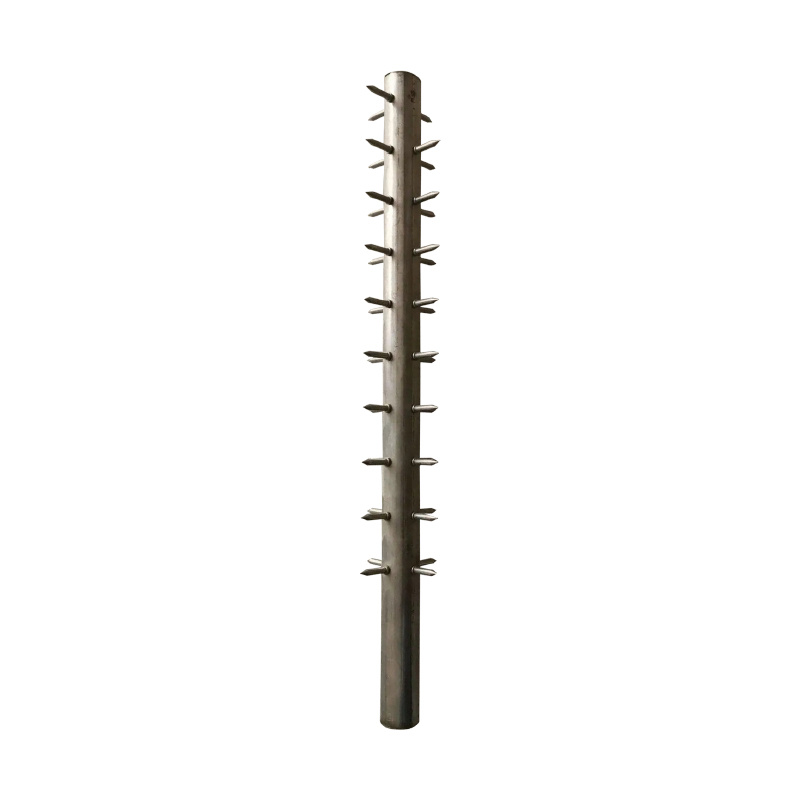
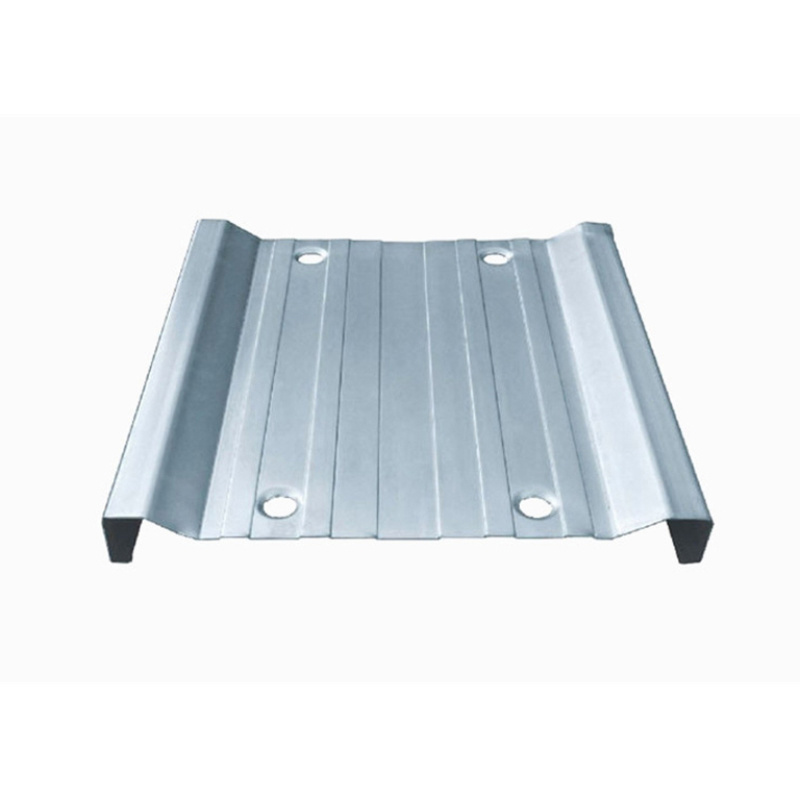
-Electrode selection: spiral barbed wire and fishbone barbed wire can be selected for corona electrodes; The dust collection plates are made of Z-type and C-type cold-rolled sheets, and are coated with anti-corrosion coating or processed with all stainless steel in humid and corrosive environments.
-Dust cleaning system: Dry type models are equipped with mechanical vibration for dust cleaning, while wet type models rely on spray water washing for descaling; Adhesive dust can be paired with a sonic assisted dust cleaning device.
-Shell and ash hopper: The inclination angle of the ash hopper is ≥ 60 °, and a heat tracing and anti condensation device is installed in humid environments. The sealing of the shell is strengthened under negative pressure conditions to control the air leakage rate.
3. Selection of electronic control system
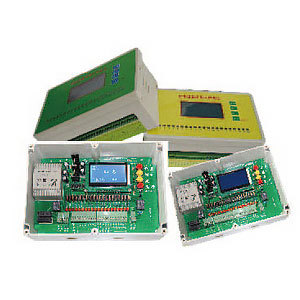
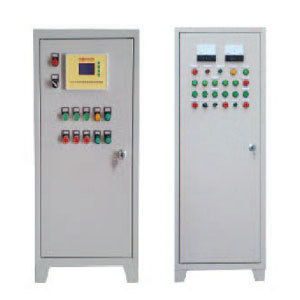
Basic configuration of power frequency high voltage power supply, and selection of three-phase pulse power supply for refined ultra-low emission projects; Foreign trade models are equipped with PLC control systems and remote data transmission ports as needed, suitable for docking with overseas factory automation central control systems.
4. Venue adaptation optimization
Adjust the length, width, and height layout of the equipment according to the customer's factory land occupation and pipeline direction. For confined spaces, a compact horizontal electrostatic precipitator can be customized. For open large-scale kiln projects, a vertical split structure is selected.
3、 Reference for customized selection in different industries
1. Thermal power and metallurgical sintering: high air volume, high-temperature flue gas, customized multi electric field dry electrostatic precipitator, some ultra-low emission units are equipped with end wet electrostatic devices, and the dust removal efficiency requirement is ≥ 99.8%.
2. Chemical, acid washing, and garbage incineration: The flue gas contains acid mist and high humidity, so priority should be given to customizing a fully stainless steel wet electrostatic precipitator, and the electrode plate should be made of corrosion-resistant duplex steel material.
3. Cement and building materials kilns: The dust specific resistance is relatively high. Optimize the pulse power supply mode, adjust the electrode spacing to avoid back corona and secondary dust flying problems.
4、 2026 Foreign Trade Customized Procurement Precautions
1. Prioritize verifying the manufacturer's design qualifications and similar export project resumes to confirm that the equipment meets the local environmental access standards of the purchasing country;
2. Lock the material list, measured dust removal efficiency, and warranty scope before signing the customized agreement to avoid parameter shrinkage;
3. Large complete sets of equipment can be verified in stages of production: drawing confirmation → component trial production → whole machine pressure testing → factory debugging, reducing the probability of ground installation failures.
Hot Tags:


Contact Us
Tel:
WeChat:
WhatsApp:
E-mail:
Address:
338 National Road South, Longfengdian Village, Botou City, Hebei Province, China
JiuznTomine is expertly delivering technically complicated projects in markets & provides custom solutions for their customized need.


CONTACT INFO
Tel: +86 18531710311
WeChat: +86-18531710311
338 National Road South, Longfengdian Village, Botou City, Hebei Province, China