











The Ultimate Guide to Industrial Dust Collector Procurement in 2026: How to Choose the Right Equipment for Your Factory?
May 21,2026

Faced with increasingly stringent environmental regulations and "ultra-low emission" standards in 2026, choosing a suitable industrial dust collector is no longer a simple equipment purchase, but a systematic project that concerns the compliance survival and long-term operating costs of enterprises. Whether dealing with high air volume production lines or dealing with flammable and explosive special dust, blindly following the trend or simply comparing prices may bring huge hidden dangers.
Step 1: Deeply diagnose your working condition DNA
Before contacting any supplier, it is necessary to conduct a comprehensive "physical examination" of one's production environment. The selection of dust collectors must be based on accurate working condition data:
1. Clarify the characteristics of dust: Is the dust dry or sticky? What is the particle size distribution? Is there a risk of corrosiveness, hygroscopicity, or flammability and explosiveness? For example, explosive dust must be equipped with anti-static filter materials and explosion venting devices, while high-temperature flue gas must be made of high-temperature resistant materials such as PPS and PTFE.
2. Master the core parameters: accurately evaluate the actual processing air volume, initial dust concentration, and temperature and humidity curves of the flue gas in the workshop. These basic data directly determine the specifications, size, and technical route of the equipment.
Step 2: Scientifically matching technological routes
There is no universal dust collector, only the most suitable process. Based on the diagnostic results of the first step, identify the mainstream technological direction:
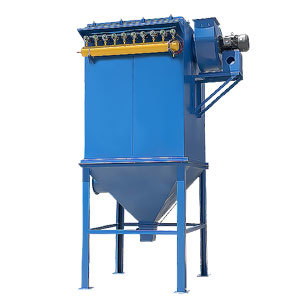
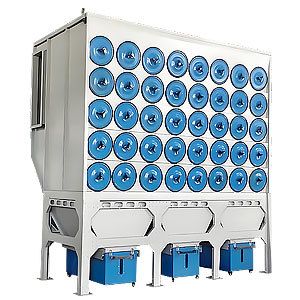
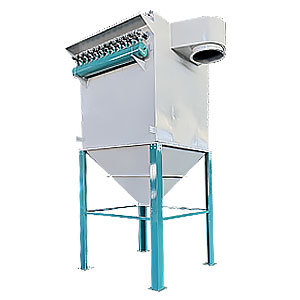
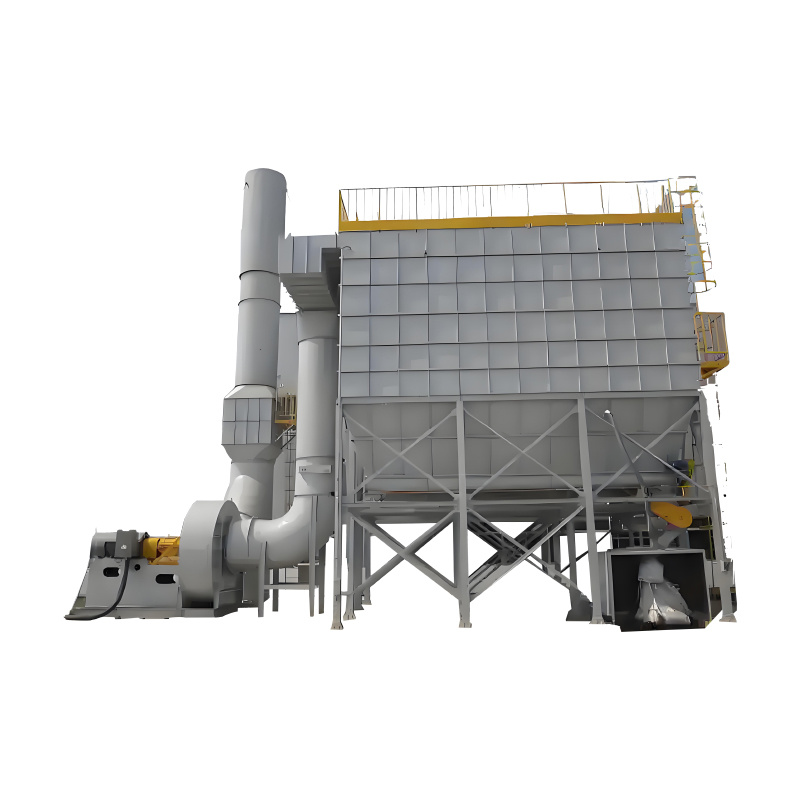
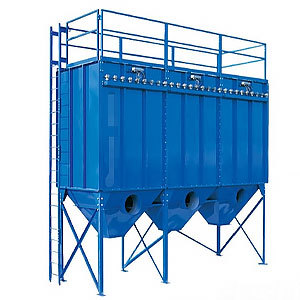
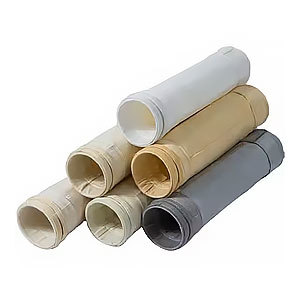
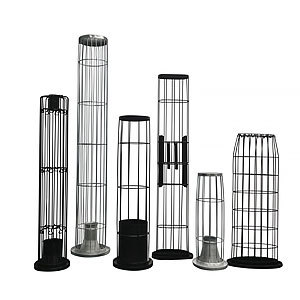
3. Conventional room temperature dust: Pulse bag filter or filter cartridge dust collector is preferred. The former is sturdy, durable, and has low maintenance costs; The latter has a large filtering area and a small footprint, making it suitable for scenes with limited space.
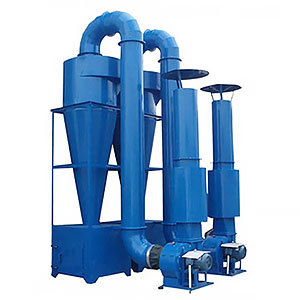
4. High concentration/coarse particle pretreatment: If the front-end dust concentration is extremely high, it is recommended to use a combination of "multi tube cyclone dust collector+precision bag dust collector". First, use cyclone equipment to intercept most of the coarse particles and protect the back-end core filter material.
5. High air volume/heavy industry scenarios: Long bag low-pressure pulse dust collectors or air box pulse dust collectors have become the energy-saving first choice in industries such as steel and cement due to their strong dust cleaning ability and low operating resistance.
6. High humidity/viscosity/fine particulate matter: When the bag is difficult to handle, the wet electrostatic precipitator, as the end of pipe finishing equipment, can easily achieve near zero emissions below 5mg/m ³.
Step 3: Calculate the full lifecycle cost account
Professional procurement decisions should not only focus on the initial equipment quotation. Low prices often mean high later costs, and you need to comprehensively evaluate the total investment throughout the entire lifecycle:
7. Operating energy consumption: Pay attention to the operating resistance parameters of the equipment. High quality design can control the resistance within a reasonable range. For every 500Pa increase in resistance, the energy consumption of the supporting fan may increase by 15% -20%.
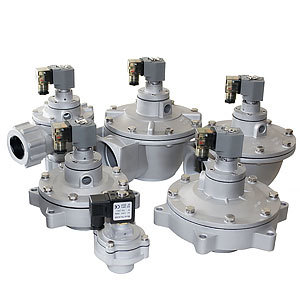
8. Consumables and Maintenance: Investigate the expected lifespan of filter bags/cartridges and the replacement cycle of vulnerable parts such as pulse valves. The production losses caused by frequent shutdown and bag replacement often far exceed the price difference of the equipment itself.
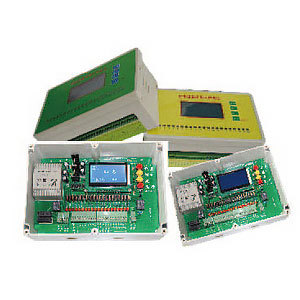
9. Intelligence level: By 2026, mainstream equipment will generally be equipped with intelligent differential pressure control systems, which can clean dust as needed and significantly reduce the consumption of compressed air and electricity.
Step 4: Strictly examine the comprehensive strength of suppliers
After selecting the technical solution, the supplier's ability to implement the project is crucial:
10. Verify non-standard design and qualifications: Excellent manufacturers have strong CAD/3D modeling design capabilities, can provide customized solutions based on your workshop layout, and hold corresponding environmental engineering professional contracting qualifications.
11. Verify real cases: Suppliers are required to provide at least 3 successful cases in the same industry and under the same working conditions. It is best to conduct on-site inspections or obtain real operational data reports to verify whether their promised emission targets are consistently met.
12. Confirm the after-sales response mechanism: clarify the warranty period, parts supply cycle, and on-site response time for sudden failures. A localized service team or a comprehensive remote operation and maintenance system is a key defense line to ensure production continuity.
Choosing the right industrial dust collector is essentially buying a 'green insurance' for the future of the enterprise. Through precise working condition diagnosis, scientific technology matching, rational cost accounting, and strict supplier screening, you can not only easily cross the red line of environmental compliance, but also create an efficient, energy-saving, and sustainable dust control system for the factory.
Hot Tags:

Contact Us
Tel:
WeChat:
WhatsApp:
E-mail:
Address:
338 National Road South, Longfengdian Village, Botou City, Hebei Province, China
JiuznTomine is expertly delivering technically complicated projects in markets & provides custom solutions for their customized need.


CONTACT INFO
Tel: +86 18531710311
WeChat: +86-18531710311
338 National Road South, Longfengdian Village, Botou City, Hebei Province, China