

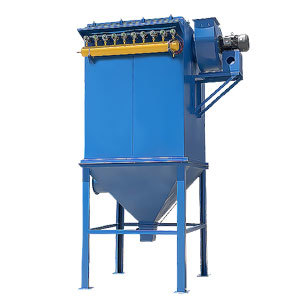
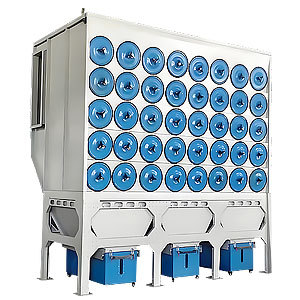
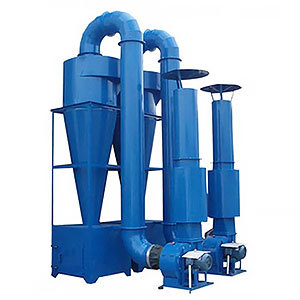

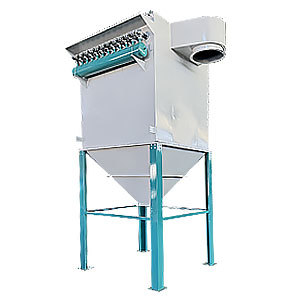









Pulse dust collector: How to extend the service life of intelligent automatic dust cleaning equipment
May 04,2026
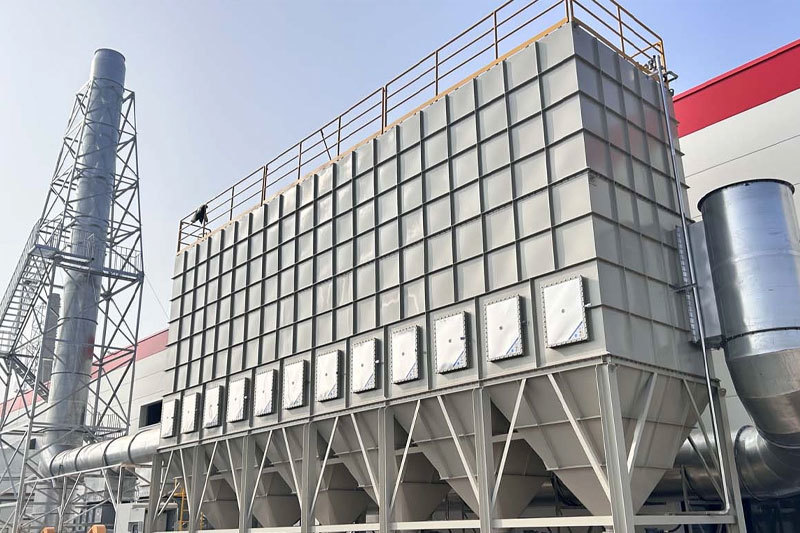
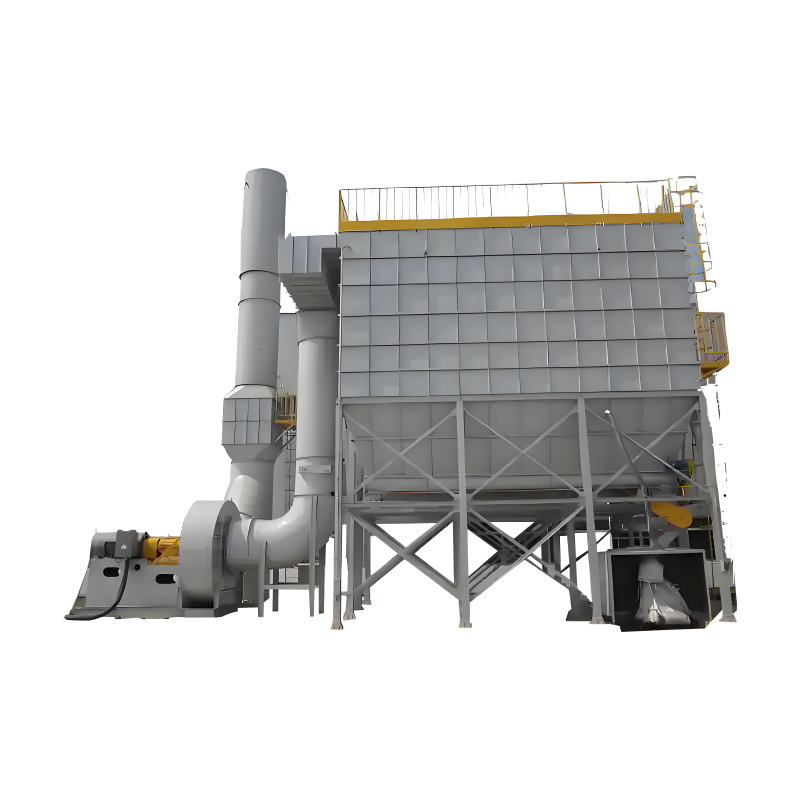
In the field of industrial dust removal, pulse bag filter is one of the most widely used equipment. However, many users often only focus on its filtering effect and overlook that the "cleaning system" is the core lifeline that determines the long-term stable operation and service life of the equipment. A scientific and intelligent automatic dust cleaning system not only maintains the efficient operation of the dust collector, but also plays a key role in extending the lifespan of core consumables such as filter bags.
The core principle of pulse dust cleaning
The essence of pulse cleaning is to use the instantaneous explosive force of compressed air to remove the accumulated dust on the surface of the filter bag. After the dust collector runs for a period of time, the dust layer on the surface of the filter bag thickens, and the equipment resistance increases accordingly. At this point, the control system will issue a command, and the electromagnetic pulse valve will open in a very short time, spraying high-pressure compressed air into the inside of the filter bag.
This high-speed airflow will induce several times the surrounding air to form a secondary airflow, causing the filter bag to instantly expand rapidly and produce high-frequency vibration. Under the dual action of reverse airflow scouring and inertial force, the dust adhering to the outer surface of the filter bag is quickly peeled off and falls into the ash hopper, thus completing a cleaning cycle.
Intelligent Control: Say Goodbye to Violence and Clear Dust
The traditional method of cleaning dust often adopts a simple "timed control", which means spraying once every fixed time. This method lacks flexibility and can easily lead to "excessive cleaning" or "insufficient cleaning". Modern advanced pulse dust collectors generally adopt more intelligent control strategies, with the core of "on-demand dust cleaning":
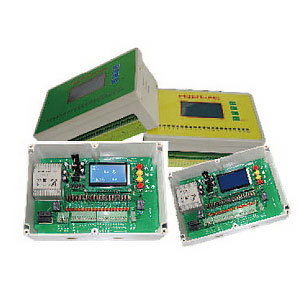
1. Differential pressure feedback control: The system monitors the resistance changes of the filter bag in real time through high-precision differential pressure sensors. The dust cleaning program will only be triggered when the resistance reaches the preset threshold. This avoids meaningless blowing when the dust load is low.
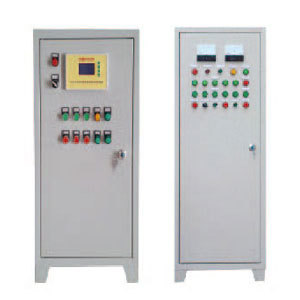
2. Dynamic parameter adjustment: The intelligent control system (such as PLC) can automatically adjust the injection pressure, pulse width, and injection interval of the pulse valve according to the working conditions. For example, automatically extending the spraying interval when the dust concentration is low, and appropriately increasing the cleaning force when the concentration suddenly increases.
How to extend the service life of equipment for automatic dust cleaning
A scientifically reasonable automatic dust cleaning mechanism has a direct positive impact on extending the service life of equipment, especially filter bags and pulse valves:
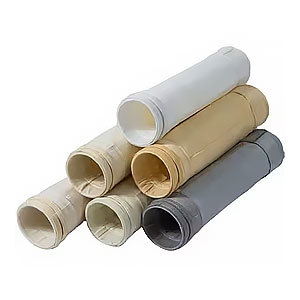
1. Reduce mechanical fatigue of filter bags: The damage of filter bags is often not caused by dust wear, but by frequent and severe expansion and contraction leading to fatigue fracture of fabric fibers. Intelligent dust cleaning avoids unnecessary "violent spraying" by precisely controlling the frequency and intensity of spraying, greatly reducing the mechanical fatigue of filter bags. Its service life can usually be extended by 30% to 50% or more.
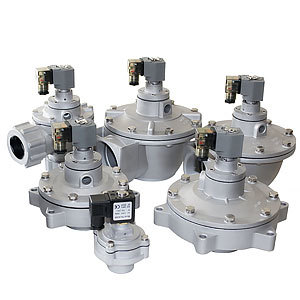
2. Reduce the loss of the pulse valve: The pulse valve is the "heart" of the dust cleaning system, and its diaphragm is a vulnerable component. Excessive and frequent cleaning of dust will accelerate the aging and damage of the membrane. The automation system significantly reduces the operating frequency of the pulse valve by optimizing the blowing frequency, thereby reducing the failure rate of core components.
3. Prevent the filter bag from "sticking" and sticking: When facing high humidity or viscous dust, the intelligent system can activate a specific dust cleaning mode to promptly remove the dust that has not yet been stuck, effectively preventing the filter bag surface from being blocked due to excessive dust accumulation (i.e. "sticking" phenomenon), and avoiding equipment paralysis caused by excessive resistance.
The efficiency of pulse dust collectors is not only determined by hardware stacking, but also by the intelligence of dust cleaning logic. By introducing an automatic dust cleaning system with differential pressure feedback and dynamic adjustment, enterprises can not only achieve more stable ultra-low emissions, but also fundamentally reduce the frequency of consumable replacement and downtime maintenance time, truly achieving a dual improvement in environmental and economic benefits.
Hot Tags:


Contact Us
Tel:
WeChat:
WhatsApp:
E-mail:
Address:
338 National Road South, Longfengdian Village, Botou City, Hebei Province, China
JiuznTomine is expertly delivering technically complicated projects in markets & provides custom solutions for their customized need.


CONTACT INFO
Tel: +86 18531710311
WeChat: +86-18531710311
338 National Road South, Longfengdian Village, Botou City, Hebei Province, China