











Industrial dust collection and removal equipment: detailed explanation of universal basic dust removal devices for multiple industries
Apr 27,2026

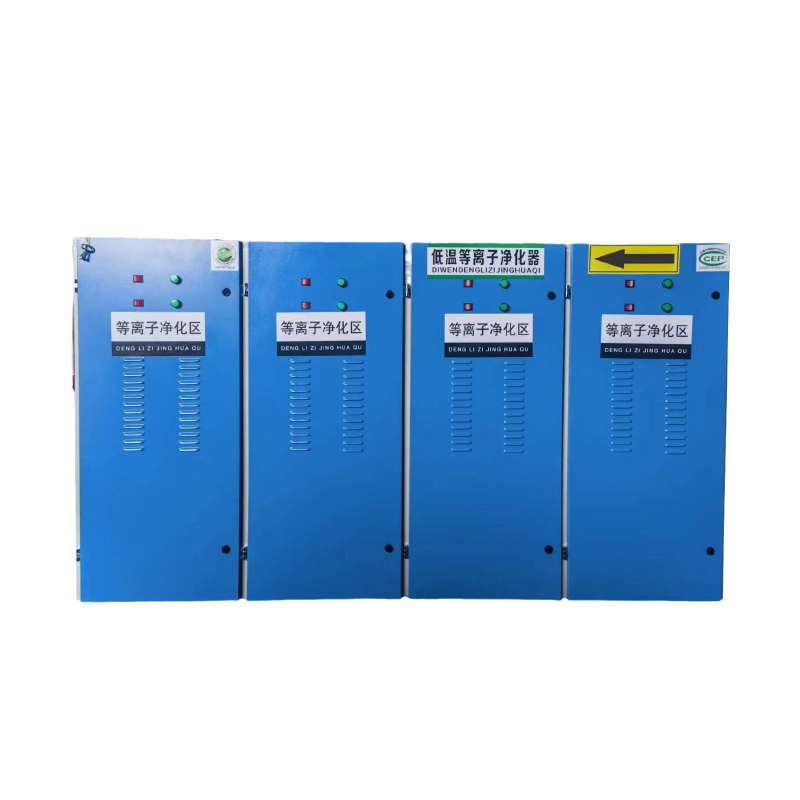
Industrial production processes such as cutting, polishing, crushing, mixing, and conveying will continue to generate productive dust. Dust not only affects the workshop working environment and endangers the health of operators, but also poses a risk of dust explosion. At the same time, most countries and regions have increasingly strict environmental control standards, and professional industrial dust collection and removal equipment has become a production necessity for enterprises. The industrial universal dust removal device is not limited to a single working condition and is suitable for the vast majority of manufacturing dust control scenarios. It is a basic supporting equipment for factory environmental protection standards, safety production, and workshop cleanliness.
1、 The core role and application value of industrial dust removal equipment
The core logic of industrial dust collection and removal equipment is to collect and process suspended dust and particulate matter generated during the production process through mechanical wind suction and graded filtration separation, achieving gas-solid separation and clean air reflux. Unlike single process specialized equipment, multi industry universal dust removal devices balance adaptability, stability, and low operation and maintenance costs, with core values concentrated in three aspects.
Firstly, compliance with environmental standards, effective control of unorganized dust emissions in workshops, meeting the requirements of regular environmental inspections in various regions, and avoiding the risks of production shutdowns and environmental penalties.
Secondly, to ensure production safety, reduce the concentration of combustible dust accumulation, minimize production hazards such as dust explosions, equipment wear, and product pollution from the source, and extend the service life of production equipment.
Thirdly, improve the working environment, reduce floating dust in the workshop, enhance work visibility and comfort, and comply with occupational health and safety management standards.
2、 Mainstream and commonly used types of dust removal equipment for multiple industries
The types of industrial dust are complex, including coarse particulate dust, fine floating dust, dry dust, wet dust, and abrasive dust. Different working conditions do not require customized special equipment, and universal standard dust removal devices can meet the needs. The most widely used universal types in the market are as follows.
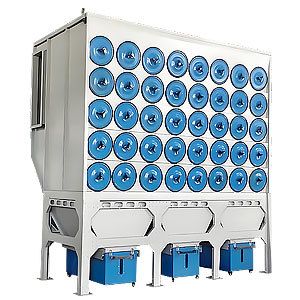
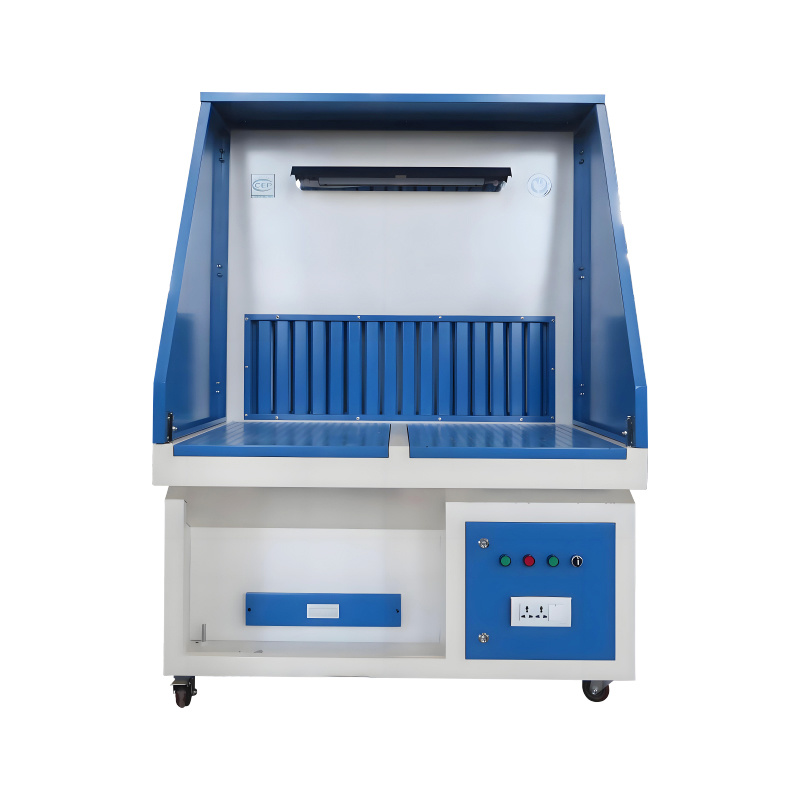
1. Filter cartridge industrial dust removal equipment: the most versatile mainstream dust removal device, with a compact structure and high filtration accuracy, specializing in fine dust treatment. Suitable for fine dust conditions such as grinding, polishing, cutting, and woodworking, with simple installation, automated dust cleaning, small footprint, and a single machine that can meet the dust removal needs of small and medium-sized workstations and production lines. Suitable for the vast majority of light industry and hardware manufacturing industries.
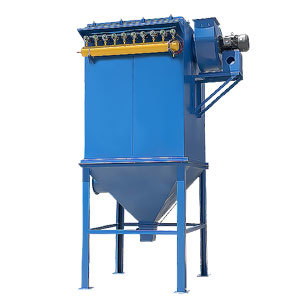
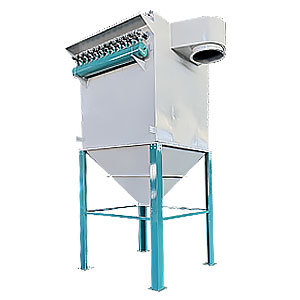
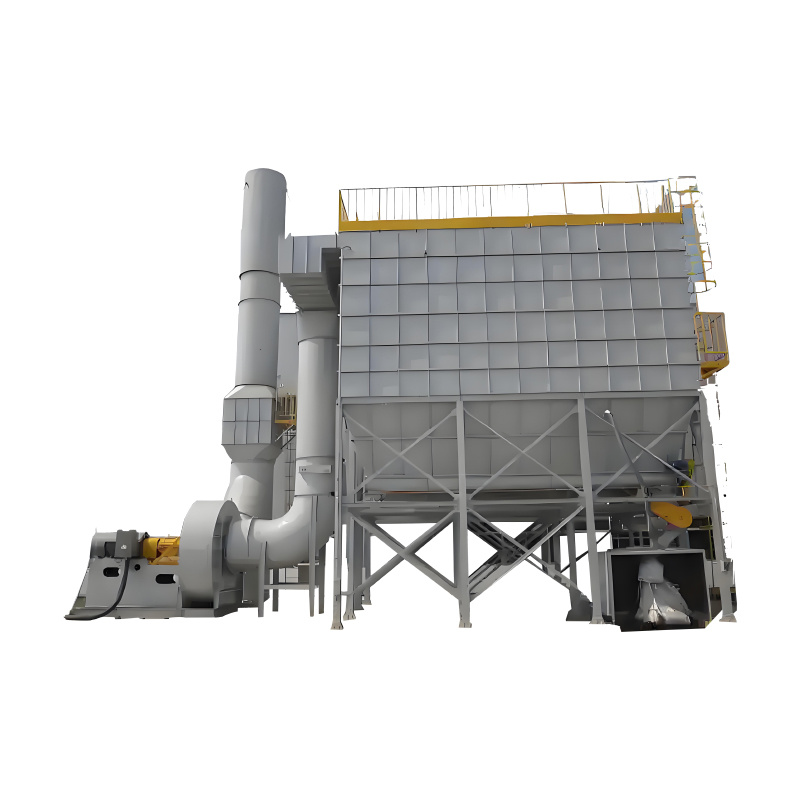
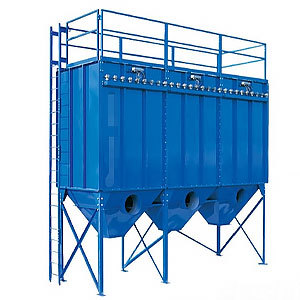
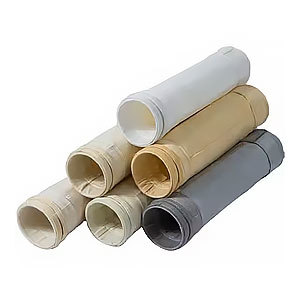
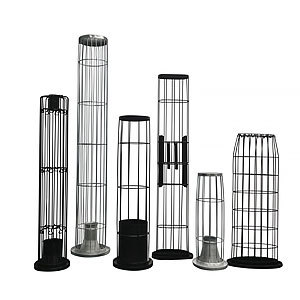
2. Bag type industrial dust removal equipment: capable of handling large air volumes and stable continuous operation, suitable for high concentration dust control in continuous production lines. Suitable for building materials, chemical industry, grain processing, mining facilities and other working conditions, high temperature resistance, impact resistance, long-term uninterrupted operation, suitable for large-scale dust removal in factories.
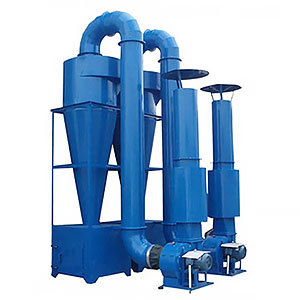
3. Cyclone dust removal pretreatment equipment: mainly used for primary separation of coarse particulate dust, often used as a universal device for front-end pretreatment. For the large particles and high concentration dust generated by crushing, screening, and conveying, first level dust reduction is carried out to reduce the load on the fine dust removal equipment at the back end and reduce the loss of filter materials. Almost all heavy industry dust removal systems can be used in conjunction with it.
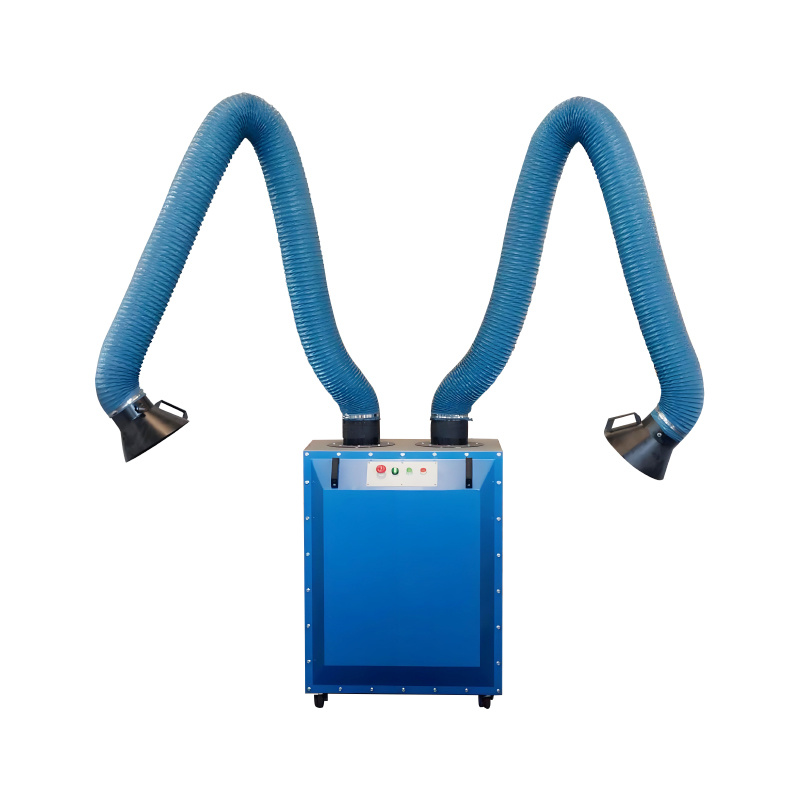
4. Mobile dust collection and removal equipment: flexible and portable, no need for fixed pipeline installation, suitable for multi station dispersed operation scenarios. Suitable for welding, small piece polishing, maintenance processing, and other non fixed dust generating points, it can be moved as needed, has strong universality, and is convenient to use in small and medium-sized workshops.
3、 Mainstream industry scenarios suitable for universal dust removal devices
Multi industry industrial dust removal equipment does not require complex customization, and standardized structures can adapt to the dust control of all categories of manufacturing industries, covering high-frequency industries in foreign trade procurement. Including hardware machining, metal polishing and grinding, woodworking furniture manufacturing, building materials and cement products, chemical powder processing, grain and feed production, plastic and rubber processing, mining stone matching, casting and forging workshops, etc. Regardless of dry dust, granular dust, or slightly viscous dust, as long as the corresponding filtering structure and basic configuration are matched according to the particle size, concentration, temperature, and humidity of the dust, the universal dust removal equipment can operate stably and meet the standard without the need for separate non-standard modifications.
4、 Core reference points for selection of general dust removal equipment
Multi industry universality does not mean arbitrary selection. To achieve stable dust removal effect and low operation and maintenance costs, only three core selection principles need to be followed. Firstly, select the filtration configuration based on the particle size of the dust. Coarse particles are mainly combined with cyclone pretreatment, while fine dust is mainly filtered using filter cartridges or cloth bags. Secondly, match the equipment specifications according to the processing air volume, determine the required air volume based on the number of dust generating stations and dust production volume, and avoid energy waste caused by insufficient air volume for dust removal or excessive air volume. Finally, match the basic material and temperature resistance level according to the working environment. Standard configuration is selected for normal room temperature working conditions, while upgrading the filter material and shell material is simple for high temperature, corrosion, and humidity working conditions, without the need to replace the overall structure of the equipment.
5、 Simple Guide to Basic Management of Equipment Daily Operation and Maintenance
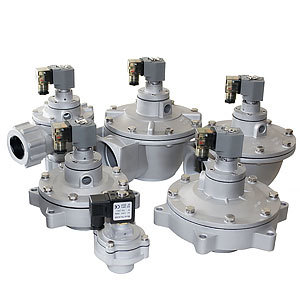
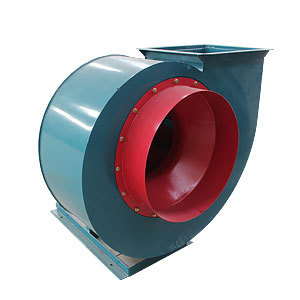
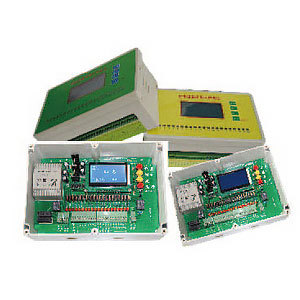
The structure of general industrial dust removal equipment is simple and easy to maintain, and long-term stable operation only requires basic routine management. Regularly check the overall sealing of the equipment to prevent air leakage and reduce dust removal efficiency; Clean the dust accumulation in the ash hopper periodically to prevent secondary dust backflow; Regularly check the status of filter cartridges, bags, and other filtering consumables, and replace them promptly if they are clogged or damaged; Regularly verify the pulse dust cleaning and fan operation system to ensure the normal operation of equipment negative pressure and dust cleaning. Simple operation and maintenance can maintain stable dust removal efficiency for a long time, reducing the probability of malfunctions and shutdowns.
Industrial dust collection and removal equipment, as a universal basic dust removal device for multiple industries, is not a single process specific equipment, but a necessary supporting facility for environmental compliance, safety production, and workshop cleanliness in the manufacturing industry. Although there are differences in dust conditions among different industries, standardized and universal dust removal equipment can be combined with simple selection and adaptation, as well as regular operation and maintenance, to achieve stable dust collection and treatment standards. Enterprises do not need complex customization and transformation. By selecting the right basic type, matching appropriate air volume and filtration configuration, they can balance dust removal efficiency, operating costs, and long-term production stability.
Hot Tags:


Contact Us
Tel:
WeChat:
WhatsApp:
E-mail:
Address:
338 National Road South, Longfengdian Village, Botou City, Hebei Province, China
JiuznTomine is expertly delivering technically complicated projects in markets & provides custom solutions for their customized need.


CONTACT INFO
Tel: +86 18531710311
WeChat: +86-18531710311
338 National Road South, Longfengdian Village, Botou City, Hebei Province, China