


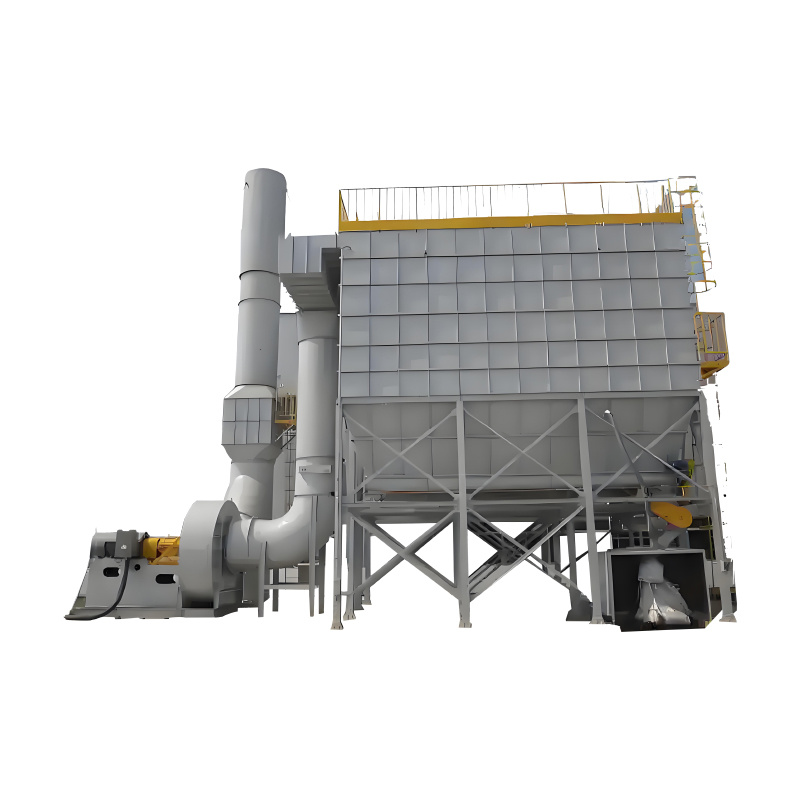
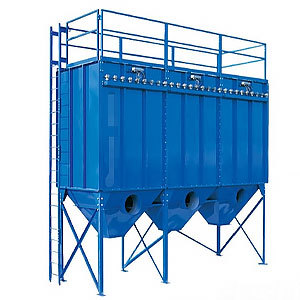
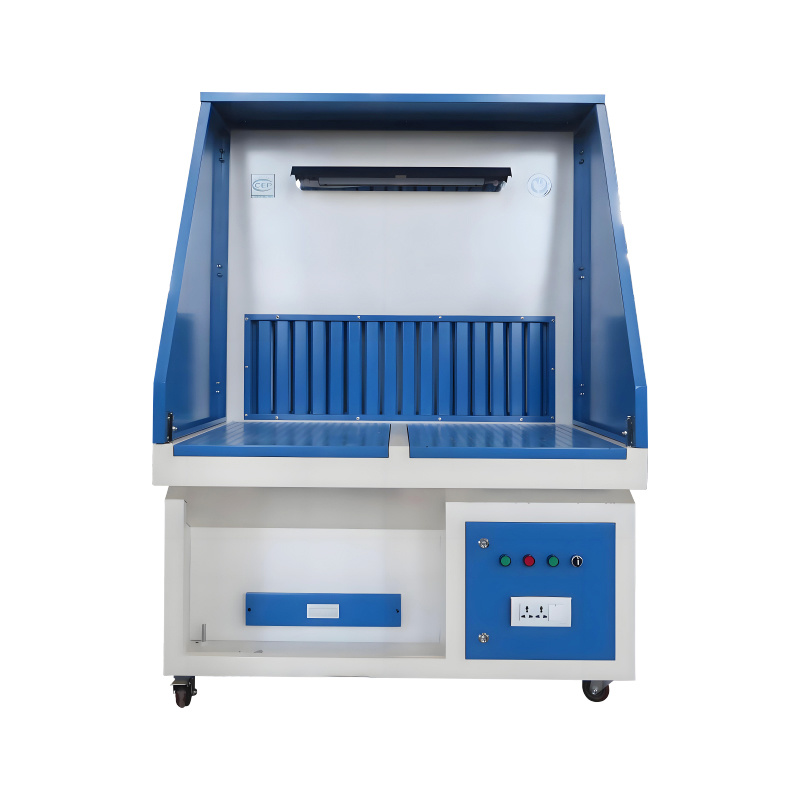
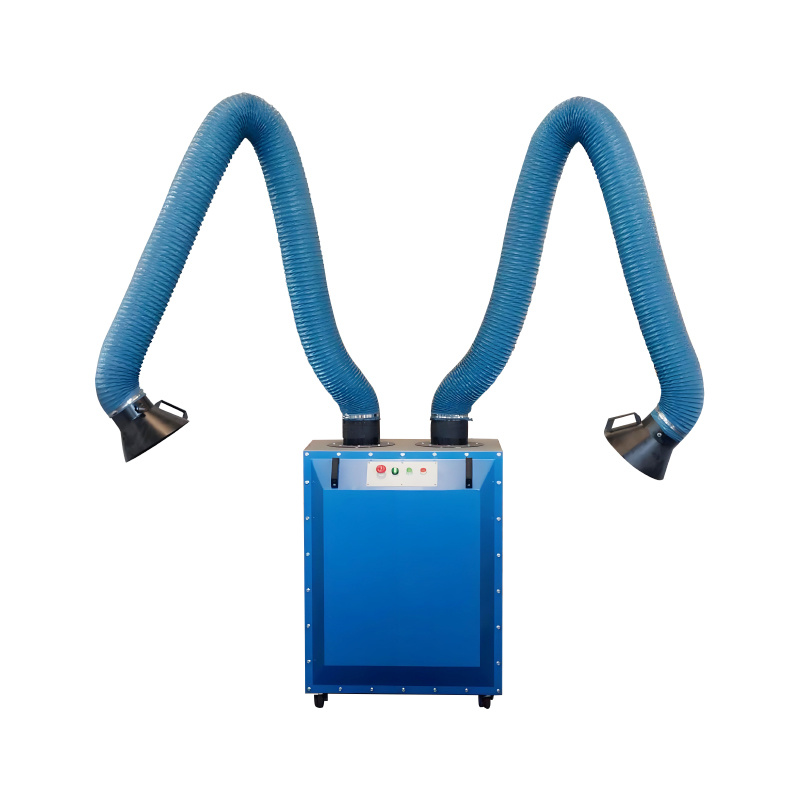









Precautions for no-load operation of bag filter - Standardized operation to avoid faults
Apr 04,2026
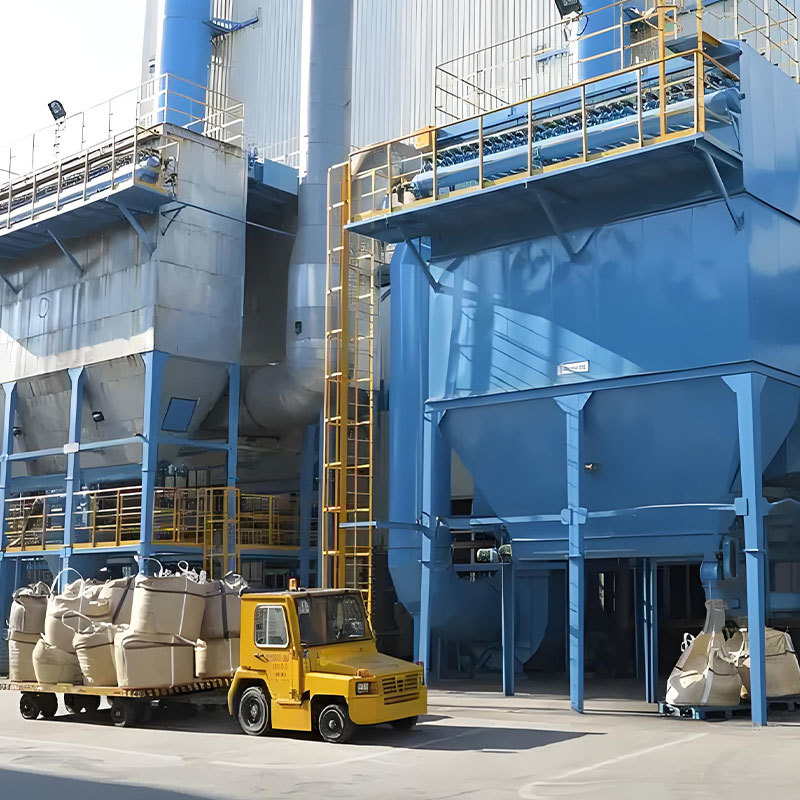
The no-load operation of the bag filter is a key step before the equipment is officially put into use. The core purpose is to identify installation hazards, debug operating parameters, and avoid malfunctions during loaded operation, which may affect the equipment's lifespan and dust removal efficiency.
1、 Preparation before no-load operation
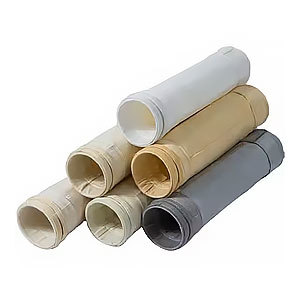
1. Equipment inspection: Confirm that the filter bag is securely installed, tightly sealed, and free from looseness or damage; Check that the flower board and sealing gasket are properly attached to avoid potential air leakage hazards.
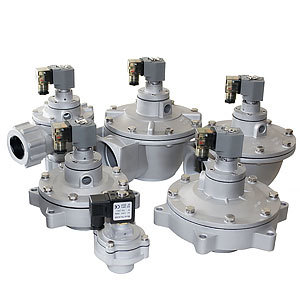
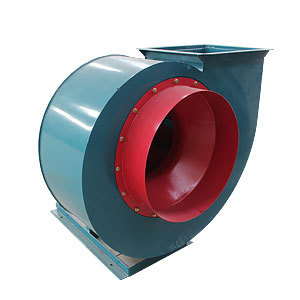
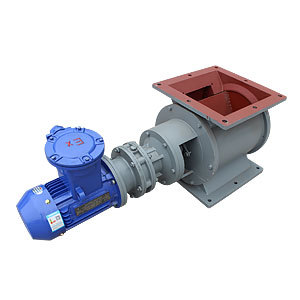
2. System inspection: Check that the connections of the fan, pulse ash cleaning system, and ash unloading device are normal, without looseness or jamming; Confirm that the pipeline is not blocked or leaking.
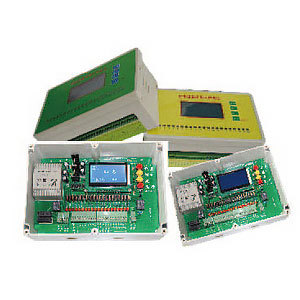
3. Parameter preset: Based on the device model, preset parameters such as cleaning frequency and cleaning time to avoid damage to the filter bag caused by improper parameters.
2、 Precautions for core operation during no-load operation
1. Start sequence: Start the fan first, wait for the fan to run stably, then start the pulse ash cleaning system and ash unloading device to avoid sudden overload of the equipment.
2. Operation observation: Monitor the operation status of the equipment throughout the process, focusing on whether the fan speed and current are normal, and whether there are any abnormal noises or vibrations; Observe whether the ash cleaning system sprays evenly without any leakage or misoperation.
3. Sealing inspection: During no-load operation, check whether there is any air leakage at the interfaces and flanges of the equipment. If any air leakage is found, it should be dealt with in a timely manner to avoid dust leakage after being loaded.
4. Time control: It is recommended to control the no-load running time within 30-60 minutes, which does not need to be too long. Focus on identifying hidden dangers to avoid ineffective operation and equipment damage.
3、 Common Misconceptions and Avoidance Methods
1. Skip no-load operation: Running directly with load can easily overlook installation hazards (such as loose filter bags, pipeline leaks), leading to later filter bag wear and reduced dust removal efficiency.
2. Improper parameter settings: If the cleaning frequency is too high or the cleaning time is too long, it will accelerate the wear of the filter bag; If the frequency is too low, it can easily lead to dust accumulation in the filter bag, affecting subsequent operation under load.
3. Neglecting abnormal signals: Failure to stop and inspect in a timely manner when abnormal noises, vibrations, or currents occur during operation can easily lead to damage to components such as fans and motors.
Summary: The core of no-load operation of bag filter is "check first, then start, observe frequently, and troubleshoot early". Standardized operation can effectively avoid various faults after loaded operation, extend equipment service life, ensure stable dust removal efficiency in the future, and adapt to the practical needs of industrial dust control in various industries.
Hot Tags:
PREVIOUS:

Contact Us
Tel:
WeChat:
WhatsApp:
E-mail:
Address:
338 National Road South, Longfengdian Village, Botou City, Hebei Province, China
JiuznTomine is expertly delivering technically complicated projects in markets & provides custom solutions for their customized need.


CONTACT INFO
Tel: +86 18531710311
WeChat: +86-18531710311
338 National Road South, Longfengdian Village, Botou City, Hebei Province, China