











Reasons, prevention and solutions for clogged filter cartridges
Mar 03,2026
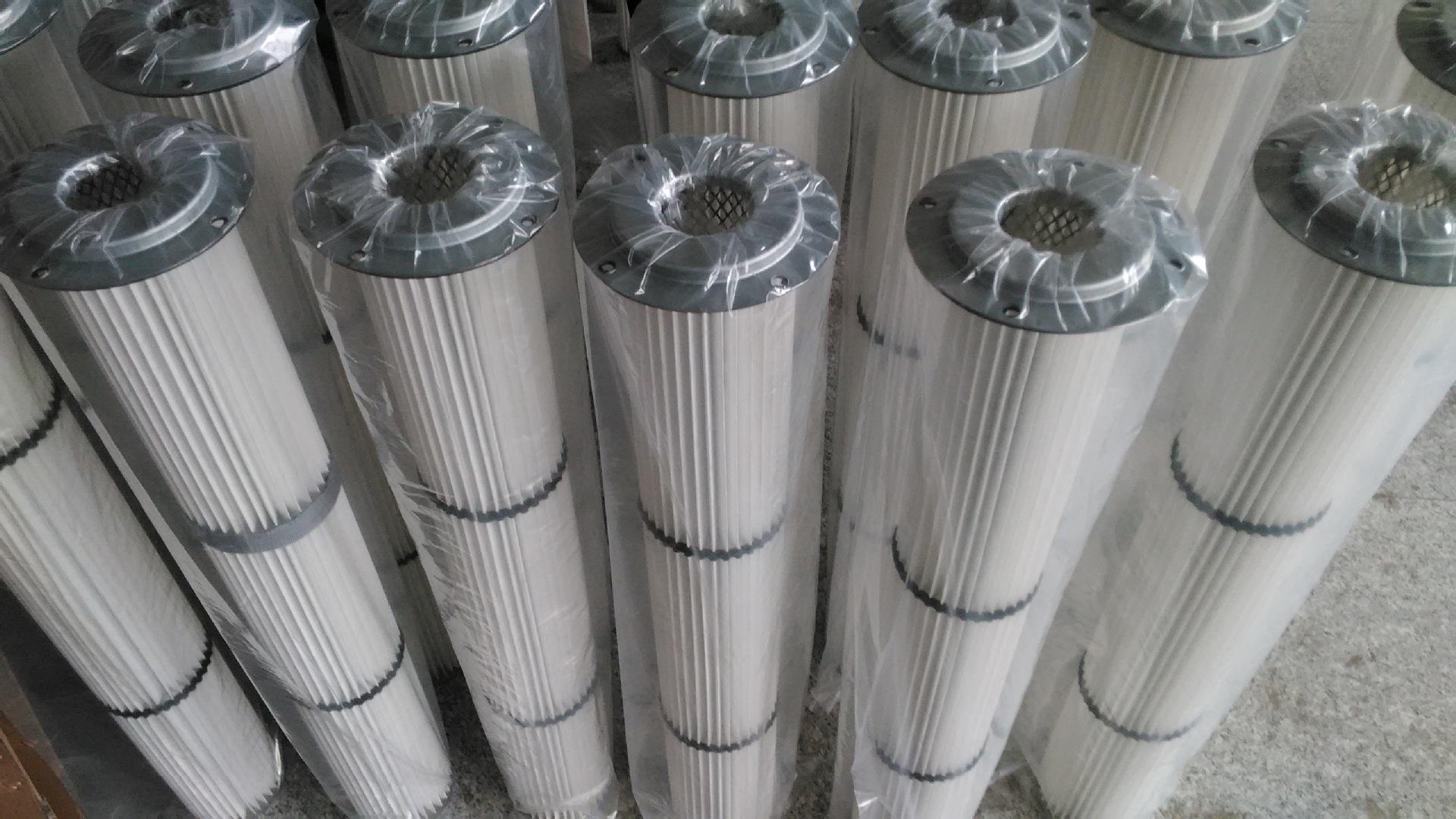
As the core filtering component of a filter cartridge dust collector, the smoothness of the filter cartridge directly determines the dust removal efficiency, operational stability, and energy consumption level of the equipment. In industrial dust control scenarios, filter blockage is a common fault, which not only leads to a decrease in dust collector airflow and excessive emissions, but also increases equipment operating load, accelerates filter aging, and increases operation and maintenance costs. Especially for overseas industrial projects, the replacement cycle of filter cartridges is long and the logistics cost is high. It is more practical to effectively avoid filter cartridge blockage and deal with blockage problems in a timely manner.
1、 The core cause of filter blockage: a comprehensive analysis from working conditions to operation
The essence of filter cartridge blockage is the abnormal accumulation of dust on the surface or inside of the filter cartridge, which cannot be discharged through normal cleaning. The main reasons are concentrated in four aspects: dust characteristics, equipment operating parameters, cleaning system operating conditions, and operation and maintenance, especially the differences in operating conditions in different industrial scenarios overseas.
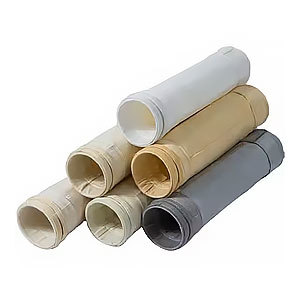
1. Inappropriate adaptation of dust characteristics: This is one of the most common reasons for filter cartridge blockage in overseas projects. The dust characteristics vary greatly among different industries, and if the material and pore size of the filter cartridge do not match the dust, it can easily lead to blockage. For example, high viscosity dust is prone to adhere to the surface of the filter cartridge and is difficult to remove by cleaning; Fine dust easily penetrates the surface of the filter cartridge, accumulates in the internal pores, and gradually causes blockage; Wet dust will condense and clump on the surface of the filter cartridge, forming a hard dust layer and causing dust removal failure. In addition, some overseas projects contain corrosive components in the dust, which can damage the structure of the filter cartridge and cause pore blockage of the filter material.
2. Unreasonable equipment operating parameters: Improper setting of operating parameters for the filter cartridge dust collector can directly exacerbate filter cartridge blockage. One is that the air volume is set too high, exceeding the rated processing air volume of the filter cartridge, resulting in the accumulation speed of dust on the surface of the filter cartridge exceeding the cleaning speed, gradually forming blockage; The second issue is that the concentration of imported dust is too high, and no pre-treatment device is installed. A large amount of dust directly enters the filter cartridge, exceeding the filtering load of the filter cartridge; The third issue is improper temperature control during operation. When the temperature is below the dew point of dust, the surface of the filter cartridge is prone to condensation, and dust becomes more viscous when it comes into contact with water, making it difficult to remove it from the filter cartridge. This problem is particularly prominent in cold regions or high humidity scenarios overseas.
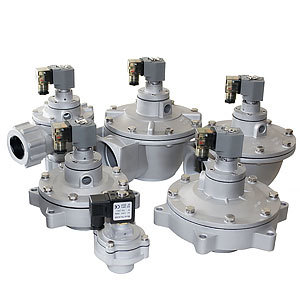
3. Abnormal operation of the dust cleaning system: The dust cleaning system is the key to avoiding filter blockage, and its operational failure can directly lead to filter blockage. Common problems include: electromagnetic pulse valve malfunction, resulting in insufficient blowing force and inability to effectively remove dust on the surface of the filter cartridge; Installation deviation of the spray pipe, nozzle not aligned with the center of the filter cartridge, uneven spray airflow, and inability to remove dust in some areas; Unreasonable setting of cleaning cycle, excessively long cleaning interval, and excessive accumulation of dust; Insufficient cleaning pressure and insufficient purity of compressed air not only affect the cleaning effect, but also contaminate the filter cartridge and exacerbate blockage.
4. Non standardized operation and maintenance: Overseas projects often have problems such as uneven professional levels of operation and maintenance personnel, delayed cross regional communication, etc. Non standardized operation and maintenance can easily cause filter blockage. For example, during the installation of the filter cartridge, the debris inside the dust collector was not cleaned, resulting in debris adhering to the surface of the filter cartridge; Failure to regularly check the status of the filter cartridge resulted in minor blockages that were not promptly addressed and gradually developed into severe blockages; When replacing the filter cartridge, it was not installed according to the specifications, resulting in poor sealing between the filter cartridge and the flower plate, short circuiting of dusty gas, and direct accumulation of dust at the edge of the filter cartridge; Failure to regularly clean the accumulated dust in the ash hopper resulted in dust being blown back to the filter cartridge after the hopper became clogged, exacerbating the burden on the filter cartridge.
2、 Preventive measures for filter cartridge blockage: avoid in advance to reduce the probability of blockage
The core of preventing filter cartridge blockage is "adapting to working conditions, optimizing operation, and standardizing maintenance". Considering the particularity of overseas projects, the following four points should be emphasized to effectively reduce the probability of filter cartridge blockage and extend the service life of the filter cartridge.
1. Precise selection and adaptation to dust characteristics: In the early stage of overseas projects, it is necessary to select a suitable filter cartridge based on the dust type, concentration, humidity, viscosity, and corrosiveness of the local industrial scene. For example, for high viscosity and high humidity dust, waterproof and oil resistant filter cartridges are preferred; For fine dust scenes, choose high-precision filter cartridges and equip them with pre-treatment devices to reduce the concentration of dust entering the filter cartridges; For corrosive dust scenarios, choose filter cartridges made of corrosion-resistant materials. At the same time, it is necessary to verify the rated air volume and filtration area of the filter cartridge to ensure that they match the operating parameters of the dust collector and avoid overloading operation.
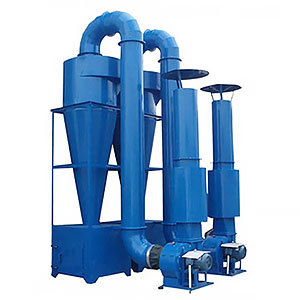
2. Optimize operating parameters and adapt to on-site conditions: dynamically adjust the operating parameters of the dust collector according to the on-site conditions of overseas projects. One is to set the air volume reasonably, control it within the rated air volume range of the filter cartridge, and avoid excessive air volume causing rapid dust accumulation; The second is to control the concentration of imported dust. For high concentration dust scenarios, pre-treatment equipment such as cyclone dust collectors should be installed to remove large particles of dust in advance; The third is to control the operating temperature to ensure that the equipment operating temperature is 5-10 ℃ higher than the dust dew point, especially in cold and high humidity areas. Equipment insulation measures should be taken to avoid condensation on the filter cartridge. In addition, it is necessary to regularly check the operating pressure of the equipment. When the resistance reaches the warning value, adjust the cleaning parameters in a timely manner and intervene in advance.
3. Maintain the cleaning system to ensure the cleaning effect: Regularly checking the operation status of the cleaning system is the key to preventing filter blockage. One is to regularly inspect components such as electromagnetic pulse valves, spray pipes, and air bags, identify problems such as air leaks, blockages, and damages, replace faulty components in a timely manner, and ensure even spray force; The second is to optimize the cleaning parameters, adjust the cleaning cycle and blowing time according to the dust accumulation situation, to avoid frequent cleaning or long cleaning intervals; Thirdly, to ensure the purity of compressed air, an oil-water separator should be installed in front of the air bag to regularly discharge oil and water to avoid contaminating the filter cartridge.
4. Standardize operation and maintenance, establish operation and maintenance ledger: Based on the characteristics of overseas project operation and maintenance, establish a comprehensive operation and maintenance ledger, and standardize the operation process. Firstly, before installing the filter cartridge, thoroughly clean the debris and dust inside the dust collector to ensure a clean installation environment; During installation, ensure that the filter cartridge is tightly sealed with the flower plate, without any looseness or displacement; The second is to regularly check the status of the filter cartridge, investigate the accumulation of dust on the surface of the filter cartridge every week, conduct a comprehensive inspection once a month, and promptly deal with minor blockages found; Thirdly, regularly clean the accumulated dust in the ash hopper to avoid blockage, and check the operation status of the unloading device to ensure smooth discharge of dust; The fourth is to provide professional training for operation and maintenance personnel, clarify operating standards, and avoid filter blockage caused by operational errors.
3、 Solution to filter blockage: graded treatment, efficient recovery of operation
When the filter cartridge is found to be blocked, graded treatment measures should be taken according to the degree of blockage to avoid blind replacement of the filter cartridge and reduce operation and maintenance costs, especially suitable for the long procurement cycle of filter cartridges in overseas projects.
1. Minor blockage: Prioritize using optimized cleaning parameters for handling. Shorten the cleaning cycle appropriately, extend the single injection time, increase the injection pressure, run continuously for 1-2 hours, and observe the change in filter cartridge resistance; At the same time, check the purity of the compressed air, discharge the oil and water in the oil-water separator, and ensure the cleaning effect. If the dust viscosity is high, low-pressure pulse spraying can be used to avoid damaging the filter cartridge by high-pressure spraying.
2. Moderate blockage: Use a combination of dust removal and manual cleaning to handle it. First, optimize the dust cleaning parameters and perform multiple sprays. Then, stop the equipment operation, open the dust collector maintenance door, and use compressed air to blow outwards from the inside of the filter cartridge to remove the accumulated dust on the surface; For sticky dust, a dry brush can be used to gently clean the surface of the filter cartridge to avoid damaging the filter material with excessive force. After cleaning, restart the device and observe the change in resistance. If the resistance returns to normal, it can continue to be used.
3. Severe blockage: The filter cartridge needs to be replaced in a timely manner. When replacing, it is necessary to choose a filter cartridge that is consistent with the original model and material to avoid secondary blockage caused by mismatched models; During the replacement process, clean the debris and accumulated dust inside the dust collector, inspect the flower plate, spray pipe and other components, and check for other faults; After the replacement is completed, perform no-load debugging, check the operation status of the dust cleaning system, and ensure that the equipment is running normally. For severely clogged but undamaged filter cartridges, if conditions permit, professional cleaning can be carried out, and after passing the inspection, they can be reused to reduce operation and maintenance costs.
4. Follow up treatment after blockage: After the filter cartridge blockage treatment is completed, it is necessary to investigate the root cause of the blockage and optimize preventive measures accordingly. For example, if blockage occurs due to improper adaptation of dust characteristics, the adapted filter cartridge needs to be replaced; If the blockage is caused by a malfunction in the dust cleaning system, the dust cleaning components need to be thoroughly inspected; If the blockage is caused by improper operation and maintenance, it is necessary to strengthen the training of operation and maintenance personnel and improve the operation and maintenance ledger. At the same time, increase the frequency of filter cartridge inspections to detect potential blockages in advance and avoid serious blockages from happening again.
The core of preventing and controlling filter blockage is "prevention first, graded treatment". In overseas projects, it is necessary to combine the characteristics of local working conditions, select filter cartridges, optimize parameters, and standardize operation and maintenance to avoid blockage risks in advance; Once blockage occurs, efficient measures should be taken according to the degree of blockage, which can ensure the stable operation of the dust collector, extend the service life of the filter cartridge, reduce the operation and logistics costs of overseas projects, and provide reliable guarantee for industrial dust control.
Hot Tags:


Contact Us
Tel:
WeChat:
WhatsApp:
E-mail:
Address:
338 National Road South, Longfengdian Village, Botou City, Hebei Province, China
JiuznTomine is expertly delivering technically complicated projects in markets & provides custom solutions for their customized need.


CONTACT INFO
Tel: +86 18531710311
WeChat: +86-18531710311
338 National Road South, Longfengdian Village, Botou City, Hebei Province, China